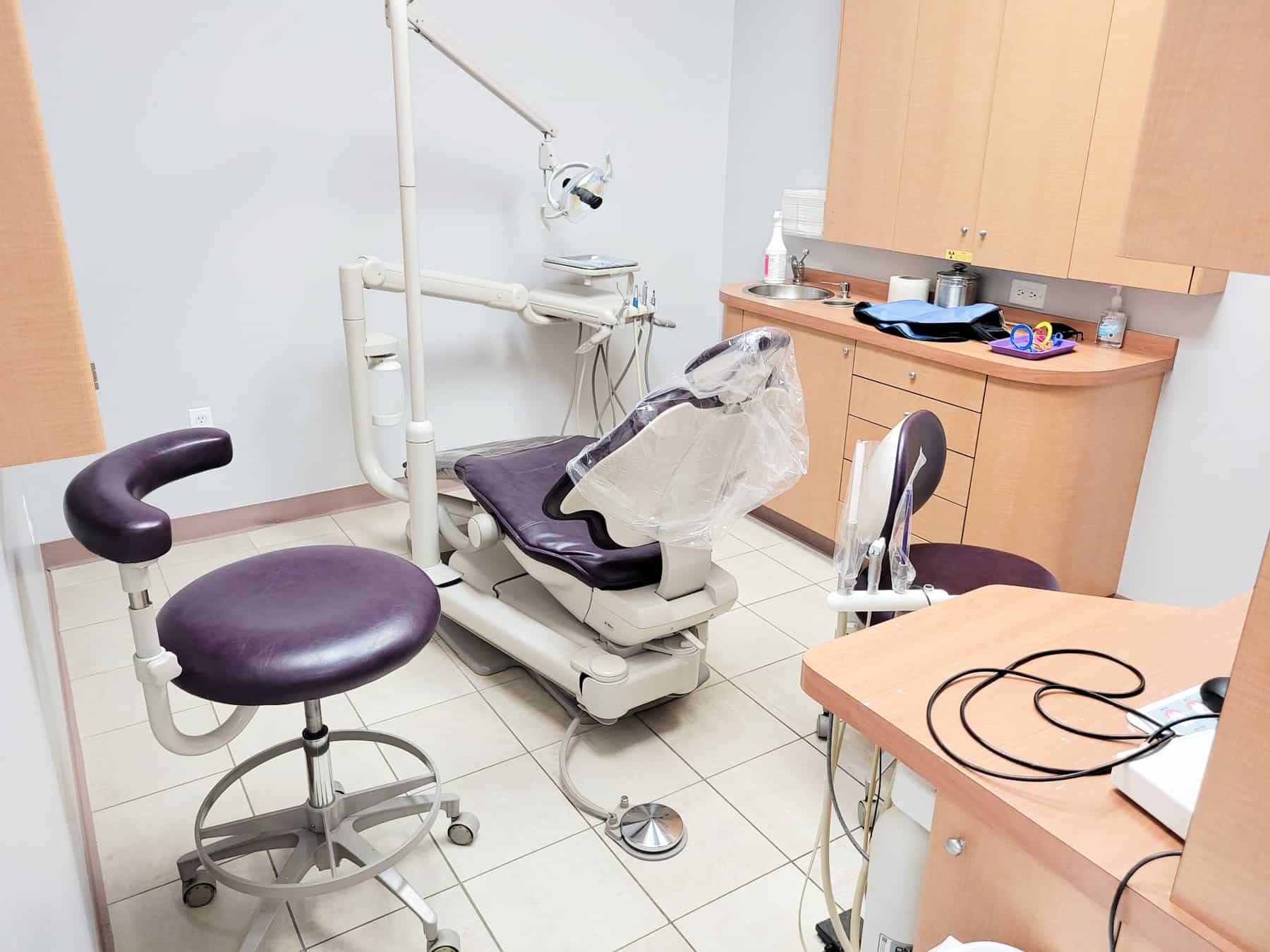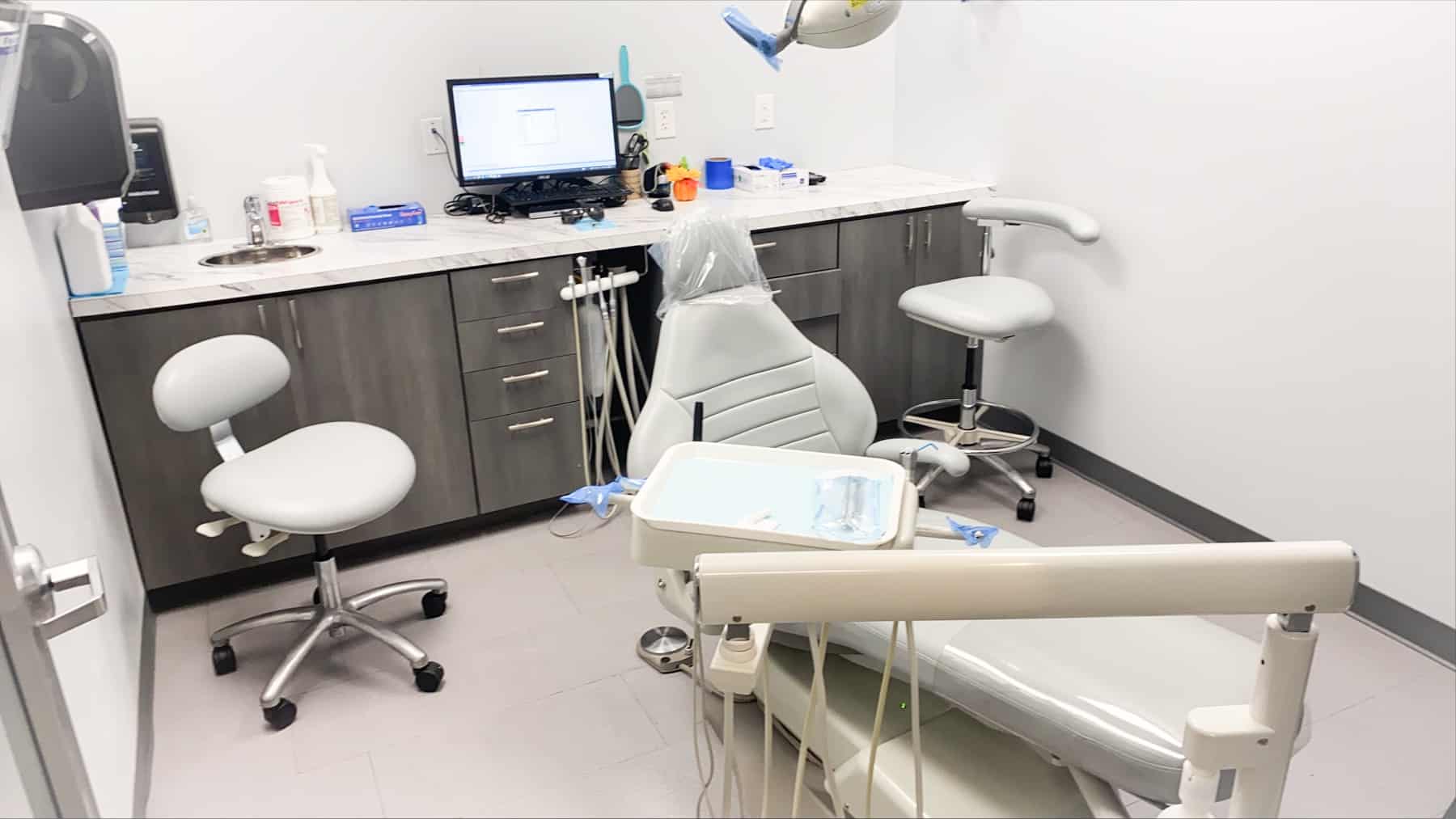


Dental emergencies can strike when you least expect them-during a weekend family gathering, in the middle of the night, or while your child is playing sports. Knowing how to recognize a true dental emergency and understanding where to seek immediate care can mean the difference between saving and losing a tooth. Emergency dentistry encompasses urgent dental situations that require prompt professional attention to alleviate severe pain, stop bleeding, save a tooth, or prevent the spread of infection. Whether you're dealing with a knocked-out tooth, unbearable toothache, or facial trauma, understanding what constitutes a dental emergency empowers you to act quickly and protect your oral health.
Understanding What Qualifies as a Dental Emergency
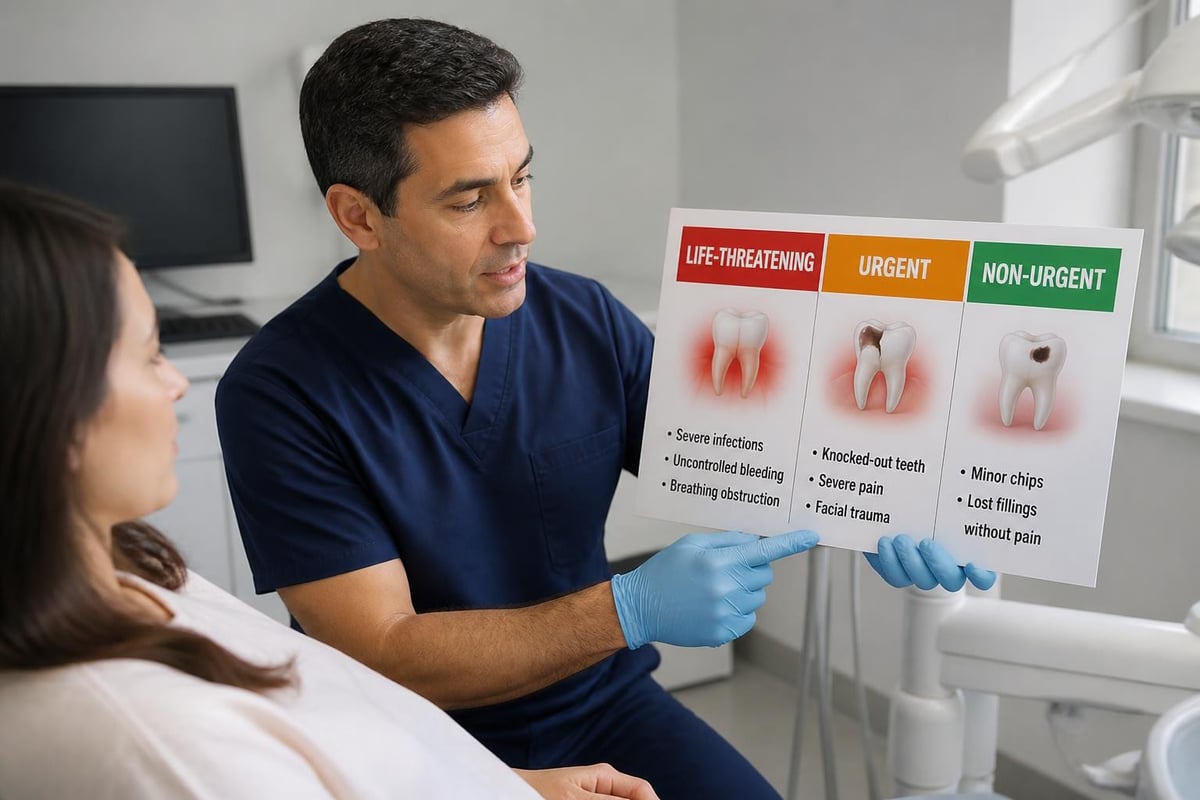
Not every dental issue requires immediate attention, but certain situations demand urgent care from a qualified dental professional. The American Dental Association provides clear guidelines on emergency treatment to help patients and practitioners distinguish between urgent and non-urgent situations.
True dental emergencies include:
- Uncontrolled bleeding in the mouth or jaw area
- Severe pain that doesn't respond to over-the-counter medication
- Swelling in the face, jaw, or neck that affects breathing or swallowing
- Knocked-out (avulsed) permanent teeth
- Fractured or broken teeth with sharp edges cutting soft tissue
- Abscesses or infections causing fever and facial swelling
- Trauma to the jaw or facial bones
Common Non-Emergency Situations
While uncomfortable, some dental problems can wait for a regular appointment during business hours. These include minor chips without pain, lost fillings or crowns without discomfort, dull toothaches that respond to medication, and broken orthodontic wires that aren't causing injury.
Understanding this distinction helps you make informed decisions about when to seek immediate care versus scheduling a routine visit. Research from the Healthcare Cost and Utilization Project reveals that many emergency department visits for dental conditions could be more appropriately handled in dental office settings, highlighting the importance of patient education about emergency dentistry.
The Most Common Dental Emergencies in Texas
Texas families face various dental emergencies throughout the year. Understanding the most frequent situations helps you prepare and respond appropriately when urgency strikes.
Severe Toothaches and Dental Pain
Intense, throbbing tooth pain often signals an underlying infection or abscess. This type of emergency dentistry situation requires prompt evaluation because infections can spread to surrounding tissues and even enter the bloodstream if left untreated.
What causes severe dental pain:
- Deep tooth decay reaching the pulp chamber
- Cracked or fractured teeth exposing nerve tissue
- Periapical abscesses at the root tip
- Advanced gum disease affecting tooth stability
- Food particles lodged between teeth or under gums
When experiencing severe dental pain, rinse your mouth with warm salt water and take over-the-counter pain medication as directed. Avoid placing aspirin directly on the affected area, as this can burn gum tissue. Contact your dental provider immediately to schedule an emergency appointment.
Knocked-Out Teeth
Time is critical when a permanent tooth is knocked out. Clinical guidelines on dental emergencies emphasize that successful reimplantation rates decrease significantly after 30 minutes.
| Time Since Injury | Success Rate | Action Required |
|---|---|---|
| Under 30 minutes | 90% success | Immediate reimplantation |
| 30-60 minutes | 70% success | Keep moist, seek emergency care |
| 1-2 hours | 40% success | Professional intervention needed |
| Over 2 hours | Less than 20% | Tooth likely non-viable |
Steps to take immediately:
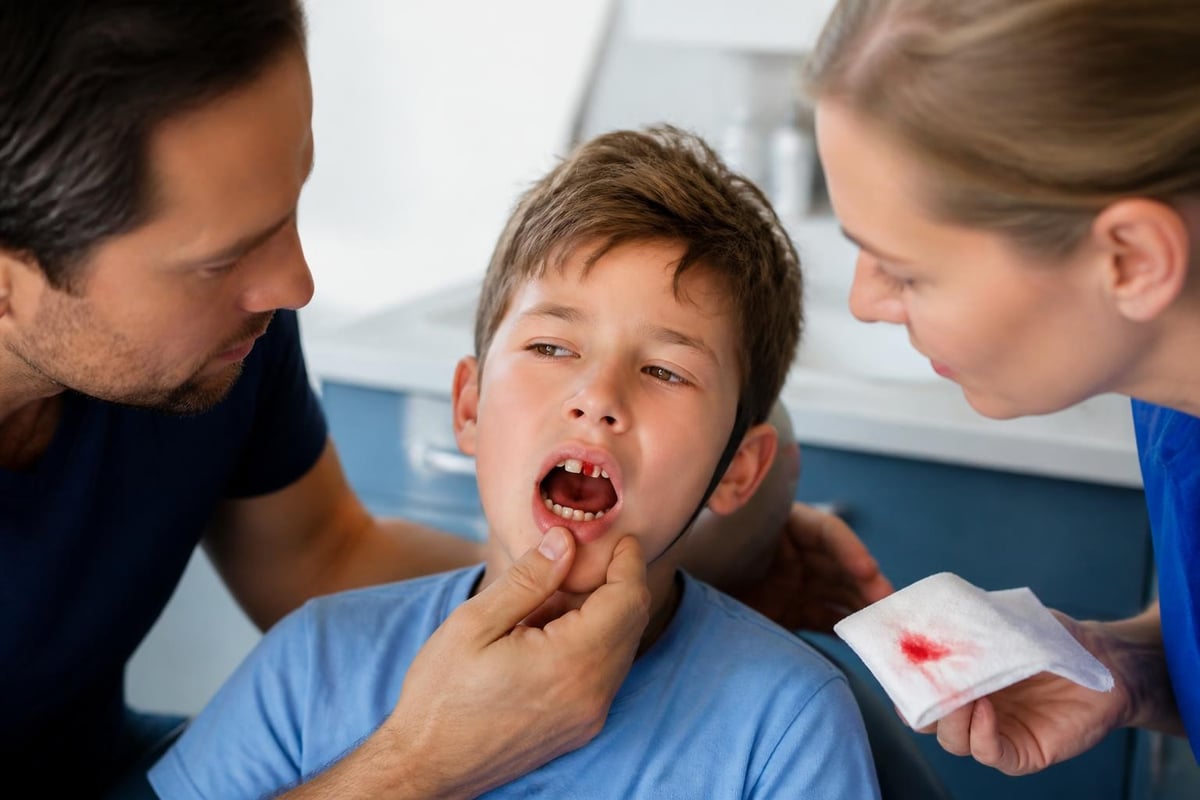
Pick up the tooth by the crown, never touching the root. Gently rinse it with water if dirty, but don't scrub or remove attached tissue. If possible, reinsert the tooth into its socket and hold it in place. If reinsertion isn't feasible, store the tooth in milk, saline solution, or between your cheek and gum. Seek emergency dental care within 30 minutes for the best chance of saving the tooth.
Dental Abscesses and Infections
A dental abscess represents a serious emergency dentistry situation that requires immediate professional intervention. These pus-filled infections can develop at the tooth root or in the gums, causing severe pain, swelling, and fever.
Warning signs of dental infections:
- Persistent, intense throbbing pain
- Sensitivity to hot and cold temperatures
- Fever and general malaise
- Swelling in the face, cheek, or neck
- Tender, swollen lymph nodes under the jaw
- Foul taste in the mouth or bad breath
- Difficulty swallowing or breathing
Never ignore these symptoms. Dental infections can spread rapidly, leading to serious complications including Ludwig's angina, cavernous sinus thrombosis, or sepsis. If you notice facial swelling or have difficulty breathing, seek emergency medical attention immediately.
How to Handle Dental Emergencies Before Reaching the Dentist
Quick, appropriate action during a dental emergency can minimize damage and improve treatment outcomes. Here's what to do for common urgent situations while arranging professional care.
Broken or Fractured Teeth
Rinse your mouth with warm water to clean the area. Apply a cold compress to the outside of your face to reduce swelling. Save any tooth fragments you can find and bring them to your emergency appointment. Cover sharp edges with dental wax or sugar-free gum to prevent injury to your tongue, cheeks, or lips.
Lost Fillings or Crowns
Temporary dental cement, available at most pharmacies, can protect the exposed tooth until you receive professional care. Clean the crown and try to slip it back over the tooth using dental cement or denture adhesive to hold it temporarily. Avoid chewing on the affected side and schedule an appointment promptly.
Soft Tissue Injuries
Cuts, lacerations, or puncture wounds to the lips, cheeks, tongue, or gums require careful attention. Rinse your mouth with a mild salt water solution and apply gentle pressure with clean gauze to stop bleeding. If bleeding persists beyond 15 minutes or the wound is deep, seek immediate medical or dental attention.
When Emergency Dentistry Requires Immediate Professional Care
Certain situations demand professional intervention without delay. Understanding when to seek emergency dentistry services versus when to visit an emergency room helps ensure appropriate care.
Situations Requiring Same-Day Dental Care
Contact your dental provider immediately or visit an emergency dentistry clinic for these conditions:
- Severe, unmanageable pain: When over-the-counter medications provide no relief and pain interferes with daily activities
- Trauma with tooth displacement: Teeth that are pushed sideways, intruded into the bone, or partially extruded from the socket
- Significant tooth fractures: Breaks extending into the pulp chamber causing severe sensitivity
- Post-surgical complications: Excessive bleeding, severe pain, or signs of infection after dental procedures
- Orthodontic emergencies: Broken brackets or wires causing pain or injury to soft tissues
Many dental practices, including those at Dental Plus Clinic locations throughout Texas, offer same-day emergency appointments to address urgent dental needs promptly.
When to Go to the Emergency Room Instead
Some dental emergencies involve conditions that exceed the scope of emergency dentistry and require hospital emergency department care:
- Uncontrolled bleeding: Bleeding that doesn't stop after 15-20 minutes of direct pressure
- Jaw fractures: Suspected broken jaw bones requiring imaging and possible surgical intervention
- Severe facial trauma: Injuries involving the eyes, nose, or skull in addition to dental structures
- Breathing or swallowing difficulties: Swelling that threatens the airway
- Signs of spreading infection: High fever, rapid heart rate, confusion, or difficulty breathing
Emergency rooms have resources to manage life-threatening complications and can stabilize patients before dental specialists provide definitive treatment.
Preventing Common Dental Emergencies
While not all dental emergencies are preventable, proactive measures significantly reduce your risk of urgent dental situations.
Protective Equipment for Sports and Activities
Athletic activities account for a substantial percentage of dental injuries, particularly among children and teenagers. Custom-fitted mouthguards provide superior protection compared to over-the-counter options, reducing the risk of knocked-out teeth, fractured jaws, and soft tissue injuries.
When to wear protective equipment:
- Contact sports (football, hockey, basketball, soccer)
- Individual sports with fall risk (skateboarding, cycling, gymnastics)
- Recreational activities (rollerblading, martial arts)
- Any activity with potential for facial impact
Parents seeking preventive care for their children can explore pediatric dentistry services that include custom mouthguard fittings and injury prevention education.
Regular Dental Examinations and Maintenance
Routine dental check-ups identify potential problems before they become emergencies. Dentists detect early signs of decay, cracks, gum disease, and other conditions during regular examinations.
| Prevention Strategy | Emergency Risk Reduction |
|---|---|
| Biannual cleanings and exams | 60-70% reduction in abscesses |
| Treating cavities promptly | 80% reduction in severe toothaches |
| Addressing cracked teeth early | 50% reduction in fractures |
| Managing gum disease | 40% reduction in tooth loss |
| Regular X-rays | Early detection of hidden problems |
Consistent preventive care represents the most effective approach to avoiding emergency dentistry situations.
Avoiding High-Risk Behaviors
Certain habits dramatically increase emergency dental risks:
- Chewing ice, hard candies, or popcorn kernels
- Using teeth as tools to open packages or bottles
- Biting fingernails or pen caps
- Playing contact sports without mouthguards
- Ignoring early warning signs of dental problems
Educating family members about these risks helps create awareness and promotes protective behaviors.
The Emergency Dentistry Process: What to Expect
Understanding what happens during an emergency dental visit reduces anxiety and helps you prepare for treatment.
Initial Assessment and Pain Management
Emergency dentistry begins with rapid assessment to determine the severity and nature of your condition. Your dental provider will:
- Evaluate your symptoms and medical history
- Perform a focused examination of the affected area
- Take necessary diagnostic X-rays or images
- Assess pain level and provide immediate relief
- Determine if the situation requires immediate treatment or can wait
Pain management is a priority. Dentists may administer local anesthesia, prescribe pain medications, or provide other interventions to make you comfortable before proceeding with treatment.
Common Emergency Procedures
Depending on your specific situation, emergency dentistry may involve various procedures:
For infections and abscesses: Drainage of the infection, prescription antibiotics, and either root canal therapy or extraction depending on tooth viability.
For knocked-out teeth: Cleaning and reimplanting the tooth, splinting it to adjacent teeth for stability, and monitoring healing over several weeks.
For fractured teeth: Bonding or filling for minor fractures, dental crowns for moderate breaks, or root canal treatment for fractures exposing the pulp.
For soft tissue injuries: Cleaning and suturing lacerations, controlling bleeding, and providing care instructions for healing.
Detailed guidance on emergency tooth extractions outlines when removal becomes necessary and how the procedure is performed.
Follow-Up Care Requirements
Emergency treatment often represents the first step in comprehensive care. Your dental provider will schedule follow-up appointments to:
- Monitor healing and recovery progress
- Complete multi-stage treatments like root canals
- Fabricate permanent restorations replacing temporary solutions
- Address underlying conditions that contributed to the emergency
- Develop preventive strategies to avoid future emergencies
Attending all follow-up appointments ensures optimal outcomes and long-term oral health.
Coverage and Costs for Emergency Dental Care
Financial concerns shouldn't prevent you from seeking necessary emergency dentistry services. Understanding coverage options and payment alternatives helps you access care when needed.
Dental Insurance and Emergency Coverage
Most dental insurance plans provide coverage for emergency treatments, though benefits vary significantly. Typical coverage includes:
- Emergency examinations: Usually covered at 80-100% after deductible
- X-rays and diagnostics: Covered at 80-100% under preventive or diagnostic benefits
- Emergency extractions: Covered at 50-80% under basic or major services
- Root canal therapy: Covered at 50-80% under major services
- Emergency repairs: Coverage varies based on whether treatment is restorative or cosmetic
Review your specific plan details or contact your insurance provider to understand your emergency dentistry benefits. Resources about dental insurance options in Texas can help you make informed decisions about coverage.
Payment Options Without Insurance
Patients without dental insurance still have access to emergency care through various payment arrangements:
- Payment plans: Many dental practices offer flexible financing for emergency treatments
- Dental discount plans: Membership programs providing reduced fees for services
- Health savings accounts: HSAs and FSAs can cover emergency dental expenses
- Credit options: Healthcare-specific credit cards with promotional financing
- Charity care programs: Some clinics offer sliding scale fees based on income
Don't delay seeking emergency dentistry due to cost concerns. Many dental providers work with patients to create affordable payment solutions, and the cost of delayed treatment often exceeds the expense of prompt care.
Cost Comparison: Emergency Care vs. Delayed Treatment
| Scenario | Emergency Cost | Delayed Treatment Cost |
|---|---|---|
| Simple cavity | $150-300 filling | $800-1,500 root canal + crown |
| Cracked tooth | $200-400 bonding | $1,200-2,000 extraction + implant |
| Minor infection | $300-600 treatment | $2,000-4,000 severe infection + hospitalization |
| Knocked-out tooth | $300-800 reimplantation | $3,000-6,000 implant replacement |
These estimates demonstrate that immediate emergency dentistry typically costs significantly less than delaying care until problems escalate.
Finding Emergency Dental Care in Texas
Access to emergency dentistry when you need it most requires knowing where to turn and how to contact providers quickly.
After-Hours and Weekend Emergency Services
Dental emergencies don't respect business hours. Look for dental practices offering:
- Extended hours: Evening and weekend appointments for urgent situations
- On-call dentists: Providers available by phone for after-hours emergencies
- Emergency hotlines: Dedicated numbers for urgent dental situations
- Same-day appointments: Flexibility to accommodate emergency patients promptly
Dental Plus Clinic maintains emergency dental services across multiple Texas locations, including Leander and Converse, ensuring families have access to care when emergencies arise.
What to Ask When Calling for Emergency Care
When contacting a dental office for emergency services, provide clear information to help staff assess your situation:
- Describe your symptoms in detail (pain level, swelling, bleeding)
- Explain how the emergency occurred and when it started
- Mention any relevant medical conditions or medications
- Ask about appointment availability and wait times
- Inquire about costs and insurance acceptance
- Confirm the location and parking information
Key questions to ask:
- Can the dentist see me today or do I need to go to an emergency room?
- What should I do to manage symptoms until my appointment?
- Should I bring any specific items or information?
- What payment options are available for emergency services?
Having this information ready when you call helps facilitate faster care coordination.
Building a Relationship with Your Dental Provider
Establishing care with a regular dental provider before emergencies occur offers significant advantages. Your dentist already knows your dental history, treatment preferences, and medical considerations, allowing for more efficient emergency care. Regular patients often receive priority scheduling for urgent situations.
Comprehensive dental services that include both routine and emergency care create continuity and ensure you have a trusted provider when urgent situations arise.
Special Considerations for Pediatric Dental Emergencies
Children face unique dental emergency risks and require specialized approaches to emergency dentistry.
Common Childhood Dental Emergencies
Young patients frequently experience specific types of dental trauma:
- Falls and playground injuries: Leading to knocked-out or fractured primary teeth
- Sports-related trauma: Despite increasing mouthguard use
- Object-in-mouth incidents: Foreign objects lodged between teeth or in soft tissues
- Toothache from rapid cavity progression: Primary teeth decay faster than permanent teeth
- Eruption-related emergencies: Pain or complications from emerging teeth
Parents should understand that primary (baby) teeth emergencies require different management than permanent tooth injuries. While knocked-out baby teeth typically aren't reimplanted, they still need professional evaluation to ensure no damage to developing permanent teeth underneath.
Age-Appropriate Emergency Response
For infants and toddlers:
- Monitor closely after any facial trauma or mouth injury
- Watch for changes in eating, sleeping, or behavior patterns
- Seek prompt evaluation if teeth appear discolored after injury
- Use age-appropriate pain management under professional guidance
For school-age children:
- Teach them to notify adults immediately if dental injury occurs
- Practice finding and safely handling knocked-out teeth
- Explain the importance of seeking help rather than hiding injuries
- Maintain current emergency contact information at school
Specialized pediatric dental services provide child-friendly emergency care with providers trained in managing young patients' unique needs and anxieties.
Technology and Modern Approaches in Emergency Dentistry
Advances in dental technology have transformed emergency care, improving outcomes and patient comfort.
Diagnostic Innovations
Modern emergency dentistry utilizes sophisticated diagnostic tools:
- Digital X-rays: Immediate imaging with 90% less radiation exposure
- 3D cone beam CT scans: Detailed views of tooth roots, bone, and surrounding structures
- Intraoral cameras: High-resolution images helping patients understand their conditions
- Electronic pulp testing: Assessing tooth vitality to guide treatment decisions
These technologies enable more accurate diagnoses and treatment planning, even in urgent situations.
Treatment Advances
Contemporary emergency procedures offer improved outcomes compared to traditional approaches:
Same-day restorations: CAD/CAM technology allows fabrication of permanent crowns during emergency visits, eliminating temporary restorations.
Laser dentistry: Precise, minimally invasive treatment for soft tissue injuries and infections with faster healing times.
Biocompatible materials: Advanced bonding agents and composite materials that restore function and aesthetics immediately.
Sedation options: Nitrous oxide, oral sedation, or IV sedation making emergency procedures more comfortable for anxious patients.
These innovations make emergency dentistry more effective, efficient, and patient-friendly than ever before.
Frequently Asked Questions About Emergency Dentistry
What should I do if my tooth gets knocked out?
Time is critical. Pick up the tooth by the crown, rinse it gently with water without scrubbing, and try to reinsert it into the socket if possible. If you can't reinsert it, store the tooth in milk or between your cheek and gum. Seek emergency dental care within 30 minutes for the best chance of saving the tooth.
How can I tell if a toothache is an emergency?
Severe, persistent pain that doesn't respond to over-the-counter medication warrants emergency care. Additional warning signs include facial swelling, fever, foul taste, difficulty swallowing, or swollen lymph nodes. These symptoms may indicate an infection requiring immediate professional attention.
Will my dental insurance cover emergency treatments?
Most dental insurance plans provide coverage for emergency services, though benefits vary. Emergency examinations are typically covered at 80-100%, while treatments like extractions or root canals may be covered at 50-80%. Contact your insurance provider to verify your specific emergency benefits before treatment when possible.
Can I go to the emergency room for a dental emergency?
Hospital emergency rooms can provide care for life-threatening dental emergencies like uncontrolled bleeding, jaw fractures, severe facial trauma, or swelling affecting breathing. However, for most dental emergencies, a dental office or emergency dentistry clinic provides more appropriate and cost-effective care.
What if I can't afford emergency dental treatment?
Don't delay seeking care due to cost concerns. Many dental practices offer payment plans, accept healthcare credit cards, or work with patients on sliding scale fees. The cost of delaying treatment typically exceeds the expense of immediate care, as conditions worsen and require more extensive interventions.
How long can I wait to see a dentist for a dental emergency?
The appropriate timeframe depends on the specific situation. Knocked-out teeth require care within 30 minutes. Severe pain, infections, or significant fractures need same-day attention. Minor issues without pain can typically wait for a scheduled appointment within a few days. When in doubt, call a dental provider for guidance.
Are dental emergencies preventable?
While not all emergencies are preventable, many can be avoided through protective measures. Wear mouthguards during sports, avoid using teeth as tools, address dental problems promptly, maintain regular dental check-ups, and practice good oral hygiene. These steps significantly reduce emergency risks.
What happens if I ignore a dental emergency?
Ignoring dental emergencies often leads to serious complications. Untreated infections can spread to other parts of the body, causing life-threatening conditions. Delayed care for fractured or knocked-out teeth may result in permanent tooth loss. Pain and damage typically worsen over time, requiring more extensive and expensive treatments.
Long-Term Impacts of Dental Emergencies
Emergency dentistry addresses immediate problems, but understanding potential long-term effects helps patients make informed decisions about follow-up care.
Trauma Effects on Tooth Structure
Dental injuries can have lasting consequences even after emergency treatment. Teeth that experience trauma may develop complications months or years later, including:
- Root resorption: Gradual breakdown of root structure
- Pulp necrosis: Death of the tooth's nerve tissue
- Discoloration: Gray or dark appearance indicating internal damage
- Ankylosis: Fusion of tooth to bone affecting normal movement
- Arrested root development: In children, trauma may stop root formation
Regular monitoring through follow-up appointments allows early detection and management of these delayed complications.
Psychological Impact of Dental Emergencies
Beyond physical effects, dental emergencies can affect emotional well-being:
For children:
- Dental anxiety or fear of future dental visits
- Self-consciousness about appearance if teeth are missing or damaged
- Speech or eating difficulties affecting social interactions
For adults:
- Stress about appearance and professional image
- Financial concerns about treatment costs
- Anxiety about tooth loss and replacement options
Comprehensive care addresses both physical and emotional aspects of recovery. Providers who understand these psychological dimensions offer supportive, empathetic care that helps patients regain confidence alongside oral health.
Planning for Tooth Replacement
When emergency dentistry involves tooth extraction, planning for replacement becomes important for long-term health:
Replacement options include:
- Dental implants: Permanent, natural-looking replacements that preserve bone structure
- Fixed bridges: Prosthetic teeth anchored to adjacent natural teeth
- Removable partial dentures: Cost-effective temporary or long-term solutions
- Implant-supported prosthetics: Combining implant stability with bridge or denture convenience
Patients interested in long-term solutions can explore dental implant options that restore function and appearance while preventing bone loss.
Creating Your Family Emergency Dental Plan
Preparation makes emergency situations less stressful and improves outcomes. Develop a comprehensive emergency dental plan for your household.
Essential Information to Keep Accessible
Create a dental emergency information sheet including:
- Primary dentist contact information: Office phone, emergency hotline, after-hours instructions
- Insurance details: Policy numbers, coverage summary, pre-authorization requirements
- Medical information: Allergies, current medications, relevant health conditions
- Emergency contacts: Family members, work contacts, school contacts for children
- Nearest emergency facilities: Address and directions to dental office and hospital emergency room
Store this information in multiple locations: refrigerator, phone contacts, car, and workplace.
First Aid Supplies for Dental Emergencies
Maintain a dental emergency kit containing:
- Clean gauze pads for controlling bleeding
- Small container with lid for storing knocked-out teeth
- Over-the-counter pain medication (acetaminophen, ibuprofen)
- Temporary dental cement for lost fillings or crowns
- Dental wax for broken braces or sharp tooth edges
- Ice packs for reducing swelling
- Salt for making rinse solutions
- Emergency dental contact information
Check and replenish supplies regularly, replacing expired medications and ensuring contact information remains current.
Educating Family Members
Everyone in your household should know basic emergency dentistry protocols:
- For young children: Simple instructions like "find an adult if your mouth hurts or bleeds"
- For older children: How to handle knocked-out teeth and when to seek help immediately
- For teenagers: Sports safety, mouthguard use, and avoiding risky behaviors
- For adults: Recognition of serious symptoms requiring urgent care
Regular family discussions about emergency procedures build confidence and ensure quick, appropriate responses when situations arise.
Understanding emergency dentistry empowers you to protect your family's oral health when urgent situations arise. Quick recognition of dental emergencies, appropriate first aid responses, and prompt professional care significantly improve treatment outcomes and can save teeth that might otherwise be lost. Whether you're facing severe pain, dental trauma, or infection, knowing where to turn for immediate care reduces stress and ensures you receive the treatment you need without delay. Dental Plus Clinic offers comprehensive emergency dental services across five Texas locations, providing families with accessible, high-quality care when they need it most. Don't wait for a dental emergency to find a trusted provider-establish care today and ensure you're prepared for whatever dental challenges tomorrow may bring.