

A good family dentist in Converse treats patients of every age under one roof, offers preventive and restorative care without constant referrals, explains costs before treatment begins, and makes children and adults feel at ease. If you are comparing offices in 2026, those four qualities, plus verified licensing and convenient scheduling, will narrow the field quickly. This guide walks through what to check, what to ask, and how to avoid common frustrations, so your household can settle on one dental home and keep it for years.
What Does a Family Dentist in Converse Actually Do?
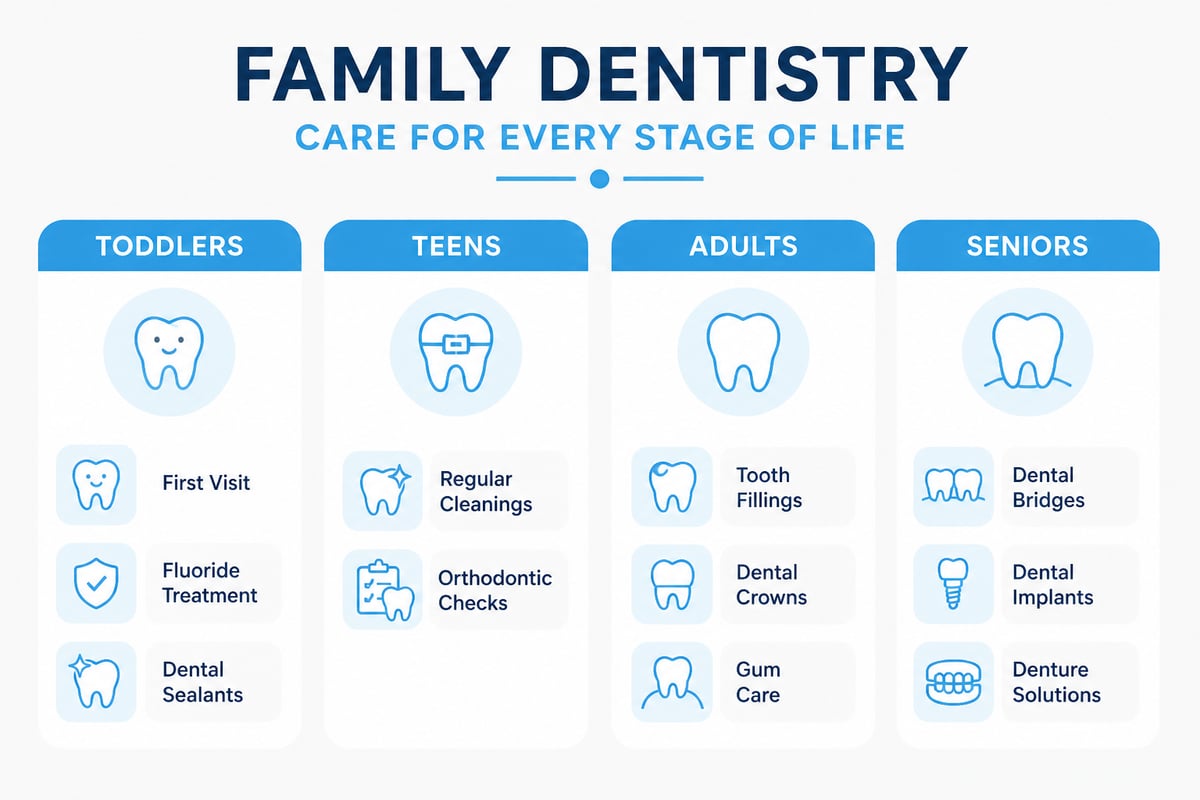
A family dentist is a general dentist who provides routine and restorative care for patients from toddlers to grandparents. The advantage is continuity: one team knows your family's history, your children's growth patterns, and your own long-term needs.
Typical services include:
- Cleanings, exams and digital X-rays
- Fluoride treatments and dental sealants
- Fillings, crowns and bridges
- Gum disease screening and treatment
- Tooth extractions and emergency care
- Referrals or in-house solutions for implants, orthodontics and cosmetic work
The scope of general dentistry is wider than many families expect. Dental Plus Clinic's overview of what types of treatments general dentists provide is a useful reference if you want to see where routine care ends and specialty care begins.
Why one office for the whole household helps
Scheduling is the first practical benefit. When a parent and two children can be seen on the same afternoon, the family avoids three separate trips and three separate sets of paperwork.
The second benefit is consistency. A dentist who has watched a child's teeth come in notices changes sooner, such as crowding, grinding or early decay. The same applies to adults, where subtle shifts in gum health or bite can signal problems long before they hurt.
How to Choose a Family Dentist in Converse: A Practical Checklist
The most reliable way to choose is to evaluate each office against the same short list of criteria. Use the checklist below when you call or visit.
- Confirm licensing. The Texas State Board of Dental Examiners regulates licensed dentists, dental hygienists, registered dental assistants and dental laboratories in Texas. Verifying that your dentist holds a current license takes a few minutes and is a sensible first step.
- Ask about age range. Confirm the office sees infants, school-age children, teens and adults.
- Ask whether treatment is done in house. Offices that handle crowns, bridges and implants themselves tend to move faster than those that outsource every step.
- Request cost information up front. Clear estimates before treatment protect your budget.
- Check insurance and payment options. Ask which plans are accepted and what happens if you are uninsured.
- Look at hours and access. Early, late or flexible appointments matter when two parents work.
- Read recent patient reviews. Focus on comments about comfort, clarity and wait times rather than star ratings alone.
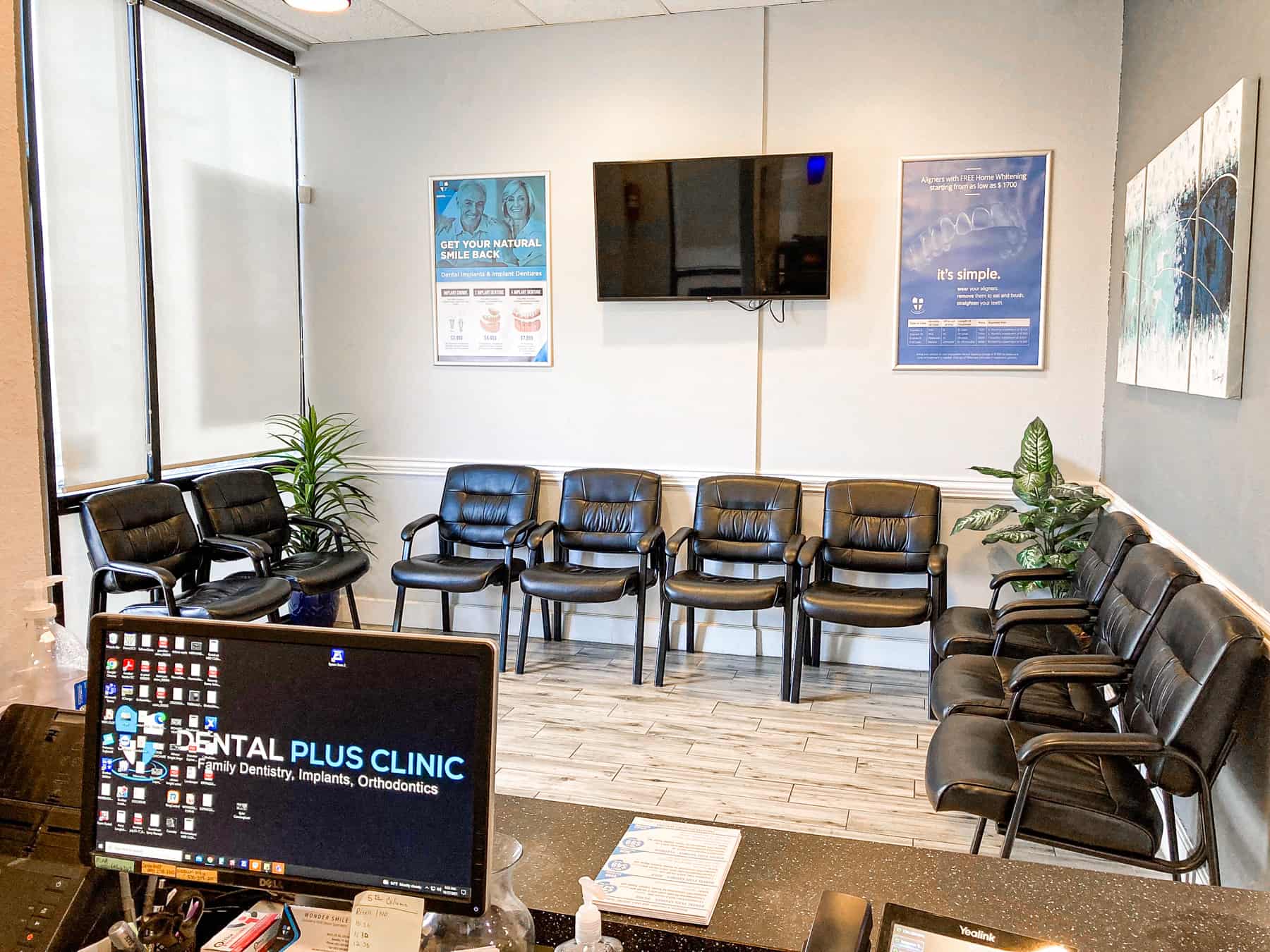
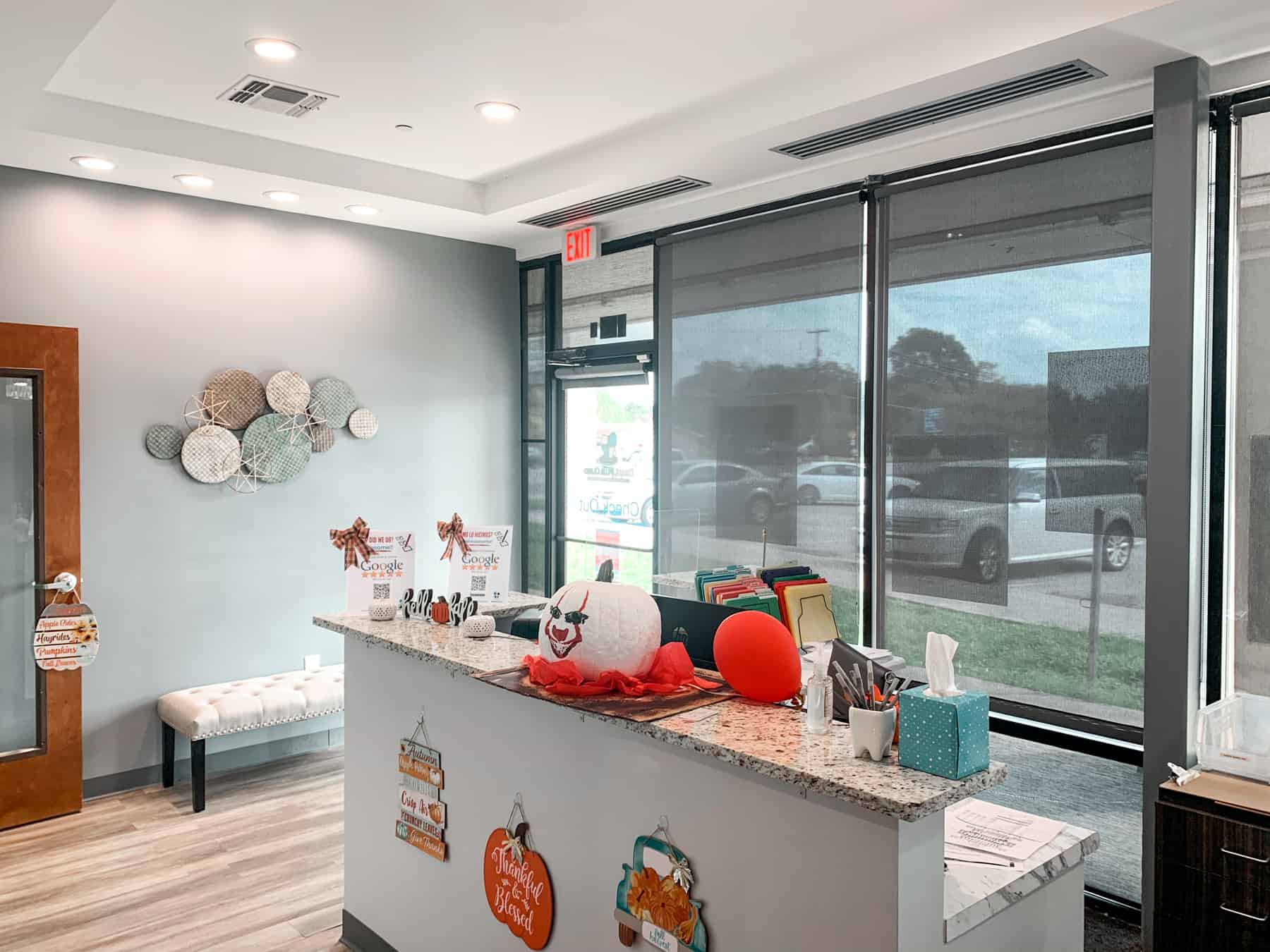
- Visit if you can. Cleanliness, friendly staff and an unhurried atmosphere tell you a great deal.
Questions worth asking on the first call
- Do you see children and adults in the same office?
- Can you provide a written estimate before any procedure?
- What is your approach to anxious patients?
- What happens if one of us has a dental emergency after a routine visit?
- Do I need a referral for fillings, extractions or implants?
That last question is worth asking directly. At Dental Plus Clinic, each office provides comprehensive treatment, so you do not need a referral to move from a checkup to the next step in your care.
Why Credentials and Continuing Education Matter
Credentials show that a dentist keeps learning after dental school, and that matters because techniques and materials change every year. Look for dentists who invest in ongoing training rather than relying on what they learned a decade ago.
One example: Dr. Tejash Patel of Dental Plus Clinic received the Kenneth D Rudd Award for earning more than 200 continuing education courses in one year. That kind of commitment to learning does not guarantee a better experience by itself, but it signals a practice that treats skill development seriously.
How to verify a dentist in Texas
State oversight gives patients a clear safety net. According to the TSBDE, it investigates complaints involving quality of care, sanitation, professional conduct, patient abandonment and compliance with its rules. The board does not accept anonymous complaints, so any report must be submitted through its complaint form. If you ever want to understand what happens after a complaint is filed, the board explains how it reviews complaints and decides whether it has jurisdiction.
You do not need to expect problems to benefit from this information. Knowing that a regulator exists, and that licensed dental professionals answer to it, is a quiet form of reassurance when you are choosing a provider for your children.
Caring for Kids: What to Expect From Pediatric Visits
A family dentist should make a child's first visits short, friendly and predictable. The goal is to build trust before any treatment is needed, so that future appointments feel routine.
Parents often ask when to start. The general guidance is to schedule a first visit by a child's first birthday or when the first tooth appears. For a deeper look at timing, see this guide on how often children should go to the dentist.
Prevention is where kids benefit most
Sealants, fluoride and consistent cleanings do much of the protective work. The American Academy of Pediatric Dentistry notes that children at high risk of cavities may need professional fluoride applications more frequently, for example every three months. A dentist who tailors the schedule to your child's risk, rather than applying one calendar to everyone, is paying attention to the right things.
Habits matter too. Thumb sucking, pacifier use and mouth breathing can affect how teeth and jaws develop. If these are concerns, read how pediatric dentistry can help with thumb sucking. For families who want a dedicated children's focus, Dental Plus Clinic also has a page on pediatric dentistry in Converse.
Helping an anxious child
Dental fear is common and usually fixable. These approaches tend to help:
- Book the first visit as a simple "meet the dentist" appointment
- Choose morning slots when children are rested
- Avoid describing the visit with words like "hurt" or "shot"
- Let the dental team explain each step in child-friendly language
- Praise cooperation rather than bravery
A relaxed office makes a real difference. Patient testimonials for Dental Plus Clinic describe a relaxed, comfortable experience, which is exactly what a nervous child and a nervous parent both need to hear.
Pain Points Converse Families Commonly Face
Most families do not choose a dentist from a list of features. They choose based on what has frustrated them before. Recognizing those frustrations makes it easier to ask the right questions.
| Common frustration | What to look for instead |
|---|---|
| Surprise bills after treatment | A written estimate shared before work begins |
| Being sent elsewhere for routine procedures | An office that provides comprehensive treatment on site |
| Long waits for crowns or bridges | In-house fabrication of crowns, bridges and implants |
| Rushed visits with no explanation | One-on-one attention and time to ask questions |
| Different offices for parents and kids | A single practice for every age |
| Difficulty getting urgent help | A dentist who handles emergencies |
Dental Plus Clinic addresses several of these directly. Pricing is shared ahead of treatment so there are no surprises, and crowns, bridges and implants are made in house, which can mean faster turnaround than outside lab work. Patient feedback also points to clear, upfront treatment costs.
Understanding Costs and Insurance Before You Book
The best way to avoid a billing surprise is to ask for a written treatment plan with costs before any procedure that is not a routine cleaning. This is a reasonable request, and a trustworthy office will welcome it.
Insurance questions to settle early
- Is the office in network with my plan, or will I be paying out of network?
- What does my plan cover for preventive visits, fillings and crowns?
- Are there annual maximums I should plan around?
- What options exist if I have no insurance?
Network status changes what you pay, sometimes significantly. Dental Plus Clinic explains the difference in its article on in-network vs. out-of-network dentists. If you want to start with your own benefits, the page on dentists that accept insurance in Converse is a good place to begin.
Budgeting for a family
A practical approach is to separate costs into three groups:
- Preventive care (cleanings, exams, X-rays): predictable and often well covered by insurance
- Restorative care (fillings, crowns): less predictable, so ask for estimates
- Elective care (whitening, cosmetic work): planned on your timeline
Preventive Care: The Habit That Saves Families Money
Regular preventive visits catch small problems while they are still inexpensive to fix. A cavity found at a six-month checkup typically needs a simple filling, while the same cavity ignored for two years can need a crown or root canal.
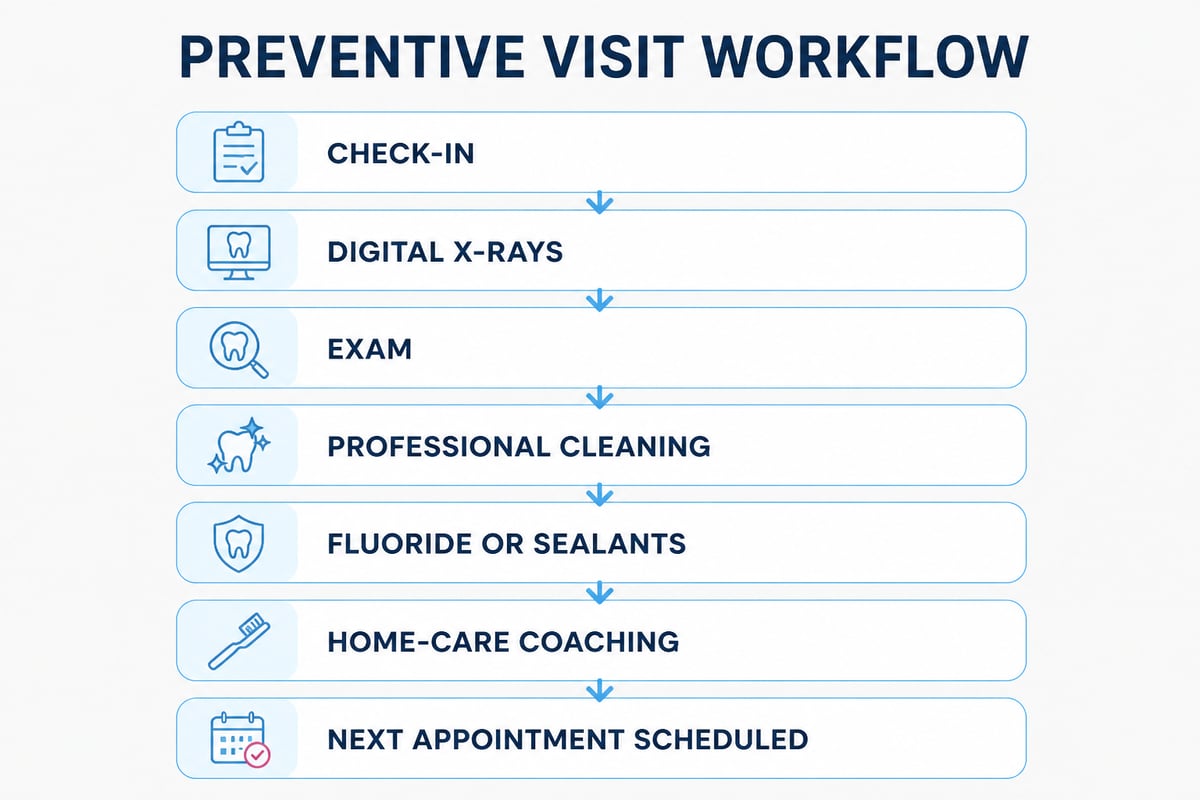
A standard preventive visit usually includes a professional cleaning, a dental exam, digital X-rays when appropriate, and a discussion of home care. Fluoride and sealants are added based on age and risk.
Dental Plus Clinic offers dental cleanings and exams covering routine cleanings, checkups, digital X-rays, fluoride and sealants to prevent cavities and gum disease. For families who want these visits to be the foundation of long-term oral health, that combination is the right starting point.
A realistic example
Consider a household with two parents and two children, ages 4 and 11. The younger child gets a fluoride application and a first look at the bite. The older child is evaluated for sealants on new molars. One parent has early gum inflammation caught during a cleaning, and the other has a small cavity found on an X-ray. All four needs are addressed in one coordinated plan, with costs explained beforehand. This kind of coordination is what a family dentist is for.
When Emergencies Happen: Why Your Dentist Should Be Ready
Dental emergencies rarely arrive at a convenient time, so it helps to know in advance who you will call. Chipped teeth, knocked-out teeth, severe toothaches and swelling all call for prompt attention.
Choose a family dentist who can see urgent cases rather than leaving you to sort it out alone. Knowing whether to head to a dental office or a hospital can also save time and money. Dental Plus Clinic explains this in its article on emergency dentist vs. ER, and you can read about emergency dental care in Converse if you want local details.
Quick guidance for common emergencies
- Knocked-out permanent tooth: Handle it by the crown, not the root. Rinse gently and call a dentist immediately.
- Severe toothache: Rinse with warm water, floss gently to remove debris, and call the same day.
- Cracked or chipped tooth: Save any pieces and call for an appointment.
- Facial swelling or fever: Seek care promptly, since these can indicate infection.
Beyond Checkups: Restorative and Cosmetic Options
A dentist who handles restorative and cosmetic needs in the same practice spares you from starting over with a stranger. Many adults begin with routine care and later want help with missing teeth, worn enamel or a smile they feel self-conscious about.
Restorative options include:
- Crowns and bridges to repair or replace damaged or missing teeth
- Dental implants for a permanent tooth replacement
- Fillings that match natural tooth color
Because crowns and bridges are made in house at Dental Plus Clinic, patients may get them faster, which can mean fewer weeks in a temporary restoration.
Cosmetic treatments such as whitening and smile makeovers are also part of full-service care. See what cosmetic dentistry can accomplish if you are curious about the options.
Comfort, Hygiene and Technology: What a Modern Office Looks Like
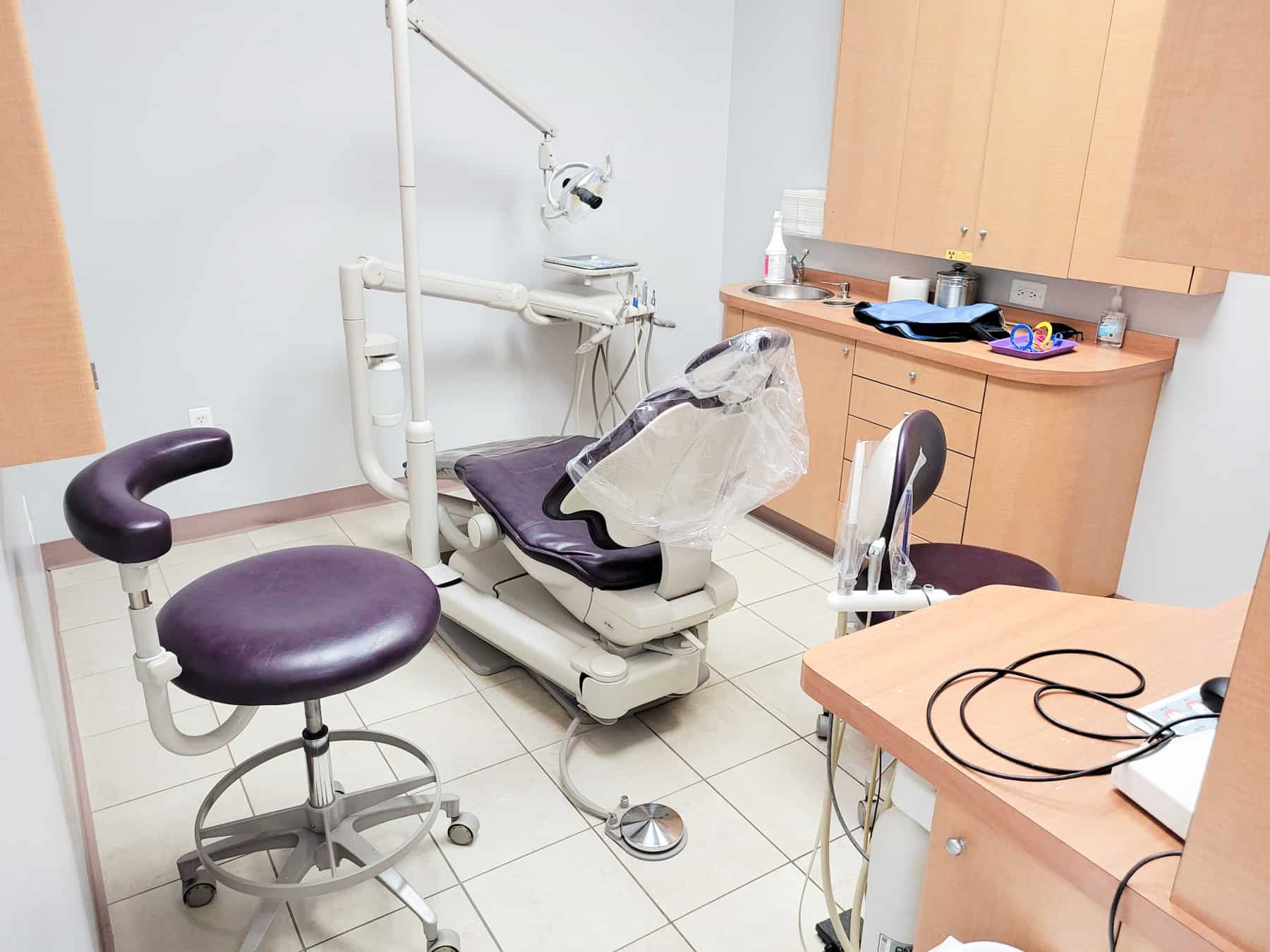
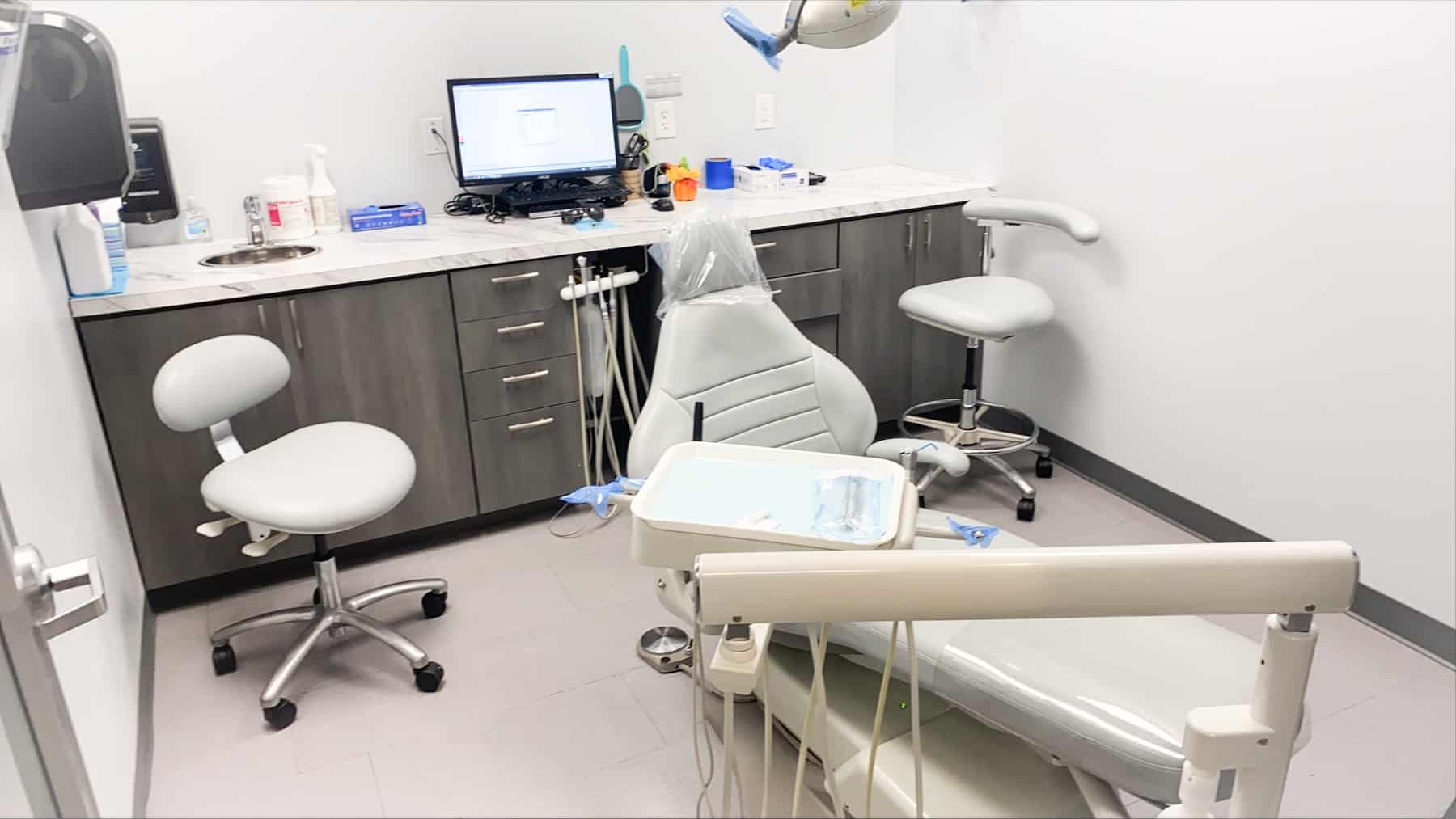
A modern family practice combines current technology with strict cleanliness and a calm environment. These three elements affect both your comfort and your safety.
Technology shortens appointments and improves accuracy. Digital X-rays, for example, provide immediate images and are a standard part of thorough exams. Dental Plus Clinic emphasizes modern technology in its care.
Hygiene is non-negotiable. Instruments should be sterilized between patients, surfaces disinfected, and protocols followed consistently. To understand why this matters, read about sterilization in dentistry.
Atmosphere shapes how patients feel about returning. One-on-one attention helps a dentist understand your needs rather than rushing through a template. Patients often say that feeling heard is the reason they stay with a practice.
What to notice during your first visit
- Does the team greet you and explain each step?
- Is the office clean and organized?
- Are questions welcomed rather than rushed?
- Do you leave knowing exactly what comes next?
Objections Families Raise, and Honest Answers
Hesitation before choosing a new dentist is normal. These are the objections that come up most often.
"I haven't been in years, and I'm embarrassed." A good dentist will not lecture you. The goal is a plan, not a judgment, and most patients are relieved after the first visit.
"I don't want to be pushed into expensive treatment." Ask for a written estimate and a priority list that separates urgent needs from optional ones. Clear pricing before treatment protects you.
"My kids hate the dentist." Look for a team that works gently with children and lets them become familiar with the office before any treatment.
"I'm happy with my current dentist." That is a good reason to stay. If you are weighing a change, this guide on when a person should switch dentists lists the signs worth taking seriously.
"I don't have time." Same-office care for the whole family, and offices that handle most treatment in house, cut the number of trips you make.
Choosing Close to Home: Why Location Still Matters
A convenient location makes it far more likely your family will keep up with visits. Many families already commute for work or school in the San Antonio area. An office you can reach easily from home, or on the way between school and work, removes a common reason for skipped appointments.
Dental Plus Clinic serves families across Texas with 5 locations in Beeville, Seguin, New Braunfels, Leander and Converse.
A note on seeking care outside your area
Families sometimes compare practices in other countries when researching what good family dentistry looks like. Practices in other countries, such as Richmond Smiles Dental in Victoria, Australia, follow a similar model of comprehensive care for patients of all ages. The shared principle is the same everywhere: one trusted team, preventive focus, and clear communication.
Your Next Step: Questions to Bring to a New Patient Visit
Arriving prepared makes your first appointment more productive. Bring the following:
- A list of everyone being seen and their dates of birth
- Insurance cards and any recent X-rays, if available
- A list of current medications and medical conditions
- Notes about any pain, sensitivity or concerns
- Questions about cost, scheduling and treatment options
Write down what matters most to your family, whether that is a gentle approach for a nervous child, a plan for missing teeth, or simply predictable pricing. Bringing it up early lets the dentist build a plan around your priorities rather than guessing.
Frequently Asked Questions About Choosing a Family Dentist in Converse
How often should my family see the dentist?
Most families benefit from a checkup and cleaning every six months. Your dentist may recommend more frequent visits for children or adults at higher risk of cavities or gum disease. For example, the AAPD notes that children at high risk may need fluoride applications as often as every three months.
At what age should my child first see a dentist?
The first visit should happen by a child's first birthday or when the first tooth erupts. Early visits are short and focus on getting comfortable, checking development and guiding parents on home care.
Do I need a referral to get a filling, crown or implant?
Not at Dental Plus Clinic. Each office provides comprehensive treatment, so you do not need a referral for common restorative procedures.
How do I know what treatment will cost?
Ask for a written estimate before you agree to any procedure. Dental Plus Clinic aims to share pricing ahead of treatment so there are no surprises.
What should I do in a dental emergency?
Call a dentist right away. For severe swelling, fever or trouble breathing, seek emergency medical care. Learn the difference in this guide to emergency dentists and ER visits.
How can I check that a dentist is properly licensed?
The Texas State Board of Dental Examiners regulates dentists, hygienists, dental assistants and dental laboratories in the state. You can confirm licensing through the board before you book.
Start by calling two or three offices this week and asking the questions from the checklist above, especially about referrals, in-house treatment and upfront pricing. If you want one team that treats every age, explains costs before work begins and makes appointments feel unhurried, Dental Plus Clinic is ready to help your household. Begin with a routine visit through Dental Cleanings and Exams, then book an appointment with Dental Plus Clinic to set up a time that fits your family's schedule.