

The best family dentist in Leander is a licensed general dentist who treats patients of every age, offers preventive and restorative care under one roof, explains costs before treatment, and is easy to reach when a problem cannot wait. If a practice meets those four standards, your household can stay with one team from a toddler's first checkup through adult crowns, implants, and beyond.
Choosing well matters more than it used to. Leander's population has grown quickly in recent years, according to U.S. Census Bureau QuickFacts. More families means busier offices, longer waits for appointments, and more reason to evaluate a practice carefully before you commit.
This guide walks through what a family dentist actually does, the credentials and questions that separate a strong practice from an average one, how to handle insurance and cost concerns, and how to prepare for your first visit.
What Does a Family Dentist in Leander Actually Do?
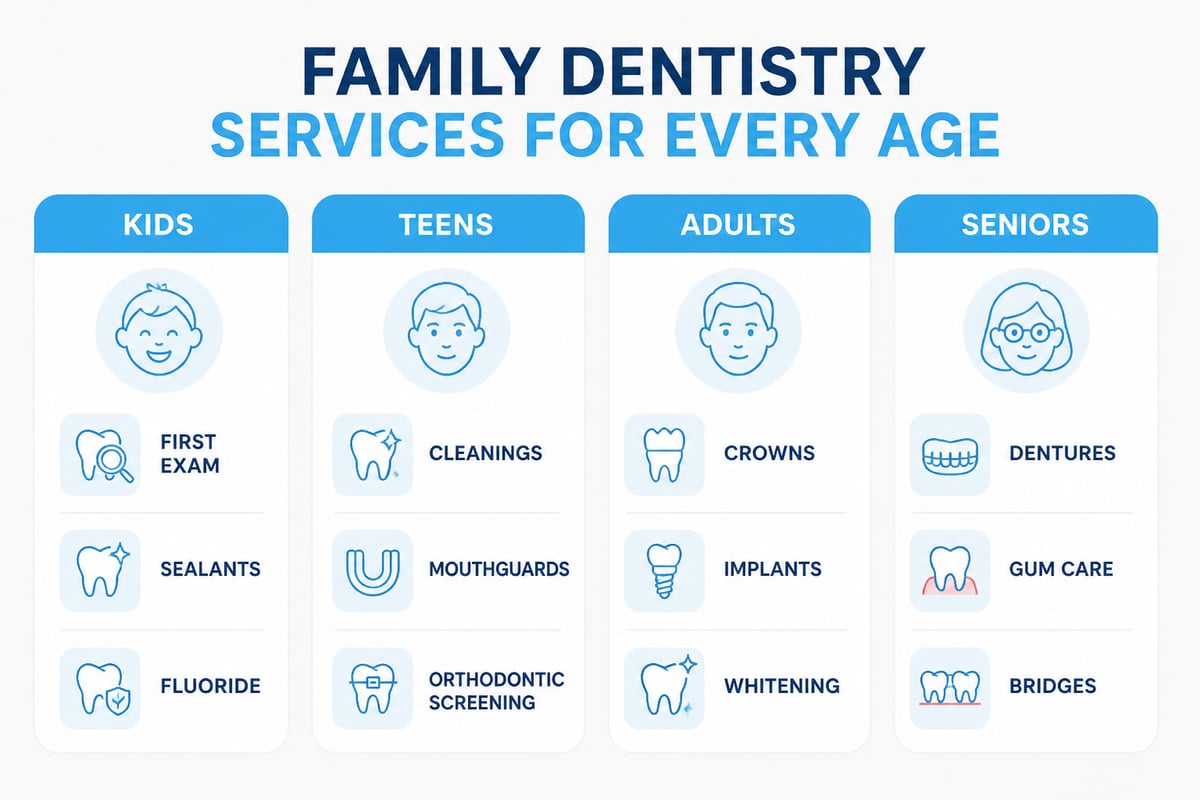
A family dentist is a general dentist who provides routine and restorative care for patients of all ages, so parents, children, and grandparents can be treated by the same practice. The scope is broad, and it is the main advantage over splitting your household among several specialists.
Typical services include:
- Preventive care: exams, cleanings, digital X-rays, fluoride treatments, and sealants
- Restorative care: fillings, crowns, bridges, root canals, and extractions
- Cosmetic care: whitening, bonding, veneers, and smile makeovers
- Replacement options: dentures and dental implants
- Urgent care: treatment for toothaches, chipped teeth, and lost fillings
For a closer look at the full range, see this overview of what types of treatments general dentists provide.
Why one practice for the whole household helps
Scheduling is the most immediate benefit. When a parent and two children can book back-to-back appointments, a morning off work covers three cleanings instead of three separate trips.
There is a clinical benefit too. A dentist who sees every family member notices patterns: shared habits like nighttime snacking, a family history of gum disease, or a child grinding teeth during the same stressful season a parent does. That context shapes better prevention advice.
The difference between a family dentist and a specialist
A family dentist handles most needs directly and refers out only for unusual cases. Specialists such as orthodontists, periodontists, and oral surgeons focus on a narrow field. Some family practices, including Dental Plus Clinic, provide comprehensive treatment at each office, which means you do not need a referral for many procedures that other offices send elsewhere.
Why Leander Families Should Be Selective
Leander's rapid growth means more dental offices are opening, but more options do not guarantee better care. Choosing deliberately protects your family from rushed visits, surprise bills, and the hassle of switching providers later.
Local parents commonly describe the same frustrations:
- Waiting weeks for a routine cleaning
- Learning the cost of a crown only after it is placed
- Being told a procedure requires a referral and another round of appointments
- Finding no one available when a child cracks a tooth on a Saturday
Each of these is a screening criterion. A practice that handles them well tends to handle everything else well.
The stakes are also clinical. Preventive measures such as dental sealants and fluoride help prevent cavities, which is why a dentist who emphasizes prevention for children can reduce the number of fillings your family needs over time.
7 Things to Look For in a Family Dentist in Leander
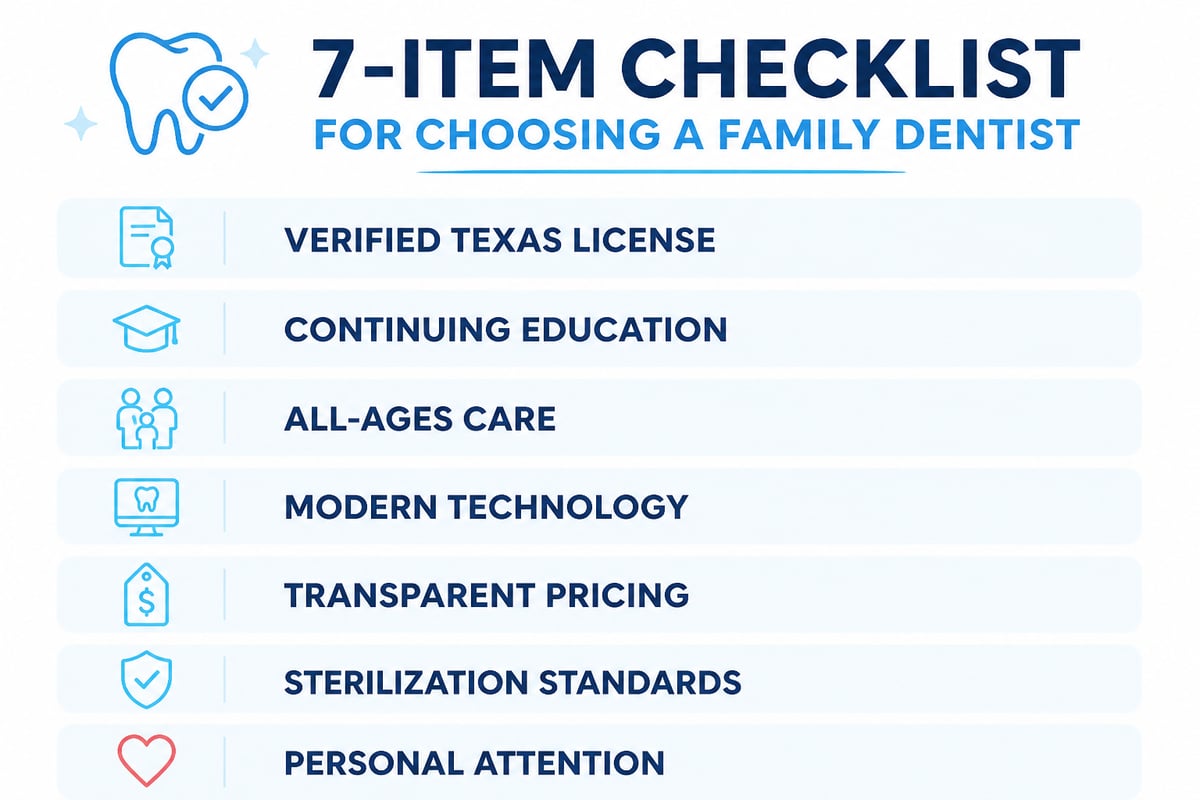
The strongest family dental practices share seven traits: verified licensure, all-ages experience, modern technology, transparent pricing, convenient access, a clean and calm environment, and a patient-first communication style. Use the list below as a checklist when you compare offices.
1. Verified licensure and a clean record
Confirm that any dentist you consider holds a current Texas license. The Texas State Board of Dental Examiners offers a public license search that lets consumers check current license status and view public board actions. It takes about two minutes and is the most objective starting point you have.
It also helps to understand how complaints work. The board states that it handles complaints involving licensed dentists and can investigate allegations about quality of care, sanitation, and professional conduct, but it does not handle fee disputes. That is another reason to settle pricing questions in writing before treatment begins.
2. Ongoing education and professional recognition
Dentistry changes quickly, and a dentist who invests in training brings newer techniques to your chair. At Dental Plus Clinic, Dr. Tejash Patel received the Kenneth D Rudd Award for earning more than 200 continuing education courses in one year. Ask any practice you consider how its dentists keep their skills current.
3. Comfortable with every age group
A family dentist should be patient with a nervous four-year-old and equally skilled with an adult who needs a crown. Ask how the practice handles a child's first visit, and whether the team explains procedures in terms kids understand. If your child has habits like thumb sucking, look for a practice that addresses them directly. This piece on whether pediatric dentistry can help with thumb sucking shows what that conversation should look like.
4. Modern technology
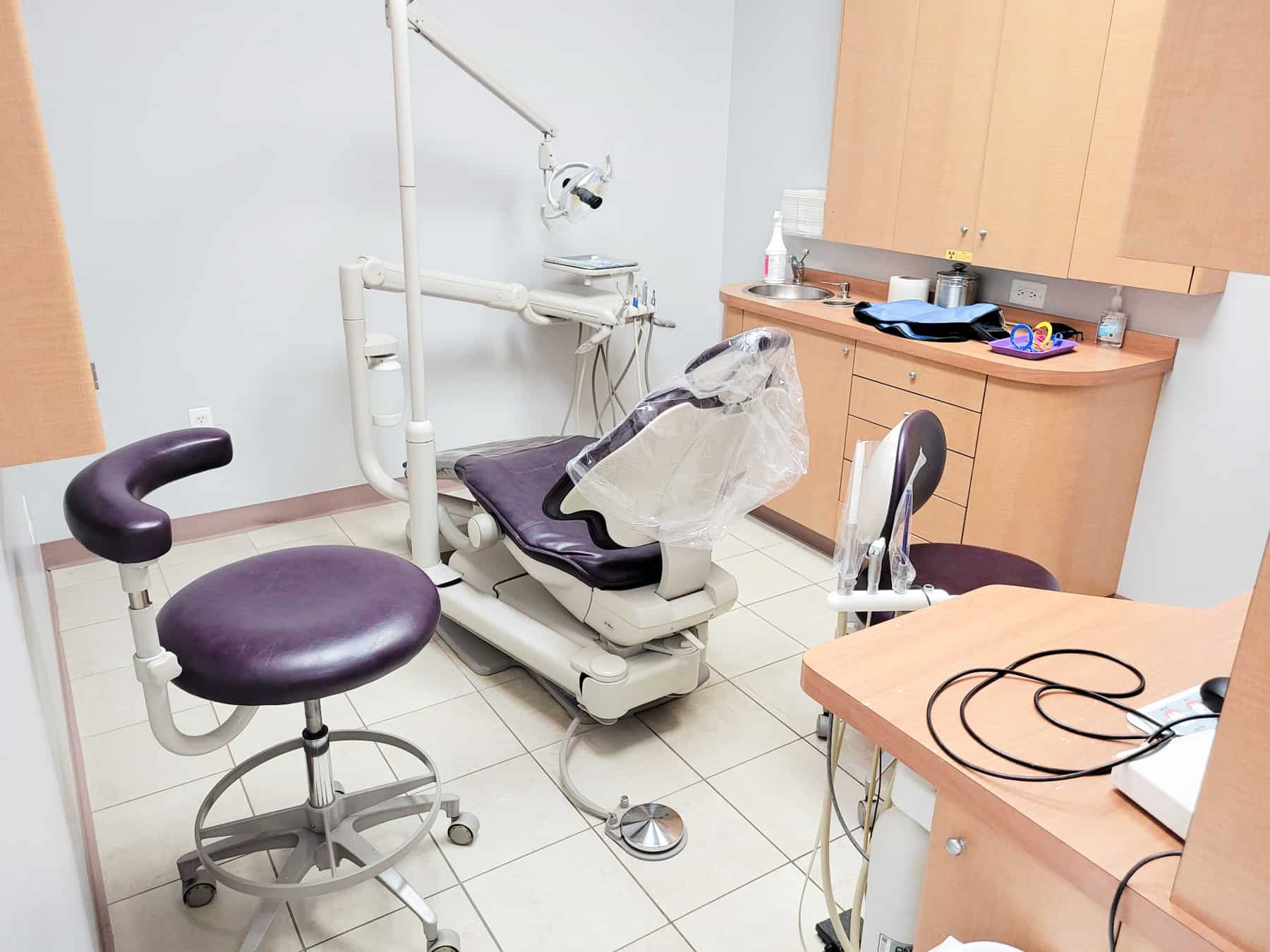
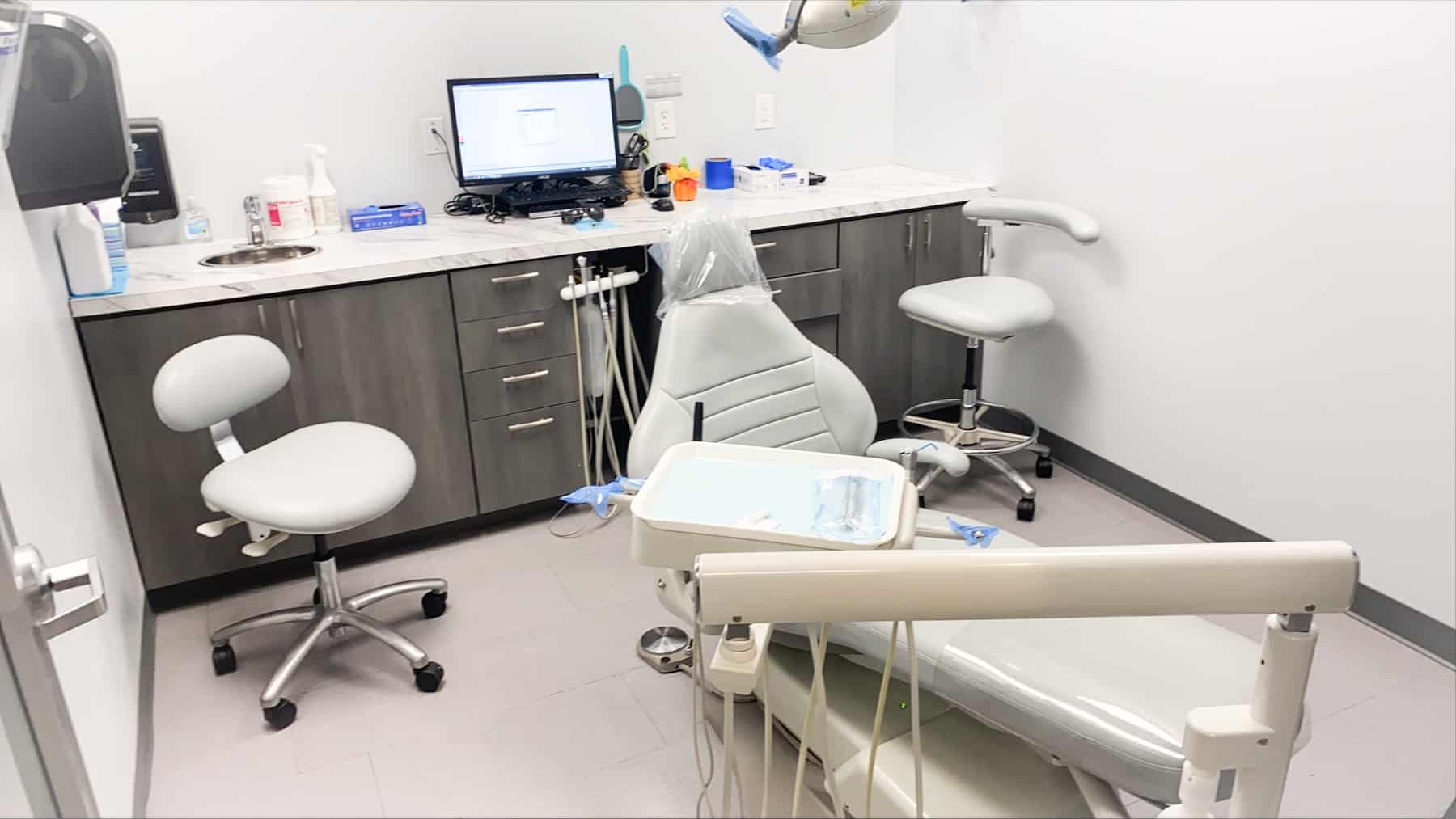
Digital X-rays, intraoral cameras, and in-house restoration capabilities shorten visits and improve accuracy. Dental Plus Clinic uses modern dental technology, and crowns, bridges, and implants are made in house, which can shorten the wait compared with offices that outsource lab work.
5. Transparent pricing
Ask whether the office shares costs before treatment. Dental Plus Clinic aims to share pricing ahead of treatment, and patient testimonials describe clear, upfront costs. For general context on what to expect, review this guide to dentist costs in Texas.
6. Hygiene and sterilization standards
A clean operatory is not optional. Learn why sterilization protocols matter in this explanation of sterilization in dentistry, then notice during your visit whether the office reflects those standards.
7. Personal attention
Patients remember how they were treated more than which machine was used. One-on-one attention, where the dentist takes time to understand your needs rather than rushing to the next room, is a differentiator worth prioritizing. Testimonials describing a relaxed, comfortable experience are a good sign.
How Do You Verify a Dentist Before Booking?
You can verify a dentist in three steps: check the license, read patient feedback, and call the office with specific questions. The whole process takes less than a day and prevents most mismatches.
- Search the license. Use the Texas State Board of Dental Examiners tool linked above to confirm active status and review any public board actions.
- Read patient testimonials. Look for repeated themes such as comfort, communication, and cost clarity rather than a single glowing or negative comment.
- Call the front desk. Ask the questions in the next section. How the team answers tells you a great deal about how the office runs.
If you are comparing several practices, this guide on when a person should switch dentists can help you decide whether your current provider still fits your family.
Questions to Ask on Your First Phone Call
A short, structured call reveals whether a practice is a fit before you spend an hour in a waiting room. Ask these questions and note whether the answers are specific or vague.
- Do you treat children, teens, and adults at the same location?
- Which services can be completed in your office without a referral?
- Do you provide a written cost estimate before treatment begins?
- Which insurance plans do you accept, and do you help with benefits questions?
- How do you handle dental emergencies, and what are your hours?
- What does a first visit for a new patient include?
A confident, friendly answer to each is a strong signal. Hesitation about pricing in particular deserves follow-up.
Pay attention to the way the answers are given as well as their content. A front desk that can name which procedures happen on site, such as crowns or implants, usually works from a clear process. A vague reply like "the doctor will let you know" about costs suggests estimates may arrive late. If you are booking for several people, ask whether back-to-back appointments are possible, since that detail shapes how easily the practice fits a busy household. Write down the answers so you can compare offices side by side.
Insurance, Cost, and the Objections That Delay Care
Cost and coverage are the two most common reasons families postpone dental visits, and both are easier to manage when you ask the right questions up front. The goal is to understand your plan, your out-of-pocket exposure, and your options before a procedure is scheduled.
What coverage rules apply to children
If your family buys coverage through the health insurance Marketplace, children get specific protection. HealthCare.gov states that Marketplace dental coverage must be available for children 18 and younger, either through a health plan or a separate dental plan. Adult dental coverage, however, is not an essential health benefit, so adults may need a separate plan. Confirm which applies to each person in your household.
In-network, out-of-network, and what they mean for you
Network status changes what you pay. This breakdown of in-network vs. If you want a Leander-specific starting point, see how a dentist that accepts insurance in Leander handles benefits and billing.
Common objections, answered
| Objection | A practical response |
|---|---|
| "I can't afford dental care right now." | Ask for a written estimate and discuss phased treatment. Delaying often raises costs. |
| "My kids hate the dentist." | Choose a practice with a gentle, educational approach and start with a simple visit. |
| "I don't have time." | Book family appointments back-to-back at one location. |
| "I haven't been in years and feel embarrassed." | A good dentist focuses on your next step, not on judging the past. |
| "I don't know if my insurance works there." | Call ahead and ask the office to verify benefits before you book. |
Many families also look for an affordable family dentist, and the most reliable way to evaluate affordability is transparent, upfront pricing rather than a low advertised price.
Caring for Kids: Starting Early and Staying Consistent
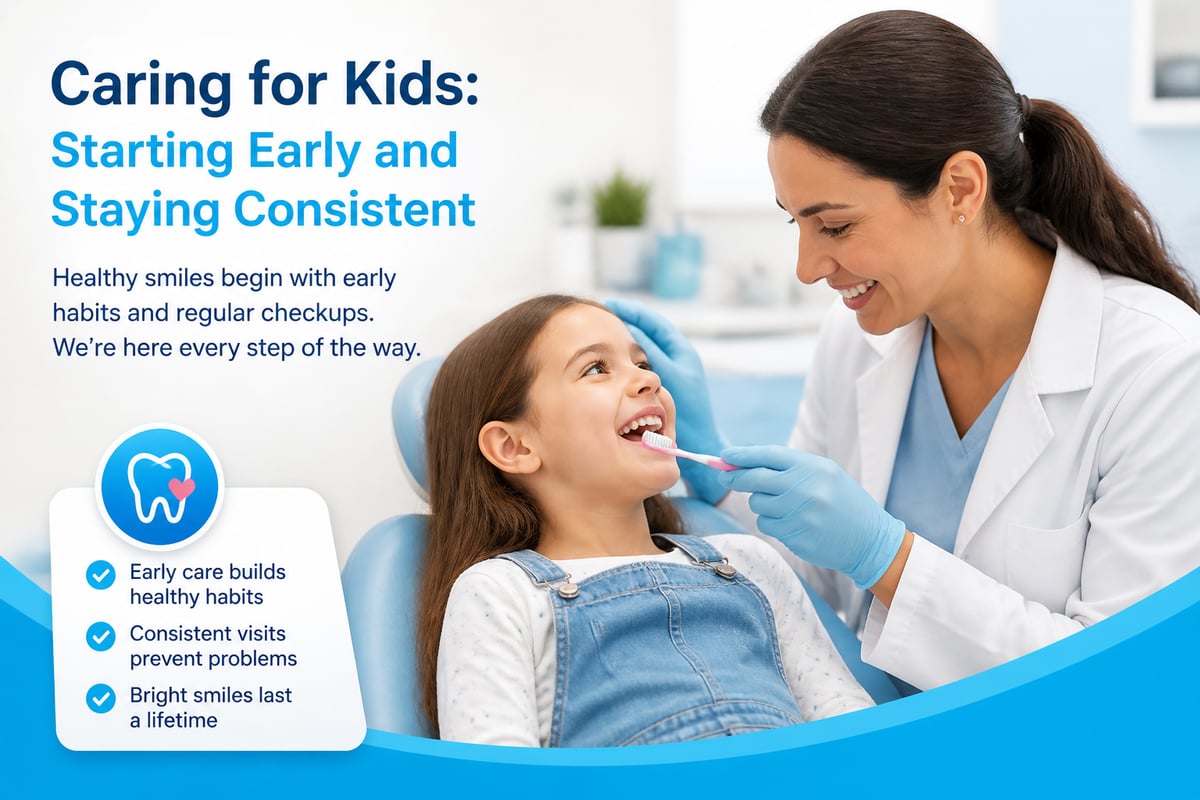
Children should see a dentist regularly from an early age, and a family practice makes it easy to keep every child on the same schedule. Early visits build comfort, and routine care catches small problems while they are still simple to fix.
For guidance on timing, read how often children should go to the dentist. If your child needs a more specialized approach, learn about pediatric dentistry in Texas, or explore options for a pediatric dentist in Leander if you want a children-focused visit.
A real-life scenario
Consider a Leander household with a six-year-old, a thirteen-year-old, and two working parents. The six-year-old needs sealants on new molars, the teenager needs a cleaning and a mouthguard for sports, and one parent has been ignoring a sensitive tooth for months. At a family practice, all of that is addressed in a single visit window, with one set of forms, one billing conversation, and one team who knows the family. At three separate offices, the same care could stretch across weeks.
Routine preventive care sits at the center of that plan. Dental Plus Clinic offers dental cleanings and exams that include checkups, digital X-rays, fluoride, and sealants to help prevent cavities and gum disease, which gives every family member a consistent baseline.
What About Dental Emergencies?
A good family dentist should have a clear plan for urgent problems, because pain and accidents rarely wait for a convenient appointment. Ask any practice how it handles same-day needs before you ever have one.
Signs that you should call a dentist promptly include:
- Severe or persistent toothache
- A knocked-out or cracked tooth
- Swelling in the face or gums
- A lost crown or filling with pain
- Bleeding that does not stop
Knowing the difference between a dental office and a hospital visit can save time and money. This comparison of an emergency dentist vs. the ER explains which situations call for each. Leander families can also review options for an emergency dentist in Leander so a plan is in place before a crisis.
A few steps taken before you reach the office can protect the tooth. If a tooth is knocked out, handle it by the crown rather than the root, and call the dentist immediately, since the first hour matters most. A cracked tooth or lost filling usually needs a restoration, which an office that makes crowns in house can often complete without sending work to an outside lab. Save the practice's phone number in every parent's phone, and ask whether the after-hours line reaches a person or a voicemail.
Beyond Checkups: Cosmetic and Restorative Needs
Many family dentists also help adults restore or improve their smiles, which means you do not have to start over with a new provider when your needs change. Whitening, bonding, veneers, and implants are often available from the same team that handles your cleanings.
The practical advantage is continuity. A dentist who has tracked your X-rays and gum health for years can judge whether a chipped front tooth needs simple bonding, whether an older filling should become a crown, or whether a missing molar is better served by an implant than a bridge. That history also helps when cosmetic goals and restorative needs overlap. Veneers, for example, work best on teeth that are structurally sound, so an exam comes before any cosmetic plan.
If you are weighing cosmetic options, these resources are useful starting points: what a cosmetic dentist can do, what to look for when choosing a cosmetic dentist, and an overview of cosmetic dentistry. For missing teeth, dental implants in Leander are a long-term replacement option. Because Dental Plus Clinic makes crowns, bridges, and implants in house, patients can often move from planning to placement faster.
How to Prepare for Your First Family Visit
A little preparation makes a first appointment smoother and more productive. Gather the basics before you go, and set expectations with your children.
Bring or have ready:
- Photo ID and insurance cards for each patient
- A list of current medications and any allergies
- Prior dental records or X-rays, if available
- A short list of concerns, such as sensitivity, bleeding gums, or jaw pain
For children: Describe the visit in positive, simple terms. Avoid words like "shot" or "drill," and let the team explain each step. A child who hears "the dentist will count your teeth and take pictures of them" usually arrives calmer than one who has been warned about discomfort. Parents can also role-play at home, taking turns opening wide while the other peeks inside with a flashlight.
For yourself: Be candid about gaps in care. The dental team is there to build a plan, not to assign blame. If you have gone years without a visit, say so plainly, since it helps the dentist decide whether to start with X-rays, a deep cleaning, or a treatment plan in phases.
Frequently Asked Questions
How do I choose a family dentist in Leander?
Verify the dentist's Texas license, confirm the practice treats all ages, ask about pricing and insurance, and check how emergencies are handled. A short phone call and a first visit will tell you whether the office feels right for your household.
What is the difference between a family dentist and a general dentist?
The terms overlap heavily. A general dentist treats adults, while a family dentist is a general dentist who also treats children and teens, so the whole household can share one practice.
How often should my family see the dentist?
Most families schedule a checkup and cleaning every six months, though your dentist may recommend a different interval based on your oral health. Children's schedules depend on age and cavity risk, so ask the dentist to set a plan for each child.
Do I need a referral for treatments like crowns or implants?
Not at every practice. At Dental Plus Clinic, each office provides comprehensive treatment, so you do not need a referral for services the clinic offers.
Will my dental insurance cover my children?
If you buy a Marketplace plan, HealthCare.gov notes that dental coverage must be available for children 18 and younger. Coverage details vary by plan, so ask the office to verify your benefits before treatment.
What should I do if my child has a dental emergency?
Call your dentist right away and describe the symptoms. For a knocked-out tooth, severe pain, or swelling, prompt care matters, so choose a practice that offers urgent appointments and keep its number saved on your phone.