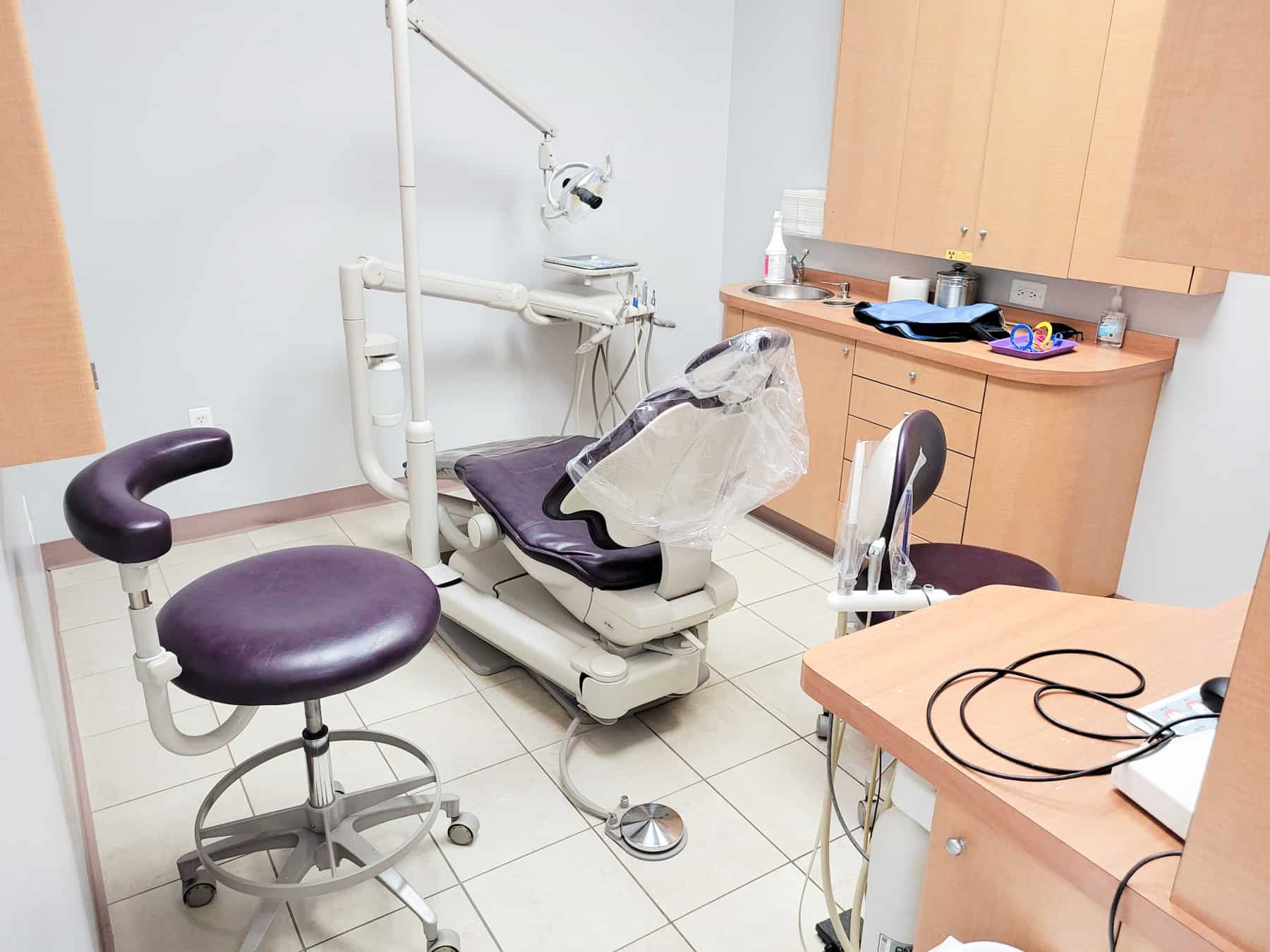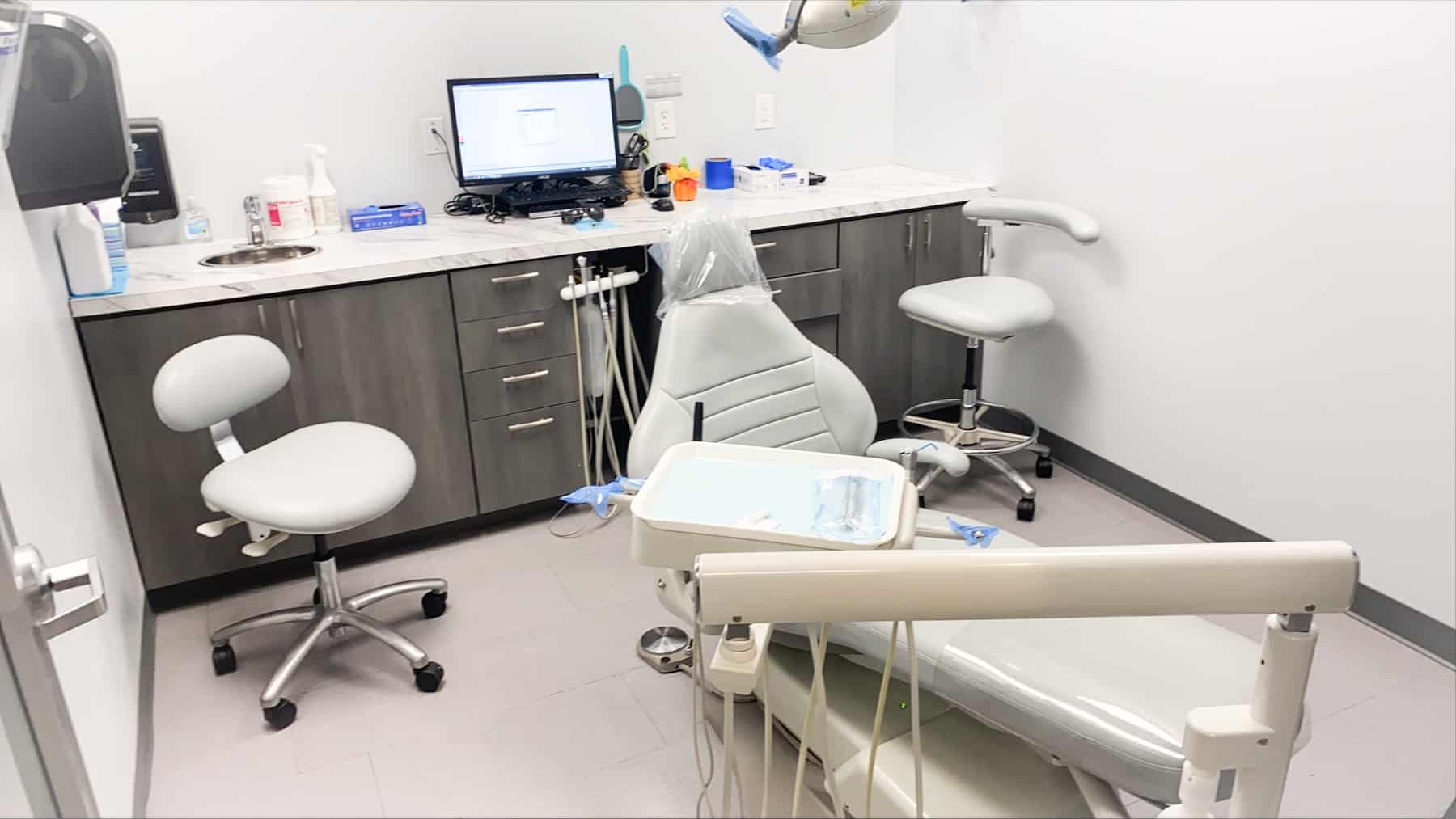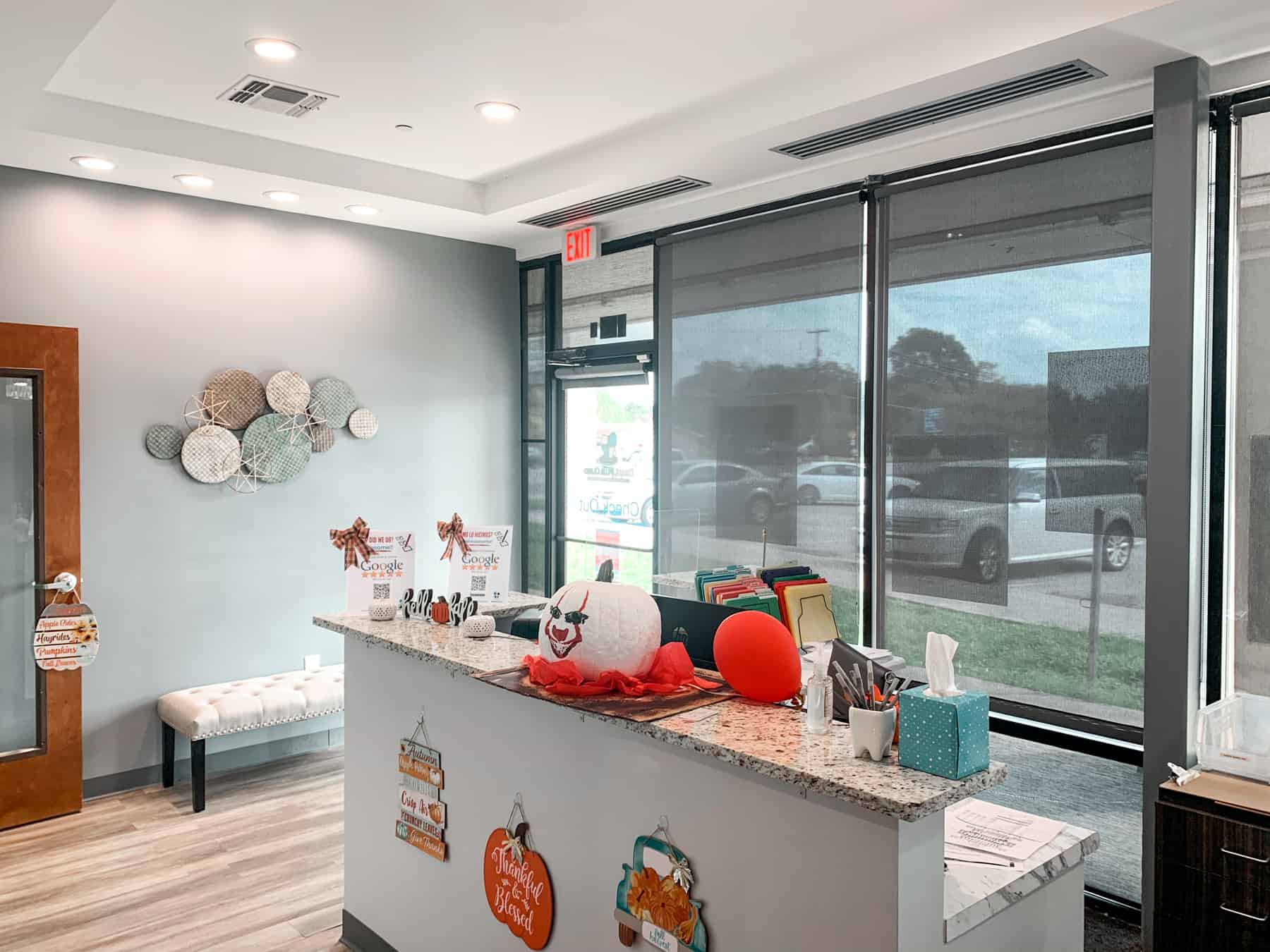

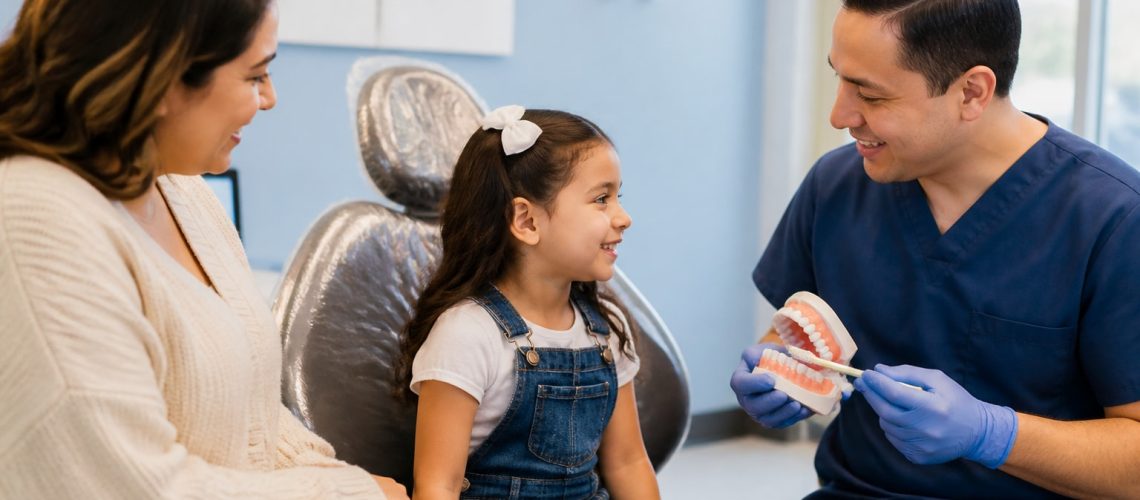
The best pediatric dentist in Beeville is one who has advanced training in child dental care, accepts your insurance, offers convenient hours, and makes your child feel safe from the first visit. Families in Bee County can compare these factors in a single phone call or office tour, and the sections below explain what to look for, what to ask, and how to avoid the problems that lead parents to switch providers later.
Choosing a dentist for a child is different from choosing one for yourself. Children need an office that handles small mouths, changing teeth, nervous behavior, and long-term habits such as thumb sucking or bottle use. Parents also need a practical partner who explains things clearly, respects their schedule, and keeps costs predictable.
Why a Child's Dentist Matters More Than Parents Expect
A child's dentist shapes how that child feels about dental care for decades, and early decay is far more common than many parents assume. The numbers make the case for starting well.
According to the CDC’s 2024 Oral Health Surveillance Report, about 11% of U.S. children aged 2 to 5 had at least one untreated cavity in their baby teeth, and among children aged 6 to 8 the figure was nearly 18%. The same report found that about 50% of children aged 6 to 9 had at least one decayed, filled, or missing primary or permanent tooth.
Those are national figures, but they describe a problem families in South Texas know well. A small cavity that goes unnoticed in a four-year-old can grow into pain, missed school days, and a stressful emergency visit.
Baby teeth also matter more than their short lifespan suggests. They hold space for permanent teeth, support speech development, and allow a child to chew comfortably. Losing one early to decay can shift the teeth around it and complicate orthodontic care later.
The right dentist catches problems while they are small, teaches your child good habits, and builds trust that makes every later visit easier.
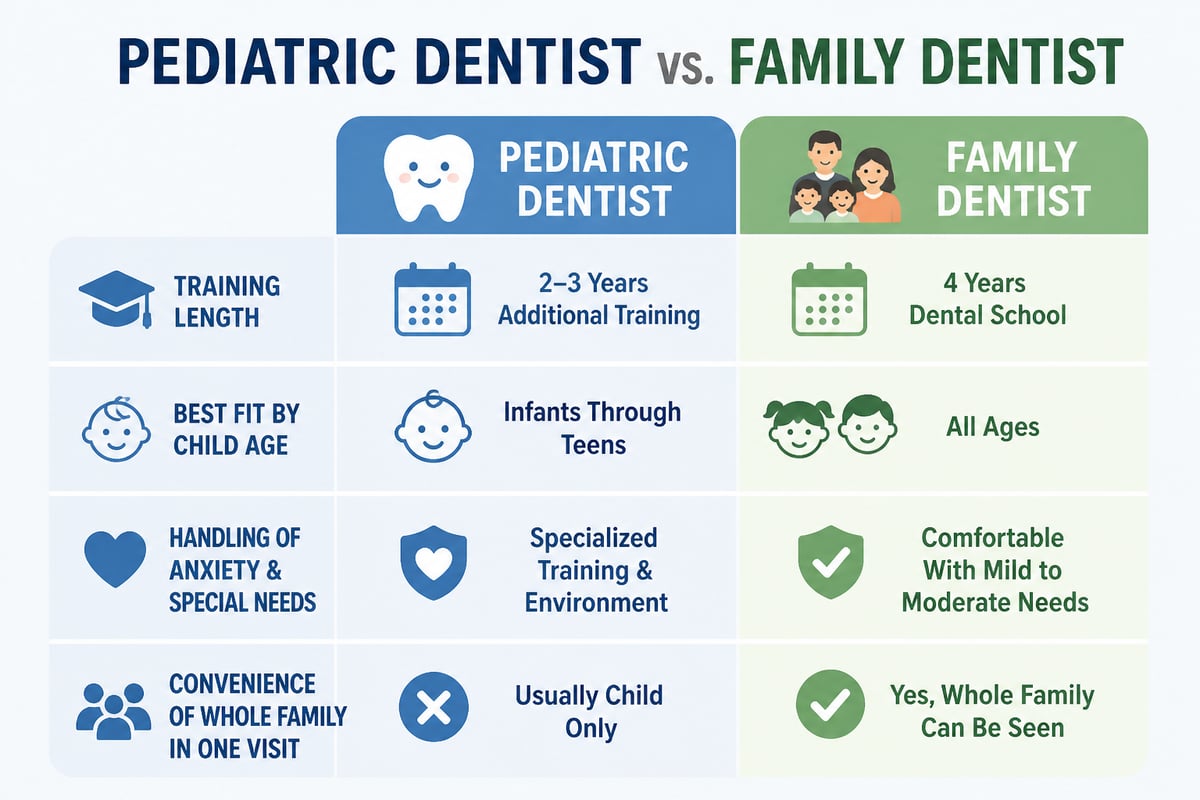
Pediatric Dentist vs. Family Dentist: Which Is Right for Your Child?
Both can provide excellent care, and the better choice depends on your child's age, health, and temperament. A pediatric dentist completes additional advanced training focused on infants, children, and teens, including children with special health care needs. A family dentist treats patients of all ages and often sees several family members in one trip.
Consider a pediatric-focused provider if your child:
- Is under age three or has never had a dental visit
- Has anxiety about medical or dental settings
- Has special health care needs or sensory sensitivities
- Has a history of early cavities or enamel concerns
- Needs guidance on habits such as thumb sucking or pacifier use
A family dentist can be a strong fit if your child has healthy teeth, is comfortable in new settings, and your household benefits from one location and one set of appointments. Many families prefer this approach because parents and children can be seen back to back, which is a real advantage for working parents in a smaller community.
Dental Plus Clinic serves patients of all ages across five Texas locations, including Beeville, and its pediatric dentistry services are designed to make children comfortable while keeping care convenient for the whole family. If you are comparing options in other cities, the clinic also has pages for a pediatric dentist in Leander, Seguin, New Braunfels, and Converse.
What to Look for in a Pediatric Dentist in Beeville
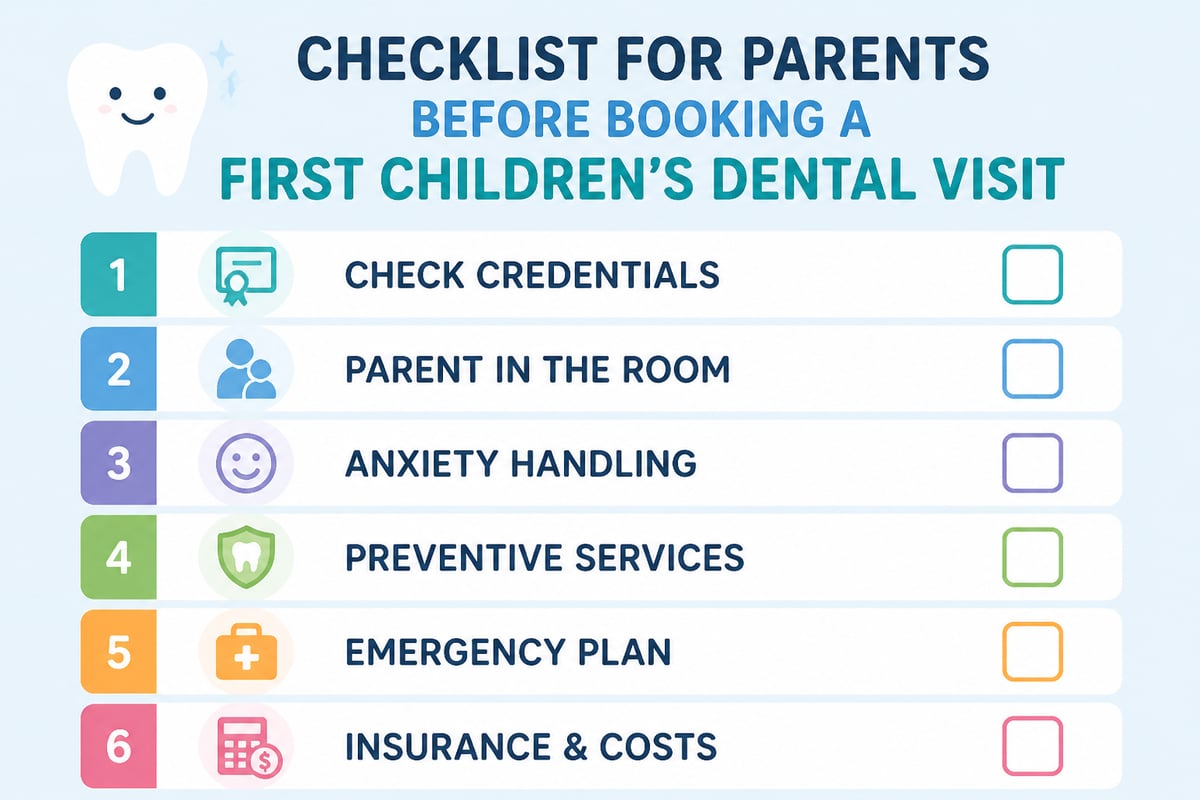
A good pediatric dentist in Beeville combines verifiable credentials, a child-friendly office, clear communication, and a prevention-first approach to care. Use the checklist below when you compare practices.
Credentials and Training
Ask about the dentist's education, any pediatric residency, and professional memberships. Dentists who follow the American Academy of Pediatric Dentistry (AAPD) guidelines base their recommendations on current clinical evidence. Those guidelines cover how often children should have preventive visits, how fluoride is chosen based on cavity risk, and how sealants are assessed and maintained, which you can review in the AAPD periodicity and preventive care recommendations.
A Prevention-First Philosophy
The strongest practices focus on keeping teeth healthy rather than only repairing damage. Look for routine cleanings, fluoride treatments, sealants, and parent coaching on brushing and diet. The CDC reports that fluoride varnish reduces cavities in primary teeth by about one-third, which is a meaningful benefit for a quick, painless application.
Office Environment and Cleanliness
Children notice everything. A bright, uncluttered space with age-appropriate touches helps them relax. Equally important is what you cannot see. Ask how instruments are cleaned and sterilized. Understanding why sterilization in dentistry matters helps you judge whether an office takes infection control seriously.
Communication Style
Pay attention to how the team speaks to your child. A skilled provider explains what is happening in simple, honest language, avoids words that frighten children, and invites questions from you without rushing.
Convenience for Bee County Families
Many families in Beeville, Pettus, Skidmore, Tynan, and Mathis travel to appointments around work and school. Evening or early hours, easy parking, and online or phone scheduling can decide whether your child actually makes every six-month visit.
Questions to Ask Before You Book
Asking a few direct questions before your first appointment tells you more than any website can. Bring this list to your first phone call:
- At what age do you recommend the first visit, and what happens during it?
- Do you have advanced training in treating children?
- How do you help anxious or very young patients feel comfortable?
- Can a parent stay in the room during the exam and treatment?
- Which preventive services do you offer, such as fluoride and sealants?
- What options exist if my child needs a filling or has special health care needs?
- How do you handle dental emergencies after hours?
- Do you accept my insurance, and what will I owe out of pocket?
Pay attention to the tone as much as the answers. A front desk team that answers patiently on the phone is usually a team that treats children patiently in the chair.
When to Schedule Your Child's First Dental Visit
Schedule the first visit by your child's first birthday or within six months of the first tooth appearing. This timeline is consistent with long-standing pediatric dental guidance, and it surprises many parents who assume dental care can wait until school age.
An early visit is short and gentle. The dentist checks the teeth and gums, looks at the bite and jaw development, and talks with you about:
- Bottle and sippy cup habits that contribute to decay
- Pacifier and thumb-sucking patterns
- Teething comfort
- Brushing technique and the right amount of fluoride toothpaste
- Diet and snacking
Thumb sucking is one of the most common concerns parents raise. If your child is still sucking a thumb past the toddler years, it helps to understand how pediatric dentistry can help with thumb sucking before it affects tooth alignment.
Waiting until a problem appears is the most expensive and stressful way to meet a dentist. A child who first sits in the chair while in pain will associate dental care with discomfort. A child who first visits as a healthy toddler learns that it is simply a routine part of life.
How to Handle Dental Anxiety in Children
Dental anxiety in children is common, manageable, and mostly preventable with the right preparation and the right provider. Fear usually comes from the unknown, from a past painful experience, or from picking up a parent's own nervousness.
Parents can help in several ways:
- Stay calm and positive. Children read your expression and tone. Avoid saying words like "pain," "needle," or "it won't hurt."
- Book morning appointments. Young children are usually calmer and more cooperative earlier in the day.
- Read a children's book about dentist visits a few days before.
- Practice at home. Let your child open wide while you count their teeth.
- Never use the dentist as a threat. Statements like "If you don't brush, the dentist will fix it" create fear.
A good pediatric office also uses proven behavior guidance techniques, such as explaining each step, showing instruments before use, and giving the child small choices. Ask about these methods during your call. If your child has intense anxiety or complex needs, ask whether additional comfort options are available and what the dentist recommends for their age.
Insurance, Costs, and Payment Options in Beeville
The most practical way to avoid surprise bills is to confirm coverage and estimated costs before the appointment. Cost concerns are one of the biggest reasons families delay children's dental visits, so it is worth addressing directly.
Start with these steps:
- Call the office and provide your plan name and member ID.
- Ask whether the practice is in-network, since out-of-network visits often cost more. If the difference is unclear, this explanation of in-network vs. out-of-network dentists is a useful reference.
- Ask for a written estimate for any treatment beyond a routine exam and cleaning.
- Ask about payment plans or in-house savings options if you are uninsured.
- Check whether your child qualifies for Medicaid or CHIP, and ask whether the office participates.
Many Beeville families are looking for a provider that works with their coverage. Dental Plus Clinic maintains a page for a dentist that accepts insurance in Beeville, and the Beeville location offers a dental savings plan for patients without coverage.
Preventive care is almost always the most affordable path. Cleanings, fluoride, and sealants cost far less than fillings, crowns, or emergency treatment. Delaying a routine visit to save money often leads to a larger bill later.
Common Concerns Parents Have and How to Overcome Them
Most hesitation about choosing a children's dentist comes down to a handful of understandable worries. Here is how to address each one.
"My child's baby teeth will fall out anyway."
Baby teeth guide permanent teeth into position and affect chewing and speech. Untreated decay can spread, cause infection, and damage the developing tooth underneath. Treating baby teeth is not optional care.
"My child cried at the last dentist."
One difficult visit does not define your child's relationship with dental care. A new office with a gentler approach, a shorter first appointment, and a parent present can change the experience entirely. Consider a "happy visit" where your child simply meets the team and sits in the chair.
"I can't afford extra appointments."
Preventive visits typically cost much less than treating advanced decay. Ask about savings plans, insurance benefits, and payment options before assuming care is out of reach.
"The nearest office is too far."
Distance matters, but so does fit. A practice 20 minutes away that your child trusts and that offers flexible scheduling may serve you better than a closer one that leads to missed visits.
"Is my child getting enough care?"
The CDC’s health equity resources discuss how oral health outcomes and access to preventive care differ across income and demographic groups. Choosing a consistent provider and keeping regular checkups is one of the most effective ways to close that gap for your own child.
Preventive Care Your Child Should Receive
Every child should receive a core set of preventive services tailored to their cavity risk. Knowing what to expect helps you judge whether a practice is delivering complete care.
| Service | What It Does | Typical Timing |
|---|---|---|
| Exam and cleaning | Removes plaque and checks for early decay | Usually every six months, or as advised |
| Fluoride varnish | Strengthens enamel and reduces cavities | Based on cavity risk |
| Dental sealants | Seals deep grooves on back teeth | After permanent molars erupt |
| X-rays | Detects problems between teeth | Based on risk and age |
| Habit and diet counseling | Reduces sugar exposure and harmful habits | Every visit |
Sealants deserve special attention. The back molars have deep pits that toothbrush bristles cannot reach, and a thin protective coating can shield them through the cavity-prone years. The AAPD recommends that sealants be assessed and maintained over time, so ask whether your dentist checks them at each visit.
Home care matters just as much as office care. A reliable routine includes:
- Brushing twice daily with a smear of fluoride toothpaste for toddlers and a pea-sized amount for ages three to six
- Helping your child brush until they can tie their own shoes
- Flossing once teeth begin touching
- Limiting juice, sticky snacks, and frequent sipping of sugary drinks
- Offering water between meals
What a Dental Emergency Looks Like for Kids
Knowing what to do in the first few minutes of a children's dental emergency protects the tooth and your child's comfort. Active kids in Beeville playing sports, riding bikes, or climbing playground equipment are especially prone to injuries.
Common emergencies include:
- Knocked-out permanent tooth: Pick it up by the crown, not the root, rinse gently, and try to reinsert it. If you cannot, store it in milk and seek care immediately. Time matters.
- Knocked-out baby tooth: Do not reinsert it. Call the dentist for guidance.
- Chipped or broken tooth: Rinse with water, save any fragments, and call the office.
- Severe toothache: Rinse with warm water, floss gently to remove trapped food, and avoid placing aspirin on the gums.
- Swelling of the face or gums: This may signal infection and needs prompt attention.
Before you need one, ask any prospective dentist how they handle urgent situations and whether same-day appointments are possible. Dental Plus Clinic offers emergency dentist services in Beeville, so families can keep the same trusted provider for both routine and urgent care.
Red Flags to Watch For When Comparing Offices
A few warning signs suggest an office may not be the right match, even if it looks good on paper. Trust your observations during the first call and first visit.
- The team seems rushed or dismissive of your questions
- Treatment is recommended without a clear explanation
- You are not allowed to stay with your young child
- Costs are vague, or estimates are unavailable
- The office appears disorganized or unclean
- Your child is pressured or scolded when afraid
- Follow-up and reminder systems are unreliable
Green flags are equally easy to spot. Staff greet your child by name, the dentist speaks at eye level, and you leave knowing exactly what was done and what comes next.
Building a Long-Term Dental Home for Your Family
A dental home is a consistent provider who knows your child's history, growth, and habits, and that continuity is one of the most valuable things you can give your child's oral health. When one team follows a child from the first tooth through the teen years, they notice changes early, remember what worked during anxious moments, and coordinate care smoothly.
For many families, a single clinic for everyone is the simplest solution. A parent can book a cleaning while a child sees the dentist, and later, teens can move into services such as Invisalign without changing offices or repeating paperwork. Dental Plus Clinic's Beeville location brings general, preventive, cosmetic, and emergency care under one roof, with additional clinics in Seguin, New Braunfels, Leander, and Converse for families who move or travel.
Healthy habits at home also support what happens in the chair. Families who prioritize wellbeing in other areas of life, from skincare routines to stress management, often find that oral health fits naturally into the same mindset. Resources such as Zen with Zur discuss how burnout and perfectionism affect busy parents, which is a useful reminder that a calm, realistic routine beats an overwhelming one.
Frequently Asked Questions
How do I find a good pediatric dentist in Beeville?
Look for a provider with advanced training in child dental care, clear communication, and convenient scheduling. Confirm insurance acceptance, ask about emergency care, and visit or call the office before booking. Reading how the team responds on the phone gives you an early read on how they will treat your child.
At what age should my child first see a dentist?
Schedule the first visit by the first birthday or within six months after the first tooth appears. Early visits are short, build comfort, and let the dentist guide you on feeding, brushing, and habits before problems develop.
How often should my child have dental checkups?
Most children benefit from a checkup and cleaning every six months, though the right schedule depends on individual risk. Children at higher risk of cavities may need more frequent visits, and the dentist will tailor the schedule to your child's needs.
Are dental sealants worth it for kids?
Sealants protect the deep grooves of back molars, where most childhood cavities begin. They are quick, painless, and cost-effective compared with treating decay, and they should be checked at each visit to make sure they remain intact.
What if my child is afraid of the dentist?
Choose an office that uses gentle, step-by-step explanations, allows a parent to stay nearby, and offers a short introductory visit. Stay calm yourself, avoid frightening language, and practice open-mouth exams at home.
Does insurance cover pediatric dental visits?
Most plans cover preventive services such as exams, cleanings, and X-rays, often at little or no cost. Coverage for fillings and other treatment varies, so call your insurer and the office before the appointment to confirm your benefits.
What should I do if my child chips or knocks out a tooth?
Stay calm, rinse the mouth, save any fragments or the tooth, and call a dentist right away. A knocked-out permanent tooth can often be saved if treated within the first hour, while baby teeth should not be reinserted.
Can one dental office treat my whole family?
Yes. Many families prefer a clinic that serves children, parents, and teens together, which simplifies scheduling and keeps records in one place. It also makes it easier to move from children's care to services such as orthodontics later.
Your next step is simple: call the office you are considering, ask the questions from the checklist above, and book a first visit so your child can meet the team before any problem arises. If you want a Beeville provider that cares for children, parents, and teens in one comfortable setting, Dental Plus Clinic is ready to help you schedule a visit, review your insurance options, and build a plan that keeps your child's smile healthy for years to come.