
Finding the right pediatric dentist in Leander for your child represents one of the most important healthcare decisions you'll make as a parent. Children's oral health needs differ significantly from adults, requiring specialized training, child-friendly environments, and unique approaches to dental care. Leander families deserve access to quality pediatric dental services that combine clinical excellence with compassionate, age-appropriate care. With the community's rapid growth and increasing number of young families, understanding what makes exceptional pediatric dentistry has never been more essential for parents navigating their children's dental health journey.
Why Specialized Pediatric Dental Care Matters for Leander Families
Pediatric dentistry extends far beyond simply treating smaller teeth. Children experience continuous oral development from infancy through adolescence, requiring dentists who understand growth patterns, developmental milestones, and age-specific conditions.
Unique Training and Expertise
Pediatric dentists complete two to three additional years of specialized training after dental school. This advanced education focuses on child psychology, growth and development, special needs dentistry, and managing dental anxiety in young patients.
Key areas of pediatric dental specialization include:
- Eruption patterns and primary tooth development
- Managing thumb-sucking and pacifier habits
- Early orthodontic assessment and intervention
- Trauma management for knocked-out or damaged teeth
- Special care for children with developmental disabilities
Research from the American Academy of Pediatric Dentistry’s behavior guidance policies demonstrates that specialized training directly impacts treatment outcomes and patient cooperation. Children treated by pediatric specialists show lower anxiety levels and better long-term oral health habits.
Building Positive Dental Experiences Early
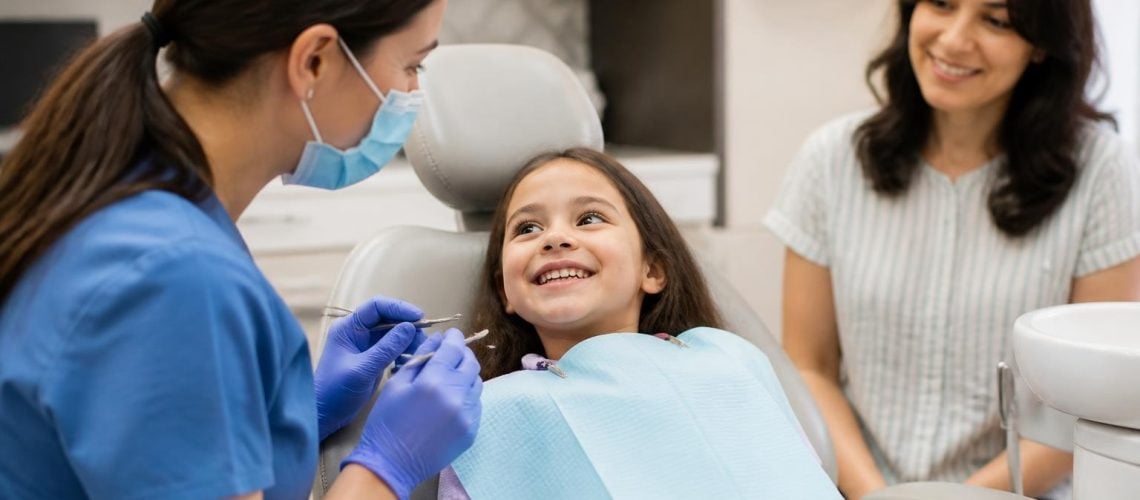
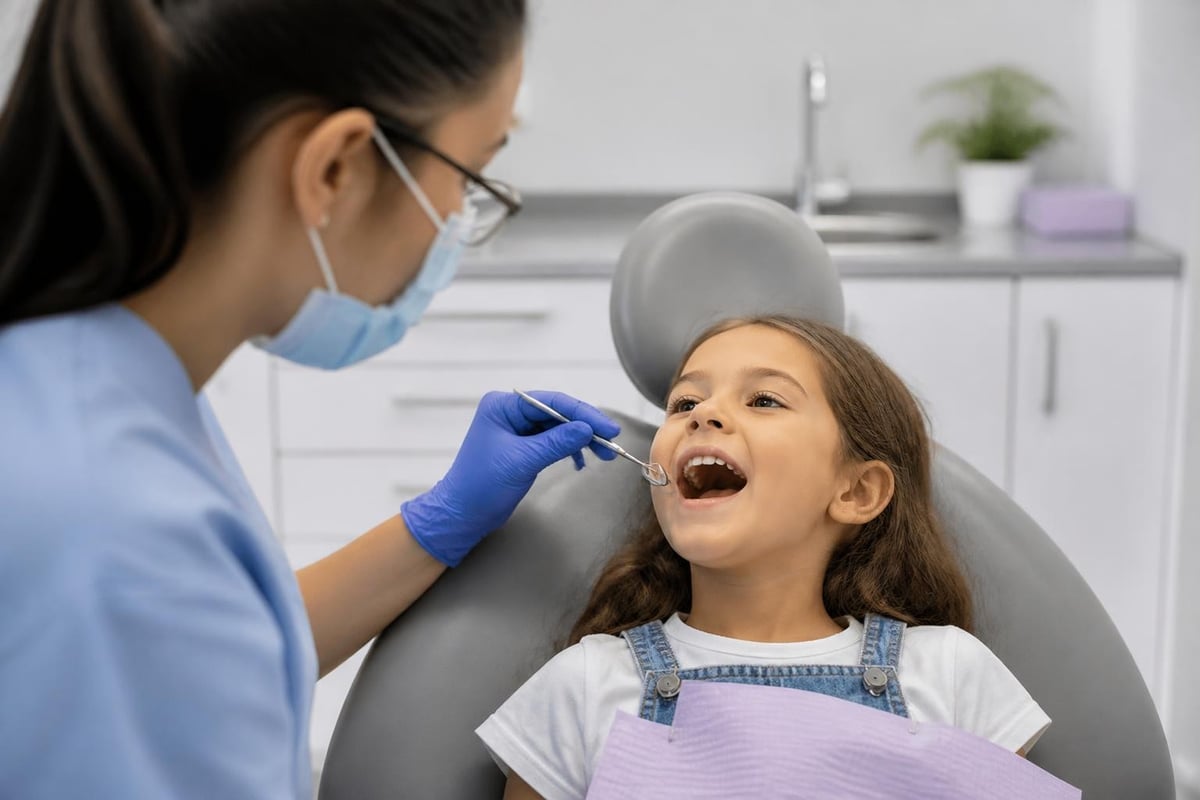
First impressions shape lifelong attitudes toward dental care. A pediatric dentist in Leander who creates welcoming, positive experiences helps children develop healthy relationships with oral healthcare.
Early positive experiences contribute to:
- Reduced dental anxiety in adulthood
- Improved compliance with preventive care recommendations
- Better oral hygiene habits at home
- Increased likelihood of regular dental visits throughout life
- Lower rates of dental phobias and avoidance behaviors
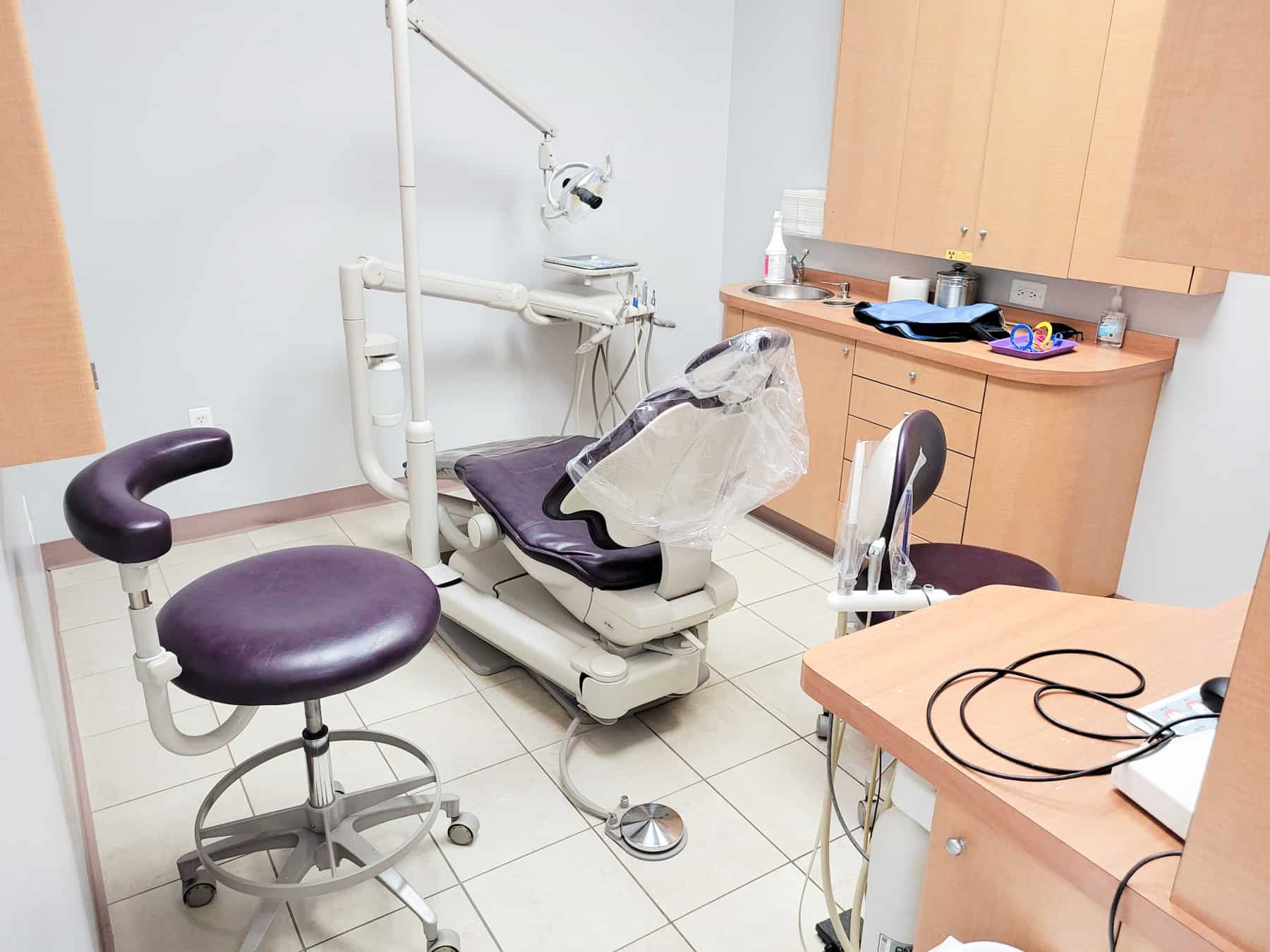
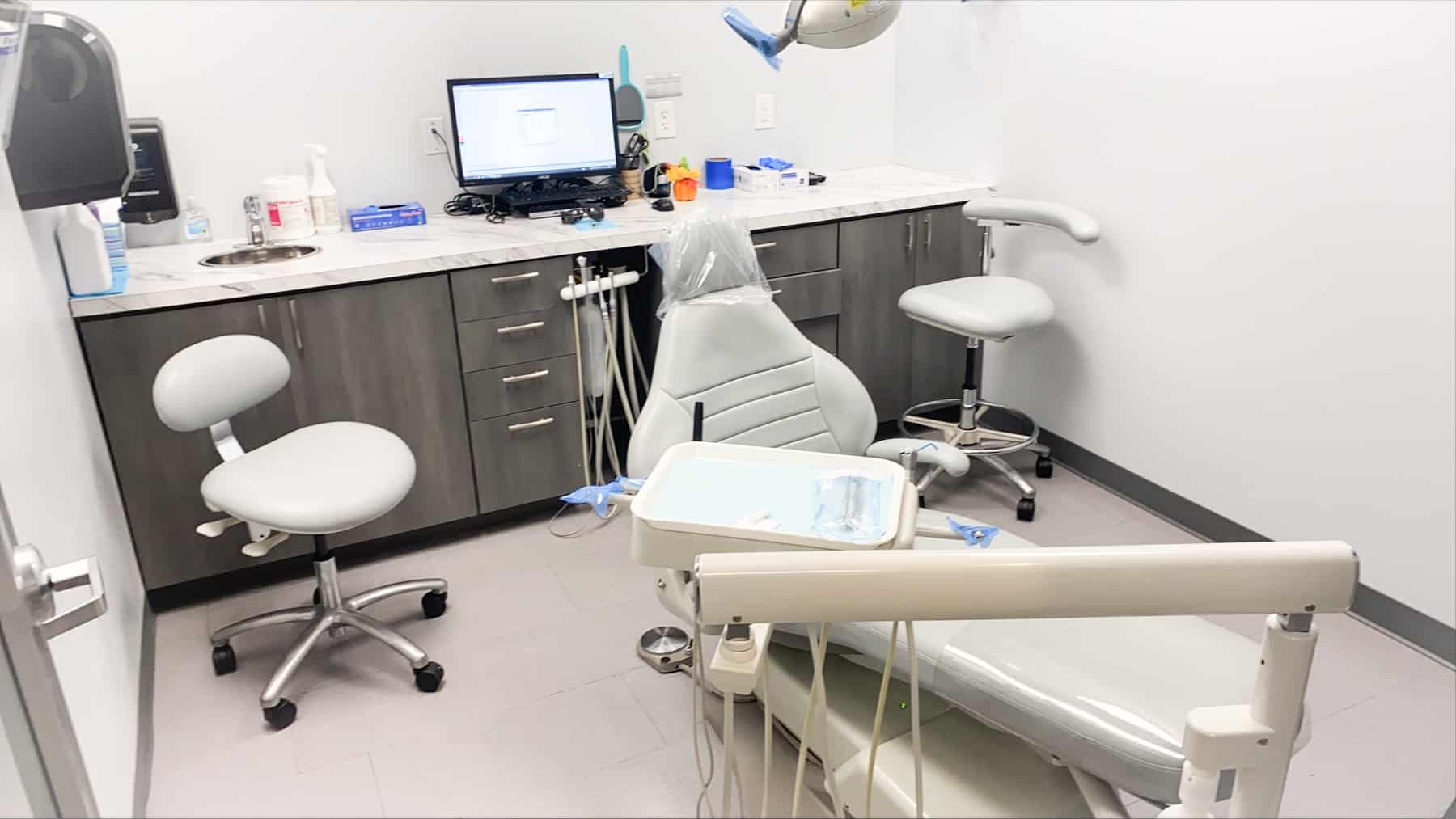
The physical environment matters tremendously. Child-friendly waiting areas, colorful treatment rooms, and age-appropriate communication techniques all contribute to comfort and cooperation during appointments.
Essential Services Your Pediatric Dentist Should Provide
Comprehensive pediatric dental care encompasses preventive, diagnostic, and therapeutic services tailored to children's developmental stages.
Preventive Care Foundation
Prevention forms the cornerstone of pediatric dentistry. Regular checkups, cleanings, and protective treatments prevent costly interventions later.
| Service | Frequency | Key Benefits |
|---|---|---|
| Dental Exams | Every 6 months | Early cavity detection, growth monitoring |
| Professional Cleanings | Every 6 months | Plaque removal, stain elimination |
| Fluoride Treatments | Every 6 months | Strengthens enamel, prevents decay |
| Dental Sealants | As needed (typically age 6-14) | Protects molars from cavity formation |
| X-rays | Annually or as needed | Detects hidden problems, monitors development |
According to HealthyChildren.org’s fluoride guidance, fluoride varnish applications significantly reduce cavity rates in children when applied consistently during preventive visits. The fluoride treatments available at comprehensive dental practices provide this essential protective benefit.
Early Intervention and Treatment
Despite best preventive efforts, children sometimes require restorative treatments. Modern pediatric dentistry offers minimally invasive options that preserve natural tooth structure.
Common pediatric treatments include:
- Composite (tooth-colored) fillings for cavities
- Stainless steel crowns for severely decayed primary teeth
- Pulp therapy (baby root canals) to save infected teeth
- Space maintainers when primary teeth are lost prematurely
- Emergency care for dental injuries and toothaches
The pediatric dentistry services offered through specialized practices ensure children receive age-appropriate care using the latest evidence-based techniques.
Behavior Guidance and Anxiety Management
Managing fear and anxiety requires specialized techniques beyond clinical skills. Pediatric dentists employ numerous nonpharmacologic strategies to help children feel safe and comfortable.
Effective behavior guidance methods:
- Tell-Show-Do technique (explaining procedures in child-friendly language)
- Positive reinforcement and praise
- Distraction through music, videos, or guided imagery
- Voice control and firm but gentle communication
- Protective stabilization when necessary for safety
- Nitrous oxide (laughing gas) for anxious patients
- Sedation options for extensive treatment or special needs
The Pediatric Dentistry Safety Toolkit provides comprehensive guidance on safe sedation practices and anxiety management protocols that protect children during dental procedures.
Finding the Right Pediatric Dentist in Leander
Selecting a dental home for your child requires careful consideration of multiple factors beyond simple convenience.
Essential Qualifications to Verify
Start with credentials and training. Confirm your pediatric dentist holds proper licensure and specialized certification.
Minimum qualifications should include:
- Doctor of Dental Surgery (DDS) or Doctor of Dental Medicine (DMD) degree
- Completion of pediatric dentistry residency program
- Active Texas dental license in good standing
- Board certification or eligibility (optional but preferred)
- Continuing education in pediatric techniques and safety
The American Dental Association’s guidelines on choosing a dentist provide a framework for evaluating qualifications and making informed decisions about your child's dental provider.
Office Environment and Accessibility
Physical space significantly impacts children's comfort levels. Visit prospective offices before scheduling appointments to assess the environment.
| Factor | What to Look For |
|---|---|
| Waiting Area | Child-sized furniture, toys, books, entertainment |
| Treatment Rooms | Bright colors, child-friendly décor, modern equipment |
| Staff Interaction | Friendly, patient, experienced with children |
| Cleanliness | Spotless facilities, visible sterilization protocols |
| Technology | Digital x-rays, intraoral cameras, electronic records |
Location matters for busy families. The Leander location offers convenient access for families throughout the community, reducing travel time and making regular visits more manageable. Families who live farther south can also look into a pediatric dentist in New Braunfels for a convenient option.
Communication Style and Parent Partnership
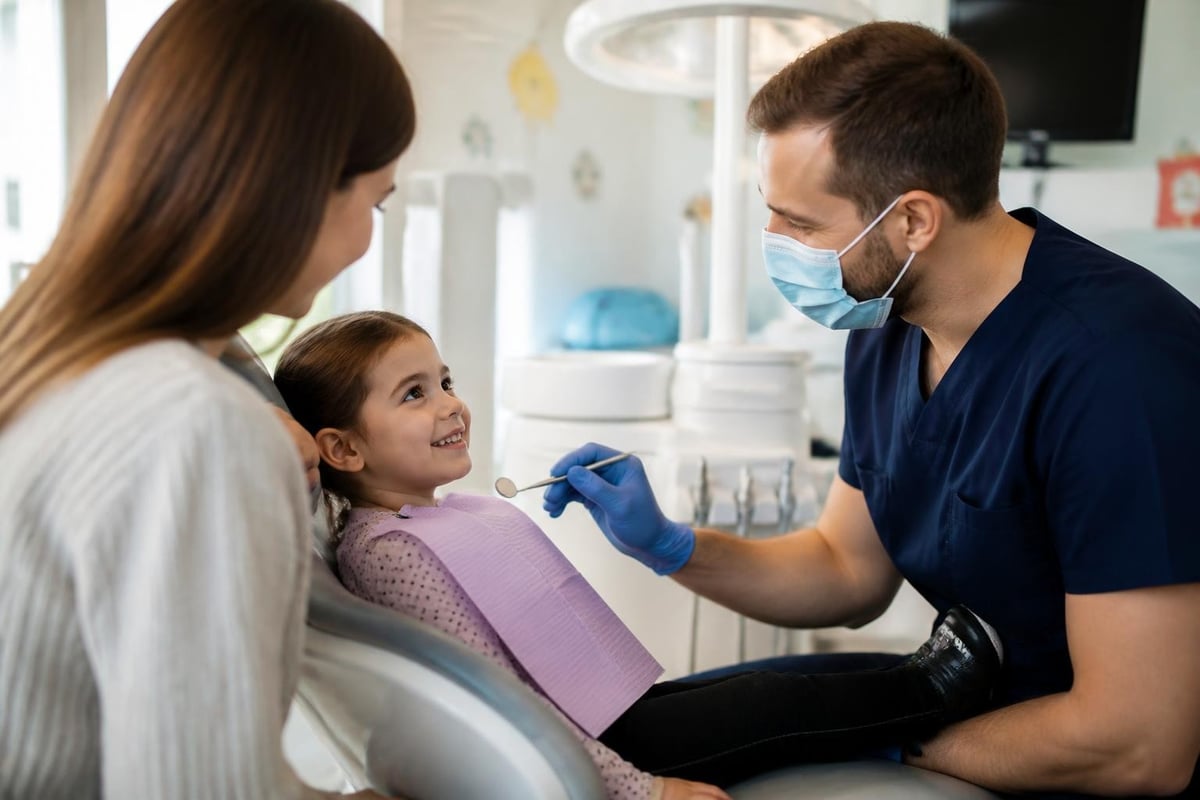
Effective pediatric dentists view parents as partners in children's oral health. They communicate clearly, answer questions thoroughly, and involve families in treatment decisions. Families choosing a whole-household provider can compare options in our guide to finding a family dentist in Leander.
Strong dentist-parent relationships feature:
- Clear explanations of diagnoses and treatment options
- Transparent discussion of costs and insurance coverage
- Willingness to address concerns without rushing
- Educational resources about home care and prevention
- Accessibility for questions between appointments
- Respect for parental preferences and values
Many families appreciate practices offering multiple locations for added convenience. With dental care available in New Braunfels, Seguin, and Converse, families can access consistent care even when traveling or relocating within the region.
Age-Specific Dental Milestones and Care Requirements
Children's dental needs evolve dramatically as they grow. Understanding age-appropriate care helps parents support healthy development.
Infants and Toddlers (Birth to Age 3)
First dental visits should occur by age one or within six months of the first tooth's eruption. Early visits establish a dental home and allow dentists to assess development.
Infant oral care priorities:
- Gentle gum cleaning before teeth emerge
- Monitoring teething patterns and eruption timing
- Fluoride varnish application starting at tooth emergence
- Guidance on bottle use and preventing early childhood caries
- Assessment of tongue-tie or lip-tie conditions
- Pacifier and thumb-sucking habit counseling
Parents often underestimate early cavity risk. Baby bottle tooth decay affects thousands of children annually, causing pain and potential tooth loss. A pediatric dentist in Leander can identify risk factors and implement prevention strategies during these critical early years.
Preschoolers (Ages 3 to 5)
Preschool years focus on establishing independence in oral hygiene while maintaining parental supervision. Children develop most of their primary teeth during this period.
Key developmental milestones:
- Complete primary dentition (20 teeth) by age 3
- Transition to independent brushing with supervision
- Introduction to flossing
- Dietary counseling for cavity prevention
- Early orthodontic screening for bite problems
Dental sealants become appropriate for primary molars during these years, providing crucial protection against decay in hard-to-clean chewing surfaces.
School-Age Children (Ages 6 to 12)
The mixed dentition phase brings unique challenges as permanent teeth replace primary teeth. Six-year molars emerge behind the last baby teeth, often surprising parents.
School-age dental priorities include:
- Monitoring permanent tooth eruption and spacing
- Sealant application to permanent molars
- Cavity prevention in deep grooves of new teeth
- Sports mouthguard fitting for athletic activities
- Orthodontic evaluation around age 7
- Reinforcing proper brushing and flossing techniques
Schools play an important role in oral health education. The Leander Independent School District health services complement professional dental care with screenings and educational programs that reinforce healthy habits.
Adolescents (Ages 13 to 18)
Teenagers face unique oral health challenges related to independence, diet, orthodontics, and sometimes risky behaviors.
Adolescent care considerations:
- Wisdom teeth monitoring and potential extraction
- Orthodontic treatment completion
- Sports injury prevention and management
- Counseling about tobacco, vaping, and oral piercings
- Cavity risk from sugary drinks and irregular hygiene
- Transition planning to adult dental care
Many teenagers benefit from orthodontic services or clear aligners to correct alignment issues before entering adulthood.
Common Pediatric Dental Concerns and Solutions
Parents frequently encounter specific oral health challenges with their children. Understanding common problems helps you respond appropriately.
Tooth Decay and Cavities
Despite being entirely preventable, tooth decay remains the most common chronic childhood disease. Over 20% of children ages 5 to 11 have at least one untreated decayed tooth.
Primary cavity risk factors:
- Frequent snacking or sipping sugary beverages
- Inadequate fluoride exposure
- Irregular brushing and flossing
- Deep grooves in molars that trap food
- Genetic predisposition to weak enamel
Early detection through regular dental visits allows for minimally invasive treatment. Modern dental fillings use tooth-colored composite materials that preserve tooth structure and provide natural appearance.
Dental Emergencies and Trauma
Active children inevitably experience dental injuries. Quick, appropriate response can save teeth and prevent complications.
| Emergency Type | Immediate Action | When to Seek Care |
|---|---|---|
| Knocked-Out Permanent Tooth | Rinse gently, place in milk, keep moist | Immediately (within 30 minutes) |
| Chipped Tooth | Save fragments, rinse mouth | Within 24 hours |
| Severe Toothache | Rinse with warm water, use cold compress | Same day |
| Bitten Lip or Tongue | Clean area, apply pressure, use ice | If bleeding doesn't stop in 15 minutes |
| Object Stuck Between Teeth | Try gentle flossing only | If unable to remove or pain persists |
Having access to dental emergency services provides peace of mind when accidents occur outside regular office hours.
Thumb-Sucking and Oral Habits
Sucking reflexes provide comfort for infants and young children. Most children naturally discontinue these habits by age 4.
Prolonged habits may cause:
- Protruding front teeth
- Open bite (front teeth don't touch when biting)
- Crossbite (upper teeth sit inside lower teeth)
- Speech difficulties
- Palate shape changes
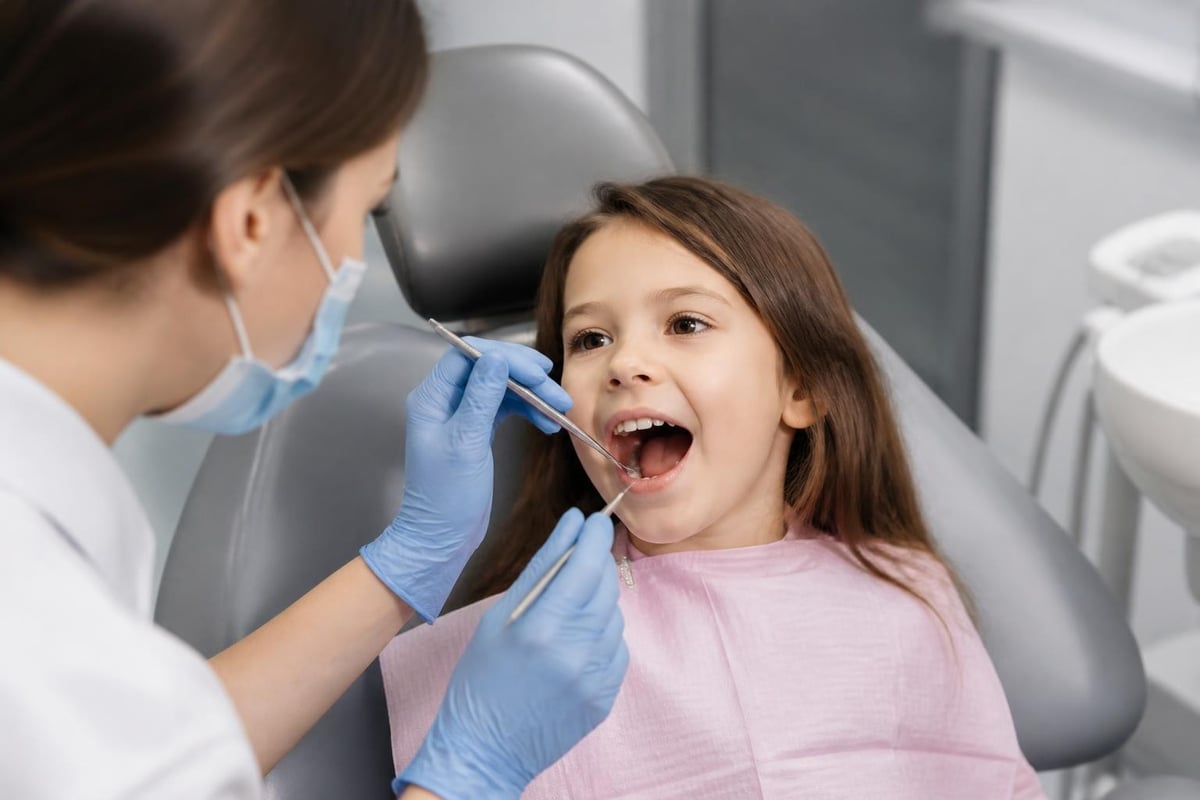
Pediatric dentists employ gentle techniques to help children overcome persistent habits before permanent damage occurs. Early intervention prevents the need for extensive orthodontic correction later.
Insurance, Costs, and Payment Options in Leander
Understanding dental insurance and payment structures helps families budget for children's oral healthcare needs.
Texas CHIP and Medicaid Coverage
Many Leander families qualify for Texas Children's Health Insurance Program (CHIP) or Medicaid, which provide comprehensive dental coverage for eligible children.
Covered services typically include:
- Preventive care (exams, cleanings, fluoride, sealants)
- Diagnostic services (x-rays)
- Restorative treatments (fillings, crowns)
- Extractions when necessary
- Emergency dental care
- Orthodontic treatment in severe cases
The Texas CHIP Dental Services handbook outlines covered benefits and explains how to access care through participating providers.
Private Insurance Options
Families with private insurance should understand their specific pediatric dental benefits. Coverage varies significantly between plans.
Questions to ask your insurance provider:
- Does the plan require in-network providers for full coverage?
- What percentage is covered for preventive versus restorative care?
- Is there an annual maximum benefit per child?
- Are there waiting periods for specific services?
- Does the plan cover orthodontics, and at what percentage?
Resources on dental insurance plans in Texas help families compare options and maximize their benefits.
Flexible Payment Solutions
Quality pediatric dental care should be accessible regardless of insurance status. Many practices offer solutions for uninsured or underinsured families.
Common payment options include:
- In-office membership plans with discounted fees
- Third-party financing through healthcare credit companies
- Payment plans for extensive treatments
- Cash discounts for upfront payment
- Sliding scale fees based on income
The savings programs available through comprehensive dental practices make professional care affordable for families at various income levels.
Creating a Dental Home: Long-Term Partnership Benefits
The American Academy of Pediatric Dentistry recommends establishing a "dental home" by age one. This ongoing relationship provides continuity and comprehensive care.
Comprehensive Record Keeping
Consistent care at one location creates detailed health records documenting your child's oral development from infancy through adolescence.
Benefits of continuous records:
- Complete history of treatments, x-rays, and interventions
- Tracking of growth patterns and developmental concerns
- Documentation of allergies, medications, and medical conditions
- Comparison of current conditions to baseline health
- Seamless care coordination during emergencies
Digital record systems allow providers to access comprehensive information instantly, improving diagnostic accuracy and treatment planning.
Familiarity and Trust Building
Children thrive with consistent caregivers who know their personalities, fears, and preferences. Familiar faces reduce anxiety and improve cooperation.
Long-term relationships foster:
- Reduced dental anxiety through predictable experiences
- Better communication as dentists understand family dynamics
- Personalized care plans based on individual needs
- Early recognition of changes or emerging problems
- Stronger adherence to recommended treatments
Many children who struggle initially with dental visits become comfortable and cooperative when they develop trust with their dental team.
Preventive Focus and Education
Dental homes emphasize prevention and education rather than reactive treatment. Regular contact allows providers to reinforce healthy habits continuously.
Educational topics covered over time:
- Age-appropriate brushing and flossing techniques
- Nutritional counseling for oral health
- Sports safety and mouthguard use
- Tobacco and substance use prevention
- Importance of regular professional care
- Connection between oral health and overall wellness
Parents also benefit from ongoing education, learning to recognize early warning signs and make informed decisions about their children's care.
Technology and Modern Pediatric Dentistry
Advanced technology improves diagnostic accuracy, treatment comfort, and overall patient experience in pediatric dental practices.
Digital Diagnostics
Modern imaging technology reduces radiation exposure while providing superior diagnostic information compared to traditional x-rays.
| Technology | Benefits | Applications |
|---|---|---|
| Digital X-rays | 80-90% less radiation, instant viewing | Cavity detection, bone assessment |
| Intraoral Cameras | Real-time visualization, patient education | Show children their teeth, document conditions |
| 3D Cone Beam CT | Comprehensive views, surgical planning | Orthodontic assessment, impacted teeth |
| Laser Cavity Detection | No radiation, painless early detection | Monitoring questionable areas |
Visual tools help children understand their oral health, making them active participants in their care rather than passive recipients.
Comfort-Enhancing Tools
Technology minimizes discomfort during treatments, reducing anxiety and improving cooperation.
Modern comfort innovations include:
- Laser dentistry for soft tissue procedures
- Electric handpieces that operate more quietly than traditional drills
- Topical anesthetic gels before injections
- Computer-controlled anesthesia delivery for painless numbing
- Nitrous oxide sedation with precise monitoring
- Entertainment systems with movies and games
Children treated with advanced comfort technology report significantly lower pain scores and anxiety levels compared to traditional approaches.
Communication and Convenience
Digital systems streamline administrative processes, making dental visits more convenient for busy families.
Practice management benefits:
- Online appointment scheduling and confirmation
- Digital forms completed before arrival
- Automated appointment reminders via text or email
- Secure patient portals for accessing records
- Electronic insurance claim submission
- Digital treatment plan presentations with cost estimates
The patient portal functionality offered by modern practices provides 24/7 access to important health information and administrative tools.
Establishing Healthy Oral Hygiene Habits at Home
Professional dental care provides only part of the oral health equation. Daily home care determines long-term outcomes.
Age-Appropriate Brushing Techniques
Proper brushing technique matters more than frequency alone. Teaching children correct methods from the start prevents lifelong bad habits.
Brushing guidelines by age:
- Ages 0-2: Parent brushes with smear of fluoride toothpaste (rice grain size)
- Ages 3-5: Parent brushes with pea-sized fluoride toothpaste, child may help
- Ages 6-8: Child brushes independently with parental supervision and assistance
- Ages 9+: Independent brushing with periodic parental checks for thoroughness
All children should brush twice daily for two minutes, focusing on all tooth surfaces and the gumline. Electric toothbrushes with timers help ensure adequate brushing time.
Nutritional Impact on Dental Health
Diet profoundly affects cavity risk. Understanding which foods promote or harm oral health empowers families to make better choices.
Foods that support dental health:
- Dairy products (calcium and phosphates strengthen enamel)
- Crunchy vegetables (natural cleaning action)
- Lean proteins (building blocks for tissues)
- Water (rinses away food particles, maintains saliva flow)
- Sugar-free gum with xylitol (stimulates saliva, inhibits bacteria)
Foods to limit or avoid:
- Sugary snacks and candies (fuel cavity-causing bacteria)
- Sticky foods (cling to teeth, prolonging acid exposure)
- Frequent snacking (constant exposure to acids)
- Sports drinks and sodas (high sugar, high acidity)
- Fruit juice (concentrated sugars despite natural origin)
Interestingly, the connection between overall health and oral health extends beyond humans. Just as children need proper nutrition for dental development, pet owners increasingly recognize that their companions also benefit from whole-food nutrition for complete wellness, as evidenced by the growing market for natural whole-food supplements for dogs at all life stages.
Flossing and Interdental Care
Brushing alone misses approximately 35% of tooth surfaces. Flossing removes plaque and food particles from between teeth where bristles cannot reach.
Start flossing when teeth touch each other, typically around age 2-3. Parents should floss for children until fine motor skills develop sufficiently for independent flossing, usually around age 10.
Flossing alternatives for children:
- Floss picks with fun shapes and colors
- Flavored dental floss to make the experience more pleasant
- Water flossers for children with braces or dexterity challenges
- Interdental brushes for wider spaces
Daily flossing becomes especially critical during orthodontic treatment when brackets and wires create additional plaque traps.
Special Considerations for Children with Unique Needs
Some children require modified approaches to dental care based on medical conditions, developmental disabilities, or behavioral challenges.
Special Needs Dentistry
Pediatric dentists receive training in treating children with physical, developmental, cognitive, and emotional conditions that require specialized approaches.
Common special needs considerations include:
- Autism spectrum disorders (sensory sensitivities, communication differences)
- Cerebral palsy (positioning challenges, muscle control issues)
- Down syndrome (early tooth loss, tongue positioning)
- ADHD (difficulty sitting still, following instructions)
- Seizure disorders (medication side effects, safety protocols)
- Congenital heart conditions (antibiotic prophylaxis needs)
Modified techniques may include extended appointment times, sensory-friendly environments, social stories to prepare for visits, protective stabilization, and sedation when appropriate for safety and treatment completion.
Orthodontic Needs and Early Intervention
The American Association of Orthodontists recommends evaluation by age 7, even if no obvious problems exist. Early assessment identifies developing issues when intervention proves most effective.
Conditions benefiting from early orthodontic treatment:
- Severe crowding limiting permanent tooth eruption
- Crossbites causing jaw asymmetry
- Protruding front teeth at high injury risk
- Underbites or severe overbites affecting jaw growth
- Harmful oral habits distorting tooth position
Phase I orthodontic treatment (ages 7-10) addresses skeletal and developmental issues while children still grow. Phase II treatment (ages 11-14) perfects alignment and bite once permanent teeth erupt.
Medically Compromised Children
Children with systemic health conditions require careful coordination between pediatric dentists and physicians to ensure safe, effective care.
Medical conditions affecting dental treatment:
| Condition | Dental Implications | Special Protocols |
|---|---|---|
| Diabetes | Increased infection risk, healing concerns | Blood sugar monitoring, timing of appointments |
| Asthma | Potential breathing difficulties during treatment | Inhaler availability, anxiety management |
| Bleeding Disorders | Excessive bleeding risk | Consultation with hematologist, modified techniques |
| Immunocompromised | High infection susceptibility | Enhanced sterilization, antibiotic prophylaxis |
| Seizure Disorders | Safety during episodes | Emergency protocols, medication interactions |
Comprehensive medical history updates at each visit ensure dental teams have current information to provide safe care.
Frequently Asked Questions About Pediatric Dentistry in Leander
When should my child have their first dental visit?
The American Academy of Pediatric Dentistry recommends scheduling the first dental visit by age one or within six months after the first tooth erupts. Early visits establish a dental home, allow assessment of development, provide preventive care like fluoride varnish, and give parents guidance on proper oral hygiene and nutrition.
How often does my child need dental checkups?
Most children should visit their pediatric dentist every six months for routine exams and cleanings. However, children at high risk for cavities, those with orthodontic appliances, or those with special health needs may require more frequent visits every three to four months.
Are dental x-rays safe for children?
Yes, dental x-rays are extremely safe when used appropriately. Modern digital x-rays reduce radiation exposure by 80-90% compared to traditional film x-rays. Pediatric dentists use the lowest possible radiation doses and only take x-rays when diagnostically necessary to detect problems invisible during visual examination.
What should I do if my child knocks out a permanent tooth?
Time is critical for knocked-out permanent teeth. Find the tooth, handle it by the crown (not the root), rinse gently with water if dirty, and try to reinsert it into the socket if possible. If reinsertion isn't feasible, place the tooth in milk or the child's saliva and seek emergency dental care within 30 minutes for the best chance of saving the tooth.
How can I help my child overcome dental anxiety?
Start dental visits early to build familiarity, use positive language when discussing dentists, avoid sharing your own dental fears, read books about dental visits before appointments, and choose a pediatric dentist experienced in behavior guidance techniques. Never use dental visits as punishment or threats. Praise brave behavior and focus on the positive aspects of healthy teeth.
Does my child really need dental sealants?
Dental sealants provide highly effective protection for permanent molars, reducing cavity risk by approximately 80%. The American Dental Association and American Academy of Pediatric Dentistry strongly recommend sealants for children's permanent molars because deep grooves in these teeth trap food and bacteria that brushing cannot adequately remove.
What's the difference between a pediatric dentist and a family dentist?
Pediatric dentists complete two to three additional years of specialized training after dental school, focusing exclusively on children's oral health, growth and development, behavior management, and special needs dentistry. Family dentists treat patients of all ages with general training. While both can provide quality care, pediatric specialists have advanced expertise in child-specific conditions and techniques.
How much will pediatric dental care cost?
Costs vary based on specific treatments needed, insurance coverage, and location. Most insurance plans cover preventive care (exams, cleanings, fluoride, sealants) at 100%. Restorative treatments typically have cost-sharing requirements. Many practices offer payment plans, in-office savings plans, and accept Texas CHIP and Medicaid for eligible families.
Can thumb-sucking really damage my child's teeth?
Thumb-sucking is normal and harmless for babies and toddlers. However, if the habit continues beyond age 4, particularly after permanent teeth begin erupting around age 6, it can cause protruding front teeth, bite problems, palate shape changes, and speech difficulties. Most children naturally stop by age 4, but persistent habits may require gentle intervention.
What emergency dental services are available in Leander?
Quality pediatric dental practices offer emergency services for dental trauma, severe toothaches, knocked-out teeth, broken teeth, soft tissue injuries, and infections. Emergency availability varies by practice, but many provide same-day urgent care appointments and after-hours emergency contact numbers for serious situations requiring immediate attention.
Building Community Connections for Children's Oral Health
Comprehensive pediatric dental care extends beyond the clinical setting into the broader community. A pediatric dentist in Leander who engages with local resources creates a network supporting children's overall wellbeing.
School Partnerships and Education
Dental professionals who partner with local schools multiply their preventive impact. Educational programs teach children proper oral hygiene techniques and help them understand the connection between daily habits and long-term health.
Effective school-based initiatives include:
- Classroom presentations about dental health and nutrition
- Fluoride varnish programs in elementary schools
- Free or reduced-cost dental screenings
- Distribution of oral hygiene supplies (toothbrushes, floss, toothpaste)
- Dental health fairs during parent events
- Integration of oral health education into science curriculum
These programs reach children who might otherwise lack access to preventive information and professional care.
Community Outreach and Access
Leander's growing population includes families facing financial barriers to dental care. Community-focused practices implement outreach programs ensuring all children receive essential services.
Outreach strategies include:
- Free dental days serving uninsured children
- Partnerships with charitable organizations
- Mobile dental clinics reaching underserved areas
- Sliding scale fees based on family income
- Acceptance of diverse insurance plans including public programs
- Educational materials in multiple languages
Removing barriers to care improves population-level oral health and reduces emergency department visits for preventable dental problems.
Multidisciplinary Collaboration
Children's health requires coordination among various professionals. Pediatric dentists who collaborate with physicians, speech therapists, orthodontists, and other specialists provide more comprehensive care.
Key collaborative relationships include:
- Pediatricians for medical-dental integration
- Speech-language pathologists for tongue-tie assessment
- Orthodontists for complex alignment issues
- Oral surgeons for wisdom teeth or impacted teeth
- Lactation consultants for infant feeding concerns
- Nutritionists for dietary counseling
This team approach addresses children's needs holistically rather than in isolated silos.
Why Leander Families Choose Comprehensive Dental Care
Leander's rapid growth brings increasing demand for family-friendly healthcare services, including pediatric dentistry. Families relocating to the area prioritize establishing care relationships for their children.
Location Convenience and Accessibility
Geographic accessibility significantly impacts whether families maintain regular preventive care. Dental offices located near residential areas, schools, and major transportation routes make appointments more manageable for busy parents juggling work and family responsibilities.
Practices with multiple locations offer added flexibility. When parents work in different parts of the region or children attend schools in various districts, having access to consistent care at multiple convenient locations throughout Central Texas simplifies scheduling and reduces travel time.
Comprehensive Service Range
One-stop dental care eliminates the need for multiple provider relationships. Families appreciate practices offering pediatric care alongside cosmetic dentistry for parents, allowing entire families to receive care at one location.
Comprehensive services spanning preventive care, restorative treatments, orthodontics, and emergency care mean children develop long-term relationships with providers who guide them from infancy through adolescence and into adult care.
Evidence-Based Practice and Safety
Modern parents research healthcare decisions extensively. They seek providers who base recommendations on scientific evidence rather than outdated practices or financial incentives.
The American Dental Association’s evidence-based research resources provide the foundation for clinical decisions in quality practices. Parents should feel confident asking about the evidence supporting recommended treatments.
Safety protocols matter tremendously when entrusting your child's care to any healthcare provider. Comprehensive safety systems following established guidelines protect children during all procedures, from simple cleanings to complex treatments.
Creating Your Family's Dental Health Action Plan
Proactive planning ensures your children receive consistent, high-quality oral healthcare throughout their developmental years.
Establishing Care Early
Don't wait for problems to develop before seeking professional guidance. Early establishment of a dental home creates a foundation for lifelong oral health.
First-year action steps:
- Schedule initial visit by age one or first tooth eruption
- Begin daily tooth cleaning as soon as first tooth appears
- Discuss fluoride supplementation based on water source
- Learn proper infant oral care techniques
- Understand teething timeline and management strategies
- Establish baseline for growth and development monitoring
Early professional guidance prevents many common problems before they begin.
Maintaining Consistent Preventive Care
Consistency proves more important than perfection in oral health. Regular professional care combined with daily home hygiene creates the best outcomes.
Annual prevention checklist:
- Two professional exams and cleanings
- Fluoride treatments during each visit
- Dental sealants applied to newly erupted permanent molars
- Updated x-rays according to risk assessment
- Home care review and technique refinement
- Nutritional counseling and dietary habit assessment
- Orthodontic evaluation updates as children grow
Tracking these preventive milestones ensures nothing falls through the cracks as children develop.
Addressing Problems Promptly
Early intervention for dental problems prevents minor issues from becoming major concerns. Parents should report any changes or concerns to their pediatric dentist rather than adopting a wait-and-see approach.
Warning signs requiring prompt attention:
- Tooth pain or sensitivity
- Visible white or brown spots on teeth
- Bleeding gums during brushing
- Loose teeth outside normal shedding ages
- Jaw clicking or pain
- Changes in bite alignment
- Chronic bad breath despite good hygiene
- Grinding teeth during sleep
Many conditions progress rapidly in children due to their active growth. Timely intervention often allows simpler, less invasive treatments.
Planning for Long-Term Needs
Some dental needs require multi-year planning, particularly orthodontic treatment and wisdom teeth management.
Forward-planning considerations:
- Financial preparation for anticipated orthodontics
- Timing of treatments around school schedules
- Coordination with sports seasons for mouthguard fitting
- Wisdom teeth monitoring during teenage years
- Transition planning from pediatric to adult dental care
- Maintaining care continuity during college years
Discussing anticipated needs with your pediatric dentist allows strategic planning rather than reactive crisis management.
Choosing the right pediatric dentist in Leander sets the foundation for your child's lifelong oral health, combining specialized expertise, child-friendly care, and comprehensive services tailored to growing smiles. From establishing early preventive habits to managing complex treatments, quality pediatric dental care protects children's developing teeth while building positive attitudes toward oral healthcare. Dental Plus Clinic provides families throughout Leander and Central Texas with expert pediatric dental services in a welcoming environment, offering the specialized care your children deserve alongside convenient locations and flexible payment options. Schedule your child's appointment today to begin their journey toward a lifetime of healthy, confident smiles.