
Finding the right pediatric dentist in New Braunfels is one of the most important decisions parents make for their child's long-term oral health. Unlike general dentistry, pediatric dental care focuses specifically on the unique developmental, behavioral, and clinical needs of infants, children, and adolescents. From the eruption of the first baby tooth through the transition to permanent dentition, specialized pediatric dentists provide preventive care, early intervention, and education that sets the foundation for a lifetime of healthy smiles. In New Braunfels, families have access to comprehensive pediatric dental services that combine clinical excellence with child-friendly environments designed to make every visit comfortable and positive.
Why Your Child Needs a Specialized Pediatric Dentist
Pediatric dentists complete an additional two to three years of specialized training beyond dental school, focusing exclusively on children's oral health. This advanced education covers child psychology, growth and development, behavior management, and the specific dental conditions that affect young patients.
Children are not simply small adults when it comes to dental care. Their teeth, jaws, and oral tissues are constantly changing, requiring providers who understand these developmental stages. A pediatric dentist in New Braunfels can identify problems early, such as improper jaw development or poor bite alignment, and intervene before they become more serious issues.
Developmental Expertise That Makes a Difference
The primary dentition (baby teeth) begins erupting around six months of age and serves critical functions beyond simple chewing. These teeth hold space for permanent teeth, guide jaw development, and support speech development. Understanding child dental health milestones helps parents recognize when professional intervention is needed.
Key developmental areas pediatric dentists monitor:
- Eruption patterns and timing of primary and permanent teeth
- Jaw growth and alignment as facial bones develop
- Oral habits that may impact dental health (thumb sucking, pacifier use, tongue thrusting)
- Speech development related to dental structures
- Early orthodontic issues requiring interceptive treatment
Pediatric dentists also specialize in caries-risk assessment, identifying children who are more susceptible to cavities based on diet, oral hygiene habits, fluoride exposure, and family history. This personalized approach allows for targeted preventive strategies rather than a one-size-fits-all model.

Essential Services Offered by Pediatric Dentists in New Braunfels
Comprehensive pediatric dental care extends far beyond basic cleanings and exams. Modern pediatric practices offer a full spectrum of services designed to address every aspect of children's oral health.
Preventive Care and Early Intervention
Prevention remains the cornerstone of pediatric dentistry. Regular visits starting at age one, as recommended by the American Academy of Pediatric Dentistry, allow dentists to establish baseline oral health and provide anticipatory guidance to parents.
| Service | Age Range | Benefits |
|---|---|---|
| Fluoride varnish | 6 months+ | Strengthens enamel, prevents decay |
| Dental sealants | 6-14 years | Protects molars from cavity formation |
| Oral hygiene education | All ages | Builds lifelong healthy habits |
| Nutritional counseling | All ages | Reduces sugar-related decay risk |
| Habit counseling | 2-8 years | Addresses thumb sucking, pacifier use |
Evidence-based fluoride therapy guidelines have evolved significantly in recent years, with updated recommendations for dosing, application frequency, and caries-risk stratification. A qualified pediatric dentist in New Braunfels stays current with these protocols to provide optimal preventive care.
Restorative and Advanced Treatments
When decay or injury occurs, pediatric dentists offer age-appropriate restorative options. Modern techniques minimize discomfort and preserve as much natural tooth structure as possible.
Common restorative procedures include:
- Composite (tooth-colored) fillings for cavities
- Stainless steel crowns for extensively decayed primary molars
- Pulp therapy (baby root canals) to save infected teeth
- Space maintainers when primary teeth are lost prematurely
- Emergency trauma care for knocked-out or fractured teeth
Recent research on silver diamine fluoride demonstrates promising results for halting cavity progression in young children using minimally invasive techniques. This FDA-approved treatment offers an alternative for children who may not tolerate traditional drilling and filling procedures.
What to Expect During Your Child's First Dental Visit
The first dental visit sets the tone for your child's lifelong relationship with oral healthcare. Most pediatric dentists recommend scheduling this initial appointment by the child's first birthday or within six months of the first tooth erupting.
Creating Positive First Experiences
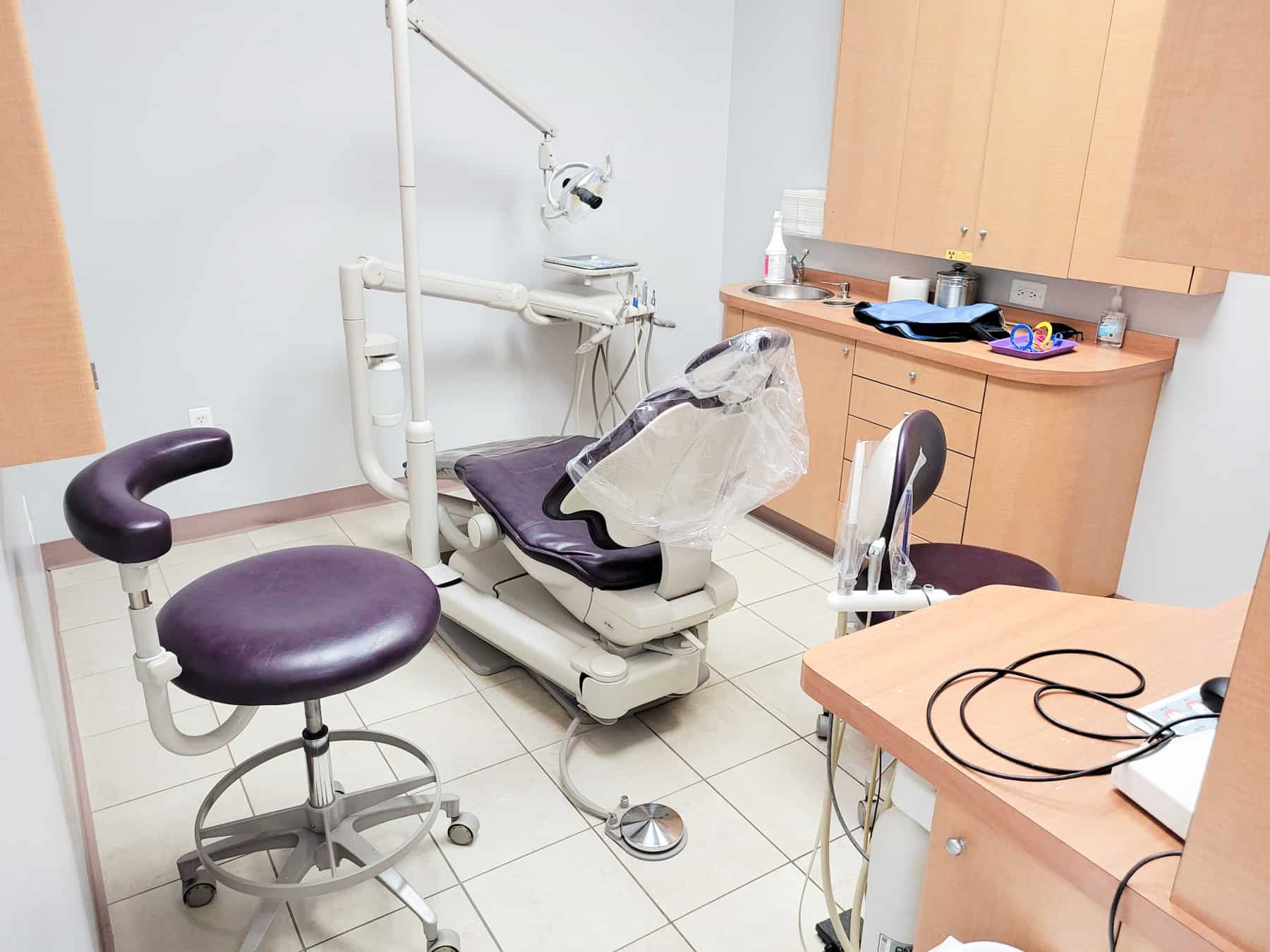
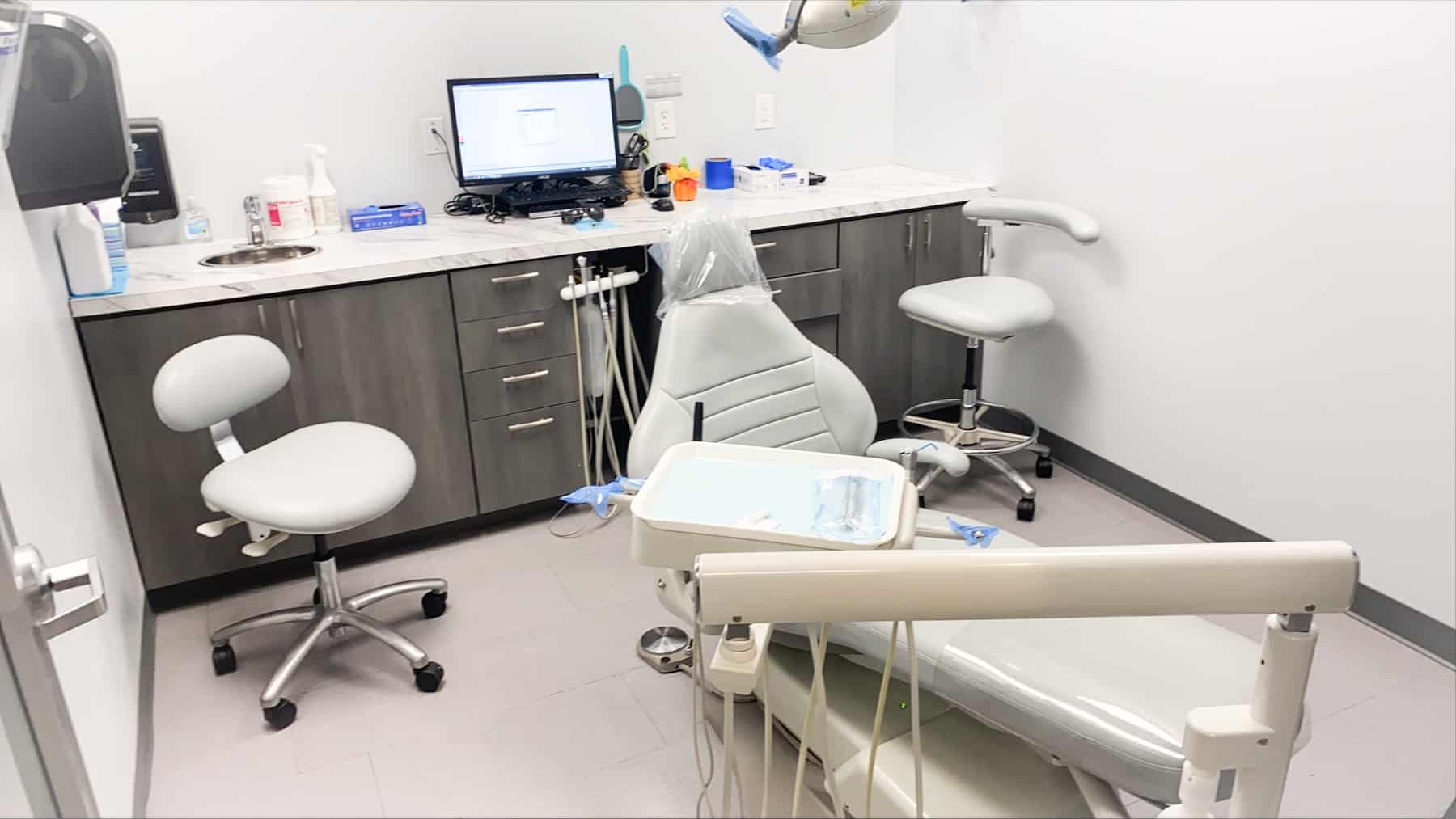
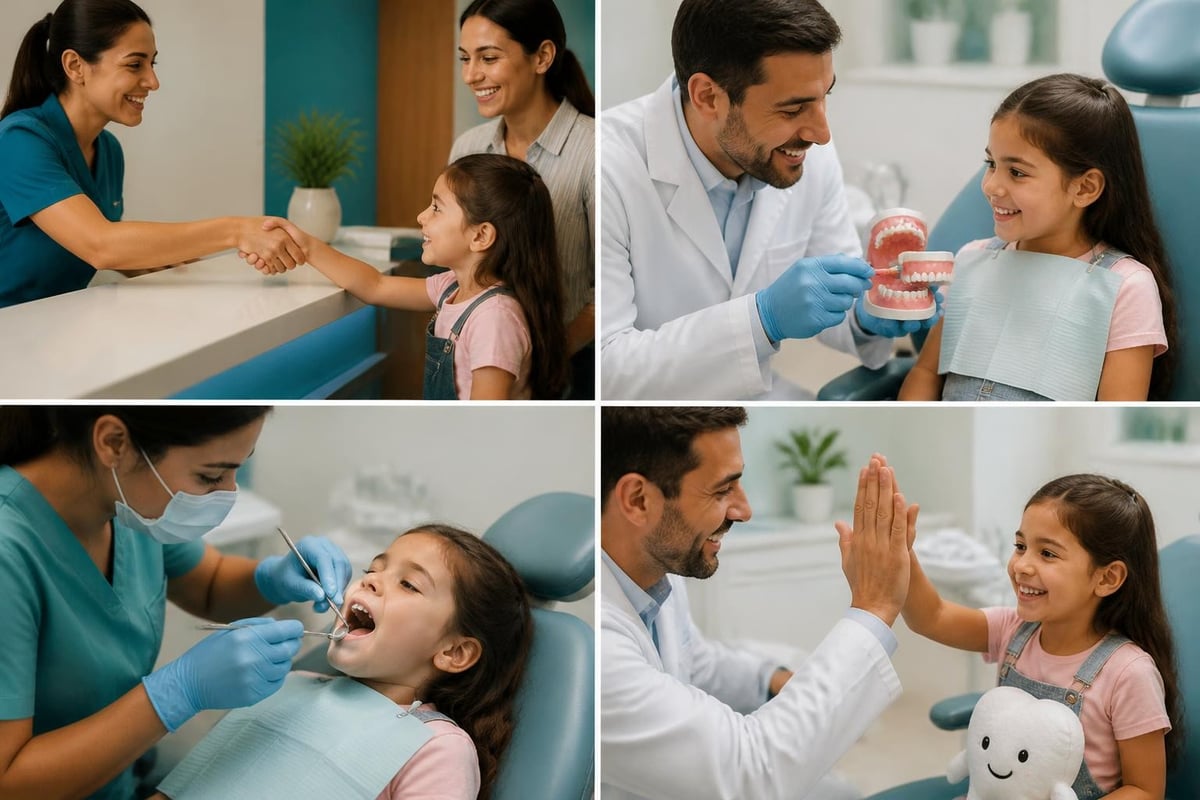
Pediatric dental offices in New Braunfels are specifically designed to feel welcoming rather than clinical. Bright colors, child-sized furniture, play areas, and friendly staff all contribute to reducing dental anxiety before it develops.
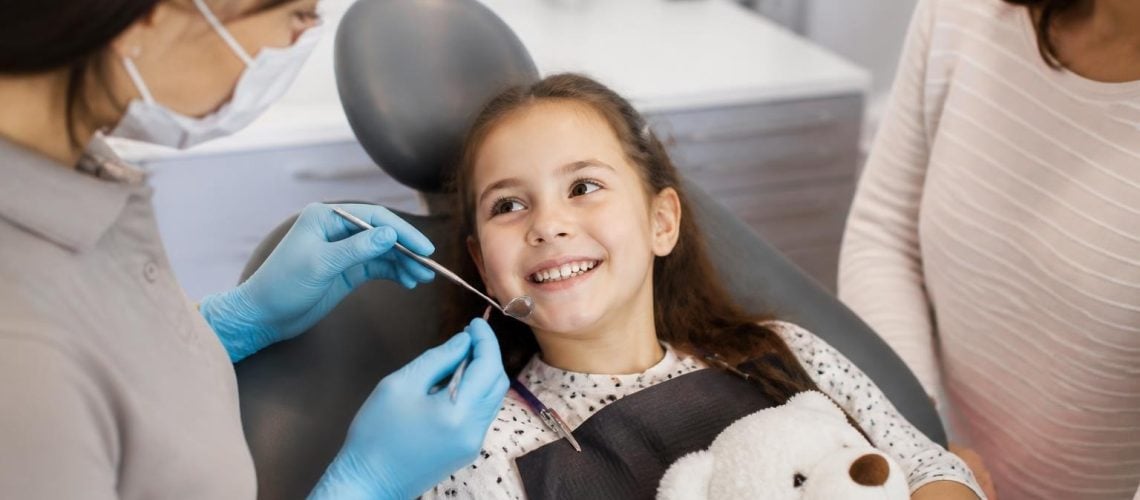
During the first visit, the dentist will conduct a gentle examination of your child's teeth, gums, and jaw. This "knee-to-knee" examination for infants involves the parent holding the child while facing the dentist, creating a secure and comfortable position.
The first appointment typically includes:
- Comprehensive oral examination
- Gentle cleaning and fluoride application (if appropriate)
- Assessment of caries risk and development
- Parent education on home care techniques
- Discussion of teething, diet, and oral habits
- Scheduling of follow-up preventive visits
Clinical guidance on pediatric patient management emphasizes the importance of anticipatory guidance, where dentists help parents understand what to expect at each developmental stage and how to prevent common problems before they occur.
Behavior Guidance Techniques
Pediatric dentists employ specialized behavior guidance techniques to help children feel safe and cooperative during treatment. These evidence-based approaches are tailored to each child's age, temperament, and developmental level.
Methods include positive reinforcement, tell-show-do (explaining procedures in child-friendly language), voice control, and distraction techniques. For children with special healthcare needs or severe anxiety, additional options may include protective stabilization, nitrous oxide sedation, or general anesthesia under carefully monitored conditions following AAPD sedation guidelines.
Preventing Childhood Cavities: A Parent's Guide
Early childhood caries (tooth decay in young children) remains one of the most common chronic diseases affecting kids in the United States. The good news is that cavities are largely preventable with proper care and early intervention.
Understanding Cavity Risk Factors
Not all children face the same cavity risk. Pediatric dentists assess multiple factors to determine each child's susceptibility to decay and customize prevention strategies accordingly.
Primary risk factors include:
- Frequent consumption of sugary foods and beverages
- Inadequate fluoride exposure from water or dental products
- Poor oral hygiene habits or infrequent brushing
- Dry mouth conditions that reduce protective saliva
- Deep grooves in teeth that trap food and bacteria
- Previous history of cavities or white spot lesions
Parents who help their child avoid tooth decay through consistent home care and regular professional visits can significantly reduce the likelihood of painful dental problems and costly treatments.
Home Care Strategies for Cavity Prevention
Establishing good oral hygiene habits early creates patterns that last a lifetime. The approach varies based on your child's age and developmental capabilities.
For infants (0-12 months):
- Wipe gums with a clean, damp cloth after feedings
- Begin brushing with a soft infant toothbrush once teeth appear
- Use a rice-grain-sized smear of fluoride toothpaste
- Avoid putting babies to bed with bottles containing anything except water
For toddlers and preschoolers (1-5 years):
- Brush twice daily with a pea-sized amount of fluoride toothpaste
- Assist with brushing until children develop adequate dexterity (typically age 7-8)
- Limit juice and sugary snacks between meals
- Schedule regular dental check-ups every six months
For school-age children (6+ years):
- Ensure thorough brushing and introduction of flossing
- Consider dental sealants for permanent molars as they erupt
- Discuss dietary choices and their impact on oral health
- Encourage children to drink water throughout the day
The Role of Dental Sealants in Protecting Children's Teeth
Dental sealants represent one of the most effective preventive interventions in pediatric dentistry. These thin, protective coatings are applied to the chewing surfaces of back teeth, where most childhood cavities develop.
How Sealants Work and Why They Matter
The permanent molars that erupt around age six have deep pits and fissures that are difficult to clean with regular brushing. Food particles and bacteria accumulate in these grooves, creating an ideal environment for decay. Clinical evidence on dental sealants demonstrates that sealed molars are significantly less likely to develop cavities compared to unsealed teeth.
A pediatric dentist in New Braunfels can apply sealants quickly and painlessly. The process involves cleaning the tooth, preparing the surface with a mild etching solution, and painting on the liquid sealant material, which hardens under a special curing light.
| Sealant Application Step | Duration | Purpose |
|---|---|---|
| Tooth cleaning and drying | 2-3 minutes | Remove debris and moisture |
| Acid etching | 15-30 seconds | Roughen surface for bonding |
| Sealant application | 1-2 minutes | Fill grooves and pits |
| Light curing | 20-40 seconds | Harden and bond material |
Sealants can last several years with proper care and are checked at regular dental visits. If they chip or wear, they can be easily repaired or reapplied. Many dental insurance plans cover sealants for children, and school-based sealant programs help ensure access for underserved populations.
Managing Dental Emergencies and Trauma
Childhood accidents happen, and knowing how to respond to dental emergencies can mean the difference between saving and losing a tooth. A pediatric dentist in New Braunfels provides emergency services to address urgent dental problems promptly.
Common Pediatric Dental Emergencies
Knocked-out permanent tooth: Time is critical. Find the tooth, handle it by the crown (not the root), rinse gently if dirty, and try to reinsert it in the socket. If that's not possible, keep it moist in milk or saliva and get to the dentist within 30 minutes for the best chance of successful reimplantation.
Fractured or chipped tooth: Save any broken pieces, rinse the mouth with warm water, and apply a cold compress to reduce swelling. Contact your pediatric dentist immediately for evaluation and repair options.
Severe toothache: Rinse the mouth and gently floss around the affected tooth to remove trapped food. Do not place aspirin or pain medication directly on gums, as this can cause burns. Schedule an urgent appointment to diagnose and treat the underlying cause.
Bitten tongue or lip: Clean the area gently and apply a cold compress. Most minor soft tissue injuries heal without intervention, but deep cuts may require medical attention.
The team at Dental Plus Clinic in New Braunfels stands ready to handle pediatric dental emergencies with compassion and expertise, ensuring your child receives prompt, appropriate care when accidents occur.
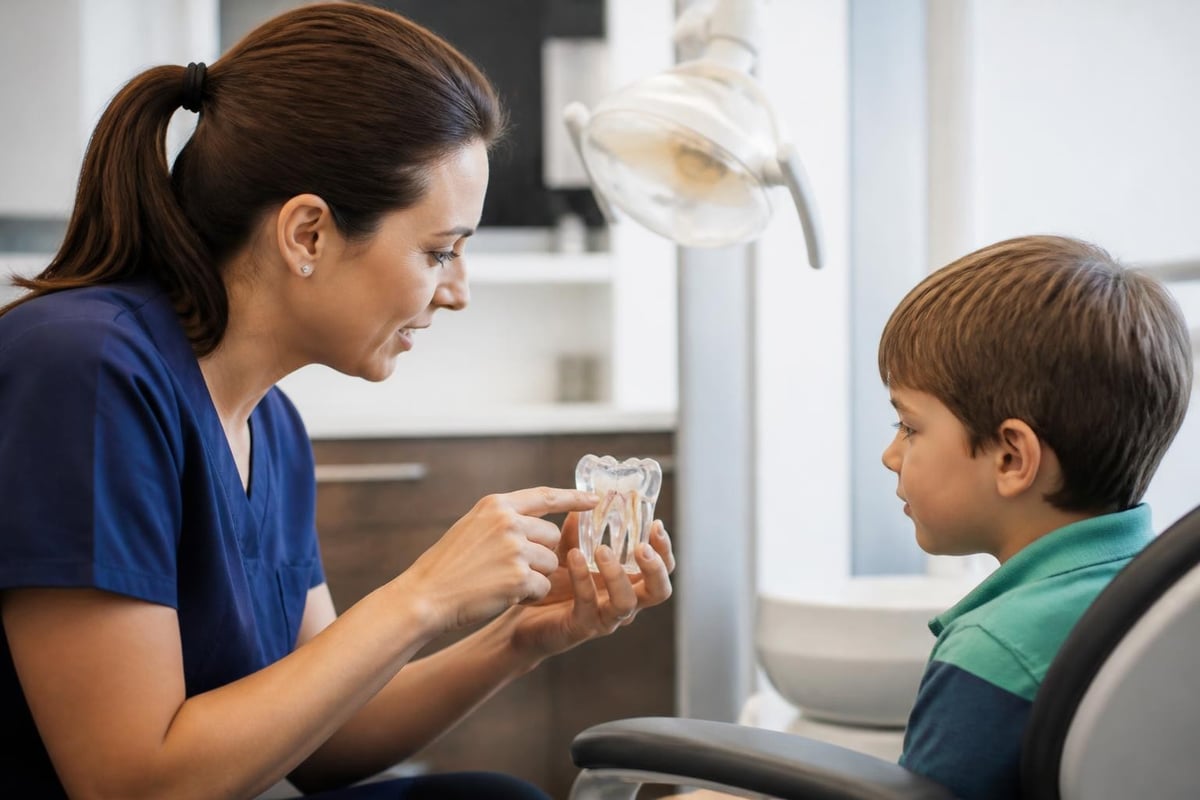
Special Considerations for Children with Unique Needs
Some children require modified approaches to dental care due to medical conditions, developmental differences, or behavioral challenges. Pediatric dentists receive specialized training in treating patients with special healthcare needs.
Accommodations and Individualized Care
Children with autism spectrum disorder, sensory processing differences, intellectual disabilities, or complex medical conditions benefit from dentists who understand how to adapt treatment protocols and communication styles. This might include scheduling longer appointments, using visual supports, allowing familiarization visits, or coordinating care with other healthcare providers.
For children with anxiety disorders or previous traumatic dental experiences, pediatric dentists employ desensitization techniques, offer sedation options, and create treatment plans that proceed at the child's pace. Building trust takes priority over rushing through procedures.
Common accommodations include:
- Sensory-friendly environments with reduced noise and lighting
- Visual schedules showing the sequence of appointment activities
- Weighted blankets or comfort items from home
- Pre-visit tours to familiarize children with the setting
- Coordination with behavioral therapists or medical specialists
- Modified communication approaches based on developmental level
The Connection Between Oral Health and Overall Wellness
Children's dental health impacts far more than just their teeth. Research increasingly demonstrates connections between oral health and general physical, emotional, and social well-being.
Physical Health Impacts
Untreated dental decay can lead to infections that spread beyond the mouth, affecting overall health. Children with severe cavities may experience difficulty eating nutritious foods, impacting growth and development. Chronic dental pain interferes with sleep quality, concentration, and learning.
Understanding how poor oral health affects the rest of the body helps parents appreciate why preventive dental care is an essential component of pediatric healthcare, not an optional luxury.
Social and Emotional Effects
Dental problems affect children's self-esteem and social interactions. Kids with visible decay or missing front teeth may feel embarrassed to smile, speak in class, or participate in social activities. Early orthodontic issues like severe overbites or underbites can lead to teasing and impact psychological development.
Regular visits to a pediatric dentist in New Braunfels address these concerns through preventive care, timely treatment, and interceptive orthodontics when needed. By maintaining healthy, attractive smiles, children gain confidence to engage fully in school and social settings.
Choosing the Right Pediatric Dental Practice
Not all pediatric dental practices offer the same level of care, convenience, or family-friendly service. Parents should evaluate several factors when selecting a dental home for their children.
Essential Criteria to Consider
Qualifications and experience: Verify that the dentist has completed an accredited pediatric dental residency and maintains current board certification. Experience treating children of various ages and developmental levels ensures appropriate care.
Office environment: Visit the practice to assess whether it feels welcoming and child-friendly. Observe how staff interact with young patients and whether they demonstrate patience and genuine warmth.
Appointment availability: Flexible scheduling, including early morning or after-school appointments, makes it easier for working parents to maintain regular preventive care without missing school or work.
Emergency access: Confirm that the practice provides emergency coverage for urgent situations outside regular office hours.
Insurance and payment options: Understanding dental insurance plans in Texas and available payment arrangements helps families budget for both routine and unexpected dental expenses.
Questions to Ask During Your Search
- What is your approach to behavior management for anxious or uncooperative children?
- Do you offer sedation options for children who need extensive treatment?
- How do you involve parents in treatment planning and decision-making?
- What emergency protocols do you have in place?
- How do you coordinate care with our child's pediatrician and other specialists?
- What technology and techniques do you use to minimize discomfort?
- Can you provide references or testimonials from other families?
Community Resources and School-Based Dental Programs
Access to pediatric dental care extends beyond private practice visits. New Braunfels families can take advantage of community resources and prevention programs designed to improve children's oral health.
School-Based Prevention Initiatives
Many Texas schools participate in sealant programs that provide free preventive services to eligible students. These evidence-based school programs target children from low-income families who may face barriers to accessing regular dental care.
School nurses and dental hygienists conduct screenings, provide fluoride varnish, and apply sealants to protect children's teeth. These programs reduce oral health disparities and prevent the painful, costly consequences of untreated decay.
Public Health Resources
Parents can access authoritative information about children's oral health through trusted sources. Global oral health strategies provide context for local prevention efforts and emphasize the importance of early intervention, fluoride exposure, and reducing sugar consumption.
Community health centers often provide sliding-scale dental services for families who lack insurance or cannot afford private care. Identifying these resources ensures that all children in New Braunfels receive the oral healthcare they need regardless of financial circumstances.
Understanding Pediatric Dental Costs and Insurance Coverage
The financial aspect of dental care concerns many parents. Understanding typical costs, insurance coverage, and payment options helps families plan for their children's oral health expenses.
Typical Costs for Common Procedures
| Procedure | Average Cost Range | Frequency |
|---|---|---|
| Initial exam and cleaning | $75-150 | Once, then routine visits |
| Routine check-up and cleaning | $80-175 | Every 6 months |
| Fluoride varnish application | $25-50 | Every 6 months |
| Dental sealants (per tooth) | $30-60 | One-time, as molars erupt |
| Composite filling | $150-350 | As needed |
| Stainless steel crown | $200-400 | As needed |
| Emergency visit | $100-300 | As needed |
Most dental insurance plans cover preventive services like exams, cleanings, fluoride, and sealants at 100% with no out-of-pocket costs. Restorative procedures typically receive 50-80% coverage after deductibles.
Maximizing Insurance Benefits
Understanding your policy helps you make the most of available benefits. Key considerations include annual maximum benefits (often $1,000-2,000 per person), waiting periods for certain procedures, and whether your chosen pediatric dentist in New Braunfels participates in your insurance network.
Some practices offer in-house membership plans for families without insurance, providing preventive services for a flat annual fee. Payment plans may be available for extensive treatment, making care more affordable by spreading costs over several months.
Families can explore options for reducing dental care costs through various strategies, including maximizing preventive care to avoid costly restorative work, taking advantage of Health Savings Accounts or Flexible Spending Accounts, and seeking second opinions for major procedures.
Building a Dental Home: The Long-Term Benefits
Establishing a consistent relationship with a pediatric dentist in New Braunfels creates what dental professionals call a "dental home." This ongoing partnership provides continuity of care from infancy through adolescence.
Why Continuity Matters
Children who maintain regular visits with the same dental practice benefit from providers who understand their unique history, developmental patterns, and individual needs. The dentist becomes familiar with each child's personality, anxiety triggers, and communication preferences, allowing for increasingly personalized care.
Long-term benefits of a dental home include:
- Comprehensive records tracking development and treatment history
- Early detection of emerging problems before they become serious
- Consistent preventive care reducing lifetime cavity risk
- Trusted relationships that reduce dental anxiety
- Coordinated care when referrals to specialists are needed
- Smooth transitions from pediatric to adult dental care
As children grow, their dental home adapts care to match their changing needs. The dentist who placed sealants on a six-year-old's molars can later provide orthodontic evaluation, wisdom teeth assessment, and guidance on sports mouthguards for that same patient as a teenager.
Orthodontic Evaluation and Early Intervention
Many parents wonder when their child should be evaluated for orthodontic issues. The American Academy of Pediatric Dentistry recommends that all children receive an orthodontic assessment by age seven, even if problems aren't obvious.
Recognizing Signs That Evaluation Is Needed
Early warning signs include:
- Difficulty chewing or biting
- Mouth breathing or snoring
- Early or late loss of baby teeth
- Jaws that shift or make sounds
- Crowded, misplaced, or blocked-out teeth
- Biting the cheek or roof of the mouth
- Protruding teeth or receding chin
- Facial imbalance or asymmetry
Some orthodontic problems are easier to correct when addressed during active growth. Early intervention (Phase I orthodontics) may involve space maintainers, palatal expanders, or partial braces to guide jaw development and create room for permanent teeth.
Not every child needs early treatment. Your pediatric dentist in New Braunfels will determine whether your child should see an orthodontic specialist or if monitoring growth patterns is the appropriate approach. Understanding what causes crooked teeth helps parents appreciate the factors affecting their child's bite development.
Frequently Asked Questions About Pediatric Dentistry
When should my child see a dentist for the first time?
The American Academy of Pediatric Dentistry recommends scheduling your child's first dental visit by their first birthday or within six months after the first tooth erupts. Early visits establish preventive care and allow the dentist to monitor development from the beginning.
How often does my child need dental check-ups?
Most children should visit the dentist every six months for routine preventive care. However, children at higher risk for cavities or with specific dental concerns may need more frequent visits, typically every three to four months.
Are dental X-rays safe for children?
Yes, when used appropriately. Pediatric dentists use the lowest radiation exposure necessary and employ digital X-rays that reduce radiation by up to 80% compared to traditional film. X-rays help detect problems between teeth, under fillings, and in developing bone that can't be seen during visual examinations.
What should I do if my child is afraid of the dentist?
Communicate openly with the dental team about your child's fears. Pediatric dentists specialize in behavior management and can offer techniques like tell-show-do, positive reinforcement, and distraction. Reading books about dental visits, playing pretend dentist at home, and maintaining a positive attitude yourself all help reduce anxiety.
Can cavities in baby teeth be left untreated since they'll fall out anyway?
No. Untreated decay in primary teeth can cause pain, infection, and damage to developing permanent teeth underneath. Baby teeth also maintain space for permanent teeth and support proper jaw development. Early loss of primary teeth can lead to crowding and orthodontic problems later.
When can my child start brushing independently?
Most children develop the fine motor skills needed for effective brushing around age seven or eight. Until then, parents should supervise and assist with brushing to ensure thorough cleaning. The "write their name" test is a good indicator: when children can write their name legibly, they likely have the dexterity to brush effectively.
Does my child need fluoride supplements?
It depends on your water supply and cavity risk. If your home water contains less than 0.6 parts per million fluoride, your dentist may recommend supplements. However, supplements are prescribed based on individual needs, considering all fluoride sources to prevent overexposure while ensuring adequate protection.
What can be done about thumb sucking?
Pediatric dentistry can help with thumbsucking through various interventions. Most children stop on their own by age four. If the habit continues past age five or six when permanent teeth begin erupting, it may affect tooth alignment and jaw development. Pediatric dentists offer behavior modification strategies and, if needed, dental appliances to help break the habit.
How do I prepare my child for their first dental visit?
Keep explanations simple and positive. Avoid words like "pain," "hurt," or "shot." Instead, tell your child the dentist will count and clean their teeth to keep them strong and healthy. Read children's books about dental visits, arrive early to allow time in the play area, and bring a comfort item if needed.
What if my child needs extensive dental work?
Pediatric dentists offer various sedation options depending on the extent of treatment needed and your child's ability to cooperate. Options range from nitrous oxide (laughing gas) for mild anxiety to oral conscious sedation or general anesthesia for extensive treatment or very young children. Your dentist will discuss the safest, most appropriate approach for your child's situation.
Are silver fillings safe for children?
Dental amalgam (silver fillings) has been used safely for over 150 years. However, most pediatric dentists now prefer tooth-colored composite fillings for children. Composites bond to tooth structure, require less removal of healthy tooth material, and provide natural-looking results. Your dentist will recommend the most appropriate material based on the location and extent of decay.
How can I tell if my child has a cavity?
Visible signs include white or brown spots on teeth, visible holes or pits, and sensitivity to hot, cold, or sweet foods. However, many cavities develop between teeth or in areas not visible to parents. Regular dental check-ups allow early detection before cavities cause pain or require extensive treatment. Learning how to identify cavities helps parents recognize when professional evaluation is needed.
The Role of Diet and Nutrition in Children's Oral Health
What children eat and drink significantly impacts their dental health. Pediatric dentists provide nutritional counseling as part of comprehensive preventive care, helping parents make informed choices that support healthy teeth.
Foods That Promote Strong Teeth
Beneficial dietary choices include:
- Dairy products rich in calcium and phosphorus
- Crunchy vegetables that stimulate saliva production
- Lean proteins supporting tissue development
- Whole grains providing essential B vitamins
- Water, especially fluoridated water, for hydration and rinsing
Calcium and vitamin D work together to build strong tooth enamel and support jaw bone development. Children who don't consume adequate dairy may benefit from fortified alternatives or supplements.
Dietary Habits That Increase Cavity Risk
Frequent exposure to sugars and acids creates an environment where cavity-causing bacteria thrive. Understanding why some people get cavities more easily helps parents identify and modify risk factors.
High-risk dietary patterns:
- Sipping sugary beverages throughout the day
- Frequent snacking on sticky or sweet foods
- Drinking juice in bottles or sippy cups
- Consuming sports drinks or energy drinks
- Eating candy or mints that bathe teeth in sugar
Drinks like soda can significantly damage teeth through both sugar content and acidity. Even sugar-free sodas contain acids that erode enamel over time. Limiting these beverages and encouraging water consumption protects developing teeth.
Technological Advances in Pediatric Dentistry
Modern pediatric dental practices incorporate advanced technology that improves diagnostics, reduces treatment time, and enhances patient comfort. A progressive pediatric dentist in New Braunfels invests in these innovations to provide superior care.
Diagnostic Technologies
Digital radiography reduces radiation exposure by up to 80% compared to traditional X-rays while providing instant, high-quality images that can be enhanced for better visualization of dental structures.
Intraoral cameras are tiny video cameras that capture detailed images inside the mouth, allowing dentists to show parents and older children exactly what they see. This educational tool helps families understand diagnoses and treatment recommendations.
Laser cavity detection identifies early decay before it's visible on X-rays or to the naked eye, allowing for minimally invasive intervention that can remineralize enamel and prevent the need for fillings.
Treatment Innovations
Dental lasers can treat cavities, gum tissue, and oral lesions with minimal discomfort, often eliminating the need for anesthesia. The precision of lasers preserves more healthy tooth structure and promotes faster healing.
Air abrasion uses a stream of fine particles to remove decay in its earliest stages without drilling, heat, or vibration. This gentle technique is ideal for treating young children with small cavities.
Silver diamine fluoride offers a needle-free, drill-free option for arresting cavities in primary teeth, particularly valuable for very young children, those with special needs, or when traditional treatment isn't immediately feasible.
Multi-Location Convenience for New Braunfels Families
Access to quality pediatric dental care shouldn't require long drives or complicated scheduling. Families throughout the region benefit from practices offering multiple convenient locations.
Dental Plus Clinic serves communities across Central Texas with offices in Seguin, Converse, Leander, and Beeville in addition to New Braunfels. This geographic coverage allows families to choose the most convenient location for their schedules while maintaining continuity of care across the entire practice network.
Whether your family lives in New Braunfels or neighboring communities, having multiple locations means shorter travel times, easier scheduling, and the ability to seek emergency care at the nearest office when urgent situations arise. All locations maintain consistent quality standards, use the same clinical protocols, and share electronic health records for seamless coordination.
Investing in specialized pediatric dental care establishes the foundation for your child's lifelong oral health, combining preventive strategies, early intervention, and positive experiences that reduce dental anxiety and promote healthy habits. Whether your child needs routine preventive care, restorative treatment, or emergency services, Dental Plus Clinic provides comprehensive, compassionate care tailored to children's unique needs at our New Braunfels location and throughout Central Texas. Schedule your child's appointment today to experience the difference that specialized pediatric dentistry makes in creating healthy, confident smiles that last a lifetime.