
Dental implants represent a transformative solution for missing teeth, but the thought of undergoing oral surgery can trigger anxiety for many patients across Texas. For individuals in Beeville, Seguin, New Braunfels, Leander, and Converse, sedation dentistry for implants in Texas offers a pathway to achieving complete smile restoration without the stress and discomfort traditionally associated with dental procedures. Understanding your sedation options, what to expect during treatment, and how to prepare can transform your dental implant experience from overwhelming to manageable.
Understanding Sedation Dentistry for Dental Implant Procedures
Sedation dentistry involves the use of medication to help patients relax during dental procedures. When combined with dental implant surgery, sedation creates a comfortable environment that allows your dental team to work efficiently while you remain calm and at ease.
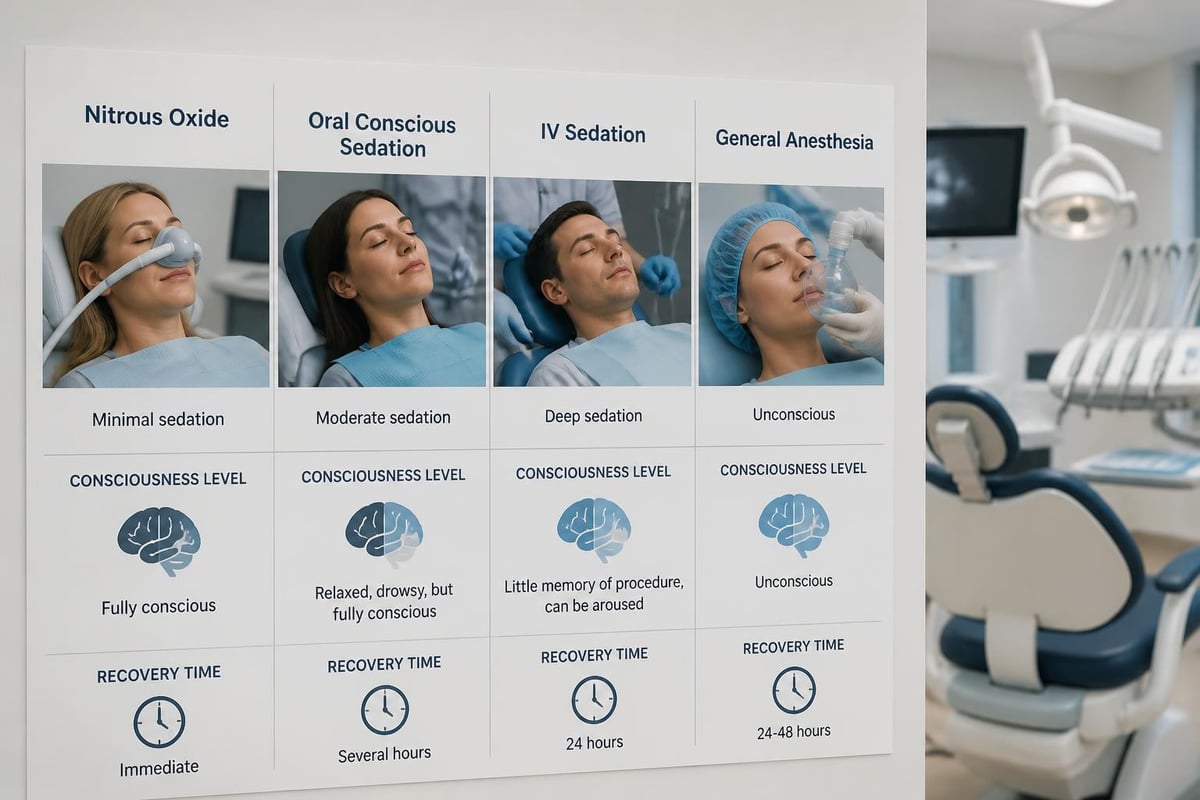
Types of Sedation Available for Dental Implants
The sedation options available for dental implant procedures vary based on the complexity of your case, personal anxiety levels, and medical history. Each method provides different levels of consciousness and relaxation.
Nitrous Oxide (Laughing Gas)
This mild sedation option helps patients feel relaxed while remaining fully conscious and responsive. Nitrous oxide takes effect within minutes and wears off quickly after the mask is removed, allowing you to drive yourself home after the procedure.
Oral Conscious Sedation
Patients take a prescribed medication approximately one hour before their appointment. This moderate sedation induces a deeper state of relaxation while maintaining consciousness. You'll need someone to drive you to and from your appointment.
IV Sedation
Administered directly into the bloodstream, IV sedation provides deep sedation with rapid onset and precise control throughout the procedure. Patients often have little to no memory of the treatment.
General Anesthesia
Reserved for complex cases or patients with severe anxiety, general anesthesia renders patients completely unconscious. This option requires specialized monitoring and a longer recovery period.
Why Patients Choose Sedation Dentistry for Implants in Texas
Multiple factors drive the increasing popularity of sedation options among Texas patients pursuing dental implant treatment. Understanding these reasons helps you determine whether sedation might benefit your personal situation.
Dental Anxiety and Phobia Management
Studies indicate that approximately 36% of Americans experience dental anxiety, with 12% suffering from extreme fear. For these individuals, sedation dentistry transforms an impossible procedure into an achievable goal. The psychological comfort provided by knowing you'll remain relaxed throughout surgery removes barriers to necessary treatment.
Complex or Multiple Implant Placements
When receiving multiple implants in a single session or undergoing complex procedures like bone grafting alongside implant placement, sedation ensures comfort during extended treatment times. What might require several anxious appointments can be completed in one relaxed session.
Medical Conditions and Special Needs
Patients with certain medical conditions, including severe gag reflexes, TMJ disorders, or physical disabilities that make positioning difficult, benefit significantly from sedation. The relaxation allows for better positioning and reduces physical strain during lengthy procedures.
| Patient Type | Recommended Sedation Level | Primary Benefit |
|---|---|---|
| Mild anxiety | Nitrous oxide | Quick recovery, minimal side effects |
| Moderate anxiety | Oral conscious sedation | Deeper relaxation, affordable option |
| Severe anxiety or multiple implants | IV sedation | Complete comfort, time efficiency |
| Extreme phobia or complex surgery | General anesthesia | No awareness of procedure |
The Dental Implant Process with Sedation
Understanding what happens during your sedated dental implant procedure helps reduce uncertainty and builds confidence in your treatment decision. The process follows a systematic approach designed for safety and effectiveness.
Pre-Procedure Preparation
Your dental team will conduct a comprehensive evaluation including medical history review, current medications, and any allergies. This assessment determines the most appropriate sedation method for your individual needs. You'll receive specific instructions regarding fasting requirements, which typically include avoiding food and drinks for 6-8 hours before IV sedation or general anesthesia.
Pre-Treatment Checklist:
- Complete medical history disclosure
- List all current medications and supplements
- Arrange transportation to and from your appointment
- Follow fasting guidelines as directed
- Wear comfortable, loose-fitting clothing
- Remove contact lenses and jewelry
During the Implant Procedure
Once sedation takes effect, your dentist will administer local anesthesia to ensure complete numbness in the treatment area. The combination of sedation and local anesthesia provides both psychological comfort and physical pain prevention. Your vital signs are monitored continuously throughout the procedure.
The surgical process involves creating precise openings in your jawbone, placing titanium implant posts, and potentially placing temporary crowns depending on your treatment plan. With sedation, patients report minimal awareness of these steps and often describe the experience as feeling like minutes rather than hours.
Recovery and Post-Procedure Care
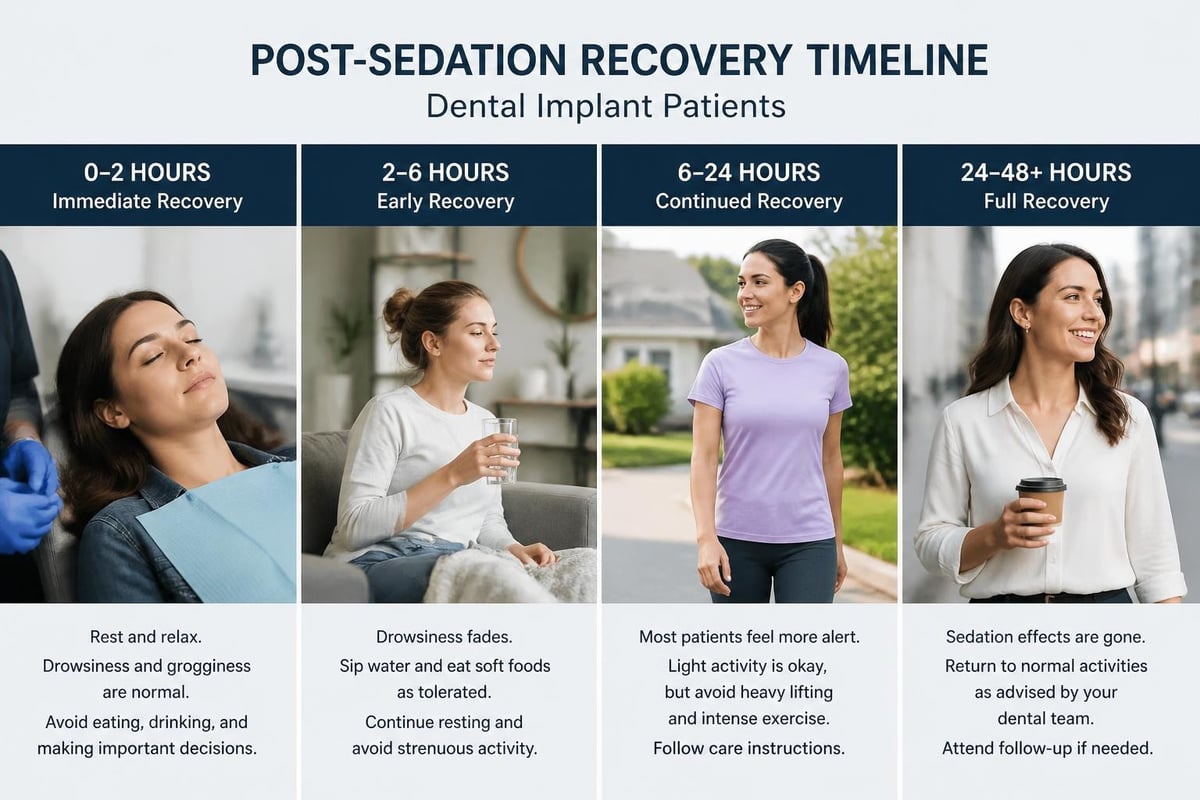
Recovery time varies based on the sedation type used. Nitrous oxide wears off within minutes, while IV sedation may require several hours before you feel completely alert. Someone must drive you home and stay with you for at least 24 hours following moderate to deep sedation.
Post-Sedation Recovery Guidelines:
- Rest for the remainder of the day
- Avoid operating machinery or making important decisions for 24 hours
- Stay hydrated with clear fluids initially
- Follow prescribed pain medication schedule
- Apply ice packs as directed to minimize swelling
- Maintain soft food diet for the first few days
Safety Considerations and Qualifications in Texas
Patient safety remains the paramount concern when combining sedation with dental implant surgery. Texas maintains strict regulations governing sedation dentistry to protect patients and ensure quality care.
Texas Dental Board Regulations
The Texas State Board of Dental Examiners requires specific permits for dentists administering various levels of sedation. Dentists must complete advanced training beyond dental school and maintain current certifications in emergency protocols. When seeking sedation dentistry for implants in Texas, verify your dentist holds appropriate permits for the sedation level you'll receive.
Medical Screening and Contraindications
Certain medical conditions may affect sedation safety. Your dental team evaluates factors including cardiovascular health, respiratory function, obesity, pregnancy, and medication interactions. Honesty during your medical history review ensures the safest possible experience.
Conditions Requiring Special Consideration:
- Obstructive sleep apnea
- Heart disease or recent cardiac events
- Uncontrolled high blood pressure
- Severe lung disease or asthma
- Pregnancy or breastfeeding
- History of adverse reactions to anesthesia
Emergency Preparedness
Accredited dental practices maintain emergency equipment and medications on-site. Staff members receive regular training in emergency response procedures. The presence of monitoring equipment tracking heart rate, blood pressure, and oxygen levels provides continuous safety oversight throughout your procedure.
Cost Factors for Sedation Dentistry for Implants in Texas
Understanding the financial aspects of sedated dental implant procedures helps you budget appropriately and explore payment options. Costs vary based on multiple factors specific to your treatment plan.
Sedation Cost Breakdown
Sedation fees are typically charged separately from the dental implant procedure itself. Prices across Texas dental practices generally fall within these ranges:
| Sedation Type | Average Cost Range | Duration Coverage |
|---|---|---|
| Nitrous oxide | $75 – $150 | Per appointment |
| Oral conscious sedation | $250 – $500 | Single procedure |
| IV sedation | $500 – $1,200 | Per hour |
| General anesthesia | $1,000 – $2,500 | Complete procedure |
These costs come in addition to the dental implant procedure itself, which typically ranges from $3,000 to $6,000 per implant depending on complexity and location. Learning more about dental implant cost structures helps you plan your investment in oral health.
Insurance Coverage and Payment Plans
Most dental insurance plans classify sedation as an optional service rather than a medical necessity, resulting in limited or no coverage. However, exceptions exist for patients with documented dental phobia, special needs, or medical conditions requiring sedation for safe treatment.
Many Texas dental practices, including those serving communities like Seguin and New Braunfels, offer financing options through third-party healthcare credit companies. These plans often feature low or no-interest periods, making comprehensive dental implant treatment with sedation more accessible.
Financial Planning Tips:
- Request detailed cost estimates including all sedation and implant fees
- Check whether your insurance covers any portion of sedation
- Explore healthcare savings accounts (HSA) or flexible spending accounts (FSA)
- Compare financing options and interest rates
- Consider the value of completing multiple implants in one sedated session
Choosing the Right Sedation Dentist in Texas
Selecting a qualified provider for your sedated dental implant procedure significantly impacts your experience and outcomes. Several key factors deserve consideration during your selection process.
Credentials and Experience
Verify your dentist's educational background, specialized training in implant dentistry, and sedation certifications. Dentists who regularly perform sedated implant procedures develop refined skills and efficient protocols that benefit patients. Ask about the number of dental implant procedures performed annually and their success rates.
Technology and Facility Standards
Modern dental practices invest in advanced diagnostic imaging, surgical guides, and monitoring equipment. Latest dental implant technology enhances precision and reduces treatment time. Facility cleanliness and sterilization protocols directly impact infection prevention and overall safety.
Patient Reviews and Communication
Reading experiences from previous patients provides insight into comfort levels, results, and practice responsiveness. Pay attention to comments regarding anxiety management, staff compassion, and post-procedure support. Equally important is your personal comfort with the dentist during consultation. A provider who listens carefully, answers questions thoroughly, and respects your concerns creates the foundation for a positive experience.
Geographic Accessibility
For patients across Texas, choosing a conveniently located practice reduces travel stress before and after sedated procedures. With locations in Beeville, Converse, Leander, New Braunfels, and Seguin, accessibility becomes less of a barrier to receiving quality sedated implant care. Understanding how to choose the best implant dentist in Texas streamlines your decision-making process.
Comparing Sedation Options: Making Your Decision
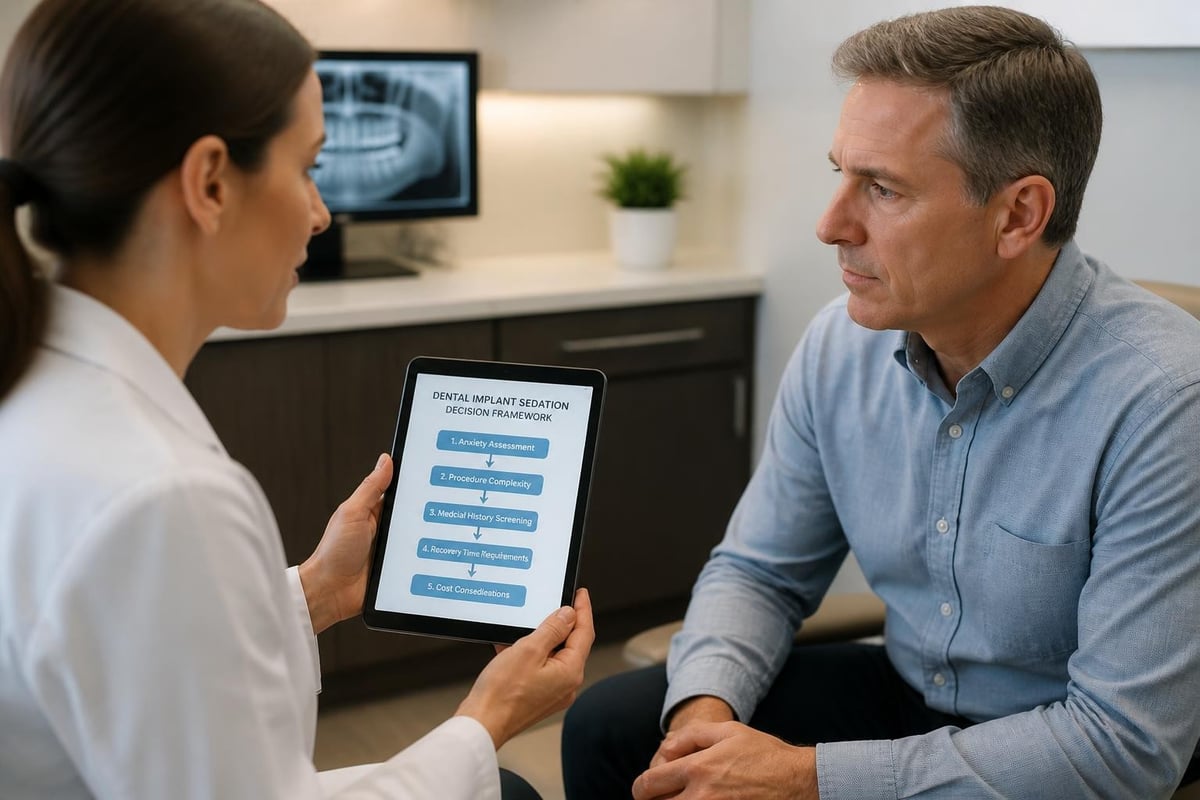
Different patients require different approaches to sedation dentistry for implants in Texas. Evaluating your personal circumstances against each option's characteristics guides you toward the best choice.
Factors Influencing Your Sedation Choice
Anxiety Level Assessment
Rate your dental anxiety on a scale from 1 to 10. Scores of 1-3 might indicate nitrous oxide suffices, while 4-7 suggests oral or IV sedation, and 8-10 may warrant general anesthesia. Your honest self-assessment helps your dental team recommend appropriate options.
Procedure Complexity
Single implant placements often proceed smoothly with lighter sedation, while full-mouth reconstruction or multiple implants typically benefit from deeper sedation levels. The anticipated procedure duration also influences recommendations.
Medical History Considerations
Certain health conditions steer recommendations toward specific sedation types. For example, patients with respiratory issues might avoid general anesthesia when possible, while those with severe gag reflexes often benefit from deeper sedation regardless of procedure complexity.
Recovery Time Availability
Your schedule and support system affect practical sedation choices. If you cannot arrange transportation or time off work, nitrous oxide's quick recovery offers advantages. Conversely, if comfort outweighs schedule concerns, deeper sedation methods provide superior anxiety relief.
The Consultation Process
During your initial appointment, expect comprehensive discussion about sedation options. This conversation should cover benefits, risks, costs, and recovery expectations for each method. Come prepared with questions about:
- Your dentist's specific experience with each sedation type
- Emergency protocols and equipment available
- Expected recovery timeline and restrictions
- Total cost including all fees
- Alternative approaches if contraindications exist
Quality dental providers encourage questions and never rush your decision-making process. They understand that informed, comfortable patients achieve better outcomes.
Special Considerations for Different Patient Groups
Sedation dentistry for implants in Texas serves diverse populations with unique needs. Tailoring approaches to specific patient groups optimizes safety and effectiveness.
Older Adults and Seniors
Patients over 65 represent the fastest-growing demographic receiving dental implants. Age-related changes in metabolism, medication interactions, and chronic health conditions require careful sedation planning. However, with appropriate medical clearance and monitoring, seniors safely benefit from sedated implant procedures.
Reduced bone density common in older adults sometimes necessitates bone grafting alongside implant placement. Sedation allows these extended procedures to proceed comfortably in single appointments rather than multiple stressful visits.
Patients with Medical Complexities
Individuals managing diabetes, heart disease, or autoimmune conditions require coordinated care between their dentist and medical providers. Sedation protocols may need adjustment, but these patients frequently prove excellent candidates for dental implants under sedation.
For instance, diabetic patients benefit from completing lengthy procedures in one sedated session rather than multiple appointments, as this approach minimizes stress-related blood sugar fluctuations.
Young Adults and First-Time Implant Recipients
Adults in their 30s and 40s who lost teeth due to injury or congenital conditions often experience significant anxiety about dental procedures. This demographic typically responds well to oral conscious sedation or IV sedation, which provides comfort without the recovery intensity of general anesthesia.
Understanding the comparison between dental implants vs dentures helps younger patients make informed long-term decisions about tooth replacement.
Patients with Extreme Dental Phobia
Some individuals have avoided dental care for years due to severe anxiety or traumatic past experiences. For these patients, general anesthesia often provides the only viable path to receiving necessary implant treatment. The complete lack of awareness during treatment can actually help break the cycle of dental avoidance.
Maximizing Your Sedation Dentistry Experience
Preparation and mindset significantly influence your sedation dentistry outcomes. Following best practices before, during, and after your procedure enhances comfort and results.
Pre-Procedure Optimization
Physical Preparation:
- Get adequate sleep the night before your appointment
- Stay well-hydrated in the days leading up to surgery
- Follow all fasting instructions precisely
- Take prescribed pre-medications exactly as directed
- Wear comfortable clothing with short sleeves for IV access if applicable
Mental Preparation:
- Practice relaxation breathing techniques
- Visualize a successful, comfortable procedure
- Remind yourself of the qualified professionals managing your care
- Focus on your restored smile as the end goal
- Communicate any last-minute concerns to your dental team
Day-of-Procedure Success Strategies
Arrive at your appointment early to complete any remaining paperwork and allow yourself time to relax. Bringing a trusted friend or family member provides emotional support and ensures safe transportation home.
Communicate openly with your dental team about comfort levels throughout pre-procedure preparations. They can adjust their approach or provide additional reassurance as needed.
Post-Procedure Recovery Excellence
Following discharge instructions meticulously promotes healing and prevents complications. Common recovery guidelines include:
First 24 Hours:
- Rest with head elevated to minimize swelling
- Apply ice packs 15 minutes on, 15 minutes off
- Take pain medications as prescribed, not waiting until pain becomes severe
- Consume only soft, cool foods and avoid hot liquids
- Refrain from smoking or alcohol consumption
- Avoid strenuous activity or exercise
Days 2-7:
- Gradually reintroduce foods as comfort allows
- Continue pain management as needed
- Begin gentle saltwater rinses after 24 hours
- Monitor for signs of infection or complications
- Attend follow-up appointments as scheduled
- Maintain overall oral hygiene while protecting surgical sites
Understanding Risks and How to Minimize Them
While sedation dentistry maintains an excellent safety record, understanding potential risks and mitigation strategies demonstrates responsible healthcare decision-making.
Common Side Effects
Most patients experience minor, temporary effects from dental sedation including drowsiness, dry mouth, nausea, or headache. These typically resolve within hours to one day following treatment. More significant side effects occur rarely but may include prolonged drowsiness, dizziness, or respiratory depression.
Risk Reduction Strategies:
- Complete thorough medical history disclosure
- Follow all pre-procedure instructions exactly
- Ensure continuous monitoring during sedation
- Have qualified staff trained in emergency response
- Maintain open communication about symptoms during recovery
Implant-Specific Considerations
Beyond sedation risks, dental implant procedures carry their own considerations including infection risk, nerve damage, or implant failure. However, success rates for dental implants exceed 95% when performed by qualified professionals following proper protocols.
Combining sedation with implant surgery doesn't increase implant-specific risks. In fact, the relaxation provided by sedation may reduce movement and tension that could complicate surgical precision.
When to Contact Your Dentist
While most recovery proceeds smoothly, certain symptoms warrant immediate professional attention:
- Excessive bleeding that doesn't respond to pressure
- Severe pain uncontrolled by prescribed medications
- Fever above 101°F
- Significant swelling that worsens after 48 hours
- Numbness persisting beyond expected timeline
- Difficulty breathing or swallowing
Having clear after-hours contact information before your procedure ensures prompt response if concerns arise.
Alternative Approaches and Complementary Strategies
While sedation offers powerful anxiety management, some patients explore complementary approaches or alternatives that enhance comfort without pharmaceutical intervention.
Non-Pharmacological Anxiety Management
Behavioral Techniques:
- Cognitive behavioral therapy (CBT) specifically for dental anxiety
- Progressive muscle relaxation exercises
- Guided imagery and meditation
- Acupuncture or acupressure
- Aromatherapy in the dental office
These methods can supplement lighter sedation levels or help patients who cannot undergo sedation due to medical contraindications.
Staged Treatment Approach
Rather than completing all implant placements in one sedated session, some patients prefer spacing treatments across multiple appointments with lighter sedation each time. This approach works well for individuals with moderate anxiety who want to maintain more control while still benefiting from relaxation support.
The Local Anesthesia Only Option
Patients with minimal anxiety who understand the dental implant procedure thoroughly may choose to proceed with only local anesthesia. Modern local anesthetics provide complete numbness, and many patients tolerate implant placement well without additional sedation.
However, being informed about your options, including the significant comfort advantages of sedation dentistry for implants in Texas, allows you to make choices aligned with your personal needs rather than feeling pressured by misconceptions about "toughness" or unnecessary expense.
Frequently Asked Questions About Sedation for Dental Implants
How long does sedation last after dental implant surgery?
Duration varies by sedation type. Nitrous oxide wears off within 5-10 minutes after discontinuation. Oral conscious sedation effects typically fade within 4-6 hours, though you may feel drowsy for up to 24 hours. IV sedation grogginess usually resolves within 2-4 hours, but full alertness may take 24 hours. General anesthesia requires the longest recovery, with patients needing several hours before discharge and 24-48 hours before feeling completely normal.
Can I eat before my sedated dental implant procedure?
This depends entirely on your sedation level. For nitrous oxide, you can eat a light meal 2-3 hours before your appointment. Oral conscious sedation typically requires fasting for 4-6 hours beforehand. IV sedation and general anesthesia mandate complete fasting (no food or drink, including water) for 6-8 hours prior to treatment. Your dental team provides specific instructions based on your planned sedation method.
Is sedation dentistry safe for people with health conditions?
With proper medical screening and coordination with your physicians, most patients with chronic health conditions safely receive sedation dentistry. Dentists adjust sedation protocols based on your specific conditions. For example, patients with controlled diabetes, heart disease, or respiratory issues often successfully undergo sedated dental implant procedures. However, certain severe or uncontrolled conditions may contraindicate specific sedation types, requiring alternative approaches or medical optimization before proceeding.
Will I remember anything from my dental implant procedure?
Memory retention varies with sedation depth. Nitrous oxide allows complete awareness and memory formation. Oral conscious sedation typically creates spotty memories or complete amnesia for the procedure. IV sedation usually results in little to no memory of treatment. General anesthesia prevents all memory formation during unconsciousness. Many patients appreciate the lack of procedural memories, as it eliminates potential sources of future anxiety.
How much does sedation add to dental implant costs?
Sedation fees typically range from $75 for nitrous oxide to $2,500 for general anesthesia, as detailed earlier in this article. These costs come in addition to implant placement fees. While sedation increases upfront expenses, many patients find the investment worthwhile for the comfort and ability to complete multiple implants in single appointments. Discussing your budget with your dental team helps identify the most appropriate sedation option within your financial parameters.
Can I drive myself home after sedation dentistry?
Only after nitrous oxide can you safely drive yourself home. All other sedation levels require a responsible adult to drive you home and remain with you for several hours. This requirement exists because sedative medications impair reaction time, judgment, and coordination even after you feel alert. Plan ahead to arrange appropriate transportation as a safety precaution.
Who qualifies as a good candidate for sedation dentistry?
Most adults seeking dental implants qualify for some level of sedation. Ideal candidates include those with dental anxiety, complex treatment needs, medical conditions affecting treatment tolerance, or desire for consolidated treatment appointments. Patients must undergo medical screening to ensure safety. Those with certain severe health conditions, pregnancy, or specific medication interactions may require modified approaches or alternative sedation methods.
What happens if I have complications during sedated treatment?
Qualified sedation dentistry providers maintain emergency equipment and medications on-site to manage any complications immediately. Staff training in emergency response ensures rapid, appropriate intervention if needed. Continuous monitoring of vital signs allows early detection of developing issues before they become serious. While complications remain rare, this preparedness ensures patient safety throughout treatment.
Does insurance cover sedation for dental implants?
Coverage varies significantly between insurance plans. Most classify sedation as elective unless medical necessity is documented. Some plans provide partial coverage for oral conscious sedation or IV sedation when supporting documentation from physicians demonstrates medical justification. Reviewing your specific policy and working with your dental office's insurance coordinator clarifies your benefits. Many practices offer financing options to make sedation accessible regardless of insurance coverage.
How do I prepare my child or teenager for sedated dental implants?
While most dental implant patients are adults, teenagers sometimes require implants after injuries. Age-appropriate explanation focusing on comfort and safety reduces anxiety. Avoid using frightening words like "pain" or "needle." Instead, emphasize that special "sleepy medicine" ensures they feel comfortable and won't remember the procedure. Having parents present during pre-procedure preparation provides additional reassurance. Pediatric sedation protocols include extra safety precautions and monitoring specific to younger patients' physiology.
Evaluating Your Candidacy for Dental Implants with Sedation
Not everyone proves an ideal candidate for immediate dental implant placement. Understanding eligibility criteria helps set realistic expectations and identify any preparatory work needed.
Bone Density Requirements
Successful implant integration requires adequate jawbone volume and density. Patients who experienced tooth loss years ago may have significant bone resorption. Fortunately, bone grafting procedures can rebuild lost bone structure, and these grafting procedures often benefit from sedation as well. Modern imaging technology allows precise assessment of bone adequacy before finalizing treatment plans.
Overall Health Assessment
Who is a good candidate for dental implants extends beyond bone health to include overall medical status. Uncontrolled diabetes, active cancer treatment, or severe immune system disorders may require stabilization before proceeding. However, most patients with managed chronic conditions qualify for implant treatment.
Oral Health Optimization
Active gum disease requires treatment before implant placement. Periodontal infection undermines implant success and increases complication risks. Your dental team evaluates gum health and provides necessary periodontal treatment as preparation for implant surgery.
Lifestyle Factors
Smoking significantly compromises healing and implant success rates. While not an absolute contraindication, many dental professionals encourage smoking cessation for at least two weeks before and after implant surgery. Similarly, heavy alcohol consumption requires discussion regarding temporary abstinence to support optimal healing.
Realistic Expectations
Successful sedation dentistry for implants in Texas requires patient understanding of recovery timelines, temporary diet modifications, and the multi-month process from implant placement to final crown attachment. Patients willing to commit to proper aftercare and follow-up appointments achieve the best long-term outcomes.
The Future of Sedation Dentistry and Dental Implants
Ongoing innovations continue improving both dental implant technology and sedation methods, promising even better patient experiences in coming years.
Technological Advancements
Computer-guided implant surgery using 3D imaging and surgical guides increases precision while reducing procedure time. Shorter procedures may allow lighter sedation levels to provide adequate comfort. Additionally, improved implant surface treatments promote faster osseointegration, potentially reducing overall treatment timelines.
Sedation Innovations
Pharmaceutical research continues developing sedative medications with faster onset, more predictable effects, and quicker recovery profiles. These improvements may expand access to sedation dentistry while minimizing recovery inconvenience.
Patient Education Evolution
Virtual reality technology now allows prospective patients to "experience" procedures before undergoing treatment, reducing anxiety through familiarity. Online consultations and digital treatment planning enhance convenience and comfort throughout the process.
Accessibility Improvements
As dental implants become increasingly mainstream, more insurance plans are expanding coverage. Similarly, greater awareness of sedation dentistry benefits encourages insurers to recognize legitimate medical indications for sedation coverage. These trends make comprehensive implant treatment with sedation more accessible to broader patient populations across Texas.
Sedation dentistry for implants in Texas transforms dental anxiety from a barrier into a manageable aspect of comprehensive oral health restoration, allowing thousands of patients to achieve complete, functional smiles they previously thought impossible. Whether you're considering a single implant or full-mouth reconstruction, the combination of advanced implant techniques and appropriate sedation creates a comfortable pathway to renewed confidence and improved quality of life. Dental Plus Clinic serves patients across Beeville, Seguin, New Braunfels, Leander, and Converse with comprehensive sedation options tailored to individual needs, modern technology, and compassionate care teams committed to making your dental implant journey as comfortable as possible. Contact our team today to schedule your consultation and discover how sedation dentistry can help you achieve the healthy, complete smile you deserve.