

A severe toothache can disrupt your entire day, making it difficult to eat, sleep, or concentrate on daily tasks. When sharp, throbbing, or constant dental pain strikes, understanding the underlying causes and knowing the appropriate steps to take can make the difference between a minor inconvenience and a serious health complication. The intensity of tooth pain often signals that something significant requires professional attention, and recognizing the warning signs helps protect both your immediate comfort and long-term oral health.
Understanding What Causes Severe Toothache
Dental pain rarely appears without reason. Multiple conditions can trigger intense discomfort, each requiring specific diagnostic approaches and treatment strategies.
Dental Decay and Cavities
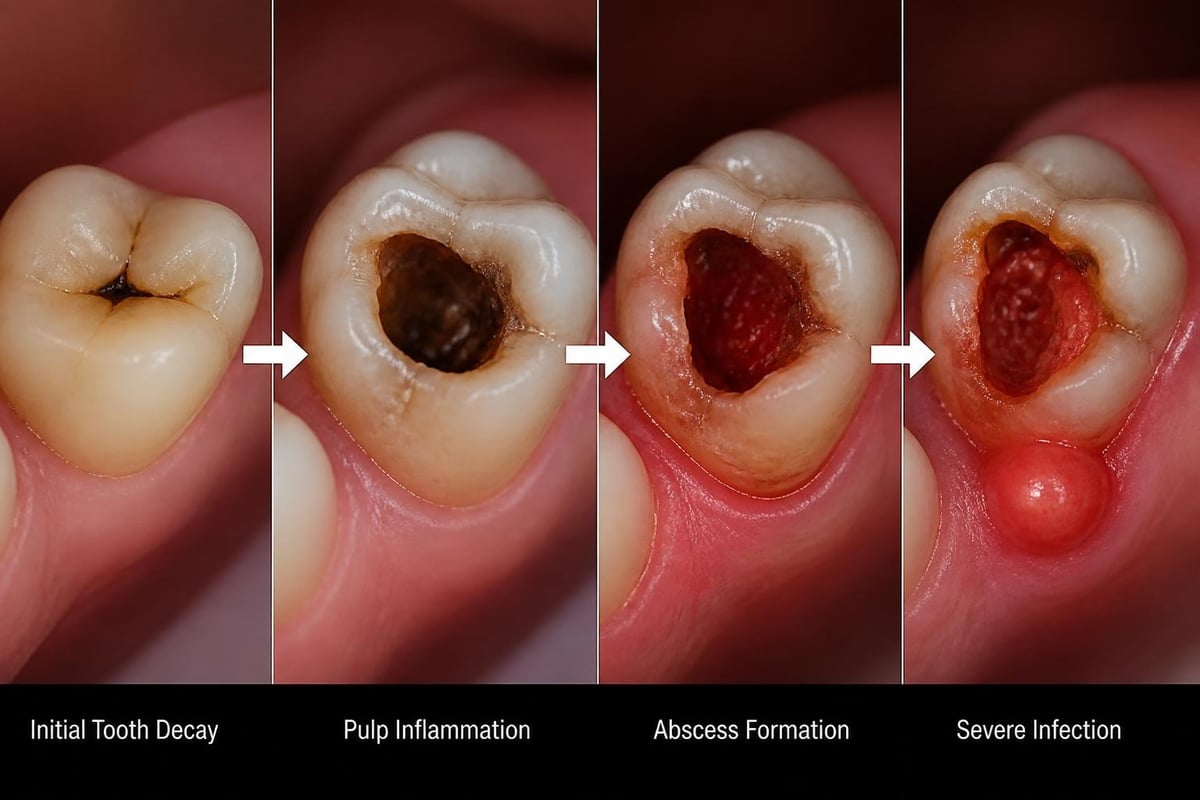
Untreated cavities represent one of the most common causes of severe toothache. When bacteria penetrate the protective enamel layer and reach the softer dentin beneath, the tooth becomes increasingly sensitive. As decay progresses deeper into the tooth structure, it eventually approaches or invades the pulp chamber, where nerves and blood vessels reside. This invasion creates inflammation and pressure within the confined space, resulting in significant pain that may worsen when consuming hot, cold, or sweet foods and beverages.
Key warning signs of advanced decay include:
- Sharp pain when biting down on the affected tooth
- Visible holes or dark spots on tooth surfaces
- Persistent sensitivity that lingers after removing the stimulus
- Sweet taste or bad breath from the affected area
The progression from minor sensitivity to severe toothache can occur gradually or accelerate rapidly, depending on the decay's location and the individual's oral health status.
Dental Abscess and Infection
A dental abscess develops when bacteria invade the tooth's pulp chamber or the surrounding bone and tissue. This infection creates a pocket of pus that builds pressure within confined spaces, causing intense, throbbing pain that may radiate to the jaw, ear, or neck. According to the CDC’s evidence-based guidelines on dental infections, understanding when antibiotics are appropriate versus when immediate dental intervention is necessary can prevent serious complications.
| Abscess Type | Location | Primary Symptoms | Urgency Level |
|---|---|---|---|
| Periapical | Tooth root tip | Constant throbbing, swelling at gum line | High |
| Periodontal | Gum tissue | Painful swelling, pus discharge, loose tooth | High |
| Gingival | Surface gum tissue | Localized swelling, redness, discomfort | Moderate |
Untreated abscesses can spread to surrounding tissues, the jawbone, and in rare cases, to other parts of the body through the bloodstream. Understanding how infections can affect overall health emphasizes why prompt treatment is essential.
Cracked or Fractured Teeth
Tooth fractures can result from trauma, grinding habits, or biting hard objects. Even small cracks can expose the sensitive inner layers of the tooth, causing sharp pain when chewing or when the tooth experiences temperature changes. Some fractures remain invisible to the naked eye but create significant discomfort as bacteria enter the compromised structure.
Common causes of tooth fractures:
- Chewing ice, hard candy, or unpopped popcorn kernels
- Teeth grinding (bruxism) during sleep
- Sports injuries or facial trauma
- Large existing fillings that weaken tooth structure
- Sudden temperature changes (hot food followed by ice water)
The pain from a cracked tooth may be intermittent, appearing only when pressure is applied in specific ways, making diagnosis challenging without professional examination.
Gum Disease and Periodontal Issues
Advanced gum disease creates pockets between teeth and gums where bacteria accumulate, leading to inflammation, infection, and bone loss. While gum disease typically causes dull, aching discomfort rather than sharp pain, severe cases can produce intense toothache when infection affects the tooth's supporting structures. Specific infections like pericoronitis around partially erupted wisdom teeth can cause particularly severe pain.
Damaged or Lost Fillings and Crowns
When dental restorations fail, they expose the vulnerable inner tooth structure to bacteria, temperature changes, and pressure. A lost filling or crown can trigger immediate, severe toothache as the previously protected area suddenly becomes vulnerable. This situation requires prompt attention to prevent further damage and infection.
Immediate Steps for Severe Toothache Relief
While professional dental care remains essential, several measures can provide temporary relief until you can reach a dentist.
Pain Management Strategies
Over-the-counter pain relievers serve as the first line of defense against severe toothache. Nonsteroidal anti-inflammatory drugs (NSAIDs) like ibuprofen reduce both pain and inflammation, while acetaminophen addresses pain without anti-inflammatory effects. Always follow package directions and consult with healthcare providers about appropriate dosages, especially if you take other medications or have existing health conditions.
Cold compresses applied to the outside of the cheek can reduce swelling and numb the area, providing temporary relief. Apply the compress for fifteen to twenty minutes at a time, with breaks in between to prevent tissue damage.
Oral Hygiene Measures
Gentle brushing and flossing around the affected area removes food particles and bacteria that may exacerbate pain. Use lukewarm water rather than hot or cold, which can trigger increased sensitivity. Rinsing with warm salt water (one-half teaspoon of salt in eight ounces of water) helps reduce bacteria and soothe inflamed tissues.
Avoid these common mistakes:
- Never apply aspirin directly to the gum or tooth (can cause tissue burns)
- Don't use extremely hot or cold rinses
- Avoid chewing on the affected side
- Don't ignore worsening symptoms while relying only on home remedies
Dietary Modifications
Stick to soft, room-temperature foods that require minimal chewing. Avoid sugary items that feed bacteria and acidic foods that can irritate sensitive areas. Getting proper help with tooth pain includes understanding which foods and beverages to avoid during acute episodes.

When Severe Toothache Requires Emergency Care
Certain symptoms indicate that immediate professional attention is necessary rather than waiting for a scheduled appointment.
Red Flag Symptoms
Seek emergency dental care immediately if you experience:
- Fever above 101°F (38.3°C) accompanied by dental pain
- Significant facial swelling, especially around the eyes or jaw
- Difficulty breathing or swallowing
- Severe pain that doesn't respond to over-the-counter medications
- Bleeding that won't stop after applying pressure
- Trauma resulting in tooth displacement or loss
According to NHS guidance on toothache, these symptoms may indicate a spreading infection requiring urgent intervention. The American Academy of Pediatrics provides specific guidance for children experiencing dental emergencies, including knocked-out teeth and severe pain.
Time-Sensitive Situations
Certain dental emergencies become more difficult to treat successfully as time passes. A knocked-out permanent tooth has the best chance of successful reimplantation if treated within one hour. An abscess can spread to surrounding tissues and bone within days. Understanding how quickly tooth infections can spread helps patients recognize the urgency of seeking care.
Finding Emergency Dental Services
Many dental practices, including those at Dental Plus Clinic, offer emergency appointment slots for acute situations. When severe toothache strikes outside regular business hours, options include:
- Contacting your regular dentist's after-hours emergency line
- Visiting urgent care centers with dental services
- Going to hospital emergency departments for severe infections or trauma
- Using dental hotlines that can provide guidance and referrals
Having a plan before an emergency occurs saves precious time when severe toothache strikes.
Professional Diagnosis and Treatment Options
Accurate diagnosis forms the foundation of effective treatment for severe toothache. Dental professionals employ multiple tools and techniques to identify the underlying cause.
Diagnostic Procedures
Visual examination provides initial information about visible decay, cracks, or gum inflammation. Dental X-rays reveal problems beneath the surface, including abscesses, bone loss, impacted teeth, and the extent of decay. Digital imaging technology available at modern facilities allows immediate viewing and detailed analysis.
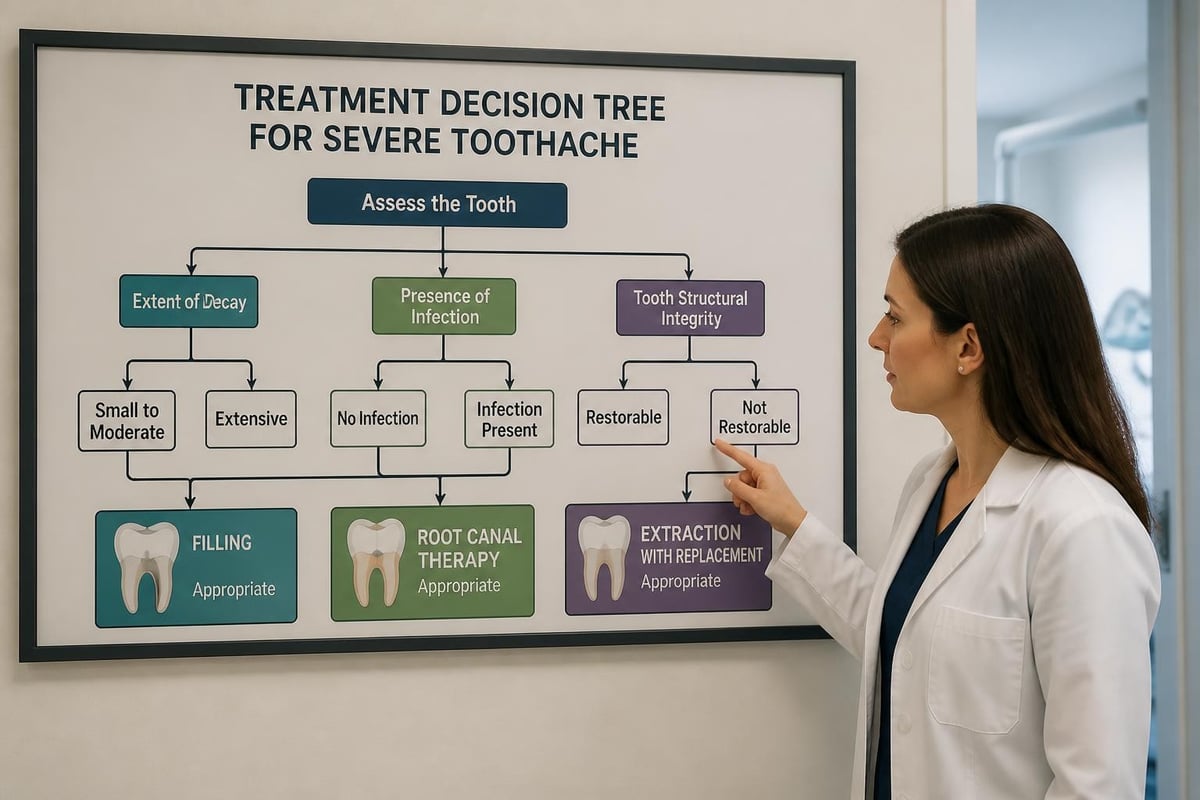
Pulp vitality testing determines whether the tooth's nerve is alive, inflamed, or dead, guiding treatment decisions between fillings, root canals, or extraction. Percussion and palpation tests identify which specific tooth causes pain when multiple teeth are involved.
| Diagnostic Tool | Purpose | Information Revealed |
|---|---|---|
| Visual exam | Surface assessment | Visible decay, cracks, swelling |
| X-rays | Internal imaging | Hidden decay, abscesses, bone loss |
| Pulp testing | Nerve vitality | Extent of nerve damage |
| Percussion | Pain localization | Specific tooth identification |
Root Canal Therapy
When infection or inflammation reaches the tooth's pulp chamber, root canal treatment often represents the best option for saving the tooth. This procedure removes the damaged pulp tissue, cleans and disinfects the inner chambers, and seals the space to prevent reinfection. Research on pain outcomes after emergency endodontic treatments demonstrates that most patients experience significant relief following root canal therapy for severe toothache.
The root canal process typically involves:
- Local anesthesia to ensure comfort during the procedure
- Removal of damaged pulp tissue and nerves
- Thorough cleaning and shaping of the root canals
- Filling the cleaned canals with biocompatible material
- Placing a crown to restore function and protect the tooth
Modern techniques and anesthesia make root canal therapy far more comfortable than its reputation suggests. Most patients report that the relief from severe toothache far outweighs any procedural discomfort.
Extraction and Replacement Options
When a tooth is too damaged to save or when other factors make preservation impractical, extraction may be necessary. Removing the source of infection provides immediate relief from severe toothache, though it creates the need for tooth replacement to maintain proper bite alignment and jaw function.
Replacement options include dental bridges, partial dentures, and implants. Modern dental implant technology offers permanent solutions that look and function like natural teeth. For patients considering implant options, understanding dental implants versus dentures helps in making informed decisions about long-term oral health.
Antibiotic Therapy
Antibiotics play a specific role in dental infection management but do not substitute for definitive dental treatment. They help control spreading infection and reduce bacteria levels before procedures, but they cannot cure the underlying problem. The tooth's interior lacks blood supply once the pulp dies, preventing antibiotics from reaching the infection source within the tooth structure.
Dentists prescribe antibiotics when:
- Infection has spread beyond the tooth to surrounding tissues
- Systemic symptoms like fever are present
- The patient has compromised immune function
- Surgery is planned and infection control is necessary
Completing the full antibiotic course as prescribed remains critical, even when symptoms improve, to prevent antibiotic resistance and ensure complete infection control.
Preventing Future Severe Toothache Episodes
Taking proactive steps significantly reduces the risk of experiencing severe toothache in the future.
Regular Dental Examinations
Professional cleanings and examinations every six months allow early detection of problems before they cause severe toothache. Dentists can identify small cavities, early gum disease, and other issues that are easily treated in their initial stages. Understanding what types of treatments general dentists provide helps patients appreciate the comprehensive preventive care available.
Benefits of routine dental visits:
- Early cavity detection when simple fillings suffice
- Professional cleaning that removes hardened tartar
- Screening for oral cancer and other serious conditions
- Personalized advice for improving home care
- Cost savings by avoiding expensive emergency treatments
Daily Oral Hygiene Practices
Brushing twice daily with fluoride toothpaste and flossing once daily removes the bacterial film that causes decay and gum disease. The question of whether to brush or floss first matters less than ensuring both happen thoroughly. Using antimicrobial mouthwash provides additional protection, though understanding differences between mouthwashes helps in selecting the most beneficial product.
Proper technique matters as much as frequency. Hold your toothbrush at a forty-five-degree angle to the gum line, using gentle circular motions rather than harsh back-and-forth scrubbing that can damage enamel and irritate gums.
Dietary Considerations for Oral Health
Limiting sugar consumption reduces the fuel available for bacteria that produce tooth-damaging acids. Understanding whether Coke and similar beverages ruin teeth highlights the importance of moderating acidic and sugary drinks. When you do consume these items, rinsing with water afterward helps neutralize acids and wash away sugars.
Foods that support dental health include:
- Dairy products rich in calcium and phosphorus
- Crunchy vegetables that stimulate saliva production
- Lean proteins that provide essential nutrients
- Water that rinses the mouth and prevents dry mouth
- Foods high in vitamin C that support gum health
Dry mouth can contribute to cavity development, making adequate hydration and saliva production important for preventing the decay that leads to severe toothache.
Protective Measures for At-Risk Teeth
People who grind their teeth during sleep benefit from custom nightguards that prevent the excessive wear and fractures that can cause severe toothache. Athletes should wear properly fitted mouthguards during contact sports to prevent dental trauma.
Addressing underlying issues like tooth sensitivity before they progress to severe toothache involves using desensitizing toothpaste, avoiding acidic foods, and seeking professional treatment for exposed root surfaces or worn enamel.
Financial Considerations for Severe Toothache Treatment
The cost of treating severe toothache varies based on the underlying cause and required procedures, but addressing problems promptly typically costs less than delaying care.
Understanding Dental Insurance Coverage
Most dental insurance plans cover emergency examinations and necessary treatments like root canals and extractions, though coverage levels vary. Navigating in-network versus out-of-network dentists affects out-of-pocket costs significantly. When dental insurance denies claims, understanding the appeals process and alternative payment options becomes essential.
Typical coverage levels for common treatments:
| Procedure | Preventive | Basic | Major |
|---|---|---|---|
| Emergency exam | 80-100% | 80-100% | N/A |
| Fillings | N/A | 70-80% | N/A |
| Root canal | N/A | N/A | 50-60% |
| Extraction | N/A | 70-80% | N/A |
| Crown | N/A | N/A | 50% |
Payment Options and Savings Programs
For patients without insurance or facing high out-of-pocket costs, various strategies can reduce dental care expenses. Many dental practices offer payment plans that spread costs over several months, making expensive treatments more manageable.
Dental Plus Clinic provides savings programs designed to make quality care affordable for patients throughout Texas. These membership plans often include discounts on preventive services, examinations, and treatment procedures.
The True Cost of Delayed Treatment
Postponing treatment for severe toothache due to cost concerns typically results in higher expenses. A small cavity requiring a simple filling can progress to need root canal therapy and a crown, multiplying costs significantly. An untreated infection can spread, requiring extraction and tooth replacement rather than preservation. Viewing dental implants as a long-term investment rather than an immediate expense helps in understanding the value of preserving natural teeth whenever possible.
Special Considerations for Different Age Groups
Severe toothache affects patients differently depending on their age and developmental stage.
Children and Severe Toothache
Pediatric dental emergencies require specialized approaches. Young children may struggle to articulate the location or intensity of pain, making parental observation of behavioral changes important. Helping children avoid tooth decay through proper oral hygiene habits, fluoride use, and dietary guidance prevents many cases of severe toothache.
Primary teeth still require treatment when causing severe toothache, even though they'll eventually fall out. Untreated infections can damage developing permanent teeth and create serious health risks.
Adolescents and Wisdom Teeth
Teenagers and young adults often experience severe toothache related to erupting wisdom teeth. These third molars frequently lack adequate space, becoming impacted and causing pain, swelling, and infection. Orthodontic considerations also come into play during adolescence, as crooked teeth can create hard-to-clean areas prone to decay.
Seniors and Age-Related Concerns
Older adults face unique challenges including gum recession that exposes sensitive root surfaces, dry mouth from medications, and existing dental work that may fail over time. Understanding why some people develop cavities more easily helps seniors take targeted preventive action.
Seniors with existing health conditions must coordinate dental treatment with their medical providers, as some procedures may require adjustments to medications like blood thinners or diabetes management.
Long-Term Outlook After Severe Toothache Treatment
Successful treatment of severe toothache typically provides complete relief and restores normal function, though the specific outcome depends on the treatment type and the tooth's condition.
Recovery and Healing Expectations
Post-treatment timelines vary:
- Simple fillings: Immediate relief with possible minor sensitivity for a few days
- Root canal therapy: Gradual improvement over several days as inflammation subsides
- Extraction: Initial soreness for three to five days, complete healing in several weeks
- Abscess drainage: Rapid pain reduction with continued healing over one to two weeks
Following post-operative instructions carefully ensures optimal healing and prevents complications. This includes taking prescribed medications, avoiding certain foods, maintaining gentle oral hygiene, and attending follow-up appointments.
Maintaining Treated Teeth
Teeth treated for severe toothache require ongoing care to ensure longevity. Root canal-treated teeth benefit from crown placement to protect against fracture. All restored teeth need regular examinations to monitor for signs of recurring problems.
Whether small cavities can heal themselves is a common question, but once decay reaches a certain depth, professional restoration becomes necessary to prevent progression to severe toothache.
Monitoring for Recurrence
While properly treated teeth can last for decades, patients should remain alert to changes that might indicate new problems. Regular dental visits allow early detection of issues around existing restorations before they cause severe toothache. Knowing how to identify cavity development helps patients seek timely care.
Cosmetic Considerations After Emergency Treatment
Beyond resolving severe toothache, many patients want to ensure that emergency treatments produce aesthetically pleasing results.
Options for Visible Teeth
Front teeth requiring extensive treatment present cosmetic challenges. Modern materials and techniques allow dental professionals to create restorations that match natural tooth color and translucency. What cosmetic dentists can do extends beyond elective procedures to include aesthetic emergency treatments.
Crown materials range from all-metal options for durability to all-ceramic crowns for superior aesthetics. The location of the tooth, functional demands, and patient preferences all influence material selection. Understanding dental bonding as a cosmetic solution helps patients make informed choices about tooth restoration.
Smile Restoration After Tooth Loss
When extraction is necessary, particularly in visible areas, patients want expedient replacement. Traditional options required months of healing before implant placement, but modern techniques sometimes allow immediate temporary restoration. Comparing dental implants versus veneers for missing teeth clarifies which solution best addresses specific situations.
Multiple missing teeth may benefit from All-on-4 dental implants or similar comprehensive solutions that restore entire arches efficiently.
Taking Control of Your Dental Health
Experiencing severe toothache often serves as a wake-up call about the importance of proactive oral health management. Rather than waiting for problems to develop, taking control through preventive care, early intervention, and consistent professional relationships produces better outcomes.
Building a Relationship with Your Dental Team
Continuity of care allows your dental team to track changes over time, recognize your specific risk factors, and provide personalized recommendations. When severe toothache does occur, an established relationship means faster appointment access and treatment by professionals familiar with your dental history.
Educating Yourself About Oral Health
Understanding your toothache empowers you to make informed decisions about care. Learning about prevention strategies, recognizing warning signs, and knowing when to seek help transforms you from a passive patient to an active participant in maintaining oral health.
Resources for ongoing education include:
- Dental practice websites with patient education materials
- Professional organizations like the American Dental Association
- Reputable health information sources
- Questions for your dental team during appointments
Creating Your Emergency Plan
Before severe toothache strikes, establish your emergency response plan. Know your dentist's after-hours contact information, identify backup emergency dental services in your area, keep over-the-counter pain relievers on hand, and understand your insurance coverage for emergency care.
Severe toothache demands prompt attention to prevent complications and restore comfort, with treatment options ranging from simple fillings to advanced procedures depending on the underlying cause. Whether you're experiencing dental pain right now or want to establish care to prevent future emergencies, Dental Plus Clinic offers comprehensive services across five Texas locations in Beeville, Seguin, New Braunfels, Leander, and Converse. Our experienced team combines modern technology with patient-focused care to deliver effective, comfortable solutions for all your dental needs. Contact us today to schedule an appointment or learn more about our emergency services and affordable care options.