
A tooth infection can turn a normal day into an emergency situation faster than most people realize. This painful condition affects thousands of Texas residents every year, causing severe discomfort and potentially serious health complications if left untreated. Understanding the warning signs, causes, and treatment options empowers you to protect your oral health and seek timely professional care. Whether you're experiencing unexplained tooth pain or want to prevent future dental problems, this comprehensive guide provides the essential information you need to maintain a healthy smile.
What Is a Tooth Infection and How Does It Develop
A tooth infection, medically known as a dental abscess, occurs when bacteria invade the innermost part of your tooth or the surrounding gum tissue. This bacterial invasion creates a pocket of pus that can cause intense pain, swelling, and potentially life-threatening complications if the infection spreads to other parts of your body.
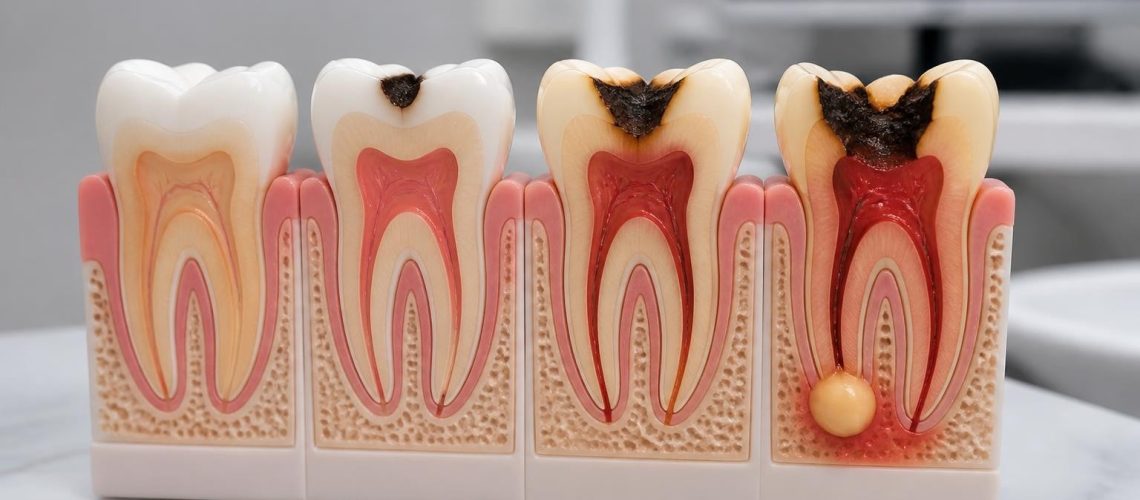
The development typically begins with untreated tooth decay. When cavities penetrate through the protective enamel layer and reach the pulp chamber containing nerves and blood vessels, bacteria multiply rapidly in this warm, moist environment. According to MedlinePlus, tooth abscesses can develop in different locations around the tooth structure, each presenting unique challenges.
Types of Dental Abscesses
Understanding the specific type of infection helps determine the most effective treatment approach:
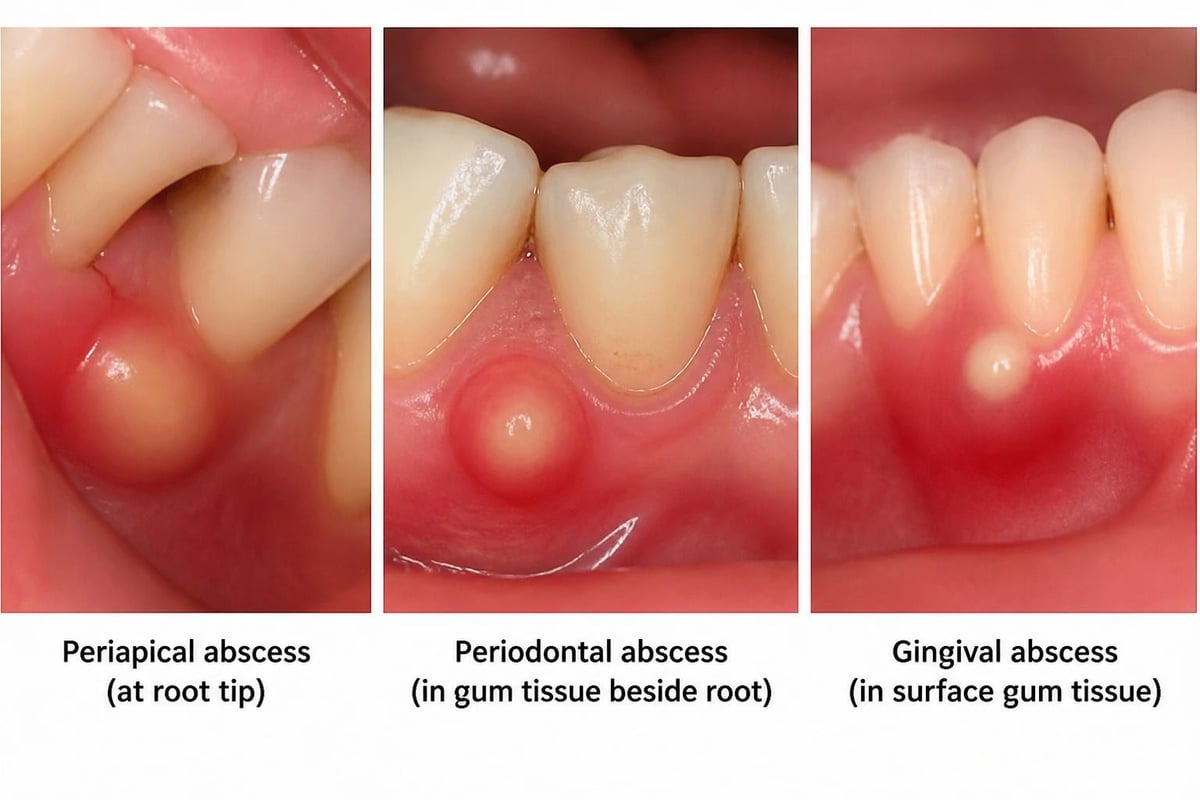
Periapical Abscess: Forms at the tip of the tooth root when infection spreads through the root canal system. This represents the most common type of dental abscess.
Periodontal Abscess: Develops in the gum tissue beside the tooth root, often resulting from advanced gum disease or trauma to the gum line.
Gingival Abscess: Affects only the gum tissue without involving the tooth or periodontal ligament, typically caused by foreign objects lodged in the gums.
The infection doesn't develop overnight. Research indicates that progression from initial decay to full abscess formation can take weeks or months, depending on individual factors like immune system strength, oral hygiene habits, and underlying health conditions.
Recognizing the Warning Signs of a Tooth Infection
Early detection significantly improves treatment outcomes and reduces the risk of complications. Many patients initially dismiss mild symptoms, only seeking care when pain becomes unbearable.
Primary Symptoms to Watch For
- Severe, persistent toothache: Throbbing pain that radiates to your jawbone, neck, or ear
- Temperature sensitivity: Sharp pain when consuming hot or cold foods and beverages
- Pressure sensitivity: Discomfort when chewing or touching the affected tooth
- Facial swelling: Puffiness in your cheek, face, or neck area
- Swollen lymph nodes: Tender, enlarged nodes under your jaw or in your neck
- Fever: Elevated body temperature indicating your immune system is fighting infection
- Foul taste: Unpleasant taste in your mouth from draining pus
- Breathing difficulties: In severe cases, swelling can affect airways
| Symptom Severity | Immediate Action Required | Wait Period Acceptable |
|---|---|---|
| Mild sensitivity | Schedule appointment within 1-2 weeks | Yes |
| Moderate pain with swelling | Call dentist within 24-48 hours | Limited |
| Severe pain, fever, facial swelling | Seek emergency dental care immediately | No |
| Difficulty breathing/swallowing | Go to emergency room now | Never |
Many Texas residents experience dental emergencies outside regular office hours. If you're experiencing severe symptoms, Dental Plus Clinic offers emergency dental care to address urgent situations promptly.
When Pain Suddenly Disappears
Surprisingly, sudden pain relief doesn't always indicate healing. When an abscess ruptures, pressure decreases dramatically, bringing temporary relief. However, the underlying infection remains active and requires professional treatment. Never assume the problem has resolved itself without dental examination.
Root Causes and Risk Factors
Multiple factors contribute to tooth infection development, ranging from preventable habits to genetic predispositions. Identifying your personal risk factors helps implement effective prevention strategies.
Poor oral hygiene tops the list of preventable causes. Inadequate brushing and flossing allows plaque buildup, creating the perfect environment for cavity-forming bacteria. The Centers for Disease Control reports that nearly one in four American adults has untreated tooth decay.
Common Contributing Factors
- Untreated cavities: Decay that penetrates deep into tooth structure
- Dental trauma: Cracks or chips that expose inner tooth layers
- Previous dental work: Failed fillings or crowns allowing bacterial entry
- Gum disease: Advanced periodontitis creating pockets where bacteria thrive
- Dry mouth: Reduced saliva production limiting natural antibacterial protection
- High sugar diet: Excessive sugar consumption fueling bacterial growth
- Weakened immune system: Conditions like diabetes reducing infection-fighting ability
Your diet plays a more significant role than many people realize. Frequent snacking on sugary or acidic foods creates continuous acid attacks on tooth enamel, accelerating decay progression. Beverages like soda, energy drinks, and sweetened coffee particularly contribute to this problem among Texas adults.
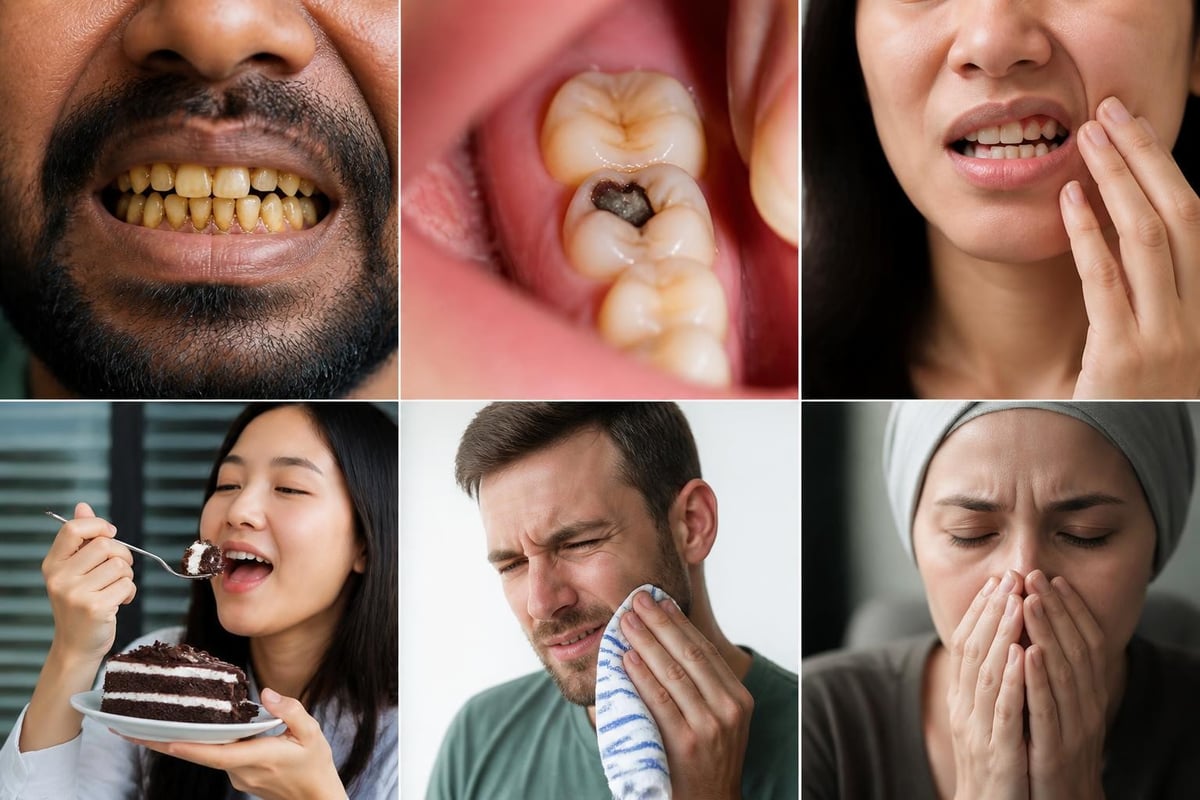
Geographic and demographic factors also matter. Families in rural Texas communities may have limited access to preventive dental care, increasing infection risk. Regular checkups every six months help catch problems early, before they escalate into infections requiring extensive treatment.
Professional Diagnosis and Evaluation
Accurate diagnosis requires comprehensive examination by a qualified dental professional. Self-diagnosis based on internet research cannot replace professional evaluation and may delay critical treatment.
During your appointment, the dentist performs several diagnostic procedures:
Examination Process
Visual inspection: Checking for visible signs of decay, swelling, or abnormalities
Percussion testing: Gently tapping teeth to identify pain locations
Thermal testing: Applying hot and cold stimuli to assess nerve vitality
X-ray imaging: Revealing internal damage, bone loss, and abscess location
Periodontal probing: Measuring gum pocket depths to detect periodontal involvement
Digital radiography provides immediate, detailed images showing infection extent. These images help determine whether the tooth can be saved through root canal therapy or requires extraction. Advanced imaging also reveals if infection has spread to surrounding bone tissue.
For patients experiencing dental pain across Beeville, Seguin, New Braunfels, Leander, or Converse, finding a qualified dentist near you ensures prompt professional evaluation and treatment planning.
Treatment Options for Tooth Infections
Treatment approaches vary based on infection severity, location, and overall tooth condition. Modern dentistry offers multiple solutions to eliminate infection while preserving natural teeth whenever possible.
Root Canal Therapy
This procedure represents the gold standard for saving infected teeth. The dentist removes infected pulp tissue, cleans and disinfects the root canal system, then seals it to prevent reinfection. Contrary to popular belief, root canals performed with modern techniques cause minimal discomfort and provide long-lasting results.
The process typically requires two appointments:
- Initial visit: Accessing the pulp chamber, removing infected tissue, cleaning canals
- Follow-up visit: Filling canals with biocompatible material, placing permanent restoration
Success rates exceed 95% when performed by experienced practitioners using current protocols. Most patients report significant pain relief within 24-48 hours after the initial procedure.
Tooth Extraction
When infection has destroyed too much tooth structure or spread extensively into surrounding bone, extraction becomes necessary. While losing a natural tooth isn't ideal, removal eliminates the infection source and prevents spread to adjacent teeth.
Modern extraction techniques minimize discomfort and healing time. Your dentist administers local anesthetic, carefully removes the affected tooth, and provides detailed aftercare instructions. Many patients qualify for dental implants to replace extracted teeth, restoring both function and appearance.
| Treatment Type | Typical Duration | Success Rate | Tooth Preservation |
|---|---|---|---|
| Root Canal Therapy | 2-3 visits | 95%+ | Yes |
| Extraction + Implant | 3-6 months total | 90-95% | Replacement |
| Apicoectomy | 1-2 visits | 85-90% | Yes |
| Incision & Drainage | 1 visit | Temporary relief | Requires follow-up |
Antibiotic Therapy
Antibiotics help control bacterial spread but cannot cure the infection alone. According to WebMD’s treatment guidelines, dentists prescribe antibiotics when infection has spread beyond the tooth, when you have a weakened immune system, or when treatment must be delayed.
Common antibiotics include amoxicillin, clindamycin for penicillin-allergic patients, and metronidazole for anaerobic bacteria. Complete the entire prescribed course even if symptoms improve, as stopping early can lead to antibiotic-resistant bacteria.
Incision and Drainage
For visible surface abscesses, the dentist may perform incision and drainage to release accumulated pus. This provides immediate pressure relief and helps antibiotics work more effectively. However, this addresses only the symptom, not the underlying cause requiring definitive treatment.
Home Care and Pain Management Strategies
While professional treatment remains essential, several strategies help manage symptoms until your dental appointment. These measures provide temporary relief but never substitute for professional care.
Effective At-Home Approaches
Salt water rinses: Dissolving half a teaspoon of salt in eight ounces of warm water creates a gentle antiseptic rinse. Swish for 30 seconds, three times daily to reduce bacteria and soothe inflamed tissue.
Cold compress application: Applying ice wrapped in a thin towel to the affected cheek for 15-minute intervals reduces swelling and numbs pain. Never apply ice directly to skin.
Over-the-counter pain relievers: Ibuprofen reduces both pain and inflammation, while acetaminophen addresses pain alone. Follow package directions and avoid aspirin, which can increase bleeding risk.
Elevation during sleep: Keeping your head elevated with extra pillows reduces blood flow to the affected area, minimizing throbbing pain during nighttime hours.
Soft food diet: Avoiding hard, crunchy, or temperature-extreme foods prevents additional irritation to the sensitive area.
Healthline provides additional home remedies that may offer temporary relief, though these should never replace professional dental treatment. Clove oil, hydrogen peroxide rinses, and garlic paste represent traditional remedies some patients find helpful.

What to Avoid
Certain actions worsen infection or delay healing:
- Applying heat: Heat increases blood flow, potentially spreading infection
- Poking or prodding: Touching the area with fingers or objects introduces additional bacteria
- Ignoring symptoms: Delaying treatment allows infection to spread
- Consuming alcohol: Alcohol can interact with antibiotics and delay healing
- Smoking: Tobacco use impairs immune function and reduces treatment success rates
Potential Complications of Untreated Infections
Tooth infections demand serious attention because complications can become life-threatening. The bacteria causing dental abscesses don't respect anatomical boundaries and can spread to distant body parts through the bloodstream.
Serious Health Risks
Sepsis: A life-threatening condition where infection triggers body-wide inflammation, potentially causing organ failure and death. This represents a medical emergency requiring immediate hospitalization.
Ludwig's Angina: A severe infection affecting the floor of the mouth and neck, potentially blocking airways and requiring emergency intervention.
Cavernous Sinus Thrombosis: Rare but extremely dangerous condition where infection spreads to brain blood vessels, causing blood clots and neurological damage.
Osteomyelitis: Bone infection that can spread from tooth roots to jaw bone, requiring aggressive antibiotic therapy and sometimes surgical intervention.
Brain Abscess: Although uncommon, bacteria can travel through blood vessels to brain tissue, creating abscesses requiring neurosurgical treatment.
These complications aren't meant to frighten but to emphasize the importance of timely treatment. Modern antibiotics and dental procedures prevent these outcomes when patients seek care promptly. According to Healthline’s comprehensive guide on abscessed teeth, early intervention dramatically reduces complication risk.
For families in Texas concerned about treatment costs, exploring dental implant financing options or checking if insurance coverage is available can make necessary care more accessible and affordable.
Prevention Strategies for Long-Term Oral Health
Preventing tooth infections proves far easier and less expensive than treating them. Implementing consistent preventive practices protects your natural teeth and saves thousands of dollars in potential treatment costs.
Daily Oral Hygiene Essentials
- Brush twice daily: Use fluoride toothpaste and soft-bristled brush for two minutes each session
- Floss once daily: Clean between teeth where brushes cannot reach, removing plaque and food particles
- Use antimicrobial mouthwash: Rinse with ADA-approved mouthwash to reduce bacteria levels
- Replace toothbrush regularly: Change brushes every three months or when bristles fray
- Clean your tongue: Remove bacteria accumulation on tongue surface using brush or scraper
Professional Preventive Care
Regular dental examinations catch problems early, often before symptoms develop. Professional cleanings remove hardened tartar that home brushing cannot eliminate. During checkups, dentists examine existing fillings, check for cracks or damage, and screen for early decay.
The American Dental Association recommends professional cleanings and examinations every six months for most patients. Those with gum disease, frequent cavities, or other risk factors may benefit from more frequent visits. Scheduling regular dental exams and cleanings establishes a foundation for lifelong oral health.
Dietary Modifications
Your food choices directly impact cavity formation:
- Limit sugary snacks and beverages
- Choose water over acidic drinks like soda
- Eat tooth-healthy foods including dairy, leafy greens, and crunchy vegetables
- Avoid frequent snacking, which creates constant acid attacks on enamel
- Rinse with water after consuming acidic or sugary foods
Protective Measures
Athletes participating in contact sports should wear properly fitted mouthguards to prevent dental trauma. People who grind teeth during sleep benefit from custom night guards that protect against wear and fractures. Addressing these issues prevents cracks and chips that allow bacterial entry.
Special Considerations for Different Age Groups
Tooth infections affect patients differently depending on age, presenting unique challenges for children, adults, and seniors.
Pediatric Dental Infections
Children's developing immune systems and smaller airways make tooth infections particularly concerning. Baby teeth still require treatment when infected, as untreated infections can damage permanent teeth developing underneath. Parents should watch for symptoms including irritability, difficulty eating, facial swelling, and fever.
Teaching proper oral hygiene early establishes lifelong healthy habits. Finding a qualified pediatric dentist ensures age-appropriate care in a child-friendly environment. Children should begin dental visits by their first birthday and continue every six months.
Adult Considerations
Adults face unique risk factors including stress, which can lead to teeth grinding and weakened immunity. Work schedules often result in irregular eating patterns and increased coffee consumption. Many adults delay dental care due to cost concerns or dental anxiety.
Pregnancy presents special considerations, as hormonal changes increase gum disease risk. Pregnant women experiencing dental problems should inform their dentist, as some treatments and medications require modification during pregnancy.
Senior Oral Health
Older adults face increased infection risk due to:
- Receding gums exposing vulnerable root surfaces
- Reduced saliva production from medications
- Arthritis making thorough brushing difficult
- Fixed income limiting access to preventive care
- Multiple health conditions affecting immunity
Seniors taking multiple medications should discuss potential oral health side effects with their dentist. Dry mouth from medications significantly increases cavity and infection risk, requiring special preventive measures.
Understanding Insurance Coverage and Financial Options
Financial concerns shouldn't prevent necessary dental treatment. Multiple options exist for managing treatment costs, even for patients without traditional insurance.
Insurance Navigation
Most dental insurance plans cover preventive care like cleanings and exams at 100%, basic procedures like fillings at 70-80%, and major procedures like root canals at 50%. Understanding your plan's specific coverage helps avoid surprise bills.
Insurance companies may require pre-authorization for major procedures. Submit treatment plans before beginning work to confirm coverage and estimate out-of-pocket costs. If your dental insurance denies coverage, appeal options often exist.
Alternative Payment Solutions
| Payment Option | Best For | Typical Terms |
|---|---|---|
| In-office payment plans | Patients without insurance | 3-12 months, often interest-free |
| Third-party financing | Larger procedures | 6-60 months, varying interest rates |
| Dental savings plans | Frequent care needs | Annual membership fee, discounted services |
| Health Savings Accounts | Pre-tax savings | Funds rollover annually |
| CareCredit | Emergency situations | Deferred interest promotions |
Many dental practices, including those at Dental Plus Clinic locations, offer flexible payment arrangements making treatment accessible regardless of insurance status. Discussing financial concerns openly with the dental team often reveals solutions you weren't aware existed.
Frequently Asked Questions About Tooth Infections
How quickly does a tooth infection spread?
Infection progression varies significantly between individuals. Some people develop severe symptoms within days, while others experience gradual progression over weeks. Factors influencing spread rate include immune system strength, bacteria type, and infection location. Never delay treatment hoping the infection will resolve itself.
Can tooth infections go away without antibiotics?
No. While antibiotics help control bacterial spread, they cannot cure the infection without addressing the source through root canal therapy or extraction. The infected pulp tissue or abscess requires physical removal for complete healing. Antibiotics alone provide temporary relief but allow infection to return.
Is a tooth infection considered a dental emergency?
Severe symptoms including high fever, facial swelling, difficulty breathing or swallowing, and intense pain warrant emergency treatment. Moderate symptoms require prompt care within 24-48 hours. Contact your dentist immediately if you suspect an infection rather than waiting for your next scheduled appointment.
How long does tooth infection treatment take?
Treatment duration depends on the chosen approach. Root canal therapy typically requires two visits over two weeks. Extraction provides immediate removal but replacement with dental implants spans several months. Understanding the dental implant recovery timeline helps set realistic expectations for tooth replacement procedures.
Can I prevent tooth infections with good oral hygiene alone?
Excellent oral hygiene significantly reduces infection risk but doesn't guarantee complete prevention. Genetic factors, accidents causing dental trauma, and underlying health conditions can contribute to infections despite proper care. Combining home care with regular professional examinations provides the best protection.
What happens if I ignore a tooth infection?
Ignoring symptoms allows bacteria to spread, potentially causing serious complications including sepsis, brain abscess, or death in extreme cases. Untreated infections also result in bone loss, making future tooth replacement more difficult and expensive. Early treatment preserves more tooth structure and prevents complications.
Are tooth infections more dangerous for people with diabetes?
Yes. Diabetes impairs immune function and slows healing, making infections more severe and difficult to treat. Conversely, tooth infections can make blood sugar management more challenging. People with diabetes should maintain especially vigilant oral hygiene and seek immediate treatment for any dental problems.
Can children get tooth infections in baby teeth?
Absolutely. Baby teeth have roots and nerves just like permanent teeth and can develop infections requiring treatment. Untreated infections in baby teeth can damage permanent teeth developing underneath and cause serious health complications. Children experiencing tooth pain need prompt professional evaluation.
How much does tooth infection treatment cost?
Costs vary widely based on treatment type and geographic location. Root canal therapy ranges from $700-$1,500 depending on tooth location. Extractions cost $150-$400 for simple cases. Dental implants to replace extracted teeth range from $3,000-$6,000 per tooth. Many practices offer payment plans making treatment affordable.
Will I need time off work for tooth infection treatment?
Most root canal procedures allow patients to return to work the next day. Extractions may require 1-2 days of recovery depending on complexity. Plan for adequate rest and follow your dentist's post-treatment instructions to ensure proper healing.
Advanced Treatment Technologies in 2026
Modern dental technology has revolutionized tooth infection treatment, making procedures faster, more comfortable, and more successful than ever before.
Digital Imaging and Diagnostics
Cone beam computed tomography (CBCT) provides three-dimensional views of tooth structure, revealing infection extent with unprecedented clarity. This technology allows precise treatment planning and reduces the need for exploratory procedures. Digital radiography delivers immediate results with 90% less radiation exposure than traditional x-rays.
Laser-Assisted Procedures
Dental lasers can sterilize infected areas more thoroughly than traditional methods while promoting faster healing. Laser technology reduces bleeding, swelling, and post-operative discomfort. Some procedures previously requiring scalpels can now be performed with laser precision, minimizing tissue damage.
Regenerative Endodontics
This emerging field focuses on regenerating damaged tooth pulp rather than simply removing it. While still primarily used for immature permanent teeth in young patients, regenerative techniques show promise for broader applications. The procedure stimulates the body's natural healing mechanisms to restore tooth vitality.
Same-Day Restorations
CAD/CAM technology allows fabrication of crowns, inlays, and onlays in a single appointment. After completing root canal therapy, dentists can design, mill, and place permanent restorations immediately rather than using temporary crowns. This convenience reduces treatment time and eliminates the need for multiple appointments.
Patients across Texas can access these advanced technologies at modern dental practices committed to incorporating the latest dental implant technology and treatment innovations into their care protocols.
The Connection Between Oral and Overall Health
Research continues revealing strong connections between oral health and systemic wellness. Tooth infections represent more than isolated dental problems; they can significantly impact your overall health status.
Cardiovascular Connections
Studies suggest links between periodontal bacteria and heart disease. Bacteria from dental infections can enter the bloodstream, potentially contributing to arterial inflammation and plaque formation. While this doesn't prove direct causation, maintaining excellent oral health supports cardiovascular wellness.
Diabetes Interactions
The relationship between diabetes and dental infections works both ways. High blood sugar impairs infection-fighting ability, making tooth infections more severe. Simultaneously, dental infections make blood sugar management more difficult. Diabetic patients should prioritize preventive dental care and address infections promptly.
Pregnancy Outcomes
Pregnant women with gum disease face increased risk of premature birth and low birth weight babies. Hormonal changes during pregnancy increase susceptibility to dental infections. Expectant mothers should maintain regular dental visits and address any oral health concerns immediately.
Respiratory Health
Bacteria from dental infections can be aspirated into lungs, potentially causing pneumonia or worsening existing respiratory conditions. This particularly concerns elderly patients and those with compromised lung function.
Understanding these connections emphasizes why dental health deserves the same attention as other aspects of medical care. Your mouth isn't separate from the rest of your body; maintaining oral health supports overall wellness.
Making the Decision to Seek Treatment
Many people delay dental treatment due to fear, cost concerns, or hoping problems will resolve spontaneously. Understanding the risks of delay versus the benefits of prompt treatment helps make informed decisions.
Overcoming Dental Anxiety
Dental fear affects millions of Americans, often stemming from negative childhood experiences or fear of pain. Modern dentistry offers numerous solutions including:
- Nitrous oxide (laughing gas) for mild anxiety
- Oral sedation for moderate nervousness
- IV sedation for severe dental phobia
- Detailed explanation of procedures reducing fear of the unknown
Communicating your concerns with the dental team allows them to customize your experience, ensuring maximum comfort. Many patients find their anxiety significantly decreases once they experience modern, gentle dental care.
Cost-Benefit Analysis
While dental treatment requires financial investment, consider the costs of delay:
- More extensive treatment needs if infection spreads
- Lost work productivity from severe pain
- Potential emergency room visits
- Long-term health complications
- Eventual tooth loss requiring expensive replacement
Early intervention almost always costs less than delayed treatment. A $150 filling prevents a $1,500 root canal and crown. Preventive care represents the most cost-effective approach to dental health.
Quality of Life Impact
Living with chronic tooth pain affects every aspect of daily life. Difficulty eating nutritious foods, sleep disruption from throbbing pain, embarrassment about bad breath, and constant discomfort significantly reduce quality of life. Treatment restores normal function, allowing you to enjoy meals, smile confidently, and sleep peacefully.
Finding the Right Dental Care Provider
Selecting a qualified, trustworthy dental practice ensures you receive excellent care when facing a tooth infection. Several factors merit consideration when choosing your dental home.
Professional Credentials and Experience
Verify your dentist maintains current licensing and participates in continuing education. Board certification, specialty training, and professional association memberships indicate commitment to excellence. Ask about experience treating dental infections and success rates for procedures like root canals.
Technology and Facilities
Modern equipment improves diagnostic accuracy and treatment outcomes. Digital x-rays, intraoral cameras, and advanced sterilization systems represent standard features in contemporary practices. Clean, well-maintained facilities demonstrate attention to detail extending to patient care.
Patient-Centered Approach
Quality dental practices prioritize patient comfort, education, and involvement in treatment decisions. Clear communication about diagnoses, treatment options, and costs allows informed decision-making. Staff friendliness and willingness to answer questions create positive experiences.
Accessibility and Convenience
Consider location, office hours, emergency availability, and appointment scheduling flexibility. Practices with multiple locations across Texas, like those in New Braunfels or Leander, offer convenience for busy families.
Insurance and Payment Options
Verify the practice accepts your insurance and offers payment plans for uncovered services. Transparent pricing and financial counseling prevent surprise bills and make necessary treatment accessible.
Reading patient reviews and testimonials provides insights into others' experiences. However, remember that every patient's needs and preferences differ. Schedule a consultation to determine if a practice feels like the right fit for your family.
Creating Your Personal Prevention Plan
Protecting yourself from tooth infections requires a proactive, personalized approach based on your unique risk factors and circumstances.
Assess Your Current Risk Level
Consider these factors:
- How long has it been since your last dental checkup?
- Do you brush twice daily and floss once daily?
- Have you experienced tooth pain or sensitivity recently?
- Do you have existing dental work like fillings or crowns?
- Are you managing chronic conditions like diabetes?
- Does dental disease run in your family?
Honest assessment identifies areas requiring improvement and helps prioritize preventive actions.
Set Realistic Goals
Rather than overhauling your entire routine overnight, implement changes gradually:
Month 1: Establish consistent brushing twice daily
Month 2: Add daily flossing to your routine
Month 3: Schedule overdue dental checkup
Month 4: Reduce sugary beverage consumption
Ongoing: Maintain habits and adjust as needed
Small, sustainable changes prove more effective than ambitious plans you cannot maintain.
Track Your Progress
Keep a simple calendar noting daily brushing and flossing. Many smartphone apps help track oral hygiene habits and send reminder notifications. Seeing your consistency streak motivates continued compliance.
Schedule Regular Checkups
Book your next dental appointment before leaving each visit. This ensures you maintain six-month intervals and prevents months from passing without preventive care. Set calendar reminders two weeks before appointments to avoid schedule conflicts.
Involve Your Family
Make oral health a family priority. Children learn by example, so demonstrate good habits. Consider family dental appointments on the same day for convenience. Celebrate milestones like cavity-free checkups to reinforce positive behaviors.
Understanding tooth infections empowers you to recognize warning signs early and seek prompt treatment, preventing serious complications and preserving your natural teeth. When dental problems arise, having a trusted partner in oral health makes all the difference. Whether you need emergency care, preventive services, or advanced restorative treatments, Dental Plus Clinic provides comprehensive, patient-focused care across five convenient Texas locations, helping families maintain healthy, beautiful smiles for life.