
The dental care landscape in Texas has transformed significantly over the past several years, with more residents prioritizing insurance acceptance when selecting their dental provider. This shift reflects growing awareness about healthcare costs, increased insurance coverage availability, and a desire for predictable, affordable dental care. Understanding why Texans choosing dentists that accept insurance has become a predominant trend offers valuable insights into both patient needs and the evolving dental industry throughout the Lone Star State.
The Financial Reality of Dental Care in Texas
Healthcare expenses continue to rise across the United States, and dental care represents a significant portion of out-of-pocket medical spending for Texas families. The average cost of routine dental procedures without insurance can quickly strain household budgets, making preventive care feel like a luxury rather than a necessity.
Common dental procedures and their approximate costs without insurance include:
- Routine cleaning and examination: $75-$200
- X-rays (full mouth): $100-$250
- Filling (composite): $150-$450 per tooth
- Root canal therapy: $700-$1,500
- Crown placement: $800-$3,000
- Dental implant: $1,500-$6,000
These figures demonstrate why many Texans find themselves postponing necessary dental treatment. When patients choose providers who accept insurance, they gain access to negotiated rates and coverage structures that dramatically reduce their financial burden. The difference between paying full price and utilizing insurance benefits can mean the difference between receiving timely care and risking more serious oral health complications.

Predictable Out-of-Pocket Expenses
Insurance acceptance provides Texans with financial transparency that out-of-network or cash-only practices cannot match. Patients know their copayments, deductibles, and annual maximums before treatment begins. This predictability allows families to budget effectively and plan for necessary dental work without fear of surprise bills.
When researching why Texans choosing dentists that accept insurance continues to gain momentum, financial predictability ranks among the top reasons. Patients appreciate understanding exactly what they will pay at each visit, enabling them to maintain consistent preventive care rather than avoiding the dentist until emergencies arise.
Network Benefits and Provider Accessibility
Texas spans over 268,000 square miles, and while major metropolitan areas offer abundant dental options, rural communities often face provider shortages. Insurance networks have expanded significantly throughout the state, creating improved access to quality dental care across diverse geographic regions.
The advantages of choosing an in-network dentist extend beyond cost savings to include convenience factors like simplified billing, coordinated care, and streamlined appointment scheduling. Insurance companies maintain relationships with providers who meet specific quality standards, giving patients confidence in their care.
| Network Type | Average Savings | Provider Access | Geographic Coverage |
|---|---|---|---|
| PPO Network | 30-50% | High flexibility | Extensive urban/suburban |
| DHMO Network | 40-60% | Assigned provider | Growing rural presence |
| EPO Network | 35-55% | Network-only | Metropolitan focus |
Communities like Beeville, Seguin, New Braunfels, Leander, and Converse have seen expanded insurance network participation, making quality dental care more accessible to residents throughout these Texas regions. Providers in these areas recognize that insurance acceptance opens their practice to a broader patient base while meeting community healthcare needs.
Understanding Coverage Tiers and Preventive Care Emphasis
Most dental insurance plans operate on a tiered coverage model that incentivizes preventive care while providing partial coverage for more extensive treatments. This structure aligns with modern dental philosophy that emphasizes early intervention and regular maintenance to prevent costly procedures later.
Standard coverage tiers typically include:
- Preventive services (100% coverage): Routine exams, cleanings, X-rays, fluoride treatments
- Basic procedures (70-80% coverage): Fillings, simple extractions, periodontal maintenance
- Major services (50-60% coverage): Crowns, bridges, dentures, root canals
- Orthodontics (50% coverage): Braces, clear aligners, with lifetime maximums
This coverage structure explains another dimension of why Texans choosing dentists that accept insurance makes financial sense. Patients can receive completely covered preventive care twice annually, maintaining optimal oral health while minimizing out-of-pocket expenses. When problems do arise, insurance helps manage costs for restorative treatments that would otherwise create financial hardship.
Practices that accept insurance can better encourage patients to complete recommended treatment plans. When dental insurance works as intended, it removes financial barriers that might otherwise prevent patients from addressing small problems before they become major issues requiring extensive intervention.
The Patient Experience and Treatment Completion Rates
Dental practices that accept insurance typically see higher treatment completion rates compared to cash-only providers. This phenomenon occurs because patients face lower financial barriers when insurance covers a significant portion of procedure costs.
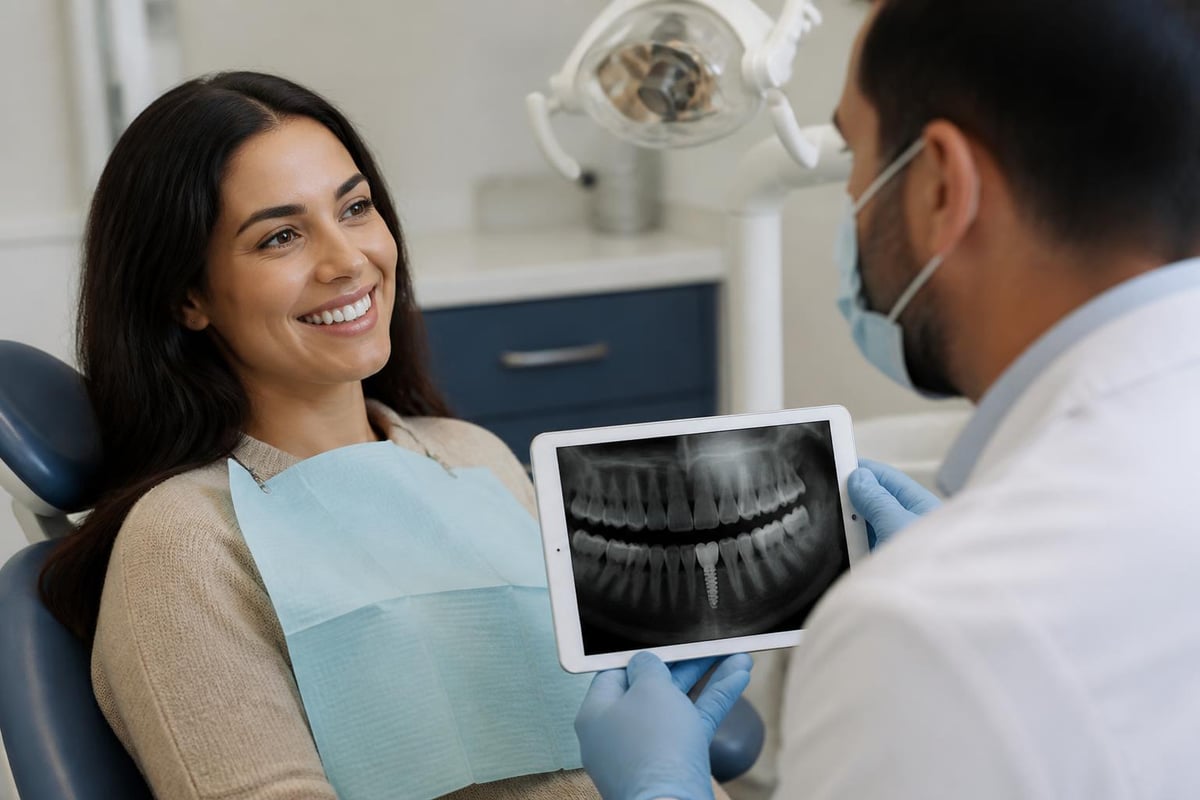
Comprehensive Care vs. Emergency-Only Approach
Uninsured patients or those visiting out-of-network providers often adopt an emergency-only approach to dental care, seeking treatment only when pain becomes unbearable. This reactive model leads to more complex procedures, higher overall costs, and poorer long-term oral health outcomes.
Insurance-accepting practices enable a proactive care model where patients maintain regular six-month checkups, address minor issues promptly, and follow through on comprehensive treatment plans. The question of why Texans choosing dentists that accept insurance becomes clearer when examining patient outcomes: insured patients with in-network providers demonstrate better oral health metrics, fewer emergency visits, and greater satisfaction with their dental care experience.
Plan Types Available to Texas Residents
Texas residents have access to various dental insurance plan structures, each offering distinct advantages depending on individual needs, budget constraints, and preferred level of provider flexibility. Understanding these options helps explain the growing preference for insurance-accepting dentists.
Primary dental plan types in Texas:
- Preferred Provider Organizations (PPOs): Offer flexibility to visit any dentist but provide maximum benefits with in-network providers
- Dental Health Maintenance Organizations (DHMOs): Require selecting a primary dentist from the network with lower premiums and predictable copayments
- Indemnity Plans: Allow complete provider freedom but typically involve higher out-of-pocket costs and reimbursement delays
- Discount Dental Plans: Not insurance but membership programs offering reduced fees at participating providers
The differences between PPO and DHMO dental plans significantly impact patient choice and provider selection. PPO plans dominate the Texas market due to their balance of cost savings and provider flexibility, while DHMO plans appeal to budget-conscious families willing to work within network constraints.
Many employers throughout Texas offer dental insurance as part of their benefits packages, further increasing the number of insured residents seeking providers who accept their coverage. This employment-based insurance expansion has made insurance acceptance nearly essential for dental practices hoping to serve a broad patient demographic.
Geographic Considerations Across Texas
Texas's vast geography creates unique challenges and opportunities regarding dental insurance networks and provider availability. Urban centers like Houston, Dallas, Austin, and San Antonio feature dense provider networks with multiple insurance-accepting options, while rural areas may have limited choices.
The distribution of insurance-accepting dentists varies considerably by region:
| Region | Network Density | Average Wait Time | Insurance Acceptance Rate |
|---|---|---|---|
| Major Metro | Very High | 1-2 weeks | 85-95% |
| Suburban | High | 2-3 weeks | 75-90% |
| Small Cities | Moderate | 2-4 weeks | 65-80% |
| Rural | Low to Moderate | 3-6 weeks | 50-70% |
Communities like New Braunfels and Leander represent the expanding suburban markets where insurance networks have grown substantially. These areas benefit from proximity to major metropolitan centers while maintaining more personalized community healthcare relationships. Residents in these regions increasingly prioritize insurance acceptance when selecting dental providers, contributing to the trend of why Texans choosing dentists that accept insurance.
The Provider Perspective on Insurance Acceptance
Dental practices face complex decisions regarding insurance participation. While accepting insurance involves administrative overhead, credential maintenance, and negotiated fee schedules, the benefits of accepting insurance often outweigh these challenges.
Advantages for insurance-accepting dental practices include:
- Expanded patient base through network directories and employer referrals
- Improved patient retention due to lower financial barriers
- More consistent appointment schedules with regular preventive visits
- Enhanced community reputation as accessible, patient-focused providers
- Reduced collection issues through direct insurance payments
Practices throughout Texas, including those in Seguin, Converse, and Beeville, recognize that insurance acceptance aligns with their mission to provide comprehensive, accessible dental care. When providers commit to accepting major insurance plans, they demonstrate investment in their community's oral health rather than focusing solely on higher-margin cash patients.
Maximizing Insurance Benefits Through Strategic Planning
Educated patients understand how to optimize their dental insurance benefits, and choosing an in-network provider represents the first crucial step. However, maximizing coverage requires additional strategic planning throughout the calendar year.

Annual Maximum Utilization
Most dental insurance plans feature annual maximums ranging from $1,000 to $2,000 per covered individual. These benefits reset each calendar year, and unused portions do not roll over. Patients who understand this structure can plan elective procedures strategically to maximize coverage.
When examining why Texans choosing dentists that accept insurance, benefit optimization plays a significant role. In-network dentists help patients understand their coverage, identify the best timing for procedures, and structure treatment plans that maximize insurance reimbursement while minimizing out-of-pocket expenses.
Strategic benefit utilization includes:
- Scheduling both preventive cleanings (typically covered at 100%)
- Planning major procedures across calendar years when maximums reset
- Addressing coverage for family members separately to maximize household benefits
- Understanding waiting periods for certain procedures on new plans
- Coordinating with cosmetic dentistry goals when insurance covers functional components
The Role of Dental Savings Plans as Alternatives
While insurance acceptance remains the primary focus for most Texans, understanding alternatives provides valuable context. Dental savings plans offer membership-based discount programs that some patients prefer over traditional insurance, particularly for those without employer-sponsored coverage.
The comparison between dental insurance and dental savings plans reveals distinct advantages for each approach. Traditional insurance provides the most comprehensive coverage for major procedures and preventive care, while savings plans may offer simplicity and lower annual costs for patients with minimal dental needs.
However, the overwhelming preference remains for traditional insurance accepted by established dental practices. This preference stems from:
- Superior coverage for expensive procedures like dental implants, crowns, and orthodontics
- Employer contribution to premium costs
- Established provider networks with quality standards
- Protection against catastrophic dental expenses
- Family coverage options with shared benefits
Technological Integration and Modern Insurance Processing
Modern dental practices have embraced digital technologies that streamline insurance verification, claims processing, and benefit estimation. These technological advances reduce administrative burdens while improving patient experience through faster, more accurate insurance handling.
Insurance-accepting practices invest in practice management software that instantly verifies coverage, estimates patient responsibility, and submits claims electronically. This technological infrastructure represents another reason why Texans choosing dentists that accept insurance experience superior service quality compared to practices operating outside insurance networks.
Digital insurance integration benefits include:
- Real-time eligibility verification during appointment scheduling
- Accurate treatment cost estimates before procedures begin
- Electronic claims submission with faster processing times
- Automated benefit tracking and renewal notifications
- Reduced billing errors and insurance denials
Practices offering services from routine dental exams and cleanings to advanced dental implant procedures leverage these technologies to provide seamless insurance experiences for their patients.
Pediatric Dental Coverage and Family Planning
Texas families with children particularly value insurance-accepting dentists due to the comprehensive pediatric dental coverage available through most plans. Children require regular preventive care, orthodontic evaluation, and sometimes extensive restorative work due to cavities or developmental issues.
Pediatric dental benefits often include:
- Enhanced preventive coverage with more frequent fluoride treatments
- Sealant coverage for permanent molars
- Orthodontic benefits for medically necessary treatment
- Higher annual maximums for children under specific ages
- Coverage for specialized pediatric procedures
Families throughout Texas communities recognize that pediatric dentistry services become significantly more affordable with insurance coverage. Establishing dental homes for children within insurance networks ensures consistent care throughout developmental years while managing costs effectively.
Emergency Dental Care and Insurance Coverage
Dental emergencies occur without warning and often require immediate, expensive intervention. Insurance coverage for emergency services varies by plan, but most provide substantial benefits for necessary urgent care including pain management, infection treatment, and tooth preservation.
The availability of insurance-accepting practices offering dental emergency services provides Texas residents with financial security during stressful situations. Patients facing knocked-out teeth, severe infections, or trauma-related dental injuries can seek immediate care without worrying about prohibitive costs.
Emergency coverage typically includes:
| Emergency Service | Typical Coverage | Patient Responsibility |
|---|---|---|
| Emergency exam | 80-100% | $0-$40 |
| Pain management | 70-80% | $20-$60 |
| Emergency extraction | 70-80% | $50-$150 |
| Root canal therapy | 50-60% | $300-$700 |
| Temporary restoration | 70-80% | $30-$100 |
Understanding this coverage reinforces why Texans choosing dentists that accept insurance provides peace of mind beyond routine care. Knowing that emergency situations won't result in financial crisis encourages patients to seek immediate treatment rather than delaying care and risking complications.
Advanced Treatment Coverage and Specialist Referrals
Complex dental procedures often require specialist involvement, and insurance networks coordinate referrals to ensure continued coverage throughout multi-step treatment processes. Procedures like dental implants, full mouth reconstructions, and advanced periodontal treatments benefit significantly from insurance participation.
When general dentists accept insurance, they typically work within networks that include specialists like oral surgeons, periodontists, endodontists, and orthodontists. This network integration ensures patients receive coordinated care with maximized insurance benefits at every stage.
Advanced procedures commonly requiring specialist coordination include:
- Dental implant placement and restoration
- Complex orthodontic treatment
- Surgical tooth extractions including wisdom teeth removal
- Gum disease treatment requiring periodontal surgery
- TMJ disorder management
- Oral pathology diagnosis and treatment
Patients beginning treatment at insurance-accepting general dental practices can seamlessly transition to specialists while maintaining coverage continuity. This coordination represents another crucial aspect of why Texans choosing dentists that accept insurance creates superior treatment outcomes and experiences.
The Impact of Affordable Care Act on Dental Coverage
The Affordable Care Act included provisions affecting dental insurance availability in Texas, particularly for children. While adult dental coverage remained optional on ACA marketplace plans, pediatric dental benefits became essential health benefits, expanding access for Texas families.
This legislative change increased the number of insured children throughout the state, creating greater demand for pediatric dental providers who accept insurance. The ripple effects influenced the broader dental insurance landscape, with more practices recognizing the business necessity and community benefit of insurance participation.
Texas-specific dental insurance options have expanded through both employer-sponsored plans and individual marketplace offerings. This growth correlates directly with increased patient expectations for insurance acceptance among dental providers.
Network Adequacy and Provider Choice
Insurance companies maintain network adequacy standards to ensure covered members have reasonable access to dental care. In Texas, these standards require sufficient provider distribution across geographic areas and dental specialties. Patients benefit from these requirements through expanded provider options within their insurance networks.
When choosing the right dental insurance in Texas, residents should evaluate network size, provider locations, and included specialists. Robust networks offer choice and convenience, allowing patients to select providers based on location, expertise, and personal preferences rather than settling for limited options.
Network evaluation criteria include:
- Number of general dentists within 10 miles of home or work
- Availability of specialists for complex procedures
- Provider credentials, experience, and patient reviews
- Office hours and emergency care availability
- Modern technology and treatment approaches
The emphasis on network adequacy ensures that why Texans choosing dentists that accept insurance translates to genuine access rather than theoretical coverage with impractical provider options.
Cost Comparison: In-Network vs. Out-of-Network Care
While some dental practices operate outside insurance networks, patients choosing these providers typically face significantly higher out-of-pocket costs. Understanding the financial implications helps explain the strong preference for insurance-accepting dentists throughout Texas.
Out-of-network providers may offer specialized expertise or unique treatment approaches, and some argue these benefits justify higher costs. However, for most Texans seeking routine, preventive, and standard restorative care, in-network providers deliver equivalent quality at substantially lower costs.
Average patient savings with in-network providers:
- Preventive care: $100-$300 annually per patient
- Basic restorative procedures: 30-50% per procedure
- Major dental work: $500-$2,000 per treatment
- Orthodontic treatment: $1,000-$3,000 over treatment duration
- Annual household dental expenses: $400-$1,500 for family coverage
These savings compound over time, making insurance-accepting dentists the financially prudent choice for the vast majority of Texas families. The cost differential particularly impacts households managing multiple family members' dental needs or facing extensive treatment requirements.
Building Long-Term Patient-Provider Relationships
Insurance acceptance facilitates long-term patient relationships by removing financial barriers to consistent care. Patients who can afford regular visits develop trust with their dental team, communicate more openly about concerns, and comply more consistently with treatment recommendations.
These sustained relationships benefit both patients and providers. Dentists gain comprehensive understanding of patient medical histories, dental development patterns, and individual risk factors. Patients receive personalized care that accounts for their unique circumstances, preferences, and long-term oral health goals.
The continuity of care enabled by insurance participation answers another aspect of why Texans choosing dentists that accept insurance creates better health outcomes. Regular monitoring allows early detection of problems like oral cancer, gum disease, and tooth decay before these conditions require aggressive intervention.
Educational Resources and Insurance Navigation Support
Quality dental practices that accept insurance provide valuable patient education about coverage details, benefit utilization, and cost management strategies. This educational support empowers patients to make informed decisions about their oral health care.
Insurance navigation assistance includes:
- Explaining coverage details in accessible language
- Providing accurate cost estimates before treatment
- Identifying optimal timing for elective procedures
- Coordinating benefits when patients have multiple coverage sources
- Assisting with claims questions or disputes
- Updating patients about coverage changes or plan modifications
This support infrastructure distinguishes insurance-accepting practices from cash-only providers. Patients receive advocacy and guidance throughout their dental care journey, reducing stress and confusion about financial responsibilities.
Practices with multiple Texas locations serving communities like New Braunfels, Seguin, Leander, Beeville, and Converse develop expertise in local insurance markets, understanding which plans offer the best coverage and how to maximize benefits for their patient populations.
Quality Indicators and Insurance Provider Standards
Insurance companies establish credentialing requirements and quality standards for network providers. These requirements ensure that participating dentists maintain appropriate licensure, continuing education, liability insurance, and facility standards. Patients benefit from these quality controls when selecting insurance-accepting providers.
While quality standards don't guarantee superior care, they establish minimum thresholds that protect patients and create accountability mechanisms. Network participation demonstrates a provider's willingness to meet industry standards and submit to periodic review processes.
Common insurance network quality requirements:
- Active, unrestricted state dental license
- Minimum liability insurance coverage
- Compliance with infection control standards
- Participation in continuing education programs
- Facility safety and accessibility standards
- Patient complaint resolution processes
These standards contribute to why Texans choosing dentists that accept insurance can feel confident about care quality. Network participation signals professional credibility and commitment to recognized practice standards.
The Financial Sustainability of Modern Dental Practices
Modern dental practices require significant capital investment in technology, equipment, staff training, and facility maintenance. Insurance participation provides practice stability through consistent patient flow, predictable revenue streams, and reduced collection efforts compared to cash-based models.
This financial sustainability enables practices to invest in advanced technologies like digital radiography, CAD/CAM restorations, laser dentistry, and cone beam CT imaging. Patients benefit from these technological investments through more accurate diagnoses, comfortable treatment experiences, and superior clinical outcomes.
Insurance-accepting practices can also maintain appropriate staffing levels, invest in ongoing team training, and participate in community outreach programs. These practice strengths ultimately enhance patient care quality and experience, creating a positive feedback loop that benefits the entire community.
Future Trends in Dental Insurance and Provider Networks
The dental insurance landscape continues evolving with trends that will likely accelerate the preference for insurance-accepting providers. Telehealth integration, value-based care models, and enhanced preventive coverage represent emerging developments shaping the industry's future.
Anticipated trends affecting Texas dental care:
- Expanded teledentistry coverage for consultations and follow-up care
- Increased preventive care benefits with enhanced coverage frequencies
- Value-based reimbursement rewarding patient outcomes over service volume
- Integration with medical insurance for systemic health conditions
- Enhanced coverage for dental-medical crossover conditions
- Simplified claims processing through artificial intelligence and automation
These developments will likely reinforce why Texans choosing dentists that accept insurance remains the dominant patient preference. As insurance coverage expands and improves, the value proposition for selecting network providers strengthens correspondingly.
Understanding why Texans choosing dentists that accept insurance reflects a combination of financial practicality, access to comprehensive care, and long-term health planning. Insurance acceptance removes barriers to consistent preventive care while providing financial protection against unexpected dental needs.
For Texas residents seeking a dental home that accepts major insurance plans while delivering exceptional care, Dental Plus Clinic offers comprehensive services across five convenient locations in Beeville, Seguin, New Braunfels, Leander, and Converse. Our commitment to insurance acceptance, advanced technology, and patient-focused care ensures you receive the dental services you need with the financial transparency you deserve. Contact Dental Plus Clinic today to schedule your appointment and experience the benefits of quality dental care supported by your insurance coverage.