
When considering dental implants as a solution for missing teeth, one of the most frequently asked questions concerns longevity. Understanding how long dental implants lasts is crucial for making an informed decision about this significant investment in your oral health. Dental implants represent a permanent solution that, with proper care and maintenance, can serve you for decades or even a lifetime. This comprehensive guide explores the factors that influence implant longevity, what you can expect from your investment, and how to maximize the lifespan of your dental implants.
The Expected Lifespan of Dental Implants
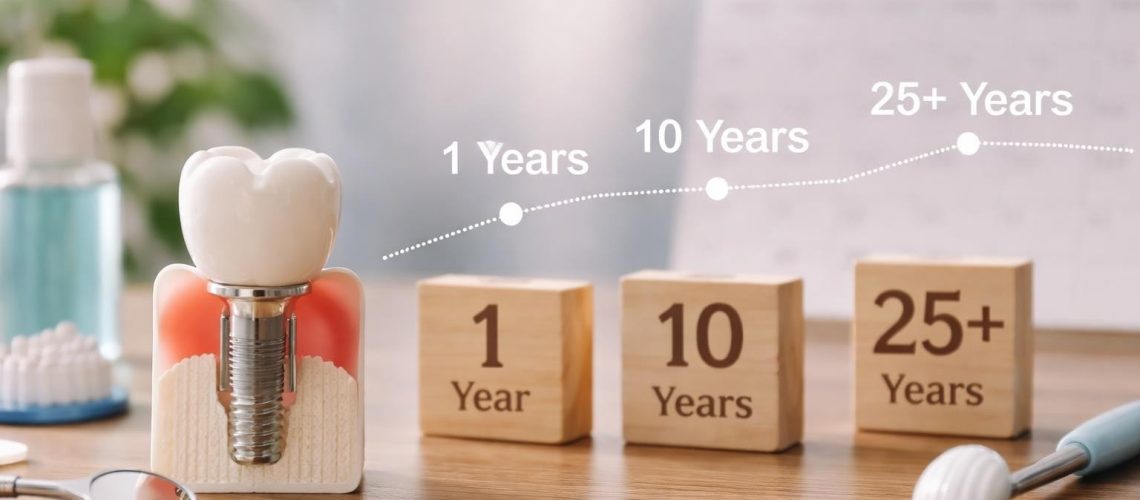
The question of how long dental implants lasts depends on multiple factors, but research and clinical experience provide encouraging answers. Most dental implants, when properly placed and maintained, can last 25 years or longer. Many patients retain their implants for life, making them one of the most durable tooth replacement options available.
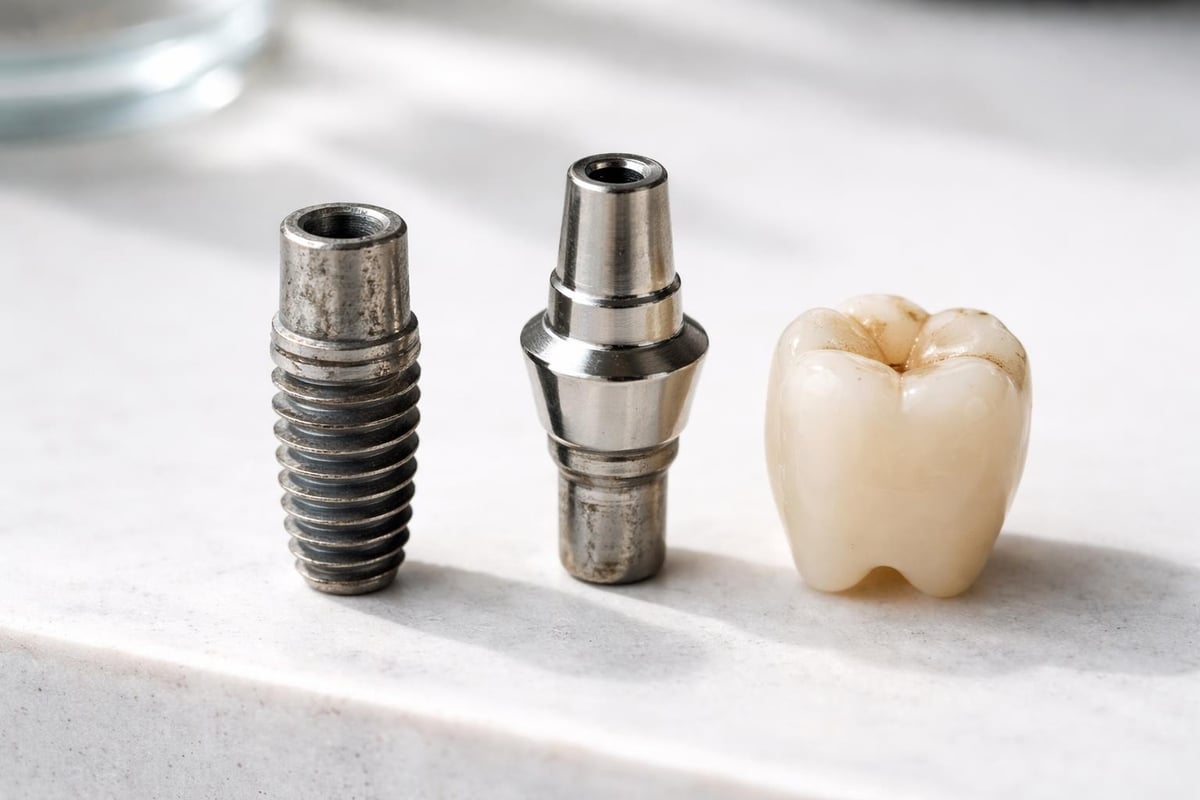
The implant itself consists of three main components, each with different longevity expectations:
- Titanium or zirconia implant post: 25+ years to lifetime
- Abutment (connector piece): 15-20 years or more
- Crown (visible tooth portion): 10-15 years on average
Research published in peer-reviewed studies on implant failure rates demonstrates that dental implants have a success rate exceeding 95% over a 10-year period. The titanium post that integrates with your jawbone through a process called osseointegration can literally last a lifetime when properly cared for. This biological fusion creates a stable foundation that mimics natural tooth roots.
Understanding Component Longevity
While the implant post often outlasts other components, the crown may need replacement after 10-15 years due to normal wear and tear. This doesn’t mean the implant has failed-rather, it’s similar to replacing a worn tire while the car’s frame remains perfectly functional.
According to research on dental implant durability, the different components wear at varying rates based on usage patterns, bite force, and maintenance habits. The crown experiences daily stresses from chewing, grinding, and exposure to temperature changes, which gradually affect its structural integrity.
Primary Factors That Determine How Long Dental Implants Lasts
Multiple variables influence the longevity of dental implants, ranging from patient-specific factors to environmental conditions. Understanding these elements helps patients make informed decisions and take appropriate preventive measures.
Oral Hygiene and Daily Maintenance
Meticulous oral hygiene stands as the single most important factor in determining how long dental implants lasts. Unlike natural teeth, implants cannot develop cavities, but the surrounding gum tissue and bone remain vulnerable to bacterial infection.
Patients must commit to:
- Brushing twice daily with a soft-bristled toothbrush
- Flossing daily around implant sites
- Using antibacterial mouthwash to reduce bacterial load
- Scheduling professional cleanings every 3-6 months
- Attending regular dental check-ups for monitoring
Poor oral hygiene can lead to peri-implantitis, an inflammatory condition affecting the tissues around the implant. This condition resembles gum disease and can cause bone loss, potentially leading to implant failure. Factors influencing dental implant longevity emphasize that consistent home care significantly extends implant lifespan.
Overall Health and Medical Conditions
Systemic health conditions directly impact how long dental implants lasts. Certain medical issues create challenges for successful osseointegration and long-term implant stability.
| Health Condition | Impact on Implant Longevity | Management Strategy |
|---|---|---|
| Diabetes | Slower healing, increased infection risk | Maintain optimal blood sugar control |
| Osteoporosis | Reduced bone density | Consider bone grafting if needed |
| Autoimmune Disorders | Compromised healing response | Close monitoring, possible medication adjustment |
| Heart Disease | Increased surgical complications | Medical clearance, antibiotic prophylaxis |
Patients with well-controlled medical conditions can still achieve excellent outcomes. The key lies in proper medical management and transparent communication with your dental team about your health status.
Smoking and Tobacco Use
Tobacco use represents one of the most significant risk factors for reduced implant longevity. Smoking constricts blood vessels, reducing blood flow to healing tissues and compromising the body’s ability to fight infection.
Studies show that smokers experience implant failure rates 2-3 times higher than non-smokers. The chemicals in tobacco also interfere with osseointegration, the critical process where bone fuses with the implant surface. For optimal results regarding how long dental implants lasts, smoking cessation is strongly recommended before and after implant placement.
Professional Surgical Technique and Initial Placement
The skill and experience of the dental professional performing the implant placement significantly influences long-term success. At Dental Plus Clinic, our team uses advanced diagnostic tools and proven surgical techniques to ensure optimal implant positioning and integration.
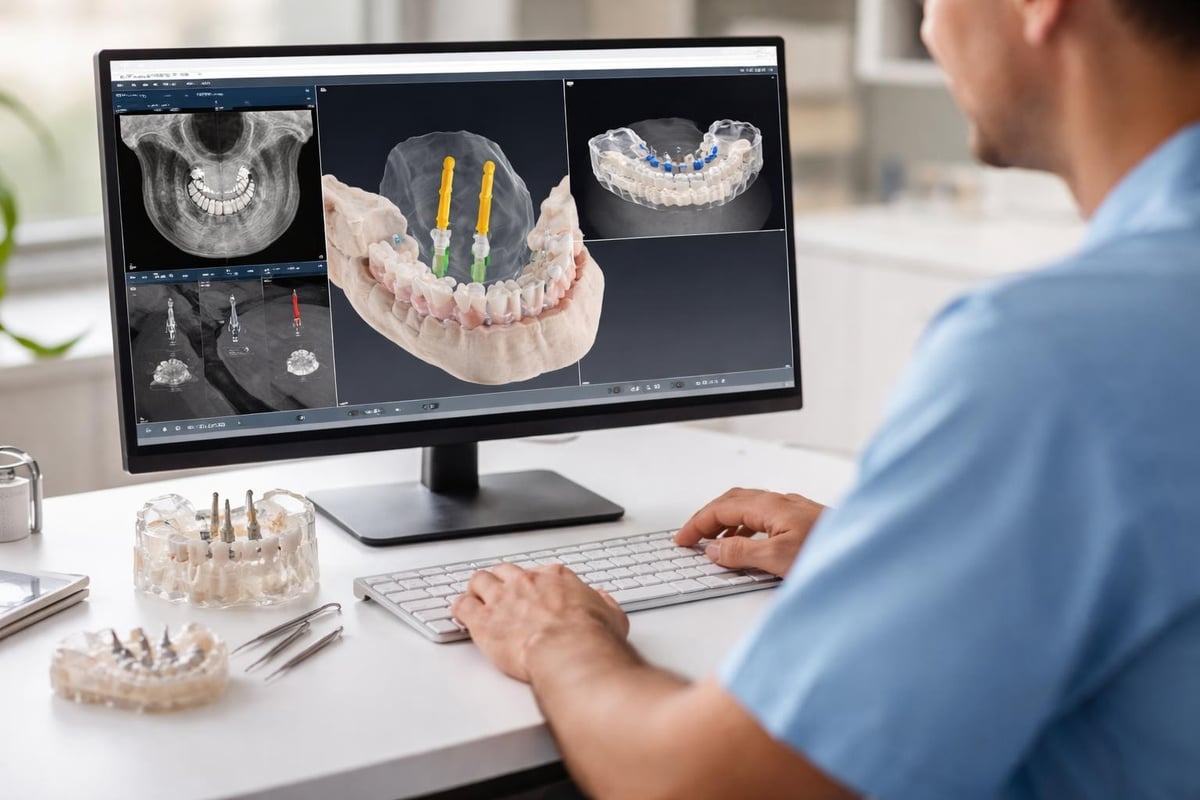
Pre-Surgical Planning
Comprehensive treatment planning forms the foundation for long-lasting implants. This includes:
- Three-dimensional CT scans to assess bone quality and quantity
- Evaluation of sinus locations and nerve pathways
- Assessment of bite alignment and jaw relationship
- Determination of proper implant size and positioning
When patients require bone grafting for dental implants, proper healing time before implant placement becomes essential. Rushing the process can compromise how long dental implants lasts by creating an unstable foundation.
Surgical Precision and Sterile Technique
The actual surgical procedure demands meticulous attention to detail. Factors that influence surgical success include:
- Sterile operating environment: Reduces infection risk
- Proper implant depth: Ensures adequate bone engagement
- Correct angulation: Distributes forces appropriately
- Adequate primary stability: Allows successful osseointegration
- Gentle tissue handling: Promotes faster healing
Clinical evidence for dental implant success rates demonstrates that experienced practitioners achieve significantly better long-term outcomes compared to those with limited implant training.
Material Selection and Implant Quality
The materials used in dental implant construction play a crucial role in determining how long dental implants lasts. Not all implants are created equal, and material quality directly correlates with longevity.
Titanium vs. Zirconia Implants
Two primary materials dominate the implant market, each with distinct characteristics:
Titanium implants have decades of clinical research supporting their use. They offer:
- Proven biocompatibility with human tissue
- Excellent osseointegration properties
- High strength-to-weight ratio
- Long track record of success
Zirconia implants represent a newer option gaining popularity. When comparing zirconia vs titanium implants, both materials demonstrate excellent durability, though titanium has more extensive long-term data.
Premium vs. Budget Implant Systems
The debate over cheap vs premium dental implants extends beyond initial cost to long-term value. Premium implant systems typically feature:
- Superior manufacturing tolerances
- Extensive research and development
- Better component fit and seal
- Comprehensive warranty programs
- Wider selection of replacement parts
Budget implants may save money initially but could compromise how long dental implants lasts due to inferior materials or manufacturing processes. Investing in quality implants from reputable manufacturers often proves more cost-effective over time.
Lifestyle Factors and Habits That Affect Longevity
Daily habits and lifestyle choices significantly influence implant durability. Understanding these factors helps patients make informed decisions about protecting their investment.
Dietary Considerations
What you eat affects how long dental implants lasts, particularly regarding crown longevity. Hard, sticky, or extremely chewy foods can damage the crown or place excessive stress on the implant.
Foods to approach with caution include:
- Hard candies and ice
- Popcorn kernels and nuts
- Sticky caramels and taffy
- Whole apples and raw carrots (cut into smaller pieces)
- Tough meats requiring excessive chewing
Maintaining a balanced diet rich in calcium and vitamin D supports the bone health necessary for long-term implant stability.
Bruxism and Teeth Grinding
Nocturnal teeth grinding (bruxism) represents a serious threat to implant longevity. The excessive forces generated during grinding can:
- Fracture the crown or abutment
- Loosen the implant connection
- Accelerate bone loss around the implant
- Cause implant failure over time
Patients with bruxism should wear a custom night guard to protect their implants. This simple appliance distributes forces more evenly and can dramatically extend how long dental implants lasts.
Physical Activities and Sports
Contact sports and activities with high injury risk require protective measures. A properly fitted mouthguard protects implants from traumatic damage. Even a single impact can compromise implant stability or fracture components.
Maintenance Requirements for Maximum Longevity
The question of how long dental implants lasts depends heavily on ongoing maintenance. Unlike natural teeth, implants require specific care protocols to ensure lasting success.
Professional Maintenance Schedule
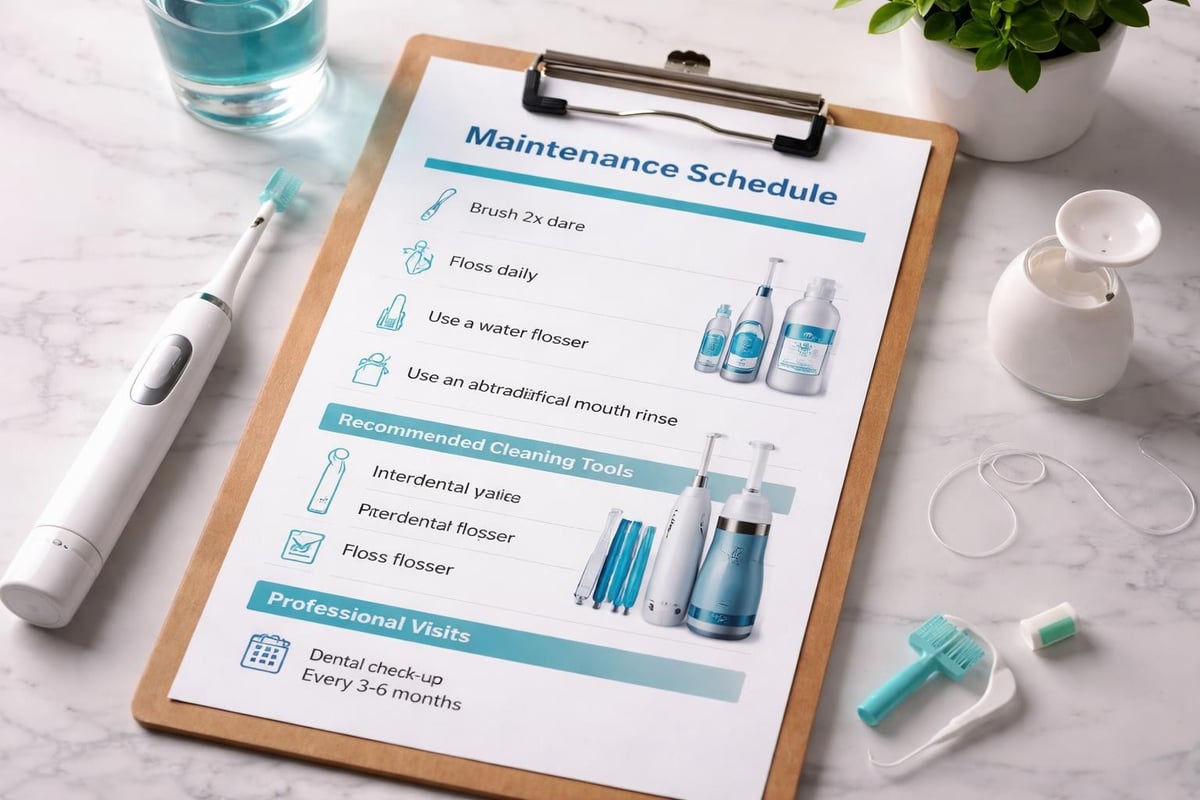
Regular professional care remains non-negotiable for implant longevity. Recommended maintenance includes:
| Service | Frequency | Purpose |
|---|---|---|
| Professional Cleaning | Every 3-6 months | Remove plaque and tartar buildup |
| Implant Examination | Every 6 months | Assess stability and tissue health |
| Radiographic Evaluation | Annually | Monitor bone levels |
| Bite Assessment | Annually | Check for excessive forces |
These appointments allow early detection of potential problems before they compromise implant integrity. According to factors affecting oral health and implant lifespan, patients who maintain regular professional care enjoy significantly longer implant lifespans.
Home Care Protocols
Daily home care determines day-to-day implant health. Effective cleaning around implants requires special attention to the implant-gum interface where bacteria accumulate.
Recommended tools and techniques include:
- Soft-bristled electric or manual toothbrush: Gentle on tissues while effective on biofilm
- Water flossers: Excellent for cleaning around implants and under bridges
- Interdental brushes: Access tight spaces between implants
- Low-abrasive toothpaste: Prevents scratching implant surfaces
- Antimicrobial rinses: Reduces bacterial load when used as directed
Patients should avoid metal instruments or abrasive cleaning methods that could scratch implant surfaces, creating areas where bacteria can colonize.
Common Complications That Shorten Implant Lifespan
Understanding potential complications helps patients recognize warning signs early and seek appropriate treatment. While dental implants enjoy high success rates, certain issues can compromise how long dental implants lasts.
Peri-Implantitis and Infection
Peri-implantitis represents the leading cause of implant failure after successful osseointegration. This inflammatory condition resembles periodontal disease but affects implant-supporting structures.
Warning signs include:
- Bleeding when brushing around the implant
- Gum redness or swelling
- Pus discharge
- Increasing tooth mobility
- Bad breath or taste
Early-stage peri-implant disease (mucositis) remains reversible with professional treatment and improved home care. Advanced peri-implantitis may require surgical intervention to save the implant. Factors determining success or failure rates emphasize that prompt treatment of inflammation significantly improves long-term outcomes.
Mechanical Failures and Fractures
Physical damage can occur to any implant component. Common mechanical issues include:
- Crown fractures: Usually from excessive force or trauma
- Abutment screw loosening: Often from inadequate torque or improper fit
- Implant fracture: Rare but serious, usually from design flaws or extreme forces
Most mechanical failures can be addressed through component replacement without removing the implant itself. Regular monitoring helps detect loose components before complete failure occurs.
Bone Loss and Integration Problems
Adequate bone support determines how long dental implants lasts. Bone loss can result from:
- Infection spreading to supporting bone
- Excessive occlusal forces
- Systemic conditions affecting bone metabolism
- Inadequate initial bone volume
- Failed osseointegration
When bone loss threatens implant stability, interventions may include bone grafting procedures, force reduction through bite adjustment, or treatment of underlying health conditions.
Technological Advances Improving Implant Longevity
Modern dentistry continues evolving, with new technologies enhancing how long dental implants lasts. Staying current with latest dental implant technology provides patients with improved outcomes.
Surface Treatments and Coatings
Advanced implant surfaces promote faster, stronger osseointegration. Modern surface treatments include:
- Sandblasted and acid-etched surfaces increasing surface area
- Hydroxyapatite coatings encouraging bone formation
- Antibacterial surface modifications reducing infection risk
- Nanostructured surfaces optimizing cellular attachment
These innovations contribute to higher success rates and potentially longer implant lifespans compared to older smooth-surface designs.
Digital Planning and Guided Surgery
Computer-assisted implant placement improves surgical precision. Benefits include:
- More accurate implant positioning
- Reduced surgical trauma
- Shorter healing times
- Better aesthetic outcomes
- Improved force distribution
Digital workflows also enable better communication between surgical and restorative teams, ensuring components work together optimally throughout the implant’s lifespan.
Cost Considerations and Long-Term Value
Understanding the financial aspects of dental implants includes considering how long dental implants lasts when calculating cost-per-year value. While initial investment may seem substantial, longevity makes implants economically competitive with alternatives.
Initial Investment vs. Lifetime Value
Breaking down costs over expected lifespan reveals true value:
| Solution | Initial Cost | Expected Lifespan | Annual Cost |
|---|---|---|---|
| Dental Implant | $3,000-$4,500 | 25+ years | $120-$180 |
| Bridge | $2,000-$5,000 | 10-15 years | $133-$500 |
| Denture | $1,000-$3,000 | 5-7 years | $143-$600 |
These figures demonstrate that despite higher upfront costs, dental implants often provide superior long-term value. The permanence factor also eliminates repeated replacement costs associated with other options.
Financial Impact of Implant Failure
When considering the cost of dental implant failure, both financial and health consequences become apparent. Failed implants may require:
- Removal and site healing period
- Bone grafting to restore lost structure
- New implant placement
- Temporary restoration during healing
- Time away from work for additional procedures
Preventing failure through proper maintenance and quality initial treatment represents the most cost-effective approach.
Comparing Implant Longevity With Alternative Solutions
When evaluating tooth replacement options, comparing how long dental implants lasts against alternatives helps inform treatment decisions. Each option presents unique advantages and limitations regarding durability and longevity.
Dental Bridges
Traditional dental bridges require grinding down adjacent healthy teeth to serve as anchors. While bridges can last 10-15 years with proper care, they place additional stress on supporting teeth, potentially shortening their lifespan. When comparing options for dental implant or bridge selection, implants preserve adjacent tooth structure.
Removable Dentures
Removable partial or full dentures represent the most affordable replacement option but require replacement every 5-7 years as jaw bone continues resorbing. The ongoing bone loss accelerates without tooth roots or implants to stimulate bone maintenance. Full-arch implant solutions like All-on-4 vs All-on-6 dental implants provide fixed alternatives that preserve bone and last significantly longer.
Special Considerations for Different Patient Populations
How long dental implants lasts can vary based on patient age, health status, and specific circumstances. Understanding these variations helps set appropriate expectations.
Implants in Younger Patients
Younger patients often achieve exceptional implant longevity due to better healing capacity and more years of attentive care ahead. However, placement timing matters-implants should not be placed until jaw growth completes, typically late teens to early twenties.
Benefits for younger patients include:
- Decades of functional service
- Preservation of bone volume throughout life
- Prevention of adjacent tooth shifting
- Maintained facial structure and appearance
Implants in Senior Patients
Age alone does not contraindicate dental implants. Healthy seniors can achieve excellent outcomes and enjoy improved quality of life through restored chewing function. Success depends more on overall health than chronological age.
Considerations for older patients include:
- Potential medication interactions affecting healing
- Existing bone loss requiring grafting
- Systemic conditions requiring medical management
- Importance of caregiver assistance with oral hygiene if needed
Patients With Systemic Conditions
Those managing chronic health conditions can still enjoy long-lasting implants with appropriate precautions. Close collaboration between dental and medical providers optimizes outcomes. Well-controlled diabetes, for example, poses minimal additional risk compared to uncontrolled disease.
Maximizing Your Implant Investment
Understanding how long dental implants lasts empowers patients to protect their investment through informed decision-making and consistent care habits.
Choosing the Right Provider
Provider experience directly impacts implant longevity. When selecting a dental professional, consider:
- Years of implant placement experience
- Continuing education in implant dentistry
- Technology and techniques utilized
- Success rates and complication management
- Patient testimonials and outcomes
Dental Plus Clinic’s experienced team across our Texas locations prioritizes evidence-based techniques and personalized treatment planning to ensure optimal results.
Following Post-Operative Instructions
The healing period following implant placement sets the stage for long-term success. Critical post-operative guidelines include:
- Avoiding the surgical site during initial healing
- Following prescribed medication regimens
- Maintaining soft food diet as directed
- Attending all follow-up appointments
- Reporting unusual symptoms promptly
Patients who strictly adhere to post-operative protocols experience fewer complications and better long-term outcomes.
Investing in Quality Components
Selecting premium implant materials and components pays dividends in longevity. Quality manufacturers offer:
- Superior biocompatibility testing
- Precision engineering and manufacturing
- Extensive warranty programs
- Readily available replacement parts
- Long-term clinical data supporting performance
While budget options exist, the peace of mind and proven track record of premium systems often justifies the additional investment when considering how long dental implants lasts.
Monitoring and Early Intervention Strategies
Proactive monitoring prevents small problems from becoming major failures. Both patients and dental professionals share responsibility for early detection of potential issues.
Patient Self-Monitoring
Between professional visits, patients should watch for:
- Changes in how the implant crown feels when biting
- Looseness or movement
- Gum changes around the implant
- Discomfort or sensitivity
- Difficulty cleaning certain areas
Reporting these observations promptly allows intervention before significant damage occurs. Many potential problems remain easily correctable when caught early.
Professional Diagnostic Tools
Modern diagnostic technology enables early problem detection. Tools used to assess implant health include:
| Tool | Purpose | Frequency |
|---|---|---|
| Periapical Radiographs | Assess bone levels | Annually |
| Periodontal Probing | Measure tissue attachment | Each cleaning visit |
| Percussion Testing | Evaluate implant stability | Each exam |
| CT Scans | Detailed bone assessment | As needed for concerns |
These assessments provide objective data about implant condition, allowing evidence-based treatment decisions.
Long-Term Success Stories and Patient Experiences
Real-world evidence demonstrates how long dental implants lasts in typical patients. Success stories from practices worldwide show implants functioning flawlessly for 30, 40, or even 50 years when properly maintained.
Case Examples of Extended Implant Function
Documentation of long-term implant success provides reassurance about treatment durability. Published case series show:
- Implants placed in the 1970s still functioning in 2026
- Patients maintaining full-arch implant restorations for decades
- Multi-generational families with excellent implant outcomes
- Athletes and active individuals with trouble-free implant service
These outcomes reflect proper treatment planning, quality materials, skilled placement, and committed patient maintenance.
Factors Common to Long-Term Success
Analyzing successful long-term cases reveals consistent patterns:
- Excellent initial bone quality or successful grafting
- Skilled surgical placement with proper technique
- Premium implant systems from reputable manufacturers
- Committed patient oral hygiene habits
- Regular professional maintenance
- Prompt attention to emerging problems
- Overall good health and health management
Patients who embrace these principles maximize their chances of joining the long-term success statistics.
The Future of Dental Implant Longevity
Ongoing research and development promise even better outcomes for future implant recipients. Understanding emerging trends helps patients appreciate the improving outlook for how long dental implants lasts.
Emerging Materials and Designs
Next-generation implant innovations focus on:
- Bioactive materials that actively promote bone formation
- Antibacterial surface coatings preventing infection
- Customized implants designed for specific patient anatomy
- Improved connection designs reducing mechanical complications
- Smart implants with embedded sensors monitoring health
These advances may extend already impressive implant lifespans even further while reducing complication rates.
Regenerative Techniques
Developing regenerative medicine approaches may revolutionize implant therapy. Promising areas include:
- Growth factor applications promoting faster integration
- Stem cell therapies enhancing bone formation
- Tissue engineering for improved soft tissue aesthetics
- Gene therapy approaches optimizing healing responses
As these technologies mature, they may make dental implants accessible to patients currently considered high-risk while extending functional longevity.
Final Thoughts
Understanding how long dental implants lasts requires considering multiple factors from initial placement quality to ongoing maintenance commitment. With proper care, these remarkable restorations can serve patients for 25 years or more, often lasting a lifetime. The investment in dental implants represents not just restored function and aesthetics, but decades of confident smiling, comfortable eating, and preserved oral health. If you’re considering dental implants or want to learn more about maximizing the longevity of existing implants, Dental Plus Clinic offers expert guidance and comprehensive implant services across our five Texas locations. Our experienced team combines advanced technology with personalized care to help you achieve lasting results that transform your smile and your life.