
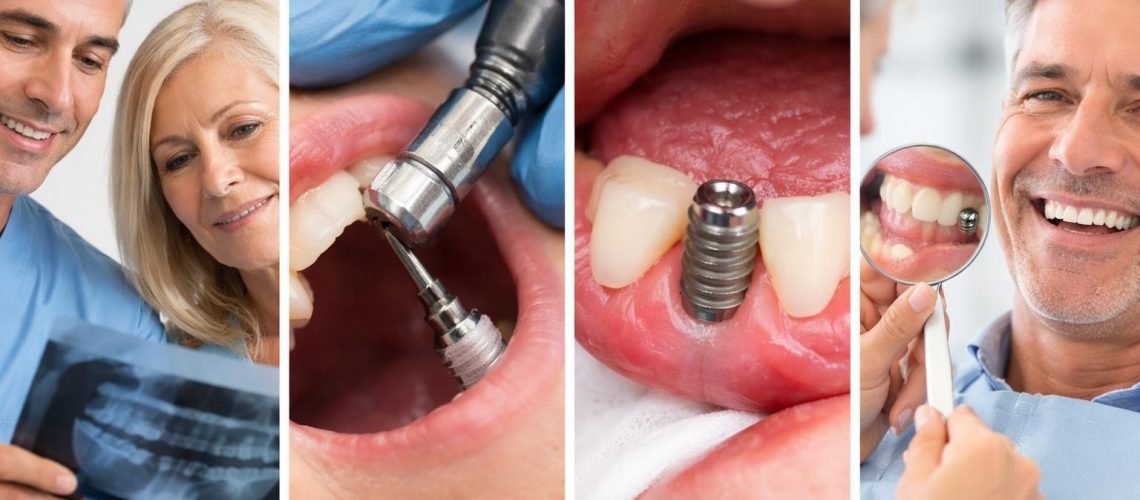
When considering dental implants to replace missing teeth, understanding the dental implant success rate becomes crucial for making informed decisions about your oral health. Modern dental implant technology has revolutionized tooth replacement, offering patients across Texas and nationwide a reliable solution that closely mimics natural teeth in both function and appearance. Whether you’re exploring options at our Leander location or researching from home, knowing what contributes to successful outcomes helps you prepare for this life-changing procedure.
Understanding Dental Implant Success Rate Statistics
The dental implant success rate has reached impressive heights in 2026, with modern techniques and materials contributing to outcomes that exceed patient expectations. According to recent research on dental implant success rates, properly placed implants demonstrate success rates between 95% and 98% over a ten-year period.
These numbers reflect significant advancements in surgical techniques, implant materials, and post-operative care protocols. Success in this context means the implant remains stable, integrates with the jawbone through osseointegration, and functions properly without complications.
What Defines Success in Dental Implantology
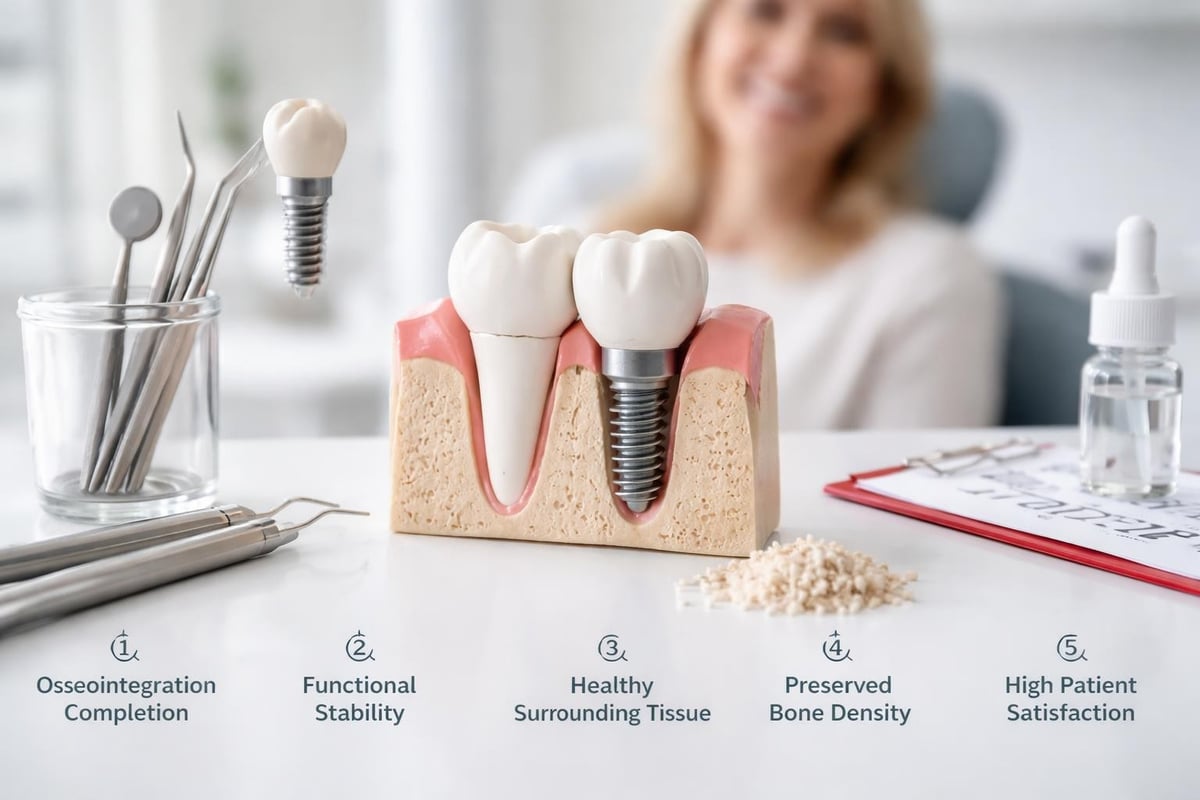
Success metrics for dental implants extend beyond mere survival. The dental implant success rate encompasses multiple factors:
- Osseointegration: Complete fusion between the titanium implant post and jawbone tissue
- Functional stability: Ability to withstand normal chewing forces without mobility
- Tissue health: Healthy gums surrounding the implant without inflammation or infection
- Bone preservation: Maintained bone density around the implant site
- Patient satisfaction: Comfort, aesthetics, and overall quality of life improvement
Professional organizations track these outcomes through standardized criteria, ensuring consistent measurement across different practices and geographic locations. Families throughout Texas benefit from this standardized approach, which guarantees quality care whether you visit our Converse or New Braunfels clinics.
How Success Rates Compare to Other Tooth Replacement Options
When comparing dental implants to alternatives, the statistics strongly favor implant technology. Traditional bridges require modification of adjacent healthy teeth and typically last 10-15 years before replacement. Removable dentures face even shorter functional lifespans and can accelerate bone loss.
| Treatment Option | Success Rate | Average Lifespan | Bone Preservation |
|---|---|---|---|
| Dental Implants | 95-98% | 20+ years | Excellent |
| Fixed Bridges | 85-90% | 10-15 years | Poor |
| Removable Dentures | 70-75% | 5-10 years | Very Poor |
| Partial Dentures | 75-80% | 7-12 years | Poor |
This comparison demonstrates why understanding the dental implant success rate matters for long-term oral health planning. The initial investment in implant treatment often proves more cost-effective over time, a consideration many Texas families appreciate when evaluating their options.
Factors That Influence Dental Implant Success Rate
Multiple variables affect whether an implant thrives or encounters complications. Understanding these factors empowers patients to optimize their outcomes through informed choices and proper care.
Patient Health and Medical Conditions
Your overall health significantly impacts the dental implant success rate. Certain medical conditions require special consideration:
Diabetes management plays a critical role in healing and osseointegration. Uncontrolled blood sugar levels can impair bone healing and increase infection risk. However, patients with well-managed diabetes achieve success rates comparable to non-diabetic patients.
Autoimmune disorders may affect healing capacity and immune response. Conditions like rheumatoid arthritis or lupus don’t automatically disqualify you from receiving implants, but they require careful evaluation and potentially modified treatment protocols.
Medications also deserve attention. According to systematic reviews on antiresorptive drugs and dental implants, patients taking bisphosphonates for osteoporosis need specialized management to minimize complications. Your dental team should review all medications before proceeding.
Cardiovascular health, immune system function, and nutritional status all contribute to healing capacity. Adults and seniors across Texas communities benefit from comprehensive health screenings before implant placement, ensuring optimal conditions for success.
Lifestyle Habits and Their Impact
Daily habits profoundly influence the dental implant success rate both immediately after surgery and throughout the implant’s lifespan.
Smoking represents the single most significant controllable risk factor. Tobacco use constricts blood vessels, reducing oxygen and nutrient delivery to healing tissues. Studies consistently show that smokers experience 10-20% higher failure rates compared to non-smokers. Quitting smoking at least two weeks before surgery and throughout the healing period dramatically improves outcomes.
Oral hygiene practices determine long-term success. While implants cannot develop cavities, the surrounding gum tissue remains vulnerable to bacterial infection. Conditions like peri-implantitis (inflammation around implants) can lead to bone loss and implant failure if left untreated.
Daily care requirements include:
- Brushing twice daily with a soft-bristled toothbrush
- Flossing around implants using specialized tools or water flossers
- Using antibacterial mouthwash as recommended
- Attending regular professional cleanings and check-ups
- Avoiding excessive forces from teeth grinding or clenching
Dietary choices during healing affect integration speed and quality. Adequate protein intake supports tissue repair, while vitamins C and D promote bone health. Calcium and phosphorus provide essential minerals for osseointegration.
Bone Quality and Quantity Considerations
The jawbone provides the foundation for implant stability, making bone assessment crucial for predicting success. The dental implant success rate correlates directly with bone density and volume at the implant site.
Bone density varies among individuals based on genetics, age, and dental history. Dense bone (Type I or II) provides excellent implant stability, while softer bone (Type III or IV) may require longer healing periods or additional stabilization techniques.
Bone volume determines whether an implant can be placed immediately or requires augmentation. Tooth loss triggers bone resorption, with significant volume loss occurring within the first year after extraction. Patients who delay replacement may need bone grafting procedures to rebuild adequate bone structure.
Modern imaging technology, including cone beam CT scans, allows precise measurement of bone dimensions before surgery. This planning ensures proper implant size selection and placement angle, both critical for long-term success.
The Role of Surgical Technique in Success Outcomes
Surgical precision directly impacts the dental implant success rate. The expertise and methodology employed during placement determine initial stability and influence long-term integration.
Importance of Proper Planning and Imaging
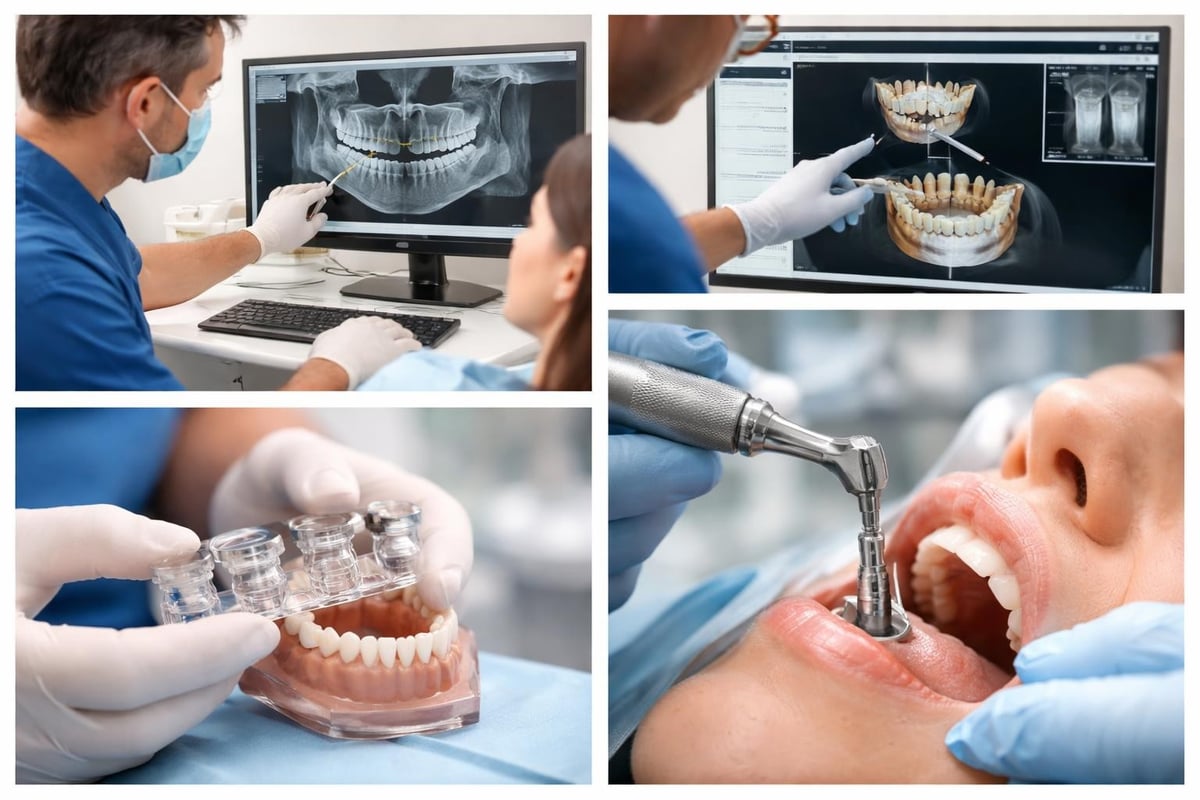
Contemporary implant dentistry relies on advanced diagnostic tools that transform treatment planning. Three-dimensional imaging provides complete visualization of bone structure, nerve pathways, and sinus cavities, eliminating guesswork from the surgical process.
Digital treatment planning software allows dentists to:
- Simulate implant placement before surgery
- Calculate optimal angles and depths
- Identify anatomical limitations
- Create surgical guides for precise execution
- Communicate expected outcomes with patients
This technology-driven approach minimizes complications and maximizes the dental implant success rate. Patients at our Beeville location benefit from these advanced planning tools, ensuring predictable results.
Surgical Protocol and Sterility Standards
The surgical environment and protocols followed during implant placement significantly affect outcomes. According to research on implant success rates in clinical settings, maintaining strict sterility standards and following established surgical protocols contribute to success rates exceeding 96%.
Infection prevention begins before the patient enters the surgical suite. Proper sterilization of instruments, use of sterile drapes and barriers, and adherence to aseptic techniques prevent bacterial contamination that could compromise osseointegration.
Surgical precision during placement includes:
- Creating osteotomy sites that match implant dimensions exactly
- Avoiding excessive heat generation that could damage bone cells
- Achieving primary stability through proper torque values
- Positioning implants at correct depths and angles
- Ensuring adequate spacing between adjacent implants
These technical details, invisible to patients, profoundly impact whether an implant succeeds or fails. Choosing experienced professionals who prioritize these protocols protects your investment in dental health.
Post-Operative Care and Maintenance
Even perfectly placed implants require appropriate aftercare to achieve optimal success rates. The months following surgery represent a critical period for osseointegration and long-term stability.
Immediate Post-Surgical Care Guidelines
The first two weeks after implant placement set the stage for successful healing. Following your dentist’s post-operative instructions directly influences the dental implant success rate.
Pain management helps patients remain comfortable while avoiding medications that could impair healing. Over-the-counter anti-inflammatory drugs reduce swelling and discomfort, while prescription pain relievers may be provided for the first few days.
Dietary modifications protect the surgical site during initial healing:
- Consume only soft, cool foods for the first 48 hours
- Avoid hot liquids that could increase bleeding
- Gradually reintroduce semi-solid foods as tolerated
- Maintain the soft diet for 2-3 weeks post-surgery
- Stay hydrated with plenty of water
Activity restrictions prevent complications during critical healing phases. Avoid strenuous exercise for one week, as elevated blood pressure can trigger bleeding. Don’t smoke or use tobacco products, as this dramatically reduces success probability.
Long-Term Maintenance Requirements
After osseointegration completes (typically 3-6 months), ongoing care ensures decades of reliable function. Understanding proper maintenance helps patients protect their investment.
Professional monitoring through regular dental visits allows early detection of potential problems. Schedule cleanings and examinations every six months, or more frequently if recommended based on your risk factors.
| Maintenance Activity | Frequency | Purpose |
|---|---|---|
| Professional Cleaning | Every 6 months | Remove plaque/tartar buildup |
| Clinical Examination | Every 6 months | Assess tissue health and stability |
| Radiographic Assessment | Annually | Monitor bone levels |
| Occlusal Adjustment | As needed | Ensure proper bite forces |
| Home Care Review | Each visit | Optimize daily hygiene techniques |
Home care consistency prevents peri-implantitis, the leading cause of late implant failure. Use specialized brushes designed for implants, and consider water flossers that effectively clean hard-to-reach areas without traumatizing tissues.
Protective appliances may be recommended if you grind your teeth (bruxism). Nightguards distribute forces evenly, preventing excessive stress on implant restorations that could lead to mechanical complications or bone loss.
Special Considerations for Different Patient Groups
The dental implant success rate varies slightly across different demographic groups, though modern techniques have narrowed these gaps considerably.
Success Rates in Older Adults and Seniors
Age itself doesn’t contraindicate dental implants. Seniors in their 70s, 80s, and beyond successfully receive implants when they meet health criteria. The physiological capacity to heal matters more than chronological age.
Healing capacity in older adults remains robust when overall health is good. While healing may progress slightly slower compared to younger patients, the final success rates show minimal difference. What matters more are:
- Controlled chronic conditions
- Adequate nutritional status
- Sufficient bone density
- Medication review and management
- Realistic expectations about timelines
Many Texas seniors choose implants to restore function and confidence, appreciating that dental implants offer advantages over traditional dentures in terms of stability and bone preservation.
Pediatric and Young Adult Considerations
Young patients present unique timing considerations. Dental implants should only be placed after jaw growth completes, typically age 18-21 for females and slightly later for males. Premature placement could result in implants that appear sunken as surrounding bone continues developing.
Trauma cases in teenagers require individualized approaches. When permanent teeth are lost due to sports injuries or accidents, maintaining the extraction site through bone grafting preserves options for future implant placement once growth completes.
Young adults often achieve excellent outcomes, benefiting from robust healing capacity and decades of implant function ahead. Parents throughout Beeville, Seguin, and surrounding communities appreciate guidance on timing these treatments appropriately for their children’s long-term oral health.
Maximizing Your Personal Success Rate
While general statistics provide helpful context, individual patients can take specific actions to optimize their personal outcomes. Research on factors affecting dental implant success identifies multiple controllable variables.
Pre-Treatment Optimization Strategies
Medical optimization before surgery sets the foundation for success. Work with your physician to:
- Achieve target blood sugar levels if diabetic (HbA1c below 7%)
- Optimize vitamin D levels through supplementation if deficient
- Review medications for potential interactions or complications
- Address untreated infections elsewhere in the body
- Stabilize chronic conditions before elective surgery
Oral health preparation eliminates sources of bacteria that could contaminate the surgical site. Complete any necessary periodontal treatment, remove failing teeth, and establish excellent home care habits before implant placement.
Smoking cessation provides the single most impactful improvement to your success probability. Even temporary cessation during the surgical and healing period significantly reduces complications. Many insurance plans and community programs offer smoking cessation support.
Choosing the Right Dental Professional
Provider expertise significantly influences the dental implant success rate. When selecting a dental team, consider:
- Training and credentials: Look for dentists with advanced education in implantology, such as residencies or fellowship training
- Experience level: Ask about the number of implants placed annually and overall career totals
- Technology investment: Modern practices using 3D imaging and computer-guided surgery demonstrate commitment to excellence
- Complication management: Inquire about protocols for addressing problems should they arise
- Patient testimonials: Real experiences from previous implant patients provide valuable insights
Dental Plus Clinic maintains rigorous standards across all five Texas locations, ensuring consistent quality whether you receive care in Leander, Converse, or any of our other communities.

Common Complications and How to Prevent Them
Understanding potential problems helps patients recognize warning signs early and seek timely intervention. While the dental implant success rate is high, awareness of complications supports optimal outcomes.
Early-Stage Complications
Infection represents the most common early complication, occurring in 1-2% of cases. Signs include:
- Increasing pain after the first few days
- Swelling that worsens rather than improves
- Fever or chills
- Pus or unusual discharge from the surgical site
- Foul taste or odor
Prompt antibiotic treatment usually resolves infections when caught early. Prevention through proper surgical technique and post-operative care minimizes this risk substantially.
Implant mobility detected before osseointegration completes indicates failure to integrate. This occurs more frequently in smokers, diabetics with poor glucose control, or cases with insufficient initial stability. Early detection allows removal and bone healing before re-attempting placement.
Long-Term Complications
Peri-implantitis mirrors gum disease but affects implant-supporting tissues. This inflammatory condition results from bacterial colonization and inadequate home care. Symptoms include:
- Bleeding when brushing or flossing around the implant
- Gum recession exposing implant threads
- Suppuration (pus) around the implant
- Progressive bone loss visible on X-rays
- Eventual implant mobility if untreated
Professional cleanings, meticulous home care, and early intervention prevent progression. Regular monitoring catches peri-implantitis in reversible stages.
Mechanical failures include crown fractures, abutment loosening, or screw fractures. These typically result from excessive forces, often related to bruxism or improper bite relationships. Protective nightguards and occlusal adjustments prevent most mechanical complications.
Advanced Implant Options and Their Success Rates
Dental implant technology continues evolving, offering solutions for complex cases that previously faced limited options. Understanding these advanced techniques helps patients explore all available possibilities.
All-on-4 and All-on-6 Treatment Concepts
Full-arch restoration using four or six implants provides edentulous (toothless) patients with fixed, non-removable teeth. These techniques achieve success rates comparable to traditional approaches while offering same-day tooth replacement in many cases.
Comparing All-on-4 versus All-on-6 dental implants helps patients understand which approach suits their anatomical and functional needs. The dental implant success rate for full-arch restorations reaches 94-98% when performed by experienced teams.
Benefits of full-arch implant treatment include:
- Immediate function and aesthetics
- Bone preservation through strategic implant placement
- Elimination of denture adhesives and removal routines
- Improved nutrition through restored chewing ability
- Enhanced confidence and quality of life
Immediate Load and Same-Day Implants
Traditional protocols required 3-6 months of healing before attaching replacement teeth. Modern techniques allow immediate loading in selected cases, providing functional teeth the same day as implant placement.
Success rates for immediate load protocols approach those of delayed loading when patient selection criteria are properly applied. Factors supporting immediate loading include:
- Adequate bone density (Type I or II)
- Excellent primary stability (insertion torque above 35 Ncm)
- No active infection at the surgical site
- Patient compliance with dietary restrictions
- Protected occlusion avoiding excessive forces
This approach particularly benefits professionals and active adults who prefer minimizing time away from work and social activities.
Zirconia Implants as Titanium Alternatives
While titanium remains the gold standard, zirconia dental implants offer ceramic alternatives for patients with metal sensitivities or preferences for metal-free restorations.
Success rates for zirconia implants continue improving as designs evolve, currently ranging from 92-95% over five-year periods. These ceramic options provide:
- Tooth-colored material eliminating gray show-through
- Biocompatibility for patients with titanium allergies
- One-piece designs in some systems
- Excellent soft tissue response
Research continues refining zirconia implant surfaces and designs, with success rates expected to match titanium as technology matures.
Financial Considerations and Value Assessment
Understanding the dental implant success rate helps justify the financial investment many families make in this restorative option. While costs exceed those of bridges or dentures initially, long-term value calculations favor implants.
Cost-Effectiveness Over Time
When evaluating treatment costs, consider the expected lifespan and replacement frequency:
Dental implants typically cost $3,000-$6,000 per tooth initially but last 20+ years with minimal maintenance beyond routine cleanings. Over two decades, this averages $150-$300 annually per replaced tooth.
Fixed bridges cost $2,000-$5,000 but require replacement every 10-15 years, plus potential treatment of supporting teeth that may develop problems from added stress. Lifetime costs often exceed implant expenses.
Removable dentures appear economical at $1,000-$3,000 initially but require replacement every 5-10 years due to wear and bone changes. Adhesives, cleaning products, and adjustments add ongoing costs that accumulate over time.
| Factor | Implants | Bridges | Dentures |
|---|---|---|---|
| Initial Cost | $3,000-$6,000 | $2,000-$5,000 | $1,000-$3,000 |
| Typical Lifespan | 20+ years | 10-15 years | 5-10 years |
| Maintenance Costs | Low | Moderate | Moderate-High |
| Bone Preservation | Excellent | Poor | Poor |
| Function Quality | Superior | Good | Fair-Good |
Insurance and Financing Options
Many dental insurance plans provide partial coverage for implants, typically covering 50% of costs up to annual maximums. Coverage varies significantly among carriers and plan types.
Maximizing insurance benefits involves strategic planning. Splitting treatment across calendar years allows using multiple years’ benefits. Some patients combine dental and medical insurance when implants address medical necessity rather than purely cosmetic concerns.
Financing programs make dental implants treatment affordable regardless of insurance coverage. Options include:
- In-house payment plans through dental practices
- Third-party healthcare financing (CareCredit, LendingClub)
- Health savings accounts (HSA) and flexible spending accounts (FSA)
- Dental savings plans offering discounted fee schedules
Investing in your oral health provides returns beyond financial calculations, including improved nutrition, enhanced confidence, and better overall health outcomes.
Frequently Asked Questions About Dental Implant Success Rate
What is the average dental implant success rate?
The dental implant success rate averages between 95% and 98% over ten years when implants are properly placed and maintained. Success rates vary slightly based on implant location, with lower jaw implants achieving slightly higher success (98%) compared to upper jaw implants (95%) due to bone density differences.
How long do dental implants typically last?
With proper care and maintenance, dental implants commonly last 20-25 years or more. Many patients retain functional implants for life. The crown attached to the implant may require replacement every 10-15 years due to normal wear, but the implant post itself typically remains stable indefinitely when osseointegration succeeds.
What causes dental implants to fail?
Primary causes of implant failure include infection (peri-implantitis), insufficient bone quality or quantity, excessive forces from teeth grinding, poor oral hygiene, smoking, uncontrolled diabetes, and improper implant placement. Early failures typically result from failure to osseointegrate, while late failures usually stem from peri-implantitis or mechanical complications.
Can failed implants be replaced?
Yes, most failed implants can be replaced after appropriate healing time. Your dentist will remove the failed implant, allow bone healing (typically 3-6 months), address any factors that contributed to the initial failure, and place a new implant. Success rates for replacement implants approach those of first-time placements when underlying problems are corrected.
Do dental implants work for everyone?
While most adults qualify as candidates, certain conditions require careful evaluation. Absolute contraindications are rare but include active cancer treatment, severe uncontrolled diabetes, recent heart attack or stroke, and active IV bisphosphonate therapy. Relative contraindications like smoking or mild diabetes can often be managed through optimization before proceeding.
How can I improve my chances of implant success?
Maximize your success probability by maintaining excellent oral hygiene, quitting smoking at least two weeks before surgery, controlling diabetes and other chronic conditions, eating a nutritious diet supporting healing, following all post-operative instructions carefully, attending regular dental check-ups, and wearing protective appliances if you grind your teeth. Choosing an experienced implant dentist also significantly improves outcomes.
Are dental implants painful?
Most patients report minimal discomfort during implant placement due to effective local anesthesia. Post-operative discomfort typically resembles that following a tooth extraction and resolves within a few days. Over-the-counter pain medications usually provide adequate relief. The dental implant procedure incorporates pain management strategies throughout treatment.
How soon after tooth extraction can I get an implant?
Timing varies based on individual circumstances. Immediate implants can be placed at the time of extraction in ideal cases with adequate bone and no infection. More commonly, dentists recommend waiting 3-6 months for complete bone healing before implant placement. This delay allows proper site assessment and optimal bone quality for implant integration.
Do medical conditions affect dental implant success rate?
Certain medical conditions influence success probability but don’t necessarily preclude treatment. Well-controlled diabetes, for instance, achieves success rates comparable to non-diabetic patients. Osteoporosis, autoimmune disorders, and cardiovascular disease require individualized assessment and potentially modified protocols. Discussing your complete medical history with your dentist ensures appropriate treatment planning.
What is the success rate for smokers?
Smokers experience dental implant success rates approximately 10-20% lower than non-smokers, typically ranging from 85-90% compared to 95-98% for non-smokers. However, patients who quit smoking before treatment and throughout the healing period can approach non-smoker success rates. Even temporary cessation significantly improves outcomes.
Monitoring and Measuring Implant Success
Professional evaluation methods ensure your implant functions optimally throughout its lifespan. Understanding how dentists measure dental implant success rates as key performance indicators helps patients appreciate the comprehensive monitoring process.
Clinical Assessment Techniques
Mobility testing evaluates implant stability through gentle pressure applied in various directions. Successfully integrated implants show absolutely no movement. Even slight mobility indicates osseointegration failure or progressive bone loss requiring intervention.
Probing depths around implants should remain shallow (less than 4mm) and free from bleeding. Increased depths or bleeding during gentle probing suggest developing peri-implantitis needing treatment before irreversible damage occurs.
Percussion testing involves tapping the implant crown with an instrument. A high-pitched, crisp sound indicates solid osseointegration, while dull sounds may suggest incomplete integration or bone loss.
Radiographic Monitoring
Periapical radiographs taken annually provide baseline comparisons showing bone levels around implants. Stable bone heights indicate success, while progressive loss signals problems requiring intervention.
Bone level measurements compare current bone height to immediately post-surgical levels. Minimal bone loss (less than 1.5mm in the first year, less than 0.2mm annually thereafter) falls within normal parameters. Excessive loss warrants investigation and treatment.
Three-dimensional imaging through cone beam CT scans provides comprehensive evaluation when two-dimensional X-rays show questionable findings. These detailed images reveal bone quality, implant position relative to anatomical structures, and early pathology.
Patient-Reported Outcomes
Satisfaction surveys capture the subjective experience beyond clinical measurements. Successful implants should feel natural, allow comfortable chewing, cause no pain, and meet aesthetic expectations.
Quality of life assessments measure functional improvements in nutrition, social confidence, and overall well-being. The Wikipedia overview of dental implants discusses how patient-reported outcomes increasingly inform success definitions beyond purely clinical criteria.
Symptom reporting helps patients communicate concerns between scheduled appointments. Contact your dental team immediately if you notice increasing pain, mobility, swelling, discharge, or other unusual symptoms around your implant.
Regional Considerations for Texas Patients
Geographic and demographic factors specific to Texas communities influence treatment planning and outcomes for families seeking dental implants.
Climate and Environmental Factors
Texas heat and humidity create conditions favoring rapid bacterial growth. Meticulous oral hygiene becomes even more critical for Texas residents, as bacterial populations colonize faster in warm, moist environments. Air conditioning helps, but consistent home care remains essential.
Outdoor activities popular in Texas communities increase dental trauma risk. Sports, horseback riding, and recreational activities warrant protective mouthguards, especially during the healing period following implant placement. Custom guards provide superior protection compared to store-bought options.
Access to Quality Care Across Texas Communities
Rural and suburban Texas communities sometimes face limited access to specialized dental services. Dental Plus Clinic addresses this challenge through multiple locations strategically positioned to serve diverse communities throughout the state.
Whether you live in Seguin, Beeville, or surrounding areas, accessing experienced implant dentistry shouldn’t require extensive travel. Our distributed clinic model brings advanced care close to home, supporting better compliance with treatment schedules and follow-up appointments critical for optimal success rates.
Continuity of care improves when patients can conveniently attend all appointments. Missing post-operative check-ups increases complication risk, making proximity to your dental provider an important consideration when choosing where to receive treatment.
The Future of Dental Implant Technology
Ongoing research and development continues improving the dental implant success rate through material science advances, surgical technique refinement, and enhanced understanding of biological processes.
Emerging Materials and Surface Treatments
Nanostructured surfaces enhance bone cell attachment and accelerate osseointegration. These microscopic surface modifications promote faster healing and potentially shorter treatment timelines without compromising long-term success.
Bioactive coatings containing calcium phosphate or other bone-promoting substances stimulate bone formation around implants. These technologies particularly benefit patients with compromised bone quality, expanding treatment candidacy.
Antimicrobial surfaces incorporating silver ions or other antibacterial agents reduce infection risk during the critical healing period. While still under investigation, early results suggest these innovations may further improve success rates in high-risk patients.
Digital Workflow Integration
Fully digital treatment from initial scanning through final restoration eliminates impression materials and improves accuracy. Digital workflows reduce chairtime, enhance patient comfort, and produce more predictable results through precise planning and execution.
Artificial intelligence algorithms analyze patient data to predict success probability and customize treatment approaches. These tools help dentists identify risk factors and optimize protocols for individual patients, potentially preventing complications before they occur.
Regenerative Medicine Applications
Growth factors derived from the patient’s own blood (platelet-rich fibrin) accelerate healing and improve bone quality around implants. These biologic enhancements work synergistically with advanced materials to optimize conditions for osseointegration.
Stem cell therapies under investigation may eventually allow regeneration of entire tooth structures including roots. While this technology remains experimental, it represents the potential future of tooth replacement beyond current implant approaches.
Final Thoughts
Understanding the dental implant success rate empowers Texas families to make confident decisions about tooth replacement options. With proper patient selection, meticulous surgical technique, and committed long-term maintenance, dental implants provide decades of reliable function and aesthetic excellence. Dental Plus Clinic combines advanced technology, experienced professionals, and patient-focused care across our Beeville, Converse, Leander, New Braunfels, and Seguin locations to deliver the successful outcomes you deserve. Schedule a consultation today to discover how dental implants can restore your smile and improve your quality of life for years to come.