
Missing teeth can affect your confidence, eating habits, and overall oral health. Dental implants offer a permanent solution that looks and functions like natural teeth. However, the cost of dental implants without insurance often stops patients from pursuing this life-changing treatment. Understanding your options and available resources can make implants more accessible than you might think.
Understanding Dental Implant Costs in 2026
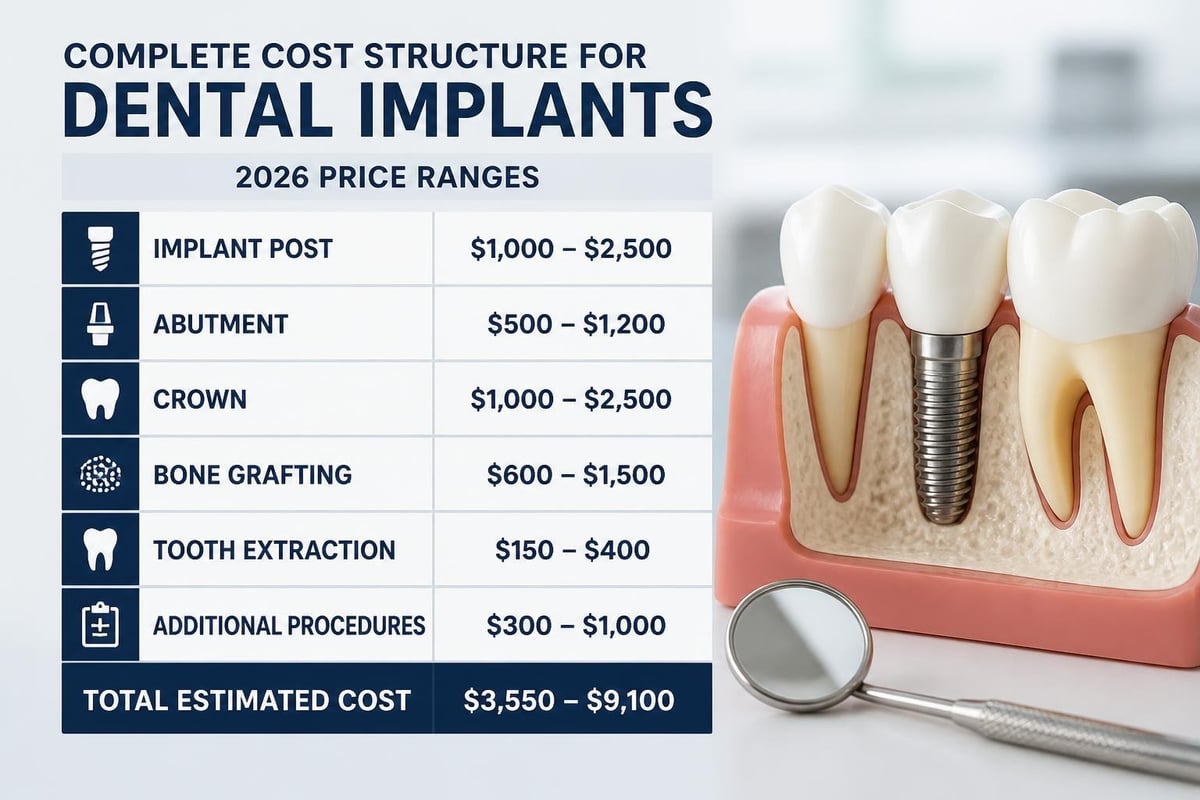
The financial investment required for dental implants without insurance varies significantly based on several factors. A single tooth implant typically ranges from $3,000 to $6,000, while full-mouth restoration can cost between $24,000 and $100,000. These figures represent the complete procedure, including the implant post, abutment, and crown.
What Drives the Price of Dental Implants
Several components contribute to the total expense when pursuing dental implants without insurance. The titanium implant post, which serves as an artificial tooth root, represents one portion of the cost. The abutment connects the implant to the final restoration, while the custom crown provides the visible tooth structure.
Additional procedures that may increase costs include:
- Bone grafting to strengthen the jawbone ($300-$3,000 per graft)
- Sinus lift procedures for upper jaw implants ($1,500-$2,500)
- Tooth extractions if damaged teeth remain ($75-$450 per tooth)
- Diagnostic imaging and 3D scans ($250-$500)
- Temporary restorations during healing periods ($300-$800)
Geographic location significantly impacts pricing as well. Dental implant costs without insurance in Austin and other Texas cities may differ from national averages based on local overhead costs, competition, and regional economic factors.
Why Dental Implants Cost More Than Other Tooth Replacement Options
The investment in dental implants without insurance reflects the advanced technology, materials, and expertise required for successful outcomes. Unlike dentures or bridges, implants provide a permanent solution that preserves jawbone health and prevents the facial collapse that often occurs with missing teeth.
The Long-Term Value Proposition
When evaluating dental implants versus dentures, the initial cost difference becomes less significant over time. Dentures require replacement every 5-10 years and ongoing adhesive purchases, while properly maintained implants can last 25 years or longer. Patients considering whether it is better to get a dental implant or a bridge should factor in that bridges require grinding down adjacent healthy teeth and typically need replacement after 10-15 years.
| Treatment Option | Initial Cost | Lifespan | Bone Preservation | Adjacent Teeth |
|---|---|---|---|---|
| Dental Implant | $3,000-$6,000 | 25+ years | Yes | Unaffected |
| Dental Bridge | $2,000-$5,000 | 10-15 years | No | Requires grinding |
| Partial Denture | $1,000-$3,000 | 5-10 years | No | May need clasps |
The biocompatible titanium used in implants fuses with natural bone through osseointegration, creating stability that no other restoration method can match. This fusion prevents the bone loss that typically occurs after tooth extraction, maintaining facial structure and preventing the sunken appearance common with long-term denture use.
Financial Planning Strategies for Dental Implants Without Insurance
Creating a realistic budget and timeline helps make dental implants without insurance achievable. Breaking down the total cost into manageable components allows you to plan systematically rather than feeling overwhelmed by the full amount.
Assessing Your Complete Treatment Needs
Your first step involves getting a comprehensive evaluation to understand exactly what your treatment requires. Some patients need only a single implant, while others may benefit from full mouth dental implants or All-on-4 dental implants for complete arch restoration.
Key questions to ask during your consultation:
- How many implants do I actually need?
- Are bone grafts or other preparatory procedures necessary?
- Can treatment be phased over several months or years?
- Which components are essential versus optional upgrades?
- What payment options does the practice offer?
Understanding whether you qualify as a good candidate for dental implants helps prevent unexpected expenses from complications. Factors like diabetes control, smoking habits, and overall oral health influence success rates and may require additional preparation.
Financing Options That Make Implants Accessible
Multiple financing options for dental implants exist specifically to help patients afford treatment. These programs recognize that few people can pay thousands of dollars upfront and structure payments to fit various budgets.
Third-Party Medical Credit Cards
CareCredit and similar medical credit cards offer promotional periods with 0% interest if you pay the balance within 6-24 months. These cards approve many applicants who might not qualify for traditional credit cards, though interest rates after the promotional period typically range from 17-30%.
The application process takes minutes, and approval often happens instantly. Most dental practices accept these cards, making them a convenient option for managing dental implants without insurance costs.
In-House Payment Plans
Many dental practices, including Dental Plus Clinic locations across Texas, offer internal financing that doesn't require credit checks. These arrangements typically involve:
- A reasonable down payment (10-30% of total cost)
- Monthly payments spread over 12-36 months
- Little to no interest when paid within agreed timeframe
- Direct relationship with your dental provider
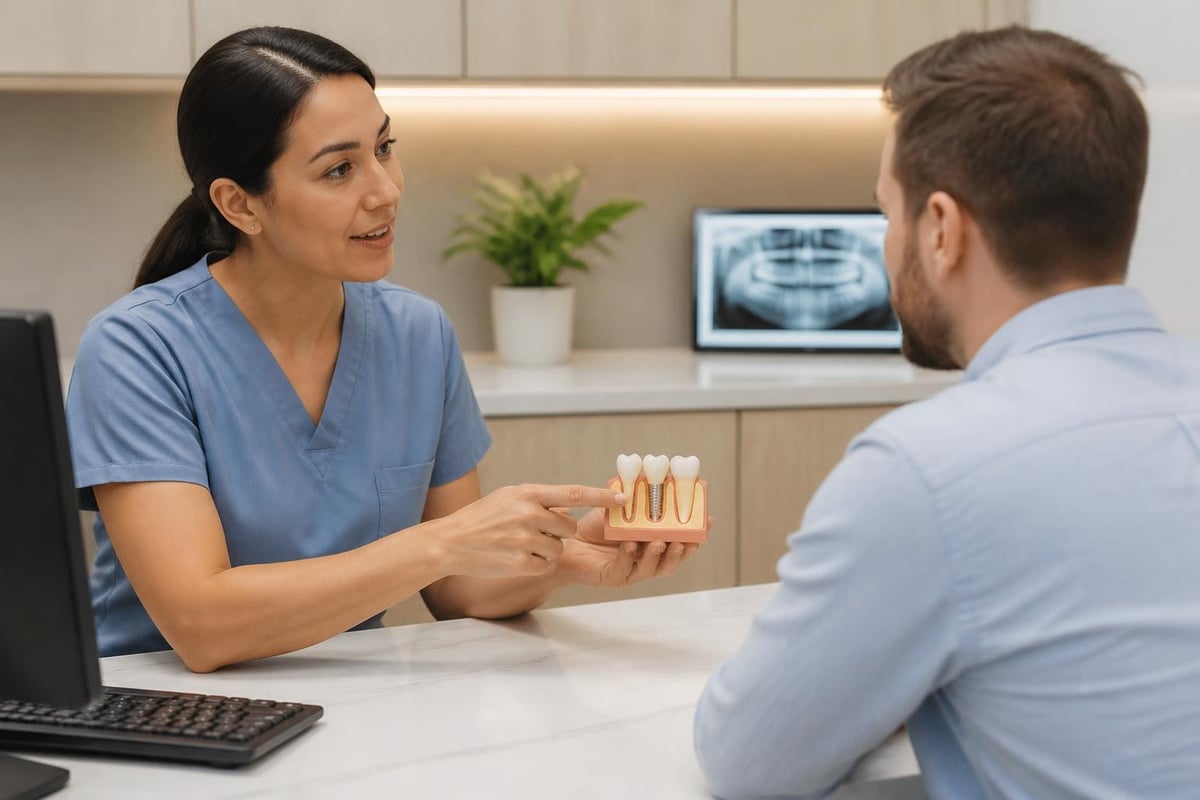
In-house plans offer flexibility that third-party lenders cannot match. Your dentist understands the value of the treatment and has motivation to help you complete it successfully. No credit check dental implant financing through dental offices evaluates factors beyond credit scores, including employment stability and payment history.
Health Savings and Flexible Spending Accounts
If you have access to an HSA or FSA through your employer, these tax-advantaged accounts provide significant savings on dental implants without insurance. Contributions reduce your taxable income, and withdrawals for qualified medical expenses, including dental implants, occur tax-free.
HSA/FSA advantages for dental implant financing:
- Tax savings of 20-35% depending on your bracket
- Funds roll over year to year (HSA only)
- Can be used for all implant-related expenses
- No approval process required for withdrawals
- Covers family members on your plan
The catch is that you need to plan ahead. FSA funds typically must be used within the plan year, while HSAs require having a high-deductible health plan. However, the tax savings effectively reduce your out-of-pocket costs by hundreds or thousands of dollars.
Cost Reduction Strategies for Dental Implants
Beyond financing, several approaches can lower the actual price you pay for dental implants without insurance. These strategies require research and flexibility but deliver substantial savings.
Dental Schools and Teaching Institutions
Accredited dental schools offer implant procedures at 30-50% below market rates. Supervised dental students or residents perform the work under the close guidance of experienced faculty members. While appointments take longer and require patience, the quality meets professional standards.
Texas has several dental schools near Dental Plus Clinic locations, including the University of Texas Health Science Center at San Antonio. These programs often have waiting lists but provide exceptional value for patients with flexible schedules.
Dental Discount Plans
Unlike insurance, dental discount plans charge an annual membership fee ($100-$200) in exchange for reduced rates at participating providers. Members typically save 10-60% on dental procedures, including implants. The plans have no waiting periods, pre-existing condition exclusions, or annual maximums.
When comparing PPO versus DHMO dental plans, discount plans offer a third alternative that works well for major procedures. You pay the full discounted amount at time of service rather than dealing with claim submissions and reimbursement delays.
| Savings Strategy | Potential Discount | Time Investment | Limitations |
|---|---|---|---|
| Dental Schools | 30-50% | High | Longer appointments |
| Discount Plans | 10-60% | Low | Limited provider network |
| Out-of-State Travel | 20-40% | High | Travel costs, follow-up visits |
| Negotiated Rates | 5-15% | Medium | Depends on provider flexibility |
Negotiating Directly with Your Dentist
Many patients don't realize that dental implant costs are sometimes negotiable, especially when paying cash upfront. Dentists avoid credit card processing fees (2-4%) and insurance administrative costs when you pay directly. This savings can be passed to you through a discount.
Effective negotiation approaches include:
- Ask about cash payment discounts upfront
- Inquire about package pricing for multiple implants
- Request price matching if you've received lower quotes
- Discuss which components offer generic alternatives
- Propose phasing treatment over time to manage costs
Building a relationship with your dental provider increases negotiation success. When your dentist knows you're a committed patient who will complete treatment and refer others, they have more incentive to work with you on pricing.
Understanding the Complete Dental Implant Procedure Cost Breakdown
Getting dental implants without insurance requires understanding each phase of the dental implant procedure and its associated costs. This knowledge helps you budget accurately and avoid surprise expenses.
Initial Consultation and Diagnostic Phase
Your journey begins with a comprehensive evaluation including digital X-rays, 3D CT scans, and treatment planning. These diagnostic procedures cost $200-$500 but are essential for determining your exact needs and creating a surgical guide. Some practices apply this fee toward your treatment if you proceed.
The latest dental implant technology uses advanced imaging to plan implant placement virtually before surgery, reducing complications and improving outcomes. This technology adds to initial costs but decreases the likelihood of expensive corrections later.
Surgical Implant Placement
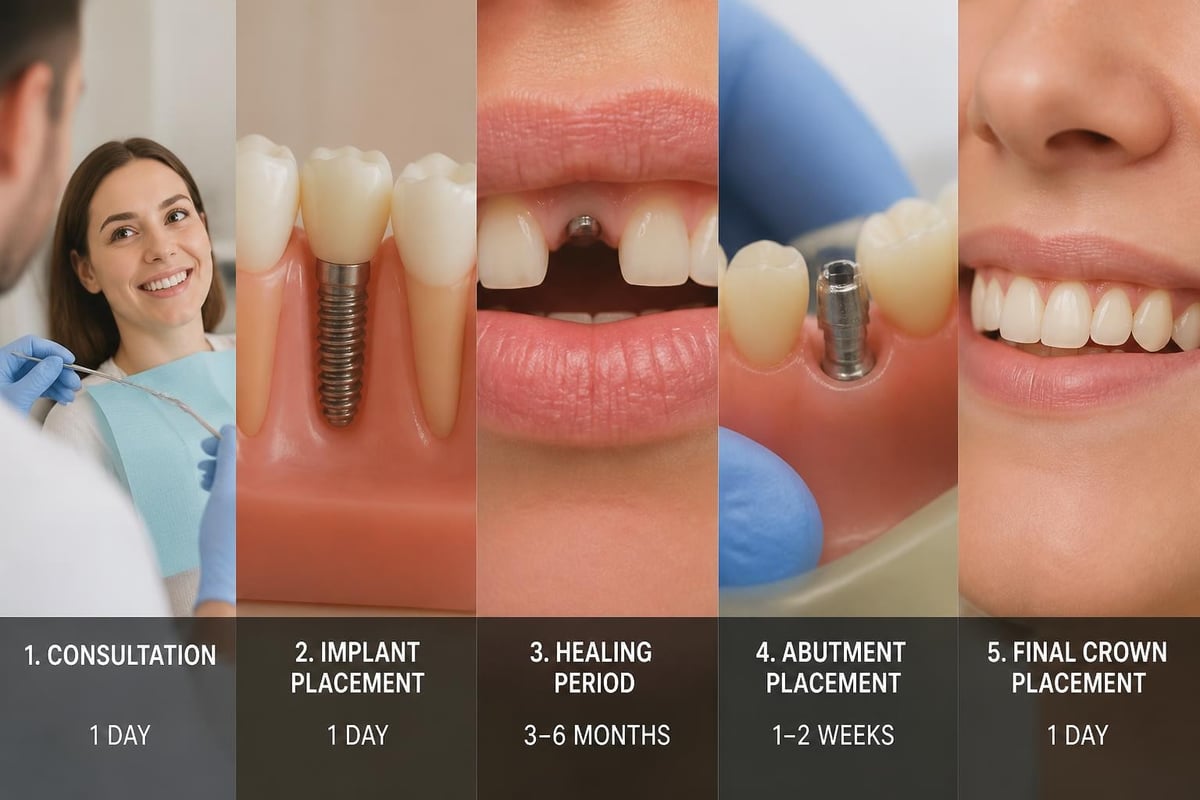
The actual implant surgery involves placing the titanium post into your jawbone. This phase typically costs $1,500-$2,500 per implant and includes local anesthesia, the surgical procedure, and immediate post-operative care. Sedation dentistry adds $200-$600 if you choose it for comfort.
Most patients report minimal discomfort during recovery when following post-operative instructions carefully. The healing period lasts 3-6 months while osseointegration occurs, during which you may wear a temporary restoration.
Abutment and Crown Placement
After the implant integrates with bone, your dentist attaches the abutment ($300-$500) and takes impressions for your custom crown. The final crown costs $1,000-$3,000 depending on materials chosen. Porcelain fused to metal offers durability at lower cost, while all-ceramic crowns provide superior aesthetics at premium pricing.
This final phase completes your restoration, and dental implants are generally not noticeable when properly planned and executed. The result looks, feels, and functions like your natural teeth.
Hidden Costs to Consider When Budgeting
Comprehensive guides to dental implant costs emphasize expenses beyond the implant itself. Planning for these additional costs prevents budget surprises during treatment.
Preparatory Procedures
Many patients require bone grafting before implant placement, especially if teeth have been missing for extended periods. Bone loss occurs naturally after tooth extraction, and insufficient bone volume prevents successful implant integration. Grafting procedures range from simple socket preservation ($300-$800) to major sinus lifts ($1,500-$2,500).
Tooth extractions for damaged or infected teeth add $75-$450 per tooth. While extraction seems like a separate expense, it's part of your implant journey if you haven't yet lost the affected tooth.
Ongoing Maintenance Expenses
Unlike bridges requiring special flossers or dentures needing adhesives, implant maintenance mirrors natural tooth care. However, you should budget for professional cleanings every six months ($75-$200 without insurance) and potential crown replacement after 10-15 years ($1,000-$3,000).
Annual maintenance costs for dental implants:
- Professional cleanings (2x yearly): $150-$400
- Specialized hygiene tools: $50-$100
- Protective night guard (if grinding): $300-$800
- X-rays and monitoring: $50-$150
These ongoing expenses are modest compared to denture replacement costs or bridge maintenance, making implants the most economical long-term solution despite higher initial investment.
Regional Cost Variations Across Texas
Where you receive treatment significantly impacts what you pay for dental implants without insurance. Texas offers diverse pricing based on location, competition, and local economic factors.
Urban Versus Suburban Pricing
Major metropolitan areas like Dallas, Houston, and Austin typically charge premium rates due to higher overhead costs. Suburban and smaller city practices often offer more competitive pricing while maintaining quality standards. Dental Plus Clinic operates in communities including Seguin, where costs may be more moderate than in large urban centers.
Traveling within Texas for dental care can yield savings, though you must factor in transportation costs and time for multiple appointments. The comprehensive breakdown of dental implant costs shows that regional variations can reach 20-30% for identical procedures.
Evaluating Value Beyond Price
The lowest price doesn't always represent the best value. When comparing providers, consider:
- Dentist's experience and implant success rates
- Technology and materials quality
- Warranty or guarantee policies
- Convenience of location for follow-up care
- Reviews and patient testimonials
Choosing a provider solely on price can lead to complications requiring expensive corrections. Research credentials, view before-and-after photos, and ask about continuing education in implant dentistry. Board certification in prosthodontics or oral surgery indicates advanced training.
Alternative Implant Solutions for Budget-Conscious Patients
Several implant variations and treatment approaches can reduce costs while still providing superior results compared to traditional dentures or bridges.
Mini Dental Implants
Mini implants use smaller diameter posts (1.8-3mm versus 3.75-6mm for standard implants) and cost approximately 30-50% less. They work well for stabilizing lower dentures or replacing small teeth. However, they lack the strength for replacing molars or supporting bridges, limiting their applications.
The procedure is less invasive, often requiring no bone grafting, and healing time is shorter. Some dentists complete mini implant placement and restoration in a single appointment, though long-term success rates don't match traditional implants.
Implant-Supported Overdentures
Rather than replacing each tooth individually, implant-supported overdentures use 2-4 implants per arch to secure a removable denture. This approach costs $6,000-$15,000 per arch compared to $24,000-$100,000 for individual implants replacing all teeth.
Benefits of overdentures versus traditional options:
- More stable than adhesive-held dentures
- Preserves bone better than dentures alone
- Removable for cleaning and maintenance
- Significantly less expensive than full implant bridges
- Can be upgraded to fixed restorations later
Patients gain confidence in eating and speaking without the embarrassment of slipping dentures while spending considerably less than full-mouth implant restoration.
Insurance Alternatives and Supplemental Coverage
While standard dental insurance provides limited implant coverage, several alternatives help offset costs of dental implants without insurance.
Medical Insurance for Implants
In specific circumstances, medical insurance may cover portions of implant treatment. If tooth loss resulted from accident, trauma, cancer treatment, or congenital conditions, medical policies sometimes provide benefits. Coverage typically requires:
- Documentation of medical necessity
- Pre-authorization before treatment
- Treatment by oral surgeon rather than general dentist
- Detailed coding emphasizing medical aspects
The factors influencing dental implant costs without insurance include whether any medical insurance benefits apply. Coordinate with both your medical and dental providers to maximize available coverage.
Discount Dental Plans as Insurance Alternatives
Discount plans function differently than traditional insurance but provide immediate savings. You pay an annual fee and receive discounted rates on all services. Plans don't limit what procedures they cover or impose waiting periods, making them ideal for patients needing immediate implant work.
Many discount plan providers negotiate rates 20-40% below standard fees. When combined with in-house financing, these plans make dental implants without insurance significantly more affordable.
Timing Your Implant Treatment Strategically
When you schedule treatment affects both your costs and outcomes. Strategic timing helps you maximize savings and improve success rates.
Taking Advantage of Promotional Periods
Dental practices often offer promotions during slower periods like January, February, and August. These specials might include:
- Free consultations or diagnostic imaging
- Percentage discounts on implant packages
- Zero-interest financing for extended periods
- Bundled pricing for multiple procedures
Following dental practice social media accounts or joining email lists alerts you to special offers. However, never rush into treatment solely because of a promotion. Ensure the provider meets your quality standards first.
Phasing Treatment Over Time
If you need multiple implants but cannot afford all simultaneously, phasing treatment over several months or years spreads costs while allowing you to benefit from implants sooner. Priority typically goes to:
- Front teeth affecting appearance and confidence
- Molars essential for chewing function
- Strategic implants for bridge support
- Remaining gaps as budget allows
This approach requires careful planning to ensure each phase integrates properly with your overall treatment plan. Your dentist can design a phased approach that maintains proper bite alignment throughout the process.
Tax Implications and Deductions for Dental Implants
The IRS classifies dental implants as deductible medical expenses, potentially reducing your effective cost through tax savings. Understanding these benefits helps you plan financing more effectively.
Itemizing Medical Expense Deductions
You can deduct medical and dental expenses exceeding 7.5% of your adjusted gross income when itemizing deductions. For example, if your AGI is $50,000, you can deduct qualified expenses above $3,750. A $10,000 implant procedure would yield a $6,250 deduction.
Qualified dental implant expenses include:
- All surgical and restoration costs
- Diagnostic imaging and consultations
- Anesthesia and sedation fees
- Travel to and from appointments
- Prescription medications related to treatment
Keep detailed records of all payments, including credit card statements, receipts, and insurance statements showing what wasn't covered. This documentation supports your deductions if audited.
Maximizing Tax Benefits
Time your implant treatment to concentrate deductible expenses in a single tax year when possible. If you're close to the 7.5% AGI threshold, scheduling all procedures before December 31st maximizes your deduction. Conversely, if you've already exceeded the threshold with other medical expenses, spreading implant costs into the following year provides no additional benefit.
Consult a tax professional about your specific situation. The combination of tax deductions and HSA/FSA contributions can reduce your effective cost by 30-40%, making dental implants without insurance surprisingly affordable.
Questions to Ask Before Committing to Treatment
Informed decision-making protects you from unexpected costs and ensures satisfactory outcomes. Ask potential providers these essential questions before proceeding.
Financial Transparency Questions
Request a detailed, written treatment plan including all anticipated costs. This document should itemize every procedure, material, and fee so you can compare providers accurately. Ask specifically about:
- What's included in quoted prices versus charged separately
- Costs if complications require additional procedures
- Revision policies if implants fail or complications occur
- Payment policies and cancellation fees
- Hidden fees for records, consultations, or imaging
Reputable practices provide clear answers in writing. Hesitation or vague responses suggest potential problems. The complete cost breakdown for dental implants in 2026 varies by provider, so comparison shopping is essential.
Clinical Outcome Questions
Beyond costs, understanding what to expect clinically prevents disappointment and additional expenses from failed treatments. Important clinical questions include:
- What is your personal success rate with implants?
- How many implant procedures do you perform annually?
- What happens if an implant fails to integrate?
- Do you provide guarantees or warranties on your work?
- Will you personally perform all aspects of my treatment?
Experienced implant dentists typically have success rates above 95% and perform dozens of implant procedures yearly. They should confidently discuss their outcomes and offer reasonable guarantees on their work.
Building Your Implant Savings Strategy
Creating a dedicated savings plan helps you afford dental implants without insurance while maintaining financial stability. Structure your approach systematically for best results.
Setting Realistic Timelines and Goals
If you need $5,000 for a single implant, saving $200 monthly gets you there in 25 months. This timeframe allows you to address the problem without overwhelming your budget or resorting to high-interest debt. For more complex cases requiring $20,000-$30,000, a longer timeline or combination of savings and financing makes sense.
Steps to build your implant savings fund:
- Get accurate treatment cost estimates from multiple providers
- Calculate monthly savings needed based on desired timeline
- Open a dedicated savings account separate from regular checking
- Automate transfers on payday to ensure consistency
- Supplement with tax refunds, bonuses, or side income
While saving, maintain excellent oral hygiene to prevent deterioration that could increase treatment complexity. Regular dental checkups, even when paying out of pocket, cost far less than addressing advanced decay or gum disease later. Consider how to reduce costs for dental care to manage interim expenses.
Leveraging Multiple Funding Sources
Combining several strategies often works better than relying on a single approach. A realistic plan might include:
- $2,000 from dedicated savings over 12 months
- $2,000 from HSA contributions and tax savings
- $3,000 financed through zero-interest promotional period
- $500 discount from cash payment or promotional offer
This combined approach totals $7,500 while minimizing interest costs and financial strain. Each component plays a specific role in making treatment affordable without creating unsustainable debt.
Making the Decision: When to Move Forward
Delaying necessary dental implants can lead to complications that increase eventual costs. Bone loss accelerates after tooth extraction, potentially requiring more extensive grafting later. Adjacent teeth shift into gaps, affecting bite alignment and making implant placement more complex.
Assessing Your Current Situation
Evaluate these factors when deciding whether to proceed with dental implants without insurance now or continue saving:
- How rapidly is your oral health declining?
- Are missing teeth affecting nutrition or confidence?
- Will waiting significantly increase treatment complexity?
- Can you afford reasonable monthly payments?
- Have you exhausted all cost-reduction options?
Sometimes waiting makes sense, particularly if you're close to qualifying for insurance coverage through a new job or other circumstance. However, prolonged delay often costs more in the long run through both health consequences and increased treatment needs.
The Cost of Inaction
Consider what you pay by not addressing missing teeth. Beyond health implications, you face:
- Continued discomfort and dietary limitations
- Reduced confidence affecting career and relationships
- Progressive bone loss requiring more extensive reconstruction
- Shifting teeth creating orthodontic problems
- Digestive issues from inadequate chewing
When factoring these costs against financing 3-5 years of monthly payments, the decision often becomes clearer. The detailed analysis of dental implant pricing and financing options helps you compare the financial impact of different timing decisions.
Resources and Support for Patients Without Insurance
Numerous organizations and programs exist specifically to help patients afford necessary dental care, including implants, without traditional insurance coverage.
Nonprofit Dental Clinics and Charities
Organizations like Donated Dental Services connect patients with significant needs to volunteer dentists who provide free or reduced-cost care. Eligibility typically requires meeting income guidelines and having permanent disabilities or chronic conditions. While waiting lists can be long, these programs offer substantial help for qualifying individuals.
Local dental societies sometimes coordinate charitable events providing free dental services. These events typically focus on basic care but occasionally include implant consultations and treatment planning.
Government Assistance Programs
While Medicare doesn't cover dental implants, some state Medicaid programs provide limited benefits for specific circumstances. Coverage varies dramatically by state, with Texas offering minimal adult dental benefits through traditional Medicaid. However, disability-related tooth loss or accident trauma sometimes qualifies for coverage.
Veterans may access implant services through VA dental benefits if tooth loss resulted from service-connected conditions. Priority groups 1-6 generally receive comprehensive dental care, while other veterans have limited access.
Community Resources and Support Groups
Online communities and local support groups connect patients navigating similar challenges. These resources share information about:
- Providers offering competitive pricing in your area
- Successful financing strategies and negotiation tactics
- Patient experiences with various treatment approaches
- Upcoming promotional events or charitable services
Facebook groups, Reddit communities, and dental health forums provide valuable peer support and practical advice. While never substitute professional guidance for internet advice, these communities offer emotional support and practical tips that help you make informed decisions.
Working with Dental Plus Clinic on Your Implant Journey
Choosing the right dental provider significantly impacts both your experience and costs when pursuing dental implants without insurance. Factors beyond price, including expertise, technology, and patient support, determine your ultimate satisfaction.
What to Expect During Your Consultation
A comprehensive implant consultation at a quality practice includes detailed examination, diagnostic imaging, and thorough discussion of all options. Your dentist should explain what makes you a good candidate, potential challenges, treatment timeline, and complete cost breakdown before you make any commitments.
Transparent communication about costs, financing options, and expected outcomes demonstrates respect for patients. Practices that rush through consultations or pressure immediate decisions often fail to deliver the personalized care you deserve.
The Value of Local, Accessible Care
Finding dental implants near you in Texas provides convenience for multiple appointments required throughout the implant process. Traveling long distances for treatment creates challenges when follow-up appointments or adjustments become necessary.
Local providers understand regional needs and often develop financing programs specifically suited to their communities. They build long-term relationships with patients, ensuring continuity of care beyond initial implant placement.
Affording dental implants without insurance requires strategic planning, research, and patience, but thousands of patients successfully navigate this journey annually. By combining financing options, cost-reduction strategies, and realistic budgeting, you can achieve the healthy, confident smile that dental implants provide. Dental Plus Clinic offers personalized treatment plans, flexible financing options, and experienced care across five Texas locations to help you explore implant solutions that fit your needs and budget. Contact us today to schedule your comprehensive consultation and take the first step toward restoring your smile.