

Navigating dental night guard insurance coverage can feel overwhelming, especially when you're dealing with teeth grinding or jaw clenching that affects your sleep and oral health. Many patients seeking relief from bruxism through custom night guards wonder whether their insurance will help offset the costs, which can range from several hundred to over a thousand dollars. Understanding how insurance providers approach coverage for these protective devices, what documentation you'll need, and which alternative payment options exist can save you both time and money while protecting your dental health.
Understanding Night Guard Coverage Basics
Dental night guard insurance coverage varies significantly based on your specific insurance plan, carrier, and the medical necessity of the device. Most dental insurance policies categorize night guards under major restorative services or preventive care, depending on how the provider views their purpose.
Insurance companies typically require documented evidence of bruxism or temporomandibular joint disorder (TMJ) before approving coverage. Your dentist must demonstrate that the night guard serves a therapeutic purpose rather than purely preventive use. This distinction matters because many policies cover night guards differently based on diagnosis and treatment purpose.
The Role of Medical Necessity
Medical necessity forms the cornerstone of successful insurance claims for night guards. Dentists must document:
- Observable wear patterns on existing teeth
- Patient-reported symptoms of jaw pain or headaches
- Clinical examination findings indicating bruxism
- Previous failed conservative treatments
- Risk factors for continued dental damage
Without proper documentation, even comprehensive dental plans may deny coverage. The insurance company needs to see that this appliance prevents further damage or treats an existing condition rather than serving as a precautionary measure.
Types of Insurance Plans and Coverage Levels
Different insurance plan structures handle dental night guard insurance coverage with varying levels of reimbursement and requirements. Understanding your plan type helps set realistic expectations.
PPO Dental Plans
Preferred Provider Organization plans generally offer the most flexibility for night guard coverage. These plans typically cover 50-80% of the cost after your deductible, provided the treatment meets medical necessity criteria. Understanding the differences between PPO and DHMO dental plans helps you maximize your benefits.
PPO plans usually classify night guards under major services, which means:
- Annual deductibles apply first
- Coinsurance rates range from 20-50%
- Annual maximum limits affect total coverage
- Pre-authorization may be required

DHMO and HMO Plans
Dental Health Maintenance Organization plans operate differently from PPO structures. These plans often provide fixed copayments for specific services but may have more restrictive coverage for night guards.
| Plan Feature | PPO Plans | DHMO Plans | Indemnity Plans |
|---|---|---|---|
| Night Guard Coverage | 50-80% typical | Fixed copay or excluded | Reimbursement after payment |
| Provider Choice | Network preferred | Network required | Any licensed dentist |
| Pre-authorization | Often required | Usually required | May be required |
| Annual Maximum | $1,000-$2,000 | Service limits vary | $1,000-$2,500 |
Medicare and Medicaid Coverage
Traditional Medicare does not include dental night guard insurance coverage as it excludes most dental services. However, some Medicare Advantage plans offer supplemental dental benefits that may include limited coverage.
Medicaid coverage for night guards varies by state. Texas Medicaid provides limited dental benefits for adults, and night guard coverage typically requires exceptional circumstances and extensive documentation of medical necessity.
The Claims Process for Night Guards
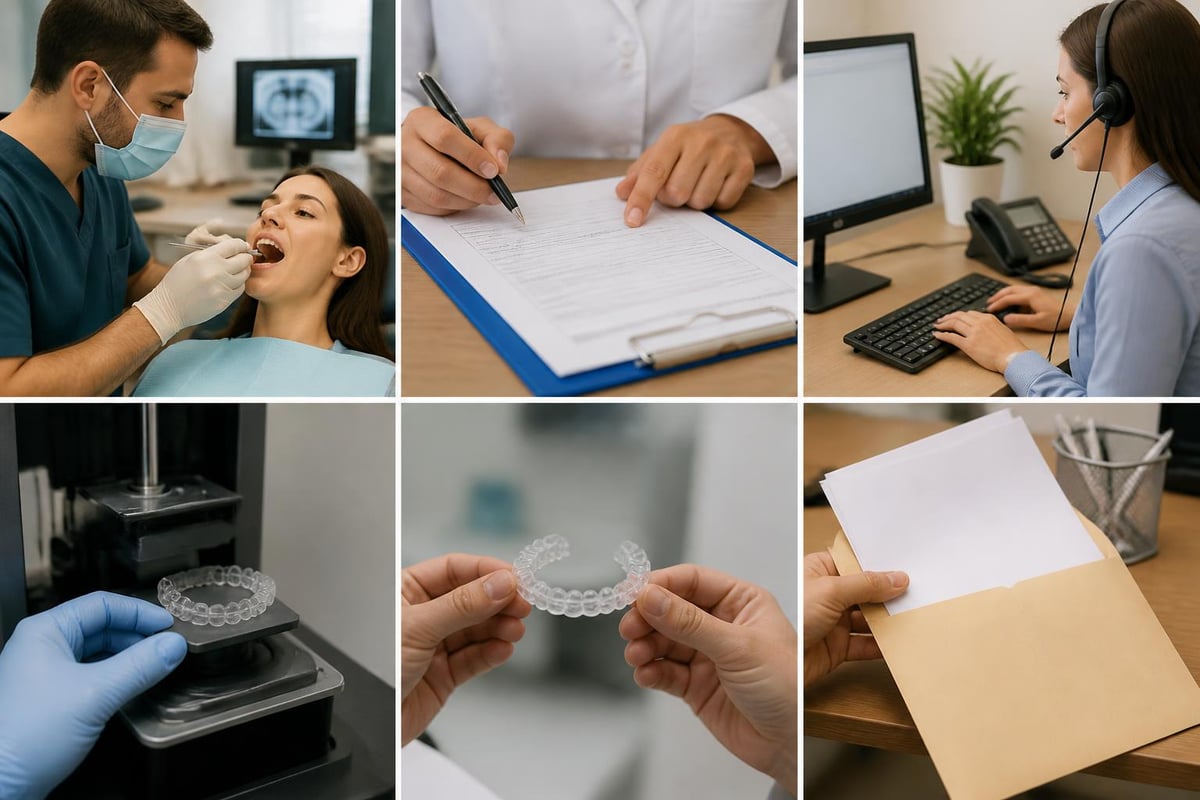
Successfully obtaining dental night guard insurance coverage requires following specific procedures and submitting proper documentation. The claims process involves several critical steps that patients and dental offices must coordinate.
Pre-Authorization Requirements
Most insurance carriers require pre-authorization before fabricating a custom night guard. This process involves:
- Comprehensive dental examination documenting bruxism
- Diagnostic photographs showing tooth wear
- Written treatment plan with procedure codes
- Clinical notes justifying medical necessity
- Submission of pre-determination request
The insurance company reviews these materials and issues a determination within 2-4 weeks. Pre-authorization doesn't guarantee payment but provides an estimate of coverage, helping you plan financially.
Proper Procedure Coding
Dental offices must use correct CDT (Current Dental Terminology) codes when submitting claims. The most common code for night guards is D9944 (occlusal guard – hard appliance, full arch). Insurance claim coding considerations significantly impact approval rates.
Alternative codes may apply depending on the specific type of appliance:
- D9945: Occlusal guard, soft appliance, full arch
- D9946: Occlusal guard, hard appliance, partial arch
- D5999: Unspecified removable prosthodontic procedure
Using the wrong code can result in automatic denial, even when coverage exists for the correct procedure.
Cost Considerations and Out-of-Pocket Expenses
Understanding the full financial picture of dental night guard insurance coverage helps you budget appropriately and explore all available options for reducing costs.
Average Costs in Texas
Custom-fitted night guards from dental offices in Texas typically range from $300 to $800, depending on the material, laboratory fees, and dentist's location. Dental offices in areas like New Braunfels may have different pricing structures than those in more rural areas.
Factors affecting cost include:
- Material selection: Hard acrylic, soft materials, or dual-laminate designs
- Laboratory fees: In-house versus external lab fabrication
- Number of adjustments: Follow-up visits for fitting refinements
- Warranty coverage: Replacement policies for damaged appliances
Insurance Reimbursement Rates
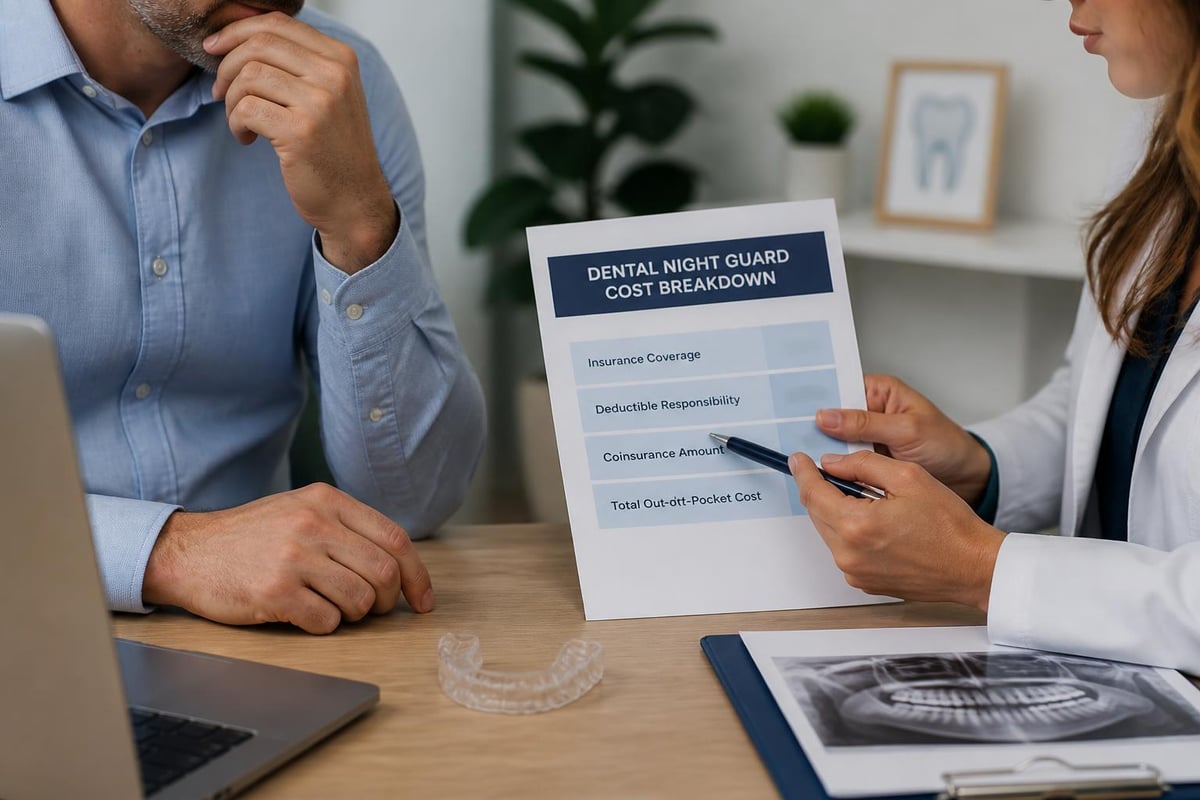
Even with dental night guard insurance coverage, patients often pay significant out-of-pocket amounts. Typical coverage percentages vary by carrier, but general patterns emerge:
Common reimbursement scenarios:
- Insurance covers 50% after deductible: Patient pays $400-$500
- Insurance covers 80% with met deductible: Patient pays $100-$200
- No coverage but PPO discount: Patient pays full discounted fee
- Full coverage under preventive benefits: Rare but possible
Annual Maximum Impact
Most dental insurance plans impose annual maximum benefits ranging from $1,000 to $2,000. If you've already used substantial benefits for other dental work in 2026, your remaining coverage for a night guard may be limited or exhausted.
Strategic timing matters. Patients approaching their annual maximum might consider:
- Waiting until the new benefit year begins
- Splitting treatment across benefit years when possible
- Prioritizing essential treatments over elective procedures
- Coordinating with your dentist about optimal timing
Alternative Payment Options Without Insurance
When dental night guard insurance coverage falls short or doesn't exist, several alternative payment methods can make treatment more accessible and affordable.
Health Savings Accounts and Flexible Spending Accounts
HSA and FSA funds provide tax-advantaged ways to pay for night guards. Utilizing FSA and HSA funds for night guard reimbursement requires proper documentation but offers significant savings.
To use these accounts:
- Obtain a letter of medical necessity from your dentist
- Pay for the night guard using your HSA/FSA debit card
- Submit itemized receipt with procedure code
- Include clinical documentation if requested
- Maintain records for tax purposes
These accounts allow pre-tax dollars to cover qualified medical expenses, effectively reducing costs by your marginal tax rate plus FICA taxes – typically 25-35% savings for most taxpayers.
In-House Payment Plans
Many dental practices, including Dental Plus Clinic locations throughout Texas, offer internal financing options that spread costs over several months without interest charges.
Typical payment plan features include:
- No credit check required
- Zero interest for qualified timeframes
- Monthly installments matching your budget
- No hidden fees or penalties
- Automatic payment options available
Third-Party Financing
Companies like CareCredit, LendingClub, and Alphaeon Credit specialize in healthcare financing with promotional periods offering deferred interest or low-interest rates.
| Financing Option | Typical Terms | Best For | Considerations |
|---|---|---|---|
| CareCredit | 6-24 months no interest | Immediate need, good credit | Must pay in full before promo ends |
| Personal loan | Fixed rates, 2-5 years | Larger expenses | Credit check required |
| In-house plans | 3-12 months interest-free | Established patients | Limited to practice policies |
| Credit card | Varies by card | Small balances | High interest if not paid quickly |
Medical Insurance vs. Dental Insurance Coverage
The question of whether medical or dental insurance covers night guards creates confusion for many patients. Understanding this distinction is crucial for maximizing dental night guard insurance coverage.
When Medical Insurance May Apply
Medical insurance occasionally covers night guards when they treat diagnosed medical conditions rather than purely dental issues. Medical insurance coverage depends heavily on diagnosis and the condition being treated.
Medical coverage scenarios include:
- Sleep apnea treatment: When prescribed as part of sleep disorder therapy
- TMJ disorders: Documented temporomandibular joint dysfunction
- Neurological conditions: Bruxism secondary to medical conditions
- Post-surgical protection: Following jaw surgery or reconstruction
Medical claims require different documentation than dental claims, including ICD-10 diagnosis codes, physician referrals, and medical records supporting the treatment rationale.
Coordination of Benefits
Patients with both medical and dental insurance may benefit from coordination of benefits (COB). This process determines which insurance pays primary and which pays secondary.
Strategic considerations:
- Submit to medical insurance first if the condition has a medical diagnosis
- Secondary dental insurance may cover remaining balances
- Document all communications with both carriers
- Understand each policy's coordination clauses
- Work with your dental office’s insurance verification team
Major Insurance Carriers and Their Policies
Different insurance companies approach dental night guard insurance coverage with varying policies, requiring patients to understand their specific carrier's guidelines.
Delta Dental Coverage
Delta Dental, one of the largest dental insurance providers in Texas, typically classifies night guards under major services with 50% coverage after deductible. Their policies generally require:
- Pre-authorization for appliances over $300
- Documentation of bruxism or TMJ disorder
- Annual maximum applies to night guard benefits
- Replacement coverage limited to once every 3-5 years
United Concordia and Humana
United Concordia provides coverage similar to Delta Dental but may have different frequency limitations. Humana’s approach to nighttime mouthguards varies by specific plan design, with some plans offering better coverage under specific circumstances.
Cigna and Aetna Policies
Both Cigna and Aetna typically cover night guards at 50% under major services, but their pre-authorization requirements and documentation standards differ. Some plans classify night guards as preventive if prescribed to prevent future damage rather than treat existing conditions.
Maximizing Your Coverage Benefits
Strategic planning helps patients optimize their dental night guard insurance coverage and minimize out-of-pocket expenses.
Timing Your Treatment
Calendar timing significantly impacts insurance benefits:
- New year benefits: Maximum coverage resets January 1st for most plans
- Remaining benefits: Use leftover annual maximum before year-end
- Deductible status: Treatment after meeting deductible reduces costs
- Plan changes: Utilize benefits before switching insurance
Documentation Strategies
Comprehensive documentation increases approval likelihood:
- Request detailed clinical notes from your dentist
- Take before-and-after photographs showing tooth wear
- Maintain a symptom diary documenting grinding episodes
- Collect records of previous conservative treatments
- Obtain written statements about quality of life impact
Appeal Denied Claims
If your initial claim for dental night guard insurance coverage is denied, don't accept the decision without exploring appeals. Understanding what to do when dental insurance is denied can help you successfully challenge unfavorable decisions.
Effective appeal strategies include:
- Review the specific denial reason carefully
- Gather additional supporting documentation
- Request peer-to-peer review with dental director
- Submit letters of medical necessity from specialists
- Cite policy language supporting coverage
- Document all communication with the insurance company
Many initially denied claims receive approval on appeal when proper documentation and persistence are applied.
Over-the-Counter vs. Custom Night Guards
Understanding the differences between OTC and custom night guards helps contextualize why insurance typically covers only professionally-made appliances.
Professional Custom Night Guards
Dentist-fabricated night guards offer superior fit, durability, and protection. These appliances require impressions, laboratory fabrication, and professional adjustments. Dental night guard insurance coverage applies exclusively to these custom devices because:
- They're prescribed by licensed dental professionals
- They require diagnostic examination and treatment planning
- They're fabricated specifically for individual anatomy
- They receive professional oversight and adjustments
- They provide documented therapeutic benefit
Store-Bought Alternatives
Over-the-counter night guards available at pharmacies cost $15-$100 but lack the custom fit and professional oversight that justify insurance coverage. Insurance rarely covers OTC night guards because they don't require professional involvement.
| Feature | Custom Professional | OTC Boil-and-Bite | OTC Stock |
|---|---|---|---|
| Cost | $300-$800 | $30-$100 | $15-$40 |
| Insurance Coverage | Often 50-80% | None | None |
| Fit Quality | Excellent | Fair | Poor |
| Durability | 3-5 years | 6-12 months | 3-6 months |
| Comfort | High | Moderate | Low |
| Professional Oversight | Included | None | None |
Special Considerations for Texas Patients
Geographic location affects dental night guard insurance coverage through provider networks, regional pricing variations, and state regulations.
Provider Network Availability
Texas patients should verify that their chosen dental office participates in their insurance network. In-network providers at locations like Leander or Seguin typically offer:
- Pre-negotiated fee schedules
- Streamlined claims submission
- Better coverage percentages
- Lower out-of-pocket costs
Out-of-network treatment may result in balance billing, where patients pay the difference between the dentist's fee and the insurance allowance.
Regional Cost Variations
Night guard pricing varies across Texas based on market conditions, overhead costs, and competitive factors. Metropolitan areas often have higher fees than rural communities, though insurance reimbursement rates may not reflect these differences.
Texas State Regulations
Texas insurance regulations require carriers to provide clear explanation of benefits (EOB) statements and maintain specific appeals processes. The Texas Department of Insurance oversees dental insurance practices, providing consumer protection and complaint resolution services.
Employer-Sponsored Plans and Group Coverage
Group dental insurance through employers often provides better dental night guard insurance coverage than individual plans purchased on the marketplace.
Typical Group Plan Benefits
Employer plans frequently include:
- Higher annual maximums ($1,500-$2,500)
- Better coverage percentages for major services
- Lower or waived deductibles
- More comprehensive provider networks
- Streamlined pre-authorization processes
Negotiating with HR Departments
If your current plan provides inadequate coverage, consider discussing enhancement options during open enrollment periods. Employers sometimes offer tiered plan options where higher premiums deliver better benefits for procedures like night guards.
Children and Orthodontic-Related Night Guards
Pediatric dental night guard insurance coverage follows different patterns than adult coverage, particularly when related to orthodontic treatment.
Orthodontic Appliance Coverage
Night guards prescribed during or after orthodontic treatment may fall under orthodontic benefits rather than general restorative coverage. Children receiving orthodontic care may need retainer-style night guards that insurance treats differently.
Coverage considerations for pediatric patients include:
- Separate lifetime orthodontic maximums
- Different age eligibility requirements
- Varying coverage percentages (often 50%)
- Specific documentation requirements
- Growth-related replacement considerations
Frequency Limitations for Growing Patients
Children may require more frequent night guard replacements due to jaw growth and dental development. Some insurance plans recognize this reality and adjust frequency limitations for patients under 18.
Long-Term Cost-Benefit Analysis
Evaluating dental night guard insurance coverage requires considering long-term dental health costs versus immediate appliance expenses.
Preventing Future Dental Damage
Untreated bruxism causes cumulative damage that results in expensive future treatments:
- Crown replacements: $800-$1,500 per tooth
- Root canals: $700-$1,200 per tooth
- Dental implants: $3,000-$5,000 per tooth
- TMJ treatment: $1,500-$6,000 for comprehensive therapy
- Full mouth reconstruction: $20,000-$50,000
A $500 out-of-pocket investment in a night guard prevents thousands in future dental work, making it cost-effective even without substantial insurance coverage.
Replacement and Maintenance Costs
Professional night guards typically last 3-5 years with proper care. Insurance companies recognize reasonable replacement timelines:
- Most plans cover replacements every 3-5 years
- Earlier replacement requires documentation of damage or loss
- Routine adjustments are usually included in initial fee
- Deep cleaning and minor repairs often receive no coverage
Working with Your Dental Office
Successful navigation of dental night guard insurance coverage requires effective collaboration with your dental provider's administrative team.
Questions to Ask Your Dentist
Before proceeding with night guard fabrication, discuss:
- What is the total out-of-pocket cost after insurance?
- Does your office handle pre-authorization submission?
- What payment options exist if insurance denies coverage?
- How long is the night guard warranty?
- What follow-up care is included?
Office Support for Insurance Claims
Quality dental practices provide comprehensive insurance assistance:
- Verification of benefits before treatment
- Submission of pre-determination requests
- Complete documentation for medical necessity
- Follow-up on pending claims
- Support during appeals processes
- Clear explanation of patient financial responsibility
Practices like Dental Plus Clinic that prioritize patient education and financial transparency help reduce insurance-related stress and unexpected costs.
Future Trends in Night Guard Coverage
Insurance industry trends suggest evolving approaches to dental night guard insurance coverage as understanding of bruxism's health impacts expands.
Preventive Medicine Recognition
Insurance carriers increasingly recognize preventive dental appliances as cost-saving measures. This shift may result in:
- Reclassification from major to preventive services
- Higher coverage percentages
- Reduced documentation requirements
- More flexible replacement schedules
Teledentistry and Remote Monitoring
Emerging technologies allow dentists to monitor bruxism remotely and document patterns supporting insurance claims. Smart night guards with sensors may provide objective data that strengthens medical necessity documentation.
Value-Based Insurance Design
Some insurers are experimenting with value-based models that reward preventive care. These programs might offer enhanced coverage for night guards when patients complete regular preventive visits and demonstrate engagement in oral health maintenance.
Understanding dental night guard insurance coverage empowers you to make informed decisions about protecting your oral health while managing costs effectively. Whether your insurance provides partial coverage, full benefits, or no assistance, exploring all available payment options ensures you can access the protective devices your teeth need. At Dental Plus Clinic, our experienced team helps patients navigate insurance complexities, maximize available benefits, and find affordable solutions for custom night guards at our convenient Texas locations in Beeville, Seguin, New Braunfels, Leander, and Converse. Schedule a consultation today to discuss your specific needs and discover how we can help protect your smile for years to come.