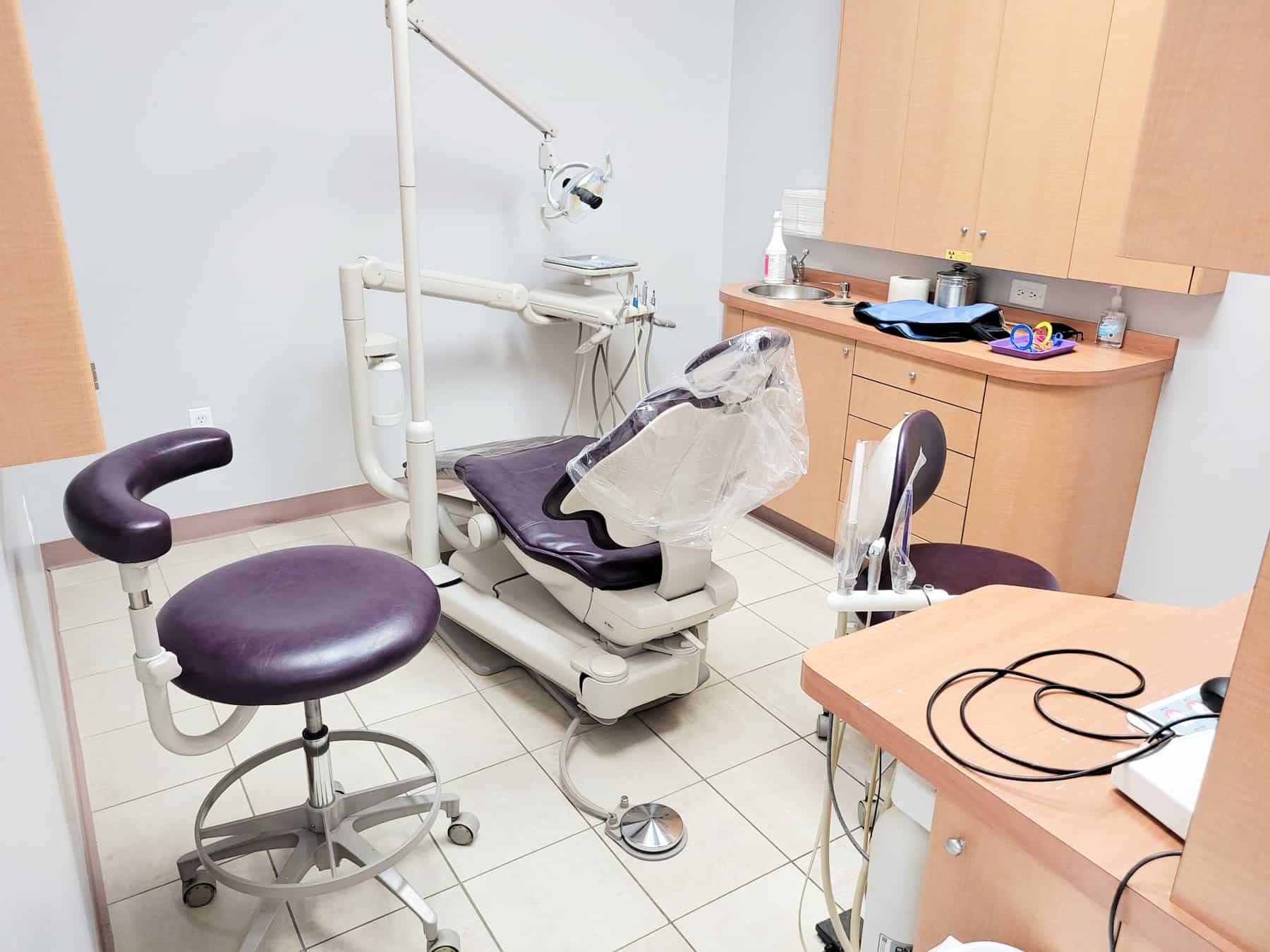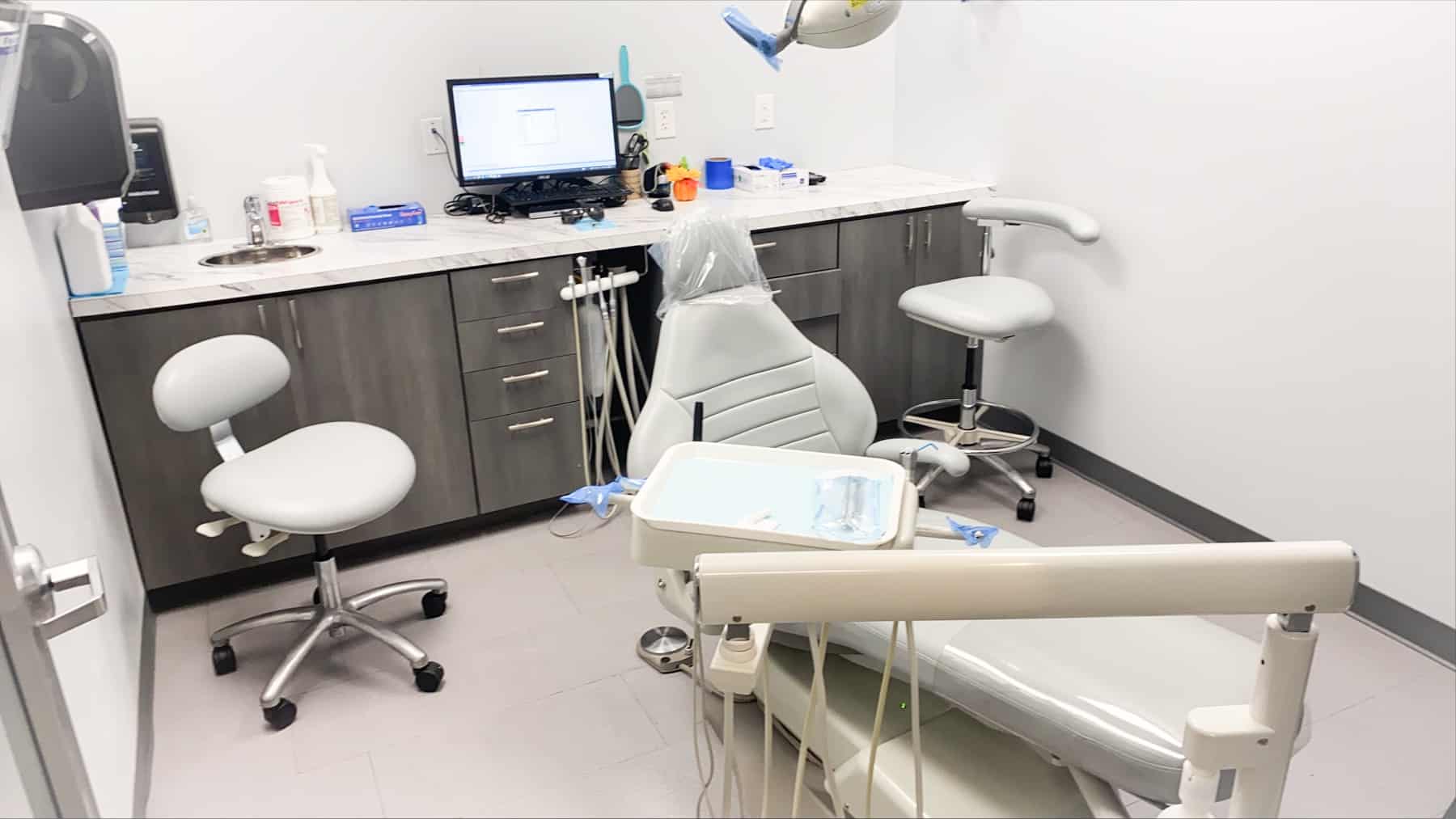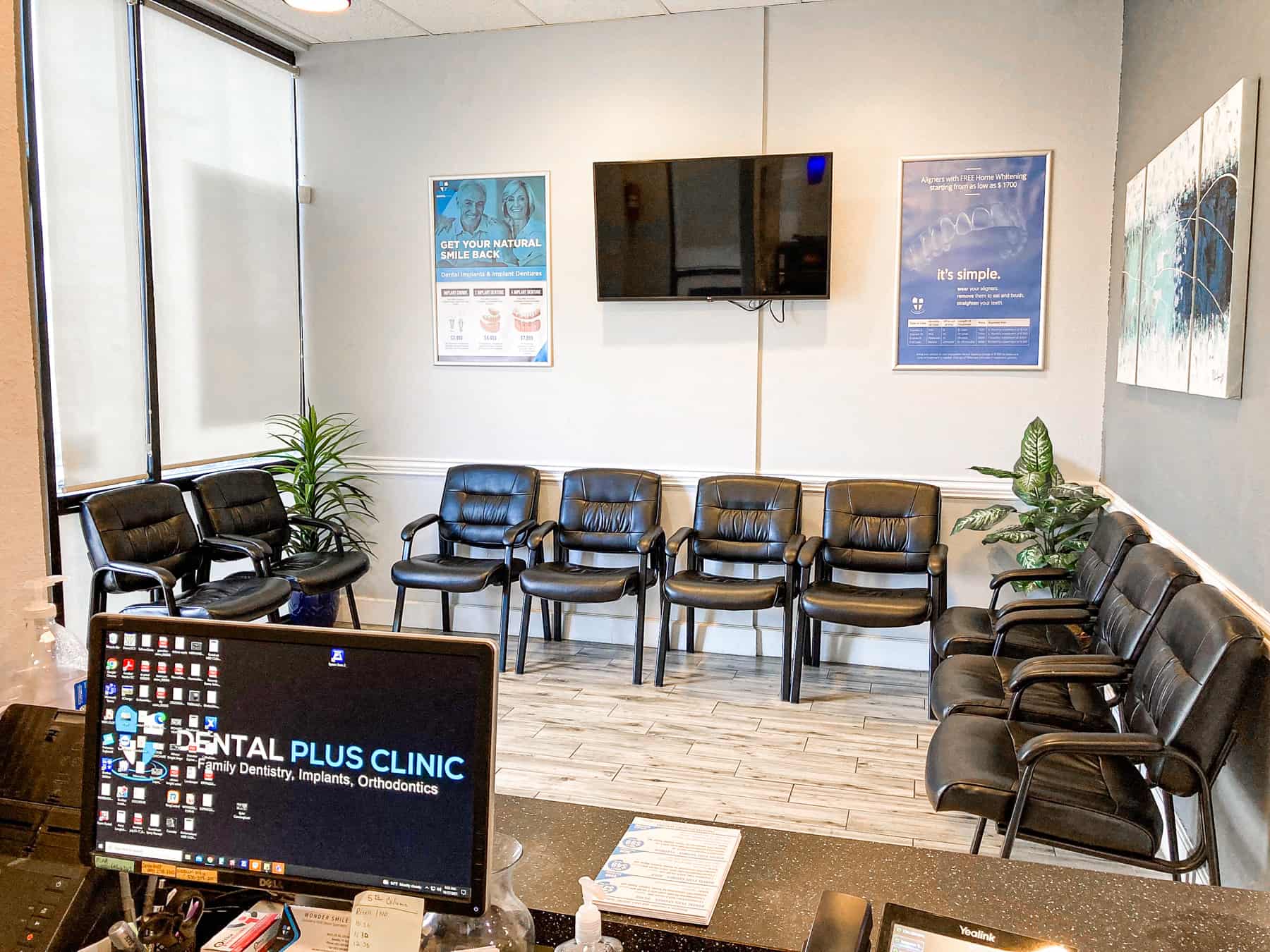


Finding quality dental care that works with your insurance plan can feel overwhelming, especially in a state as large as Texas. With hundreds of dental practices spread across major cities and rural communities, locating a dentist that accepts insurance near me in texas requires understanding your coverage, knowing which providers are in-network, and recognizing what questions to ask before scheduling your first appointment. This guide walks you through every step of the process, from verifying insurance acceptance to maximizing your dental benefits in 2026.
Understanding Dental Insurance Networks in Texas
Dental insurance operates differently than medical coverage, with distinct networks, coverage tiers, and reimbursement structures. Most dental plans in Texas fall into three categories: PPO (Preferred Provider Organization), HMO (Health Maintenance Organization), and indemnity plans. Each type determines how much flexibility you have when choosing a provider and what percentage of costs your insurance covers.
PPO plans offer the most flexibility, allowing you to visit any dentist while providing higher reimbursement rates for in-network providers. When searching for a dentist that accepts insurance near me in texas, PPO members can typically receive care at any practice, though staying in-network reduces out-of-pocket expenses by 30-50% on average.
HMO dental plans require you to select a primary dentist from an approved network. These plans typically offer lower monthly premiums but restrict your choices to specific providers. Before committing to an HMO plan, verify that quality dentists in your area participate in the network.
Major Insurance Carriers Operating in Texas
Texas residents have access to numerous dental insurance providers, each with different networks and coverage levels. Understanding which carriers operate in your region helps narrow your search considerably.
| Insurance Carrier | Network Size in Texas | Plan Types Available | Average Monthly Premium |
|---|---|---|---|
| Blue Cross Blue Shield | 5,000+ dentists | PPO, HMO | $35-$65 |
| DentaQuest | 3,500+ dentists | Medicaid, CHIP | Varies by eligibility |
| Humana | 4,200+ dentists | PPO, HMO, Discount | $25-$55 |
| MetLife | 3,800+ dentists | PPO | $40-$70 |
| Delta Dental | 6,500+ dentists | PPO, HMO | $30-$60 |
Blue Cross and Blue Shield of Texas maintains one of the largest dental networks statewide, making it easier to find participating providers in both urban and rural areas. Their plans emphasize preventive care coverage, typically covering cleanings and exams at 100% with no deductible.
For Texas residents enrolled in Medicaid or CHIP, DentaQuest provides comprehensive dental coverage with a network of participating dentists across the state. Understanding which providers accept these government-funded programs is essential for accessing affordable care.
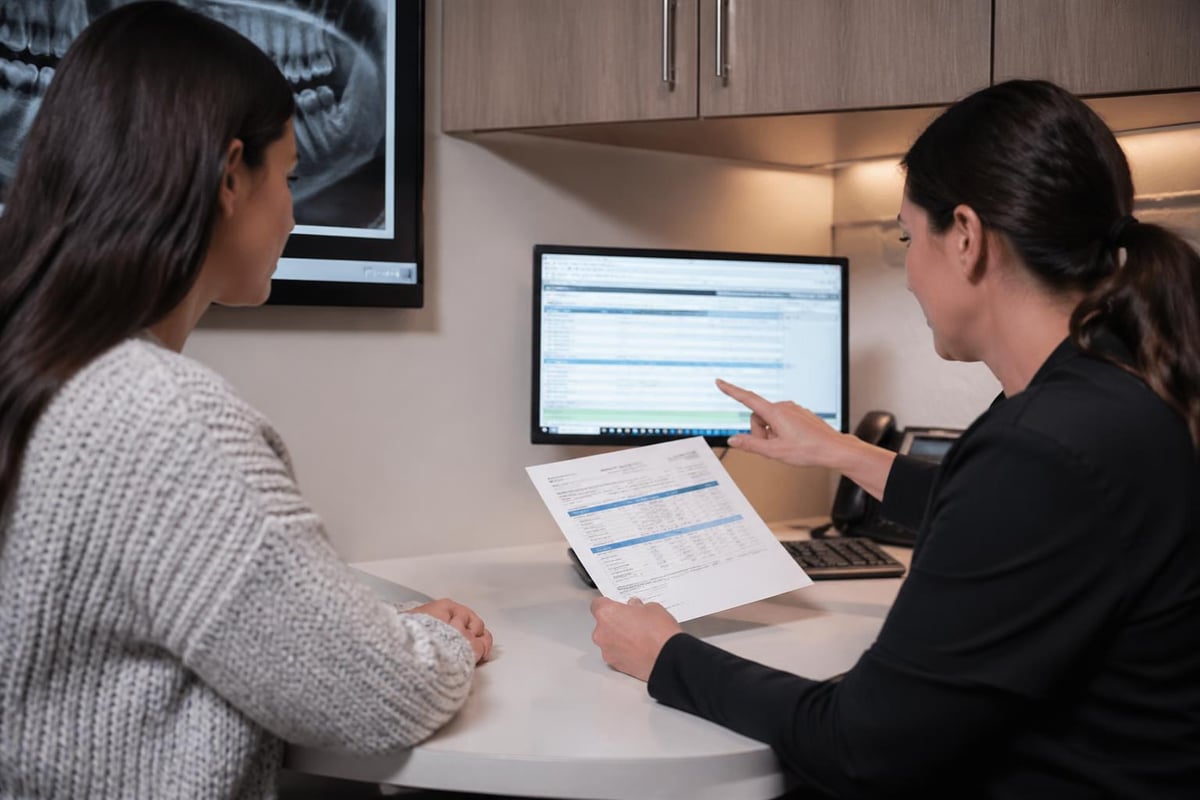
Steps to Find a Dentist That Accepts Your Insurance
The search for a dentist that accepts insurance near me in texas becomes manageable when you follow a systematic approach. These steps ensure you find quality care that maximizes your benefits while minimizing unexpected expenses.
Step 1: Review Your Insurance Documentation
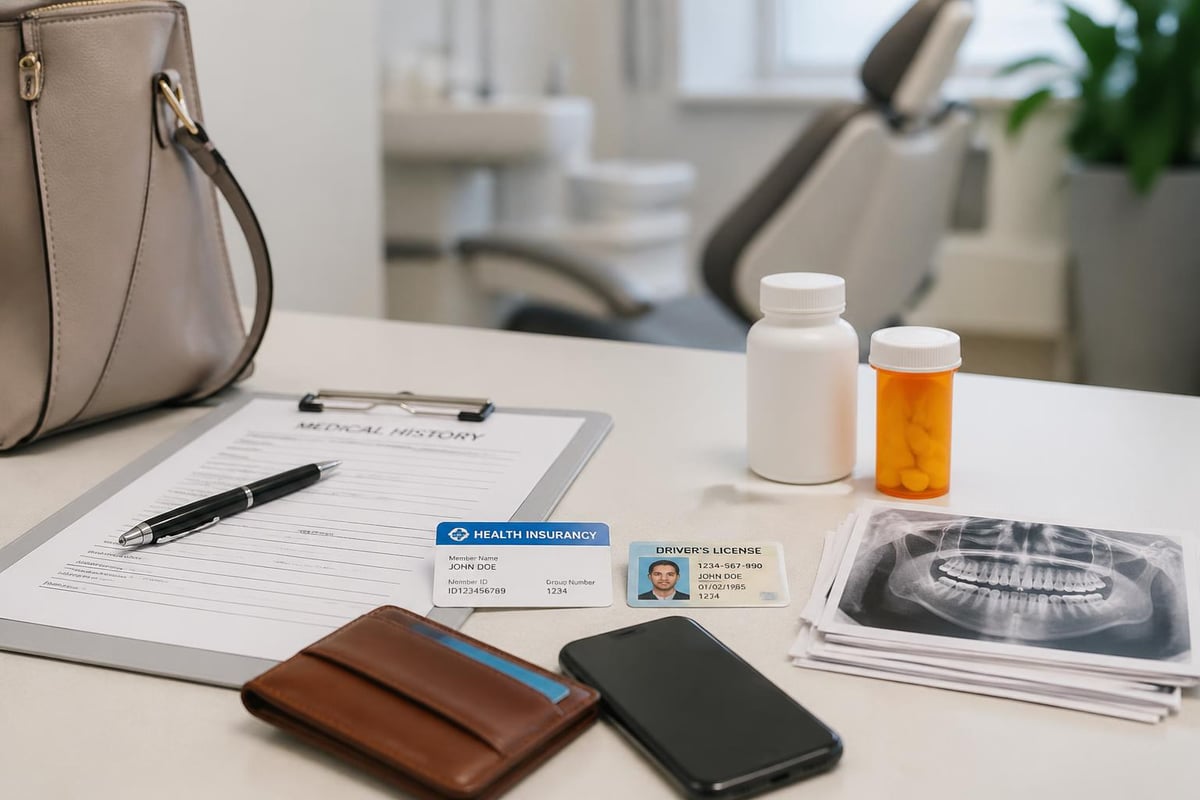
Start by gathering your insurance card, policy documents, and benefits summary. Key information includes:
- Group number and member ID: Required for verification
- Coverage effective dates: Ensures your policy is active
- Deductible and annual maximum: Determines your financial responsibility
- Covered services percentages: Shows what the plan pays for preventive, basic, and major procedures
Most insurance companies provide online portals where you can access current coverage details, review claims history, and download ID cards. Log into your account before beginning your provider search.
Step 2: Use Your Insurance Provider’s Search Tool
Every major dental insurance carrier offers an online provider directory. These searchable databases allow you to filter by location, specialty, and acceptance of new patients. When using these tools, enter your ZIP code and select a search radius appropriate for your commuting preferences.
Provider directories typically indicate whether dentists are accepting new patients, their office hours, languages spoken, and specialties offered. Cross-reference multiple dentists in your area to compare credentials and patient reviews.
Step 3: Verify Coverage Directly with Dental Offices
Even when a dentist appears in your insurance network, confirming acceptance directly prevents surprises. Call prospective offices and ask these essential questions:
- Do you currently accept [specific insurance name]?
- Are you in-network or out-of-network for my plan?
- What services require pre-authorization?
- Do you offer payment plans for procedures not fully covered?
- What is your policy on filing insurance claims?
At Dental Plus Clinic, our team verifies insurance benefits before your appointment, providing clear estimates of your out-of-pocket costs for recommended treatments. This transparency helps patients make informed decisions about their dental care.
Step 4: Confirm Provider Credentials and Specialties
Once you identify dentists accepting your insurance, research their qualifications, experience, and areas of expertise. Look for:
- Board certification and licensing status
- Years of practice and continuing education
- Specialty training in areas like cosmetic dentistry or implantology
- Patient reviews and testimonials
- Modern technology and treatment approaches
Understanding the latest dental implant technology can help you evaluate whether a practice offers advanced treatment options when needed.
Maximizing Your Dental Insurance Benefits in 2026
Finding a dentist that accepts insurance near me in texas represents just the first step. Maximizing your coverage requires understanding how benefits work and timing treatments strategically.
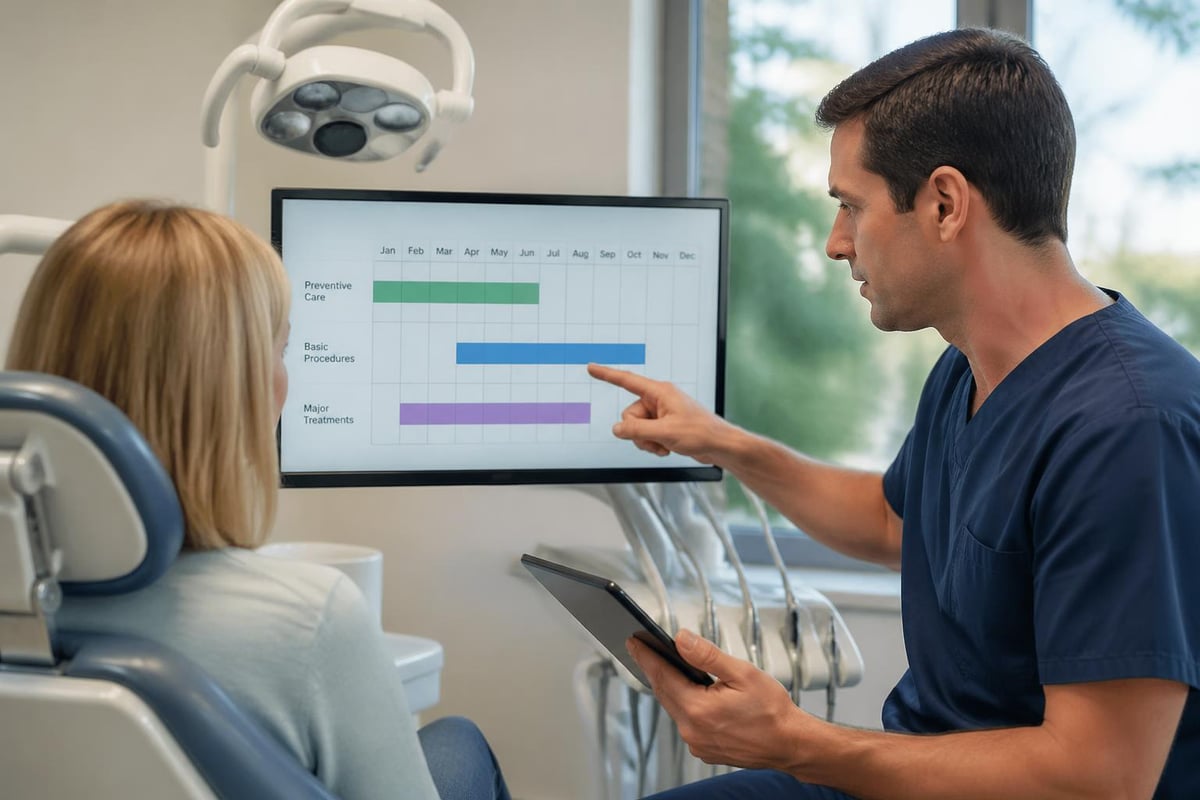
Understanding Coverage Tiers
Dental insurance typically categorizes services into three tiers, each with different coverage percentages:
Preventive Care (100% coverage)
- Routine cleanings (typically twice yearly)
- Comprehensive exams
- X-rays (bitewing and panoramic)
- Fluoride treatments (often age-limited)
Basic Procedures (70-80% coverage)
- Fillings for cavities
- Simple extractions
- Root canal therapy
- Periodontal maintenance
Major Procedures (50% coverage)
- Crowns and bridges
- Dentures and partials
- Dental implants
- Advanced periodontal surgery
Most plans include an annual maximum benefit, typically ranging from $1,000 to $2,000. Once you reach this limit, you’re responsible for 100% of additional costs until the next benefit year begins January 1st.
Strategic Treatment Planning
When you require extensive dental work, timing treatments across benefit years can significantly reduce out-of-pocket expenses. For example, if you need multiple crowns and reach your annual maximum in October, consider postponing non-urgent work until January when benefits reset.
Discuss treatment sequencing with your dentist. Many practices, including our locations in Seguin and Leander, work with patients to create phased treatment plans that optimize insurance benefits while maintaining oral health.
Alternative Coverage Options
For procedures that exceed insurance coverage or when you lack dental insurance, exploring alternatives can make care more affordable. Many Texas residents benefit from comparing dental insurance vs dental savings plans to determine the best financial approach for their needs.
Dental savings plans, also called discount plans, charge an annual membership fee in exchange for reduced rates at participating dentists. These plans typically offer 15-60% discounts on all procedures without waiting periods, annual maximums, or claim forms.
Humana’s dental insurance plans in Texas include both traditional insurance and discount plan options, providing flexibility for different budget levels and dental needs.
Regional Considerations for Texas Dental Insurance
Texas’s size and diversity create unique insurance considerations depending on your location. Network availability, provider density, and coverage options vary significantly between metropolitan areas and rural communities.
Urban vs. Rural Provider Access
Major Texas cities like Houston, Dallas, San Antonio, and Austin offer extensive provider networks across all insurance carriers. Residents in these areas typically find multiple in-network dentists within a few miles of home or work.
Rural Texas presents different challenges. Smaller communities may have limited dental practices, and not all accept every insurance plan. When searching for a dentist that accepts insurance near me in texas in rural areas, expanding your search radius to 30-50 miles may be necessary.
The Texas Department of State Health Services maintains resources for finding affordable dental care throughout the state, including information about community health centers that serve underserved areas regardless of insurance status.
Insurance Requirements by Region
| Region | Average Provider Density | Common Insurance Types | Special Considerations |
|---|---|---|---|
| Houston Metro | High (200+ per 100k residents) | All major carriers | Heavy PPO presence |
| Dallas-Fort Worth | High (185+ per 100k residents) | All major carriers | Strong HMO networks |
| San Antonio | Medium (150+ per 100k residents) | All major carriers | Military insurance common |
| Austin | Medium (165+ per 100k residents) | All major carriers | Tech company plans prevalent |
| Rural Texas | Low (40-80 per 100k residents) | Limited networks | Medicaid expansion areas |
Employer-Sponsored Coverage Variations
Texas employers offer diverse dental insurance options, with coverage quality varying significantly by company size and industry. Large corporations typically provide comprehensive PPO plans with extensive networks, while small businesses may offer more limited HMO options or health savings account (HSA) contributions for dental expenses.
State employees have access to specific dental coverage through designated carriers. The state employee network includes many providers, though options differ from private insurance plans available to individual purchasers.
Common Coverage Scenarios and Solutions
Different life situations require tailored approaches to finding a dentist that accepts insurance near me in texas. Understanding how coverage works in your specific circumstances helps you navigate the system effectively.
Family Coverage Considerations
When selecting dental insurance for your family, consider these factors:
- Pediatric coverage: Many plans include enhanced preventive care for children, including sealants and fluoride treatments
- Orthodontic benefits: Braces and clear aligners often have separate lifetime maximums ($1,000-$2,000)
- Shared vs. individual deductibles: Family plans may have per-person deductibles or combined family deductibles
Finding a practice that welcomes patients of all ages simplifies appointment scheduling and builds long-term relationships. Family-friendly practices understand the unique needs of children, teens, adults, and seniors.
Medicare and Dental Coverage
Traditional Medicare Parts A and B do not include routine dental coverage. Medicare Advantage (Part C) plans sometimes offer dental benefits, though coverage levels vary significantly by plan and carrier.
Texas Medicare beneficiaries seeking dental coverage have several options:
- Enroll in a Medicare Advantage plan with dental benefits
- Purchase a standalone dental insurance policy
- Join a dental savings plan
- Pay out-of-pocket and seek practices offering senior discounts
Researching which dentists accept your specific Medicare Advantage plan prevents billing complications and ensures you receive expected benefits.
Medicaid and CHIP Dental Benefits
Texas Medicaid and the Children’s Health Insurance Program (CHIP) provide comprehensive dental coverage for eligible children and limited coverage for qualifying adults. DentaQuest administers the Medicaid dental program, operating the largest publicly-funded dental network in Texas.
Children enrolled in Medicaid receive coverage for:
- Preventive care (exams, cleanings, fluoride, sealants)
- Diagnostic services (x-rays)
- Restorative treatments (fillings, crowns)
- Emergency dental services
- Orthodontics when medically necessary
Adult Medicaid coverage in Texas is more restrictive, typically limited to emergency services and extractions. Pregnant women may qualify for expanded dental benefits during pregnancy and postpartum periods.
Questions to Ask Before Your First Appointment
Once you identify potential dentists accepting your insurance, asking the right questions during your initial contact ensures a good fit for your needs and prevents misunderstandings about coverage.
Insurance and Billing Questions
- What percentage of your patients use [my insurance carrier]?
- Do you submit claims directly to insurance, or am I responsible for filing?
- How quickly do you typically receive insurance reimbursement?
- What payment methods do you accept for my portion of the bill?
- Do you offer payment plans for treatments exceeding insurance coverage?
- Is there a separate fee for insurance claim processing?
Treatment and Practice Questions
- What preventive services do you recommend for patients my age?
- How do you handle dental emergencies for established patients?
- What technology do you use for diagnostics and treatment?
- How far in advance do I need to schedule routine appointments?
- Do you provide treatment estimates before beginning work?
Understanding what types of treatments general dentists provide helps you determine whether a practice can meet all your dental needs or if you’ll need specialist referrals for certain procedures.
Red Flags When Selecting an Insurance-Accepting Dentist
Not all dentists providing insurance-accepting services deliver equal quality or value. Watch for warning signs that might indicate problems:
- Pushy sales tactics: Dentists recommending extensive treatment without clear justification
- Unclear pricing: Inability or unwillingness to provide cost estimates before treatment
- Outdated facilities: Lack of modern sterilization equipment or digital technology
- Poor communication: Staff unable to answer basic insurance questions
- Negative reviews: Patterns of complaints about billing practices or treatment outcomes
- High patient turnover: Difficulty scheduling follow-up appointments due to dentist changes
Trust your instincts. If something feels wrong during your research or initial visit, continue your search for a dentist that accepts insurance near me in texas until you find a practice where you feel comfortable and confident.
Navigating Insurance Pre-Authorization and Claim Disputes
Even with in-network dentists, insurance complications occasionally arise. Understanding how to navigate pre-authorizations and dispute claim denials protects your financial interests.
When Pre-Authorization Is Required
Many insurance plans require pre-authorization (also called pre-determination) for major procedures like crowns, bridges, implants, and orthodontics. This process involves:
- Your dentist submits a treatment plan with supporting documentation to your insurance company
- The insurance company reviews the clinical necessity and coverage eligibility
- You receive an estimate of insurance payment and your out-of-pocket responsibility
- Treatment proceeds once you approve the financial arrangement
Pre-authorization typically takes 2-4 weeks. While inconvenient, this process prevents surprise bills and confirms coverage before significant expenses occur.
Handling Claim Denials
Insurance denials happen for various reasons, including:
- Procedure deemed not medically necessary
- Service not covered under your specific plan
- Annual maximum already reached
- Missing or incomplete documentation
- Timing restrictions (procedure performed too soon after similar treatment)
When facing a denial, request a detailed explanation from your insurance company. Many denials result from administrative errors or missing information rather than legitimate coverage exclusions. Your dentist’s office can often resolve these issues by submitting additional documentation or appealing the decision.
Understanding how to reduce your costs for dental care includes knowing when and how to challenge insurance denials that seem unjustified.
Evaluating Dental Practices Beyond Insurance Acceptance
While finding a dentist that accepts insurance near me in texas is important, insurance participation shouldn’t be your only selection criterion. The best dental care combines financial accessibility with clinical excellence and patient comfort.
Technology and Treatment Approaches
Modern dental practices invest in technology that improves diagnostic accuracy, treatment precision, and patient comfort. Look for practices offering:
- Digital x-rays: Reduce radiation exposure by 80-90% compared to traditional film
- Intraoral cameras: Allow you to see what the dentist sees for better understanding
- ** 3D imaging**: Provides detailed views for implant planning and complex cases
- Laser dentistry: Enables less invasive treatment for many soft tissue procedures
- CAD/CAM systems: Create same-day crowns and restorations
Practices committed to continuing education and technology adoption typically deliver more comfortable, efficient care. When comparing all-on-4 vs all-on-6 dental implants, for example, advanced practices can explain which approach suits your specific bone structure and restoration goals.
Patient Comfort and Office Environment
Dental anxiety affects approximately 30% of adults. Practices that prioritize patient comfort through thoughtful amenities and compassionate care help anxious patients receive necessary treatment.
Comfort-focused practices may offer:
- Sedation dentistry options (nitrous oxide, oral sedation, IV sedation)
- Noise-canceling headphones and entertainment options
- Warm blankets and neck pillows
- Gentle numbing techniques
- Flexible appointment scheduling
Comprehensive vs. Referral-Based Care
Some dental practices provide comprehensive services in-house, including general dentistry, cosmetic procedures, orthodontics, and oral surgery. Others focus on general dentistry and refer patients to specialists for advanced treatments.
Comprehensive practices offer convenience and continuity of care. Referral-based practices may provide deeper expertise in specific areas. Consider your anticipated dental needs when choosing between these models.
Insurance Considerations for Specific Dental Treatments
Different procedures have unique insurance considerations. Understanding coverage patterns for common treatments helps you plan financially and avoid surprises.
Preventive Care Coverage
Most insurance plans strongly incentivize preventive care by covering it at 100% with no deductible. This typically includes:
- Two cleanings per year (some plans cover three or four for high-risk patients)
- Annual or biannual comprehensive exams
- Periodic x-rays (frequency varies by age and risk factors)
- Fluoride treatments (often limited to children under 18)
Maximizing preventive benefits keeps your teeth healthy and reduces the need for expensive restorative work later. Regular cleanings also help detect problems like cavities and gum disease before they require major intervention.
Restorative Treatment Coverage
Fillings, crowns, and root canals fall into the basic and major procedure categories, typically covered at 70-80% and 50% respectively after your deductible. Insurance companies often have specific rules about these treatments:
- Fillings: May restrict coverage to amalgam (silver) on back teeth, requiring additional payment for tooth-colored composite
- Crowns: Usually require pre-authorization and have waiting periods on new policies (6-12 months)
- Root canals: Coverage depends on tooth location, with molars sometimes having different coverage than front teeth
Cosmetic Dentistry and Insurance
Most insurance plans exclude purely cosmetic procedures like teeth whitening, veneers, and smile makeovers. However, treatments that restore function while improving appearance may receive partial coverage.
For example:
- Crowns are typically covered when needed to protect damaged teeth
- Orthodontics may be covered for children and sometimes adults when correcting severe malocclusion
- Dental bonding might be covered when repairing chipped or broken teeth
When considering cosmetic dentistry procedures, discuss coverage possibilities with your insurance company and dentist. Some practices offer financing options for elective treatments not covered by insurance.
Implant Coverage Trends
Traditionally, most dental insurance plans excluded implants entirely. In 2026, coverage has expanded somewhat, with many plans now covering implants at the same level as bridges (typically 50% after deductible). However, coverage varies significantly:
| Coverage Scenario | Typical Reimbursement | Common Requirements |
|---|---|---|
| Implant as bridge alternative | 50% of implant cost | Pre-authorization, medical necessity documentation |
| Implant after traumatic injury | 50-80% | Accident documentation, timely treatment |
| Cosmetic implant replacement | 0% | No coverage |
| Implant-supported dentures | 50% (implants only) | Multiple missing teeth, failed alternatives |
Understanding the dental implant recovery timeline and potential risks and complications helps you make informed decisions when insurance covers only a portion of treatment costs.
Building a Long-Term Relationship with Your Dentist
Once you find a dentist that accepts insurance near me in texas who meets your needs, building a lasting relationship enhances your oral health outcomes and often improves your overall experience.
Consistency Benefits
Seeing the same dentist regularly provides several advantages:
- Familiarity with your dental history: Your dentist understands your unique challenges and previous treatments
- Early problem detection: Consistent monitoring helps identify changes that might indicate developing issues
- Personalized preventive strategies: Recommendations tailored to your specific risk factors
- Trust and comfort: Reduced anxiety when you know and trust your provider
- Better communication: Established relationships facilitate open discussions about treatment options
When to Consider Switching Dentists
Despite the benefits of consistency, certain situations warrant finding a new dentist:
- Relocating beyond reasonable driving distance
- Significant changes in insurance coverage requiring network changes
- Persistent dissatisfaction with care quality or communication
- Practice ownership changes affecting treatment philosophy
- Life stage transitions requiring different specialties
Understanding when a person should switch dentists helps you make informed decisions about continuing or changing your dental care provider.
Financial Planning for Dental Care in Texas
Even with insurance, dental care involves out-of-pocket expenses. Strategic financial planning ensures you can afford necessary treatments while maximizing insurance benefits.
Understanding Your Annual Dental Budget
Calculate your expected annual dental expenses by considering:
- Insurance premiums: Monthly payments × 12 months
- Deductible: Amount you pay before insurance begins covering
- Copayments: Your percentage for basic and major procedures
- Uncovered services: Cosmetic treatments or services exceeding annual maximum
For a family with PPO coverage, typical annual costs might include:
- Premiums: $150/month × 12 = $1,800
- Deductible: $50 per person × 4 family members = $200
- Estimated copayments for routine care: $300-500
- Total: $2,300-2,500 for routine preventive care
Health Savings Accounts and Flexible Spending Accounts
If your employer offers HSA or FSA options, these tax-advantaged accounts can significantly reduce the true cost of dental care. Both allow you to set aside pre-tax dollars for qualified medical and dental expenses.
HSA advantages:
- Funds roll over year to year (no “use it or lose it”)
- Can be invested for growth
- Portable if you change employers
- Triple tax advantage (tax-deductible contributions, tax-free growth, tax-free withdrawals for qualified expenses)
FSA advantages:
- Available without high-deductible health plan requirement
- Employer may contribute matching funds
- Immediate access to full annual election amount
Alternative Financing Options
For extensive dental work exceeding insurance coverage and savings, consider:
- Payment plans: Many dental offices offer interest-free payment plans for 6-12 months
- Dental credit cards: Products like CareCredit provide promotional financing for healthcare expenses
- Personal loans: Banks and credit unions offer medical/dental loan products
- Discount dental plans: Annual membership fees provide percentage discounts on all services
Regional Resources for Finding Insured Dental Care
Texas offers numerous resources beyond individual insurance company directories for locating affordable, insured dental care.
Community Health Centers
Federally Qualified Health Centers (FQHCs) throughout Texas provide dental services on a sliding fee scale based on income. While designed primarily for underserved populations, many accept private insurance in addition to Medicaid.
These centers prioritize preventive care and treat patients regardless of ability to pay. Services often include:
- Comprehensive exams and cleanings
- X-rays and diagnostic services
- Fillings and extractions
- Root canals and basic crowns
- Emergency dental services
Dental Schools and Training Programs
Texas dental schools offer reduced-cost care provided by dental students under faculty supervision. While appointments take longer than in private practice, the quality of care is typically excellent, and most facilities accept insurance.
Major Texas dental schools include:
- University of Texas Health Science Center at Houston School of Dentistry
- University of Texas Health Science Center at San Antonio School of Dentistry
- Texas A&M College of Dentistry (Dallas)
State and Local Assistance Programs
Texas maintains several programs helping residents access dental care, particularly for low-income families, seniors, and people with disabilities. Resources include county health departments, Area Agencies on Aging, and nonprofit dental clinics.
Making Your Final Selection
After researching options, verifying insurance, and evaluating practices, making your final selection involves trusting your research while remaining open to adjusting if the fit isn’t right.
Scheduling Your First Appointment
When booking your initial visit, mention that you’re a new patient and confirm the office has your insurance information on file. Ask whether you should arrive early to complete paperwork or if forms can be submitted electronically beforehand.
Bring to your first appointment:
- Insurance card (front and back copies)
- Photo ID
- List of current medications
- Previous dental records if available
- Payment method for your copayment
Evaluating Your Experience
After your first visit, reflect on these factors:
- Was the office clean, modern, and well-organized?
- Did staff communicate clearly about costs and insurance coverage?
- Did the dentist listen to your concerns and explain findings thoroughly?
- Were treatment recommendations appropriate and well-justified?
- Did you feel comfortable and respected throughout the visit?
Trust your instincts. Finding the right dentist that accepts insurance near me in texas involves both practical considerations (insurance acceptance, location, availability) and personal factors (communication style, office atmosphere, treatment philosophy).
Establishing Ongoing Care
Once you select a dentist, schedule your next preventive appointment before leaving the office. Most practices book routine cleanings 6-12 months in advance, ensuring you maintain regular care and maximize your insurance benefits.
Ask about appointment reminder systems, preferred contact methods, and policies for emergencies occurring outside regular office hours. Understanding these details from the beginning prevents confusion later.
Finding a dentist that accepts insurance near me in texas requires research, verification, and careful evaluation of your options, but the effort pays dividends in affordable, quality care for years to come. Whether you need routine preventive services, restorative treatments, or advanced procedures, selecting a practice that works with your insurance while meeting your clinical needs sets the foundation for lifelong oral health. Dental Plus Clinic welcomes new patients across our five Texas locations, accepting most major insurance plans and offering transparent pricing, modern technology, and comprehensive services for the whole family. Contact us today to verify your insurance coverage and schedule your first appointment.