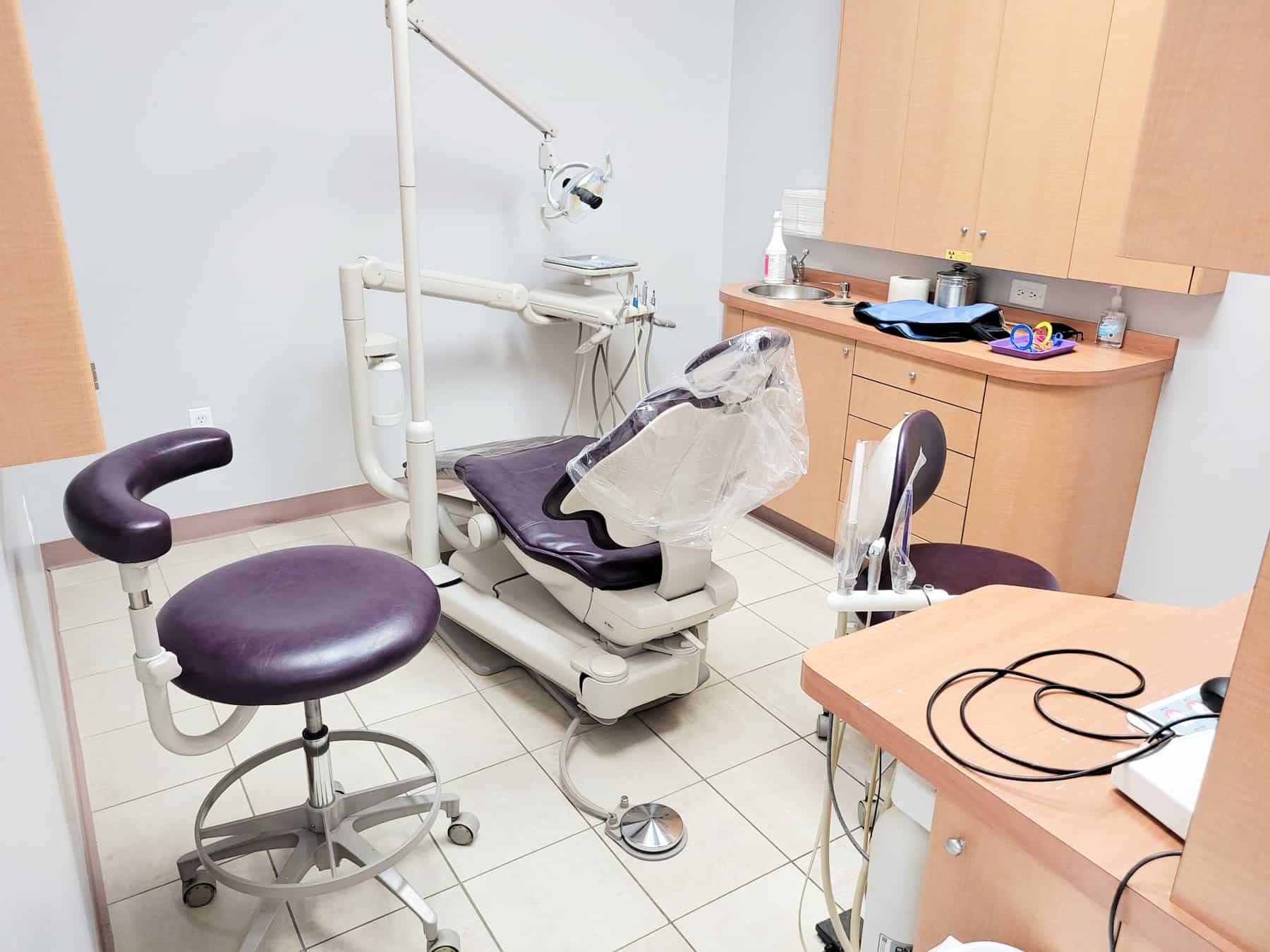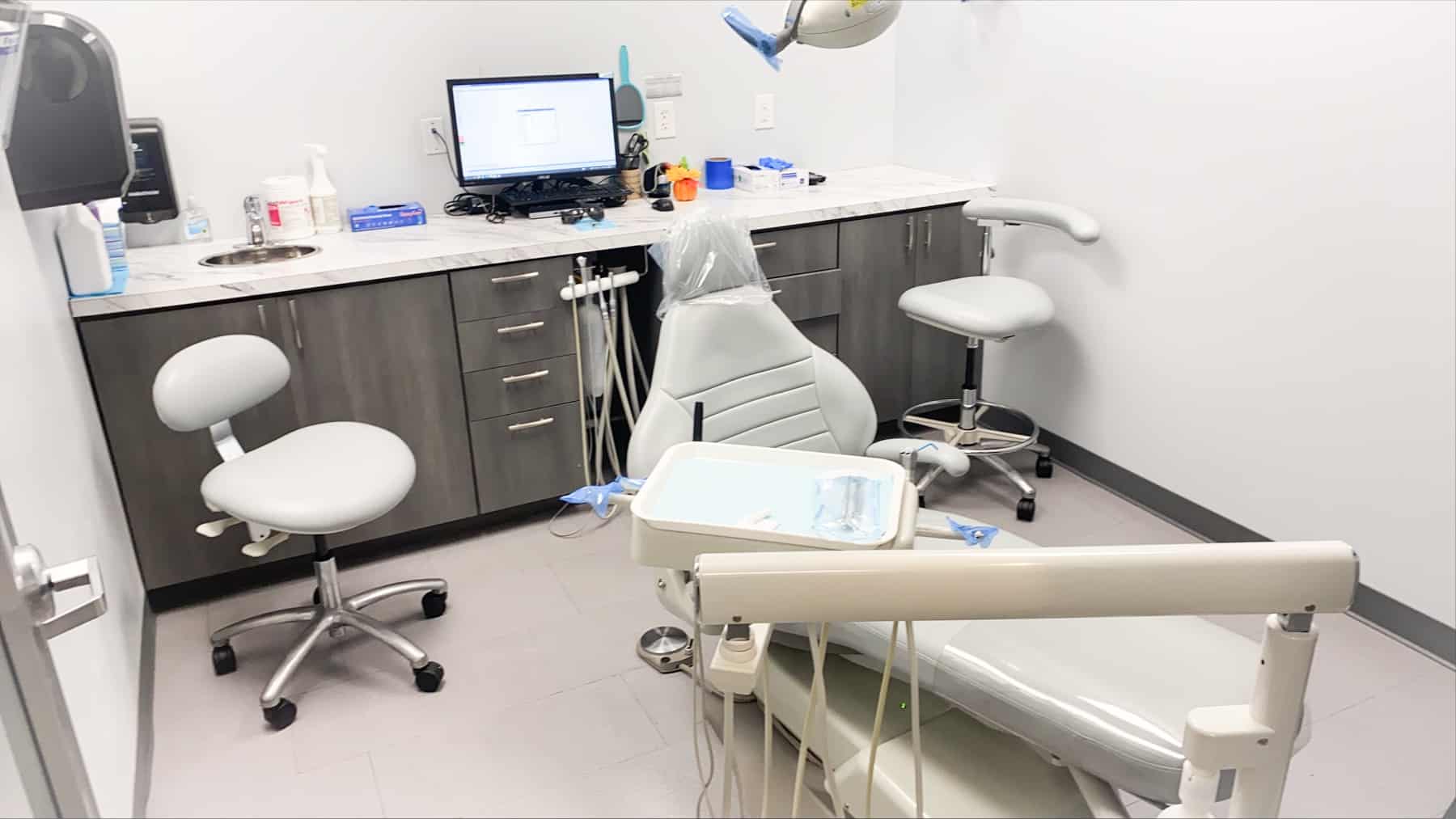


Dental emergencies can strike without warning, transforming a normal day into a painful ordeal requiring immediate professional attention. When severe tooth pain, infection, or trauma threatens your oral health, understanding your options becomes crucial. An emergency tooth extraction represents one of the most critical interventions dentists perform to protect patients from serious complications, preserve overall health, and alleviate unbearable discomfort. Whether you're dealing with an abscessed tooth, severe decay, or dental trauma, knowing what to expect during this procedure can reduce anxiety and help you make informed decisions about your oral health care.
Understanding When Emergency Tooth Extraction Becomes Necessary
Not every toothache requires immediate extraction, but certain conditions demand swift action to prevent life-threatening complications. Recognizing these warning signs can mean the difference between a straightforward procedure and a complex medical emergency.
Severe Infections and Abscesses
Dental abscesses represent one of the most common reasons for emergency tooth extraction. When bacteria penetrate deep into the tooth structure, they can create pockets of pus that cause intense pain and swelling. Emergency dental extractions become necessary when infections don't respond to antibiotics or when they threaten to spread to surrounding tissues.
Key indicators of dental abscess requiring extraction:
- Persistent, throbbing pain that doesn't respond to over-the-counter medication
- Visible swelling in the face, jaw, or neck
- Fever exceeding 101°F
- Difficulty swallowing or breathing
- Foul taste in the mouth accompanied by drainage
According to the National Center for Biotechnology Information, untreated dental infections can spread to the jaw, neck, and even brain, creating potentially fatal complications. These scenarios require immediate intervention to remove the infected tooth and prevent systemic spread.
Traumatic Dental Injuries
Accidents happen, and teeth often bear the brunt of facial trauma. Sports injuries, falls, and vehicular accidents can crack, fracture, or completely dislodge teeth. When damage extends below the gum line or involves the tooth root, saving the tooth may not be possible.
Emergency extraction becomes necessary when:
- The tooth is severely fractured with exposed nerves
- Root damage prevents successful restoration
- The tooth has been knocked out and cannot be reimplanted
- Surrounding bone structure has been compromised
At Dental Plus Clinic locations across Texas, our emergency dental teams assess traumatic injuries immediately to determine whether extraction or restoration provides the best outcome for your long-term oral health.

Advanced Tooth Decay Beyond Repair
While regular dental check-ups typically catch cavities early, some patients delay treatment until decay becomes extensive. When dental caries destroy most of the tooth structure, leaving insufficient healthy tissue for crowns or fillings, extraction may be the only viable option.
| Decay Stage | Treatment Option | Extraction Likelihood |
|---|---|---|
| Early enamel decay | Fluoride treatment, remineralization | Very low |
| Moderate cavity | Filling or inlay | Low |
| Deep decay reaching pulp | Root canal and crown | Moderate |
| Extensive structural damage | Extraction and replacement | High |
| Severe infection with bone loss | Immediate extraction | Very high |
Understanding when to seek dental care can prevent minor issues from escalating into emergency extractions. Regular preventive care remains your best defense against tooth loss.
The Emergency Tooth Extraction Procedure Explained
Understanding what happens during an emergency tooth extraction can significantly reduce anxiety and help you prepare mentally for the experience. Modern dental techniques and anesthesia make this procedure far more comfortable than many patients anticipate.
Pre-Extraction Assessment and Preparation
Before performing an emergency tooth extraction, dentists conduct thorough evaluations to ensure patient safety and optimal outcomes. This assessment includes taking X-rays to visualize the tooth root structure, checking for underlying bone conditions, and reviewing your medical history for potential complications.
Essential pre-procedure steps:
- Digital radiographs to assess tooth position and root structure
- Review of medications and allergies
- Discussion of sedation options
- Vital signs monitoring
- Administration of appropriate anesthesia
Your dentist will discuss anesthesia options ranging from local numbing agents to sedation dentistry, depending on the complexity of the extraction and your anxiety levels. Most emergency extractions use local anesthesia, which blocks pain while allowing you to remain conscious and responsive throughout the procedure.
Step-by-Step Extraction Process
The actual extraction follows a systematic approach designed to remove the tooth efficiently while minimizing trauma to surrounding tissues. According to Merck Manuals’ professional guide, proper technique significantly impacts healing time and complication rates.
Standard extraction sequence:
- Anesthesia administration: The dentist injects local anesthetic around the tooth, waiting several minutes for complete numbness
- Tooth loosening: Using specialized instruments called elevators, the dentist gently rocks the tooth to expand the socket
- Extraction: Forceps grasp the tooth firmly, and controlled pressure removes it from the socket
- Socket cleaning: The empty socket is cleaned of debris and infection
- Hemostasis: Gauze packs control bleeding while blood clots form
- Post-operative instructions: The dentist provides detailed care guidelines
Simple extractions typically take 15-30 minutes, while complex cases involving broken teeth or curved roots may require more time. Throughout the procedure, you'll feel pressure and movement but should not experience pain. If you do feel discomfort, inform your dentist immediately for additional anesthesia.
Surgical Extractions for Complicated Cases
Some emergency situations require surgical extraction techniques when teeth have broken at the gum line, have curved roots, or haven't fully erupted. These procedures involve making small incisions in the gum tissue to access the tooth and may require sectioning the tooth into smaller pieces for easier removal.
Surgical extractions follow enhanced protocols:
- Incision and flap creation to expose the tooth
- Possible bone removal for better access
- Tooth sectioning if needed
- Thorough cleaning and debridement
- Sutures to close the surgical site
While more involved than simple extractions, surgical procedures still maintain high success rates and comparable healing timelines when performed by experienced dental professionals.
Immediate Aftercare and Recovery Guidelines
The hours and days following an emergency tooth extraction critically influence your healing process and overall comfort. Proper aftercare prevents complications like dry socket, infection, and excessive bleeding.
First 24 Hours: Critical Care Period
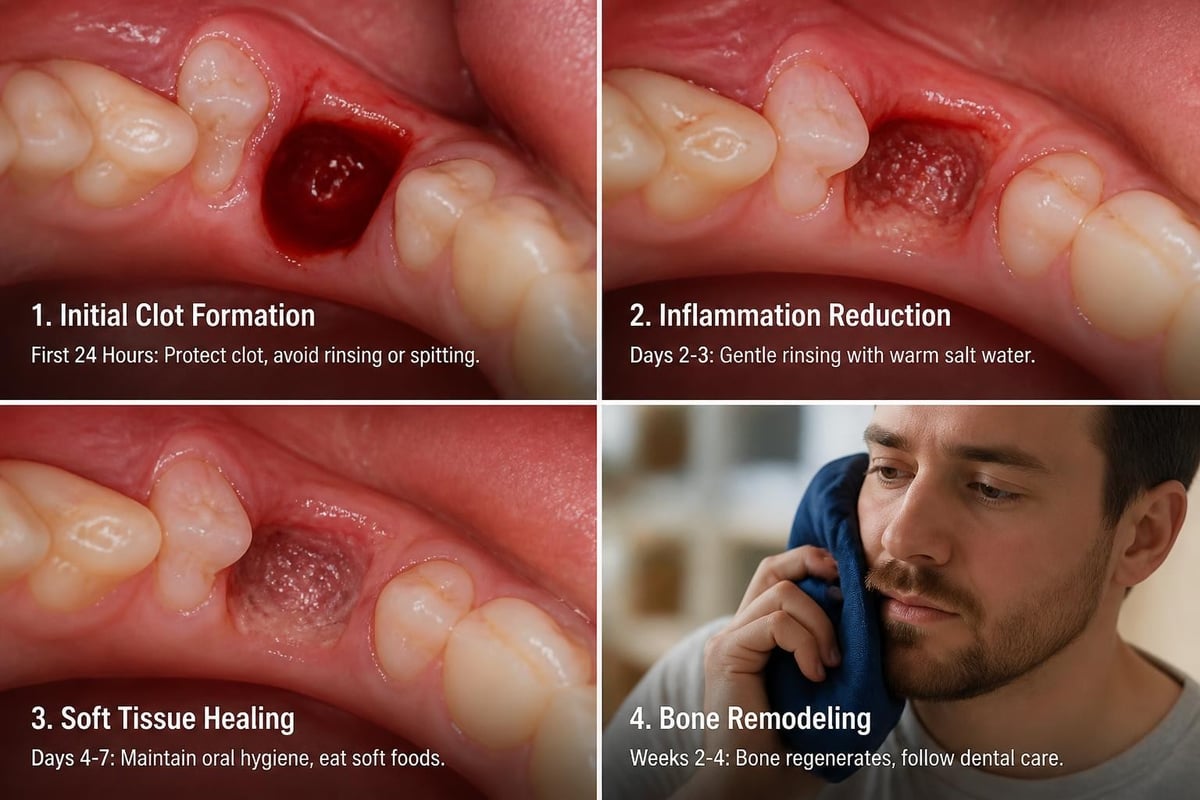
The initial day after extraction demands careful attention to your body's healing response. Blood clot formation in the empty socket represents the foundation of successful healing, and protecting this clot becomes your primary responsibility.
Immediate post-extraction care checklist:
- Bite firmly on gauze for 30-45 minutes to control bleeding
- Apply ice packs to the face (20 minutes on, 20 minutes off) to reduce swelling
- Avoid rinsing, spitting, or using straws for 24 hours
- Take prescribed pain medication before anesthesia wears off
- Maintain elevated head position when lying down
- Consume only soft, cool foods
Minor bleeding and oozing are normal for the first day. However, if bright red blood continues flowing after several hours, contact your dentist immediately. Persistent bleeding may indicate clot disruption or other complications requiring professional attention.
Managing Pain and Discomfort
Most patients experience moderate discomfort following emergency tooth extraction, with pain levels peaking 24-48 hours post-procedure before gradually subsiding. Effective pain management combines medication, cold therapy, and rest.
| Pain Management Strategy | Implementation | Effectiveness Duration |
|---|---|---|
| Prescription pain medication | As directed, usually every 4-6 hours | Varies by medication |
| Over-the-counter ibuprofen | 400-600mg every 6 hours | 6 hours |
| Ice pack application | 20-minute intervals | Immediate, temporary |
| Elevation while sleeping | Extra pillows under head | Throughout night |
| Avoiding physical exertion | Rest for 48-72 hours | Reduces inflammation |
Never exceed recommended medication dosages, and avoid aspirin products that can increase bleeding risk. If pain intensifies after the third day or becomes unbearable despite medication, contact your dental provider as this may signal infection or dry socket development.
Dietary Modifications During Healing
Your diet plays a crucial role in comfortable recovery and preventing complications. The empty socket remains vulnerable to food particles and temperature extremes during the first week, requiring thoughtful food choices.
Recommended foods for the first week:
- Smoothies and protein shakes (no straws)
- Yogurt, pudding, and applesauce
- Mashed potatoes and soft-cooked vegetables
- Scrambled eggs and soft fish
- Soups at lukewarm temperature
- Ice cream and gelatin
Avoid hard, crunchy, spicy, or extremely hot foods that could irritate the extraction site or dislodge the protective blood clot. Gradually reintroduce normal foods as healing progresses and comfort allows.
Preventing Dry Socket and Other Complications
While most emergency tooth extractions heal without incident, certain complications can occur. Understanding these risks and prevention strategies helps ensure smooth recovery.
Dry Socket: The Most Common Complication
Dry socket (alveolar osteitis) affects approximately 3-5% of extraction patients and occurs when the protective blood clot dislodges prematurely, exposing bone and nerves. This condition causes severe pain typically starting 3-4 days post-extraction.
Risk factors for dry socket development:
- Smoking or tobacco use within 48 hours of extraction
- Poor oral hygiene before or after the procedure
- Previous history of dry socket
- Extraction of lower wisdom teeth
- Use of oral contraceptives
- Vigorous rinsing or spitting during initial healing
Prevention focuses on protecting the blood clot. Avoid smoking for at least 72 hours post-extraction, don't use straws, and follow all aftercare instructions meticulously. If you develop increasing pain several days after extraction accompanied by bad breath or bad taste, contact your dentist immediately for treatment.
Infection Prevention and Recognition
Though antibiotics may be prescribed before or after emergency tooth extraction, infections can still develop. Early recognition and treatment prevent serious complications.
Watch for these infection warning signs:
- Fever above 100.4°F developing 24+ hours post-extraction
- Increasing pain, swelling, or redness after the third day
- Pus or foul-smelling discharge from the extraction site
- Swollen lymph nodes in the neck
- Difficulty opening your mouth or swallowing
If you notice any infection symptoms, seek immediate dental care. Our team at Dental Plus Clinic provides prompt emergency follow-up care to address post-extraction complications quickly and effectively.
Managing Prolonged Bleeding
While some oozing is normal for 24 hours, heavy bleeding requires attention. If blood soaks through multiple gauze pads within an hour despite firm pressure, contact your dentist or seek emergency care.
Bleeding control techniques:
- Replace gauze with fresh, moistened pad
- Bite down firmly for 45 minutes without checking
- Use a moistened tea bag (tannic acid promotes clotting)
- Maintain head elevation
- Avoid physical activity
- Stop taking blood-thinning medications if approved by your physician
Patients taking anticoagulants or those with bleeding disorders should inform their dentist before extraction, as special protocols may be necessary to ensure safe healing.
Financial Considerations and Insurance Coverage
Emergency dental care often comes with unexpected costs, but understanding your financial options can alleviate stress during already challenging circumstances.
Average Costs of Emergency Tooth Extraction
Emergency tooth extraction costs vary based on several factors including tooth location, extraction complexity, required sedation, and geographic location. In Texas, patients can expect the following general price ranges:
| Extraction Type | Typical Cost Range | Factors Affecting Price |
|---|---|---|
| Simple emergency extraction | $150-$300 | Front teeth, uncomplicated |
| Moderate complexity | $200-$400 | Premolars, minimal surgical needs |
| Surgical extraction | $300-$600 | Wisdom teeth, broken teeth |
| Complex surgical case | $500-$1,000+ | Impacted teeth, extensive infection |
These costs typically include examination, X-rays, anesthesia, the extraction procedure, and immediate aftercare instructions. Additional charges may apply for sedation, antibiotics, or pain medications.
Insurance Coverage and Payment Options
Most dental insurance plans cover emergency extractions as medically necessary procedures, typically reimbursing 50-80% of costs after deductibles. However, coverage varies significantly between plans, making verification essential before treatment.
Understanding how to reduce dental care costs helps you navigate financial aspects of emergency treatment. Many patients find that addressing dental emergencies promptly actually saves money by preventing more expensive complications later.
Financial assistance options include:
- Dental insurance benefits (verify coverage before treatment)
- Dental discount plans offering reduced fees
- Payment plans through dental offices
- Healthcare credit cards with promotional financing
- Health savings accounts (HSA) or flexible spending accounts (FSA)
Dental Plus Clinic works with patients to identify affordable solutions, offering transparent pricing and flexible payment arrangements. Our administrative team can verify insurance benefits and explain costs before emergency treatment begins, eliminating financial surprises during stressful situations.
Tooth Replacement Options After Emergency Extraction
While emergency tooth extraction solves immediate health threats, the resulting gap requires attention to maintain oral function and prevent long-term complications. Missing teeth allow surrounding teeth to shift, alter bite patterns, and can lead to bone loss in the jaw.
Immediate vs. Delayed Replacement Planning
After emergency extraction, you'll work with your dentist to develop a replacement timeline. Some situations allow for immediate implant placement during the same appointment as extraction, while others require complete healing before replacement begins.
Factors influencing replacement timing:
- Extent of infection at extraction site
- Amount of bone loss or damage
- Overall oral health status
- Patient healing capacity
- Financial considerations
Discussing whether dental implants or bridges work better for your specific situation helps you make informed decisions about long-term tooth replacement.
Dental Implants: The Gold Standard Replacement
Dental implants represent the most natural-looking and functional tooth replacement option. These titanium posts integrate with your jawbone, providing stable foundations for crowns that look, feel, and function like natural teeth.
Benefits of choosing dental implants after emergency extraction:
- Preserve jawbone density and prevent deterioration
- Restore full chewing capability
- Maintain facial structure and appearance
- Don't require alteration of adjacent healthy teeth
- Offer longevity often exceeding 20+ years
The implant process typically requires 3-6 months for osseointegration (bone fusion) before crown placement. During healing, temporary solutions maintain aesthetics and function. Patients concerned about costs can explore dental implant financing options in Texas to make this investment more manageable.
Alternative Replacement Solutions
For patients who cannot undergo implant surgery or prefer different approaches, several alternatives exist:
Fixed dental bridges: These prosthetic teeth anchor to adjacent natural teeth, requiring no surgery but necessitating modification of healthy supporting teeth.
Partial dentures: Removable appliances replace one or more missing teeth, offering affordability and ease of cleaning but potentially less stability than fixed options.
Implant-supported bridges: Combining implant stability with multi-tooth replacement, these solutions work well for replacing several consecutive teeth.
Your dentist will recommend the most appropriate replacement based on your oral health status, budget, and personal preferences. The key is addressing the gap promptly to prevent complications that make future treatment more complex and expensive.
Common Questions About Emergency Tooth Extraction
How do I know if I need emergency tooth extraction?
Seek immediate dental evaluation if you experience severe, unrelenting tooth pain, facial swelling, fever, difficulty swallowing or breathing, or bleeding that won't stop. These symptoms often indicate infections or trauma requiring urgent professional assessment. Understanding dental emergencies helps you recognize when waiting until regular business hours isn't safe. Contact emergency dental services or visit an emergency room if symptoms escalate rapidly or occur outside normal office hours.
Will emergency tooth extraction hurt during the procedure?
Modern anesthesia techniques ensure patients feel minimal to no pain during emergency tooth extraction. You'll experience pressure and movement sensations, but sharp pain should not occur. If you feel discomfort, inform your dentist immediately for additional numbing medication. Most patients report that anxiety about the procedure exceeds actual discomfort experienced. Post-procedure pain is manageable with prescribed or over-the-counter medications and typically peaks within 48 hours before subsiding.
How long does recovery from emergency tooth extraction take?
Initial healing occurs within 7-10 days, with complete soft tissue closure happening within 3-4 weeks. However, bone remodeling continues for several months. Most patients return to normal activities within 2-3 days, though complete recovery timelines vary based on extraction complexity, individual healing capacity, and adherence to aftercare instructions. Dental implant recovery timelines follow similar patterns when immediate replacement is planned.
Can I eat normally after emergency tooth extraction?
Dietary restrictions apply primarily during the first week of healing. Start with soft, cool foods and gradually reintroduce regular foods as comfort allows. Avoid hot, spicy, crunchy, or hard foods that could irritate the extraction site or dislodge the blood clot. Most patients return to normal eating within 7-14 days, though this varies by individual healing progress. Chew on the opposite side of your mouth from the extraction site during initial recovery.
What happens if I don't get an emergency tooth extraction when recommended?
Delaying necessary emergency tooth extraction can lead to serious health consequences. Dental infections can spread to the jaw, sinuses, brain, or bloodstream, potentially becoming life-threatening. Abscesses may create facial swelling that compromises breathing. Untreated infections often require more extensive surgical intervention, hospitalization, and intravenous antibiotics. Additionally, prolonged infection damages surrounding bone, potentially complicating future tooth replacement options. When dentists recommend emergency extraction, they've assessed significant risk warranting immediate intervention.

How much does emergency tooth extraction cost without insurance?
Without insurance, simple emergency tooth extractions typically cost $150-$300, while surgical extractions range from $300-$1,000 depending on complexity. Additional costs may include examination fees ($50-$100), X-rays ($25-$200), and medications ($20-$100). Many dental practices offer payment plans or accept healthcare credit cards to make emergency treatment accessible. For those concerned about affordability, exploring dental implants without insurance provides insights into managing out-of-pocket expenses for comprehensive dental care.
Can emergency tooth extraction be prevented?
While accidents causing traumatic dental injuries can't always be prevented, many emergency extractions stem from neglected dental problems that escalated. Regular dental check-ups every six months allow early detection and treatment of cavities, gum disease, and other issues before they become emergencies. Good oral hygiene, including brushing twice daily and daily flossing, prevents most dental infections. Wearing mouthguards during sports protects teeth from trauma. Addressing toothaches promptly rather than delaying treatment significantly reduces emergency extraction likelihood.
When to Seek Emergency Dental Care in Texas
Knowing where to turn during dental emergencies ensures you receive timely, appropriate care that prevents complications and preserves your oral health.
Identifying True Dental Emergencies
Not all dental problems require after-hours emergency care. Understanding which situations demand immediate attention versus those that can wait until the next business day helps you make appropriate decisions.
Situations requiring immediate emergency care:
- Uncontrolled bleeding lasting more than 15 minutes
- Facial swelling affecting breathing or eye opening
- Severe trauma with knocked-out or fractured teeth
- Signs of spreading infection (fever, difficulty swallowing, neck swelling)
- Unbearable pain not responding to medication
Situations that can wait for next-day appointments:
- Mild to moderate toothache manageable with over-the-counter pain relief
- Minor chips not causing pain
- Lost fillings or crowns without severe pain
- Food stuck between teeth
- Orthodontic wire irritation
When in doubt, call your dental office. Most practices provide emergency contact information or after-hours answering services that can assess your situation and provide appropriate guidance.
Finding Emergency Dental Services
Texas residents benefit from numerous emergency dental options. Dental Plus Clinic locations across Beeville, Seguin, New Braunfels, Leander, and Converse provide emergency dental services to address urgent oral health needs promptly. Many locations offer same-day emergency appointments and extended hours to accommodate unexpected dental crises.
For after-hours emergencies when dental offices are closed:
- Contact your dentist's emergency line (most provide 24/7 on-call services)
- Visit hospital emergency rooms for life-threatening situations
- Use emergency dental clinics offering evening and weekend hours
- Call 911 if experiencing breathing difficulties or severe facial swelling
Establishing a relationship with a trusted dental provider before emergencies occur ensures you know exactly where to turn when crisis strikes. Regular patients often receive priority emergency scheduling and have their dental records immediately accessible for faster, more informed treatment decisions.
Preventing Future Dental Emergencies
While some dental emergencies result from unavoidable accidents, many stem from preventable conditions. Implementing proactive oral health strategies significantly reduces your risk of needing emergency tooth extraction.
Prioritizing Preventive Dental Care
Regular dental examinations and professional cleanings form the foundation of emergency prevention. During these visits, dentists identify early signs of decay, infection, and structural problems before they escalate into emergencies.
Essential preventive care components:
- Biannual dental check-ups: Allow early problem detection and intervention
- Professional cleanings: Remove tartar buildup that causes gum disease
- Digital X-rays: Reveal hidden decay and structural issues
- Oral cancer screenings: Identify potentially serious conditions early
- Personalized care plans: Address your specific risk factors
According to Guardian Life’s dental care resources, patients who maintain regular dental visits experience significantly fewer emergency situations requiring extraction. The investment in preventive care almost always costs less than emergency treatment and saves teeth that might otherwise be lost.
Home Oral Hygiene Best Practices
Daily oral care habits directly impact your emergency risk profile. Consistent, thorough cleaning prevents the bacterial buildup that causes infections, cavities, and gum disease.
Optimal home care routine includes:
- Brushing twice daily for two minutes using fluoride toothpaste
- Flossing once daily to remove plaque between teeth
- Using antimicrobial mouthwash to reduce bacteria
- Replacing toothbrushes every 3-4 months
- Limiting sugary foods and acidic beverages
- Drinking fluoridated water throughout the day
Parents should help children develop these habits early, as avoiding tooth decay in children prevents both childhood emergencies and establishes lifelong oral health patterns.
Protective Measures for High-Risk Activities
Sports and recreational activities account for significant dental trauma. Simple protective measures dramatically reduce injury risk during these activities.
Athletes should:
- Wear properly fitted mouthguards during contact sports
- Use face shields for high-impact activities
- Replace worn or damaged protective equipment promptly
- Seek immediate evaluation after any mouth injury
Custom-fitted mouthguards provided by dentists offer superior protection compared to over-the-counter options, conforming precisely to your teeth for maximum comfort and safety. This investment protects not only your natural teeth but also any existing dental work from damage.
The Role of Technology in Modern Emergency Extractions
Advances in dental technology have transformed emergency tooth extraction from a dreaded procedure into a more comfortable, predictable experience with improved outcomes.
Digital Imaging and Treatment Planning
Modern dental practices use cone beam computed tomography (CBCT) and digital X-rays to visualize tooth structure, root anatomy, and surrounding bone in unprecedented detail. This imaging guides precise treatment planning and helps dentists anticipate potential complications before beginning the procedure.
Benefits of advanced imaging include:
- Reduced radiation exposure compared to traditional X-rays
- Immediate image availability for faster treatment decisions
- Three-dimensional views revealing complex root structures
- Better communication about treatment needs with patients
- Improved accuracy in identifying infections and structural damage
Practices offering the latest dental implant technology typically maintain cutting-edge diagnostic equipment that benefits all aspects of dental care, including emergency services.
Minimally Invasive Extraction Techniques
Modern instruments and techniques allow dentists to perform extractions with less trauma to surrounding tissues, promoting faster healing and reduced post-operative discomfort. Piezoelectric surgery uses ultrasonic vibrations to cut bone precisely without damaging soft tissues, particularly valuable during surgical extractions.
Laser technology assists in:
- Controlling bleeding during and after extraction
- Sterilizing the extraction site
- Promoting faster tissue healing
- Reducing post-operative pain and swelling
These technological advances mean that today's emergency tooth extraction procedures typically involve less discomfort, shorter procedure times, and more predictable outcomes than those performed even a decade ago.
Sedation Dentistry for Anxious Patients
Dental anxiety shouldn't prevent you from receiving necessary emergency care. Modern sedation options range from mild relaxation to complete unconsciousness, allowing even the most fearful patients to receive comfortable treatment.
| Sedation Level | Administration Method | Patient Experience | Recovery Time |
|---|---|---|---|
| Minimal (nitrous oxide) | Inhaled gas | Relaxed but fully conscious | Immediate |
| Moderate (oral sedation) | Pills taken before appointment | Drowsy, limited memory | 2-4 hours |
| Deep (IV sedation) | Intravenous | Minimal awareness | 4-6 hours |
| General anesthesia | IV or inhaled | Completely unconscious | 6-8 hours |
Discussing sedation options with your dentist before emergency treatment helps ensure your comfort level matches the procedure's demands. Most emergency tooth extractions require only local anesthesia, but sedation remains available when needed for patient comfort and cooperation.
Special Considerations for Different Age Groups
Emergency tooth extraction considerations vary across different life stages, with unique factors affecting children, adults, and seniors.
Emergency Extractions for Children
Pediatric dental emergencies require special handling due to children's developing anatomy, smaller mouths, and different pain tolerance levels. When primary (baby) teeth require emergency extraction, dentists consider the child's age, the permanent tooth's development stage, and potential orthodontic implications.
Unique pediatric considerations include:
- Using child-friendly language to reduce anxiety
- Involving parents in the comfort process
- Considering space maintainers to preserve room for permanent teeth
- Adjusting anesthesia dosages based on weight and age
- Providing extra patience and reassurance throughout
Finding a pediatric dentist near me ensures your child receives age-appropriate emergency care from professionals trained in child development and psychology.
Adult Patient Considerations
Adults face unique challenges during emergency tooth extraction, including work obligations, family responsibilities, and concerns about appearance during recovery. Most adults can return to work within 24-48 hours for desk jobs, though physically demanding occupations may require longer recovery periods.
Adults should consider:
- Arranging childcare or pet care during the procedure
- Planning time off work for recovery
- Coordinating transportation if sedation is used
- Preparing soft foods and medications in advance
- Understanding how to manage tooth pain while awaiting treatment
Senior Patient Special Needs
Older adults often manage multiple health conditions and medications that complicate emergency dental care. Conditions like diabetes, heart disease, and osteoporosis require careful consideration during treatment planning.
Senior-specific considerations include:
- Reviewing all medications for potential interactions or bleeding risks
- Coordinating with physicians regarding blood thinners
- Accounting for slower healing due to age-related changes
- Addressing concerns about dentures or existing dental work
- Ensuring adequate bone density for potential implant placement
Comprehensive medical history review becomes especially critical for senior patients, as systemic health conditions directly impact emergency treatment safety and success rates.
Emergency tooth extraction, while daunting, represents a vital intervention that protects your overall health and prevents serious complications when dental problems escalate. Understanding the procedure, recovery expectations, and prevention strategies empowers you to make informed decisions during stressful situations. Whether you're experiencing dental pain, infection, or trauma, Dental Plus Clinic offers comprehensive emergency dental services across five convenient Texas locations. Our experienced team provides compassionate, professional care using modern technology to ensure comfortable, successful treatment outcomes. Don't let dental emergencies compromise your health-contact us immediately for prompt, expert emergency dental care that puts your comfort and well-being first.