

Finding the right dental coverage protects your oral health and your wallet. With numerous carriers, plan types, and enrollment options available throughout the Lone Star State, understanding how to buy dental insurance in Texas requires careful research and strategic decision-making. Whether you’re an individual seeking standalone coverage, a family looking for comprehensive protection, or someone navigating state programs, this guide walks you through each step of the purchasing process in 2026.
Understanding Texas Dental Insurance Options
Texas residents have access to multiple dental insurance categories, each designed for different needs and budgets. The marketplace includes employer-sponsored plans, individual policies purchased directly from carriers, government programs like Medicaid and CHIP, and supplemental coverage that works alongside existing health insurance.
Types of Dental Plans Available
The three primary plan structures dominate the Texas market: Dental Health Maintenance Organizations (DHMOs), Preferred Provider Organizations (PPOs), and indemnity plans. DHMOs typically offer lower premiums but require selecting a primary dentist from a network and obtaining referrals for specialist care. PPOs provide greater flexibility with both in-network and out-of-network coverage, though you’ll pay less when visiting preferred providers. Indemnity plans grant complete freedom to choose any dentist but often come with higher out-of-pocket costs and reimbursement processes.
Understanding these structural differences helps narrow your search based on your priorities. If you value affordability and don’t mind network restrictions, a DHMO might serve you well. If flexibility and broader provider access matter more, consider exploring BlueCare Dental plans from Blue Cross and Blue Shield of Texas, which offer extensive PPO networks throughout the state.
Coverage Levels Explained
Most dental insurance policies categorize services into three tiers that determine reimbursement percentages:
- Preventive care (cleanings, exams, X-rays): Typically covered at 100%
- Basic procedures (fillings, extractions, root canals): Usually covered at 70-80%
- Major services (crowns, bridges, dentures, implants): Generally covered at 50%
This tiered structure means you’ll pay different amounts depending on the treatment complexity. When learning how to buy dental insurance in Texas, comparing these percentage splits across policies reveals which plans offer the most generous coverage for services you’re likely to need.

Determining Your Dental Coverage Needs
Before shopping for plans, assess your anticipated dental needs over the next year. This evaluation prevents overpaying for unnecessary coverage or purchasing inadequate protection that leaves you exposed to significant expenses.
Evaluating Your Oral Health Status
Schedule a comprehensive exam if you haven’t visited a dentist recently. Understanding your current oral health status helps predict upcoming treatment needs. Do you have existing cavities that require fillings? Are you considering cosmetic improvements or dental implants? Does your family history suggest orthodontic needs for your children?
Creating an inventory of likely treatments within the policy year allows you to calculate potential costs and compare them against premium expenses. For example, if you know you need a crown that costs $1,200 out-of-pocket and the insurance would cover $600, you can weigh that benefit against annual premium costs.
Family Considerations
Families with children should prioritize plans with robust pediatric coverage, including sealants and fluoride treatments that many adult-focused policies exclude. If multiple family members need care, family plans typically offer better value than individual policies for each person.
| Coverage Type | Individual Monthly Premium | Family Monthly Premium | Annual Maximum Per Person |
|---|---|---|---|
| Basic DHMO | $15-$30 | $50-$80 | $1,000-$1,500 |
| Standard PPO | $30-$50 | $100-$150 | $1,500-$2,000 |
| Premium PPO | $50-$75 | $150-$250 | $2,000-$3,000 |
These ranges reflect 2026 market averages and help establish budget expectations when determining how to buy dental insurance in Texas for your household size.
Step-by-Step Process for Purchasing Dental Insurance
The purchasing process varies depending on your chosen acquisition channel, but following a systematic approach ensures you don’t overlook critical details.
Step 1: Research Available Carriers
Start by identifying insurance companies operating in your Texas region. Major carriers include Blue Cross Blue Shield of Texas, Humana, Delta Dental, Aetna, Cigna, and Guardian. Regional providers may also serve specific counties or cities. Humana offers various dental insurance plans throughout Texas with different coverage levels and network sizes.
Create a shortlist of five to seven carriers based on their reputation, network size in your area, and customer service ratings. Check the Better Business Bureau and state insurance department complaint records to identify companies with strong track records.
Step 2: Compare Plan Features
Once you’ve identified potential carriers, request detailed plan information for policies matching your coverage needs. Focus on these critical elements:
- Monthly premium costs for your household size
- Annual deductibles before coverage begins
- Annual maximum benefits the plan pays per person
- Waiting periods for basic and major services
- Network providers near your home and work
Many people overlook waiting periods when learning how to buy dental insurance in Texas, but these restrictions significantly impact value. Some plans impose 6-12 month waiting periods for major procedures, meaning you can’t use that coverage immediately after purchase.
Step 3: Verify Provider Networks
Check whether your preferred dentist participates in each plan’s network. If you’ve established a relationship with a trusted dental practice, maintaining that continuity may outweigh other plan features. For those seeking quality care with flexible insurance acceptance, Dental Plus Clinic locations throughout Texas work with multiple insurance carriers to accommodate patient preferences.
Contact the dental office directly to confirm current network participation, as online directories occasionally contain outdated information. Ask about their experience with claims processing and reimbursement timelines for specific carriers.

Where to Purchase Dental Insurance in Texas
Multiple acquisition channels exist, each with distinct advantages and limitations. Understanding these pathways helps you choose the most appropriate purchasing method for your circumstances.
Through Employers
Employer-sponsored dental insurance typically offers the best value because companies negotiate group rates and often subsidize premium costs. If your employer provides dental benefits, compare the offered plan against individual market options to verify you’re receiving competitive coverage.
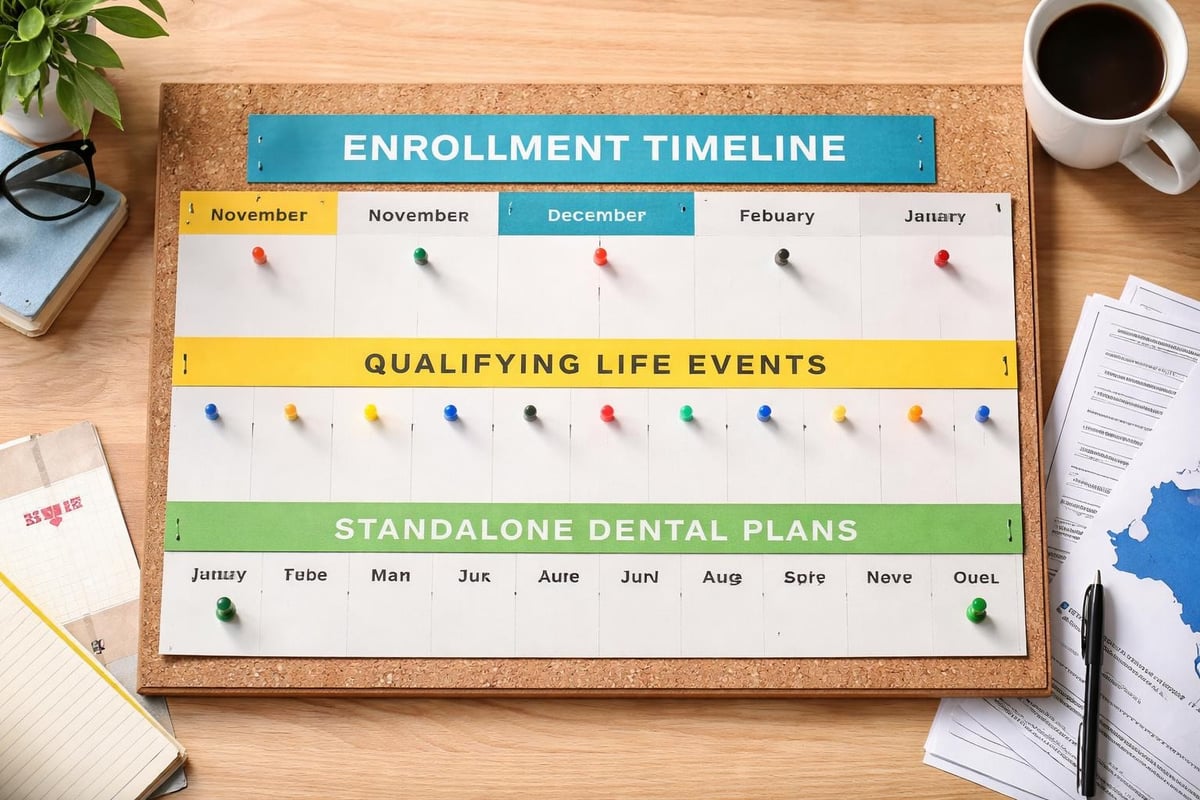
Some employers offer multiple plan tiers, allowing you to select coverage levels that match your needs. Review these options during open enrollment periods, typically held in November or December for January 1 effective dates.
Individual Marketplace Plans
Texas doesn’t operate a state health insurance exchange, so residents use the federal marketplace at HealthCare.gov. While the Affordable Care Act doesn’t require marketplace plans to include dental coverage for adults, standalone dental plans are available through the federal marketplace as separate purchases.
When shopping through the marketplace, you’ll select dental plans independently from medical coverage. Compare marketplace options against direct carrier purchases to identify the best pricing and benefits.
Direct from Insurance Carriers
Purchasing directly from insurance companies eliminates intermediaries and often provides access to the full range of plan options. Visit carrier websites or contact licensed agents who represent multiple companies to compare quotes efficiently.
Direct purchase allows year-round enrollment for most plans, unlike employer coverage with fixed enrollment windows. This flexibility benefits people experiencing qualifying life events like job changes, marriage, or relocation.
Through Professional Associations
Professional organizations, alumni groups, and membership associations sometimes negotiate group dental rates for members. These plans may offer competitive pricing and benefits similar to employer coverage.
Research whether any organizations you belong to provide dental insurance access. The membership dues plus insurance premiums should still cost less than individual market rates to represent genuine value.
Government Dental Programs in Texas
State and federal programs provide dental coverage for eligible populations, particularly children, pregnant women, and individuals with disabilities. Understanding these options is essential when exploring how to buy dental insurance in Texas on a limited budget.
Medicaid Dental Coverage
Texas Medicaid provides comprehensive dental benefits for children under 21 through the Early and Periodic Screening, Diagnostic and Treatment (EPSDT) program. Services include exams, cleanings, fluoride treatments, sealants, fillings, extractions, and emergency care.
Adult Medicaid recipients receive limited emergency dental services only. Emergency coverage includes pain relief, infection treatment, and tooth extractions, but excludes routine preventive care and restorative procedures.
Children’s Health Insurance Program (CHIP)
CHIP extends dental coverage to children in families earning too much for Medicaid but unable to afford private insurance. Benefits mirror Medicaid’s comprehensive pediatric coverage with minimal cost-sharing for families. The Texas Department of State Health Services provides resources for finding dental care under these programs.
Medicare and Dental Coverage
Original Medicare (Parts A and B) doesn’t cover routine dental care, though it pays for certain hospital-based dental procedures related to covered medical conditions. Medicare Advantage plans (Part C) often include dental benefits as supplemental coverage.
Seniors exploring how to buy dental insurance in Texas should compare Medicare Advantage plans with integrated dental coverage against standalone dental policies to determine the most cost-effective approach.
Understanding Costs and Coverage Limits
Dental insurance operates differently than medical coverage, with specific limitations that affect value and out-of-pocket expenses. Recognizing these constraints prevents surprise bills and disappointment.
Annual Maximum Limits
Most dental plans cap total benefit payments at $1,000-$3,000 per person annually. Once you reach this threshold, you pay 100% of additional costs until the next policy year. This limitation makes dental insurance function more like a discount program than comprehensive protection.
Calculate whether annual premiums plus expected out-of-pocket costs exceed paying entirely out-of-pocket for needed treatments. For expensive procedures like dental implants, insurance may cover only a fraction of total costs due to annual maximums.
Deductibles and Coinsurance
Beyond monthly premiums, you’ll pay deductibles before coverage begins, typically $50-$100 per person annually. After meeting the deductible, coinsurance splits costs between you and the insurer according to the coverage tier percentages.
Understanding how these cost-sharing mechanisms work prevents budget surprises. A plan advertising “50% coverage” for major services means you still pay half the cost after meeting your deductible.
Missing Tooth Clauses
Some policies exclude coverage for replacing teeth missing before the policy effective date. This “missing tooth clause” prevents people from purchasing insurance specifically to replace existing gaps without paying premiums during healthy years.
Read policy documents carefully to identify these exclusions, particularly if you’re seeking coverage for bridges, implants, or dentures to replace previously lost teeth.
Special Considerations for Texas Residents
Geographic and regulatory factors unique to Texas influence dental insurance availability and costs. Understanding these elements helps set realistic expectations and identify region-specific opportunities.
Rural Coverage Challenges
Rural Texas counties face dental provider shortages, limiting network options for managed care plans. If you live outside metropolitan areas, verify that multiple network dentists practice within reasonable driving distance before purchasing restrictive DHMO plans.
PPO plans with out-of-network benefits provide greater flexibility in rural areas, though you’ll pay higher out-of-pocket costs when visiting non-network providers. Some residents find that paying cash rates at local practices costs less than driving to distant network providers when factoring in time and travel expenses.
Regulation and Consumer Protections
The Texas Department of Insurance regulates dental insurance carriers, establishing minimum standards and handling consumer complaints. File complaints through the department’s website if carriers deny legitimate claims, misrepresent coverage, or engage in unfair practices.
Understanding your rights under Texas insurance law strengthens your position when disputing coverage decisions. Detailed guidance on obtaining dental insurance in Texas includes information about waiting periods, required documentation, and application processes.
Tax Implications
Self-employed individuals may deduct dental insurance premiums as business expenses, reducing taxable income. W-2 employees purchasing individual coverage cannot deduct premiums unless total medical expenses exceed 7.5% of adjusted gross income.
Consult tax professionals to maximize available deductions and credits related to dental insurance purchases and out-of-pocket treatment costs.
Maximizing Your Dental Insurance Benefits
After purchasing coverage, strategic utilization ensures you extract maximum value from your premiums. Smart planning and timing optimize benefits while minimizing waste.
Timing Treatment Strategically
Schedule expensive procedures near policy year beginnings to maximize annual maximums. If you need multiple major treatments totaling more than your annual cap, split them across two policy years to utilize benefits both years.
Coordinate with your dentist to sequence treatments appropriately. Most practices understand insurance structures and help patients optimize coverage timing, particularly for discretionary procedures that aren’t urgent.
Utilizing Preventive Benefits
Since most plans cover preventive care at 100% with no deductible, use these services fully. Regular cleanings and exams prevent expensive problems, and utilizing included benefits ensures you receive value even if you don’t need major work.
Schedule appointments every six months to maximize preventive benefits. Some policies cover additional fluoride treatments and sealants for children, providing extra value for families.
Understanding Pre-Authorization Requirements
Many plans require pre-authorization for major procedures, allowing you to verify coverage and estimate out-of-pocket costs before treatment begins. Submit treatment plans to your insurance carrier for review, receiving written confirmation of covered amounts.
This process prevents disputes after treatment completion and allows you to plan financially for your portion of costs. Skipping pre-authorization may result in coverage denials for procedures the carrier deems unnecessary.
Alternatives to Traditional Dental Insurance
Not everyone benefits from conventional insurance policies. Alternative models provide cost savings and access to care without traditional premium structures.
Dental Discount Plans
These membership programs offer reduced fees at participating dentists, typically 10-60% off standard prices. Unlike insurance, discount plans involve no deductibles, annual maximums, or waiting periods. You pay an annual membership fee, usually $80-$200, then receive discounted rates for all services.
Discount plans work well for people needing expensive treatments soon who can’t wait through insurance waiting periods. They also benefit those whose anticipated annual costs fall below annual maximums, making insurance premiums wasteful.
Payment Plans and Financing
Many dental practices offer interest-free payment plans or partner with healthcare financing companies like CareCredit. These arrangements let you spread treatment costs over months or years without insurance involvement.
Compare financing interest rates against insurance cost-sharing to determine the most economical approach. For major procedures, sometimes financing the full cost costs less than paying premiums plus coinsurance over multiple years.
Health Savings Accounts (HSAs)
If you have a high-deductible health plan, contribute to an HSA to pay dental expenses with pre-tax dollars. HSA funds roll over annually and can cover insurance premiums, deductibles, and out-of-pocket costs not covered by your policy.
This tax-advantaged approach reduces effective treatment costs by your marginal tax rate. A $1,000 dental bill paid from an HSA saves $220-$370 in taxes for someone in the 22-37% tax bracket.
Common Mistakes to Avoid
Understanding frequent errors helps you sidestep pitfalls that diminish insurance value and create financial problems.
Focusing Solely on Premium Costs
The cheapest monthly premium often indicates the least comprehensive coverage. Low-premium plans typically feature high deductibles, low annual maximums, restrictive networks, and lengthy waiting periods.
Calculate total annual costs including premiums, deductibles, and expected out-of-pocket expenses for needed treatments. A $20 monthly premium combined with 50% coinsurance may cost more than a $40 premium with 80% coverage if you need significant dental work.
Ignoring Network Limitations
Purchasing a restrictive network plan without verifying your dentist participates creates difficult choices: switch providers or pay out-of-network rates that negate insurance value.
Always confirm network participation before finalizing purchases. If you’re seeking a new dental home, finding a practice like Dental Plus Clinic that accepts multiple insurance plans provides flexibility as your insurance situation changes over time.
Overlooking Waiting Periods
Many people purchase insurance when they discover needed treatment, not realizing waiting periods prevent immediate coverage. Major services often carry 6-12 month waiting periods, leaving you to pay fully out-of-pocket or delay necessary care.
Read waiting period terms carefully. Some carriers waive these restrictions for employer-sponsored plans but enforce them for individual policies. If you need immediate treatment, discount plans or payment arrangements may serve better than insurance with lengthy waiting periods.
Not Reading Policy Exclusions
Policies exclude various services and conditions that surprise uninformed buyers. Common exclusions include cosmetic procedures, orthodontics, implants, treatment for pre-existing conditions, and replacement of missing teeth.
Review the entire policy document, particularly exclusions sections, before purchasing. Ask specific questions about coverage for treatments you anticipate needing. Assumptions about covered services lead to frustrating claim denials.
Resources for Texas Dental Insurance Shoppers
Multiple organizations and websites provide valuable information, comparison tools, and assistance when navigating how to buy dental insurance in Texas.
Official Government Resources
The Texas Department of Insurance website offers consumer guides, complaint filing systems, and company financial strength ratings. Use these resources to research carrier reliability and report problems.
HealthCare.gov provides marketplace plan comparisons, subsidy eligibility calculators, and enrollment assistance. While dental coverage is separate from medical plans, the marketplace simplifies comparing options.
Independent Comparison Websites
Third-party sites like Dentaly.org’s Texas dental insurance comparison aggregate plan information from multiple carriers, allowing side-by-side feature comparisons. These resources save time by presenting options in standardized formats.
Remember that some comparison sites earn referral commissions, potentially biasing recommendations. Use multiple sources to verify information and ensure comprehensive option evaluation.
Insurance Agents and Brokers
Licensed insurance professionals help navigate complex plan features, answer coverage questions, and streamline enrollment processes. Agents representing single carriers provide deep product knowledge, while independent brokers compare options from multiple companies.
Most agents earn commissions from carriers, making their services free to consumers. However, verify they’re licensed through the Texas Department of Insurance to ensure professional standards and accountability.
Planning for Changing Dental Needs
Your dental insurance needs evolve throughout life stages. Building flexibility into coverage choices accommodates changing circumstances without gaps in protection.
Life Stage Considerations
Young adults often prioritize affordable preventive care with catastrophic protection for unexpected major procedures. Families with children emphasize comprehensive coverage including orthodontics and pediatric services. Seniors focus on extensive major service coverage for crowns, bridges, and dentures as natural teeth require increasing maintenance.
Review coverage annually to ensure your plan still matches current needs. Don’t maintain expensive orthodontic coverage after children complete treatment, but do consider increasing major service coverage as you age and tooth problems become more common.
Switching Plans
You can change dental insurance during employer open enrollment periods or anytime for individual policies, though some carriers impose waiting periods with new coverage. Plan transitions carefully to avoid coverage gaps or duplicate payments.
If switching mid-year, verify whether you’ve met annual deductibles and maximums under your current plan. You might delay the switch to utilize benefits already earned or make it immediately if you haven’t yet needed care.
Coordinating Coverage
Some people maintain dual coverage through two working spouses’ employer plans. Coordination of benefits rules determine which plan pays first, potentially reducing out-of-pocket costs.
However, dental plans’ annual maximums usually make dual coverage unnecessary. Since both plans won’t pay more than 100% of costs, maintaining two policies often wastes premium dollars unless one has significantly better coverage for needed services.
Making the Final Decision
After researching options, comparing plans, and evaluating costs, synthesize all information to select the best coverage for your situation.
Creating a Decision Matrix
List your top five plan options across the top of a spreadsheet. Down the left side, list critical factors: monthly premium, annual maximum, deductible, preventive coverage percentage, basic coverage percentage, major coverage percentage, waiting periods, network size, and specific service coverage (orthodontics, implants, etc.).
Rate each plan on a scale of 1-10 for each factor, then weight factors by importance to your situation. Multiply ratings by weights and total scores to identify the objectively best choice based on your priorities.
Trial Periods and Flexibility
Most dental insurance policies allow cancellation with 30 days notice, providing flexibility if a plan disappoints. Consider trying a policy for six months to evaluate real-world claims processing, customer service, and network provider quality.
Document any problems, delays, or unsatisfactory experiences. If issues arise, switching carriers during the next enrollment period prevents another year of frustration.
Balancing Cost and Coverage
The ideal plan balances affordable premiums with adequate coverage for likely needs. Neither the cheapest nor most expensive option necessarily provides best value. Context matters: comprehensive coverage benefits people anticipating major work, while minimal plans suit those wanting preventive care and catastrophic protection only.
When learning how to buy dental insurance in Texas, remember that the “best” plan varies by individual circumstances. What works perfectly for a family with young children differs dramatically from ideal coverage for a healthy single adult or retiree managing chronic dental conditions.
Final Thoughts
Navigating Texas dental insurance options requires understanding plan types, comparing coverage details, and aligning benefits with your anticipated needs. By following a systematic evaluation process and avoiding common pitfalls, you’ll secure appropriate protection that balances cost and coverage effectively. Whether you need routine preventive care, comprehensive family dentistry services, or advanced treatments, the right insurance plan makes quality oral healthcare accessible and affordable. Visit Dental Plus Clinic to discover how our patient-focused approach and flexible insurance acceptance at locations across Texas help you maximize your dental benefits while maintaining optimal oral health.