
Choosing the right dental implant specialist can dramatically impact your oral health, confidence, and quality of life for decades to come. Texas offers countless dental professionals, but not all possess the specialized training, technology, and experience needed for successful implant procedures. With dental implants representing a significant investment in both time and money, understanding how to choose best implant dentist in texas ensures you receive exceptional care and long-lasting results. This comprehensive guide walks you through every essential factor, from verifying credentials to evaluating technology and patient experiences, helping you make an informed decision for your smile restoration journey.
Understanding the Importance of Specialized Implant Training
Dental implant placement requires far more than general dentistry skills. The procedure involves surgical precision, knowledge of bone structure, and understanding of osseointegration (the process where titanium integrates with jawbone).
When evaluating potential providers, prioritize dentists who have completed advanced training in implantology. This specialized education typically includes:
- Postgraduate residencies in periodontics, oral surgery, or prosthodontics
- Continuing education courses from recognized implant manufacturers
- Hands-on training programs with live patient procedures
- Certification programs from organizations like the American Academy of Implant Dentistry
According to the American Dental Association, only about 10% of general dentists have extensive implant training. Many dentists place occasional implants, but those who focus specifically on implant dentistry develop refined skills through repetition and ongoing education.
Verify Credentials Through Official Channels
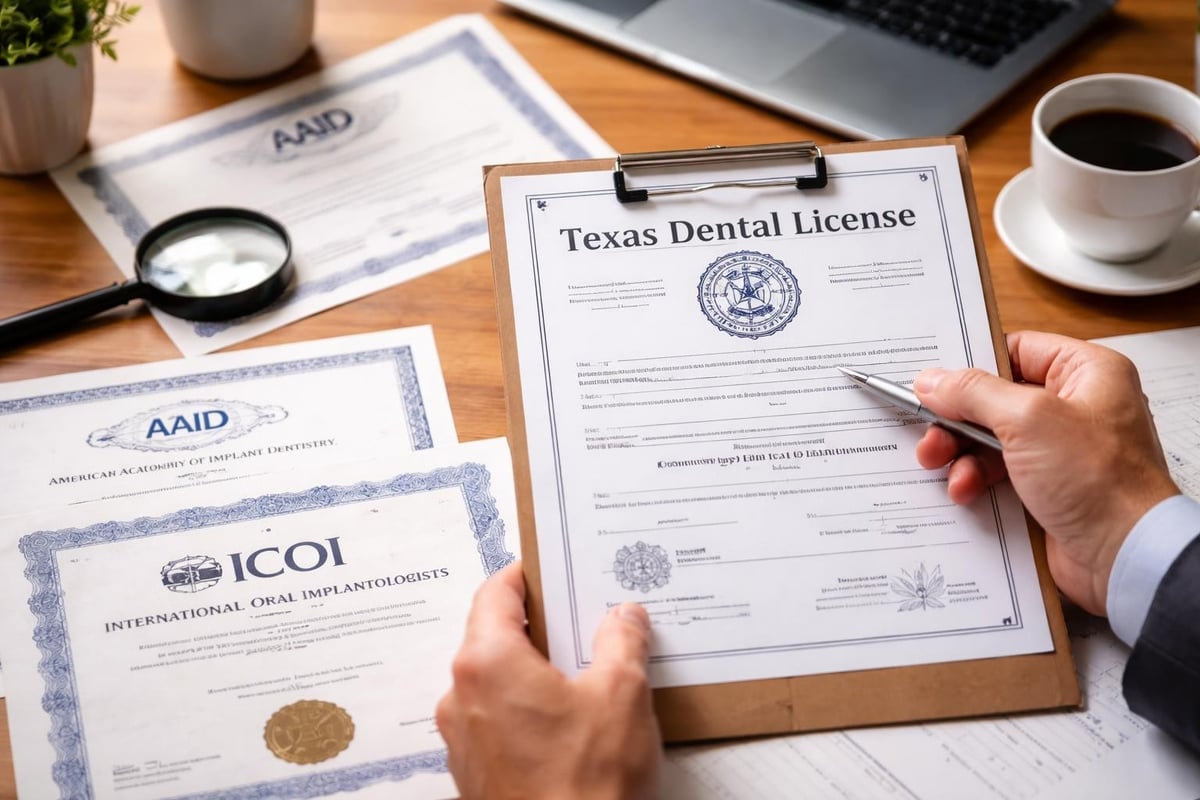
Before scheduling a consultation, verify your prospective dentist’s credentials through The Texas State Board of Dental Examiners. This resource allows you to confirm licensing, view any disciplinary actions, and ensure the dentist maintains active, unrestricted practice rights in Texas.
Beyond basic licensing, look for membership in professional organizations such as:
- American Academy of Implant Dentistry (AAID)
- International Congress of Oral Implantologists (ICOI)
- American Academy of Periodontology (AAP)
- American College of Prosthodontists
These memberships often require ongoing education and adherence to ethical standards, indicating commitment to excellence in implant dentistry.
Evaluating Technology and Treatment Methods
Modern dental implant success rates exceed 95% when performed with proper technology and technique. However, outdated equipment or methods can significantly reduce these success rates and extend recovery times.
When learning how to choose best implant dentist in texas, examine the technological capabilities available at each practice. Advanced technology not only improves outcomes but also enhances comfort and reduces treatment time.
Essential Technology for Quality Implant Dentistry
| Technology | Purpose | Patient Benefit |
|---|---|---|
| 3D Cone Beam CT Scanner | Detailed jaw imaging | Precise implant placement, avoiding nerves and sinuses |
| Digital Implant Planning Software | Virtual surgery planning | Predictable outcomes, reduced surgical time |
| Guided Surgery Systems | Template-based placement | Minimally invasive procedures, faster healing |
| Intraoral Scanners | Digital impressions | Comfortable impression process, accurate restorations |
| Laser Dentistry | Soft tissue management | Less bleeding, faster recovery |
Practices investing in this equipment demonstrate commitment to patient outcomes. During your consultation, ask which technologies will be used in your specific case and how they improve your treatment experience.
Different Implant Systems and Their Implications
Not all dental implant systems perform equally. Premium manufacturers like Nobel Biocare, Straumann, and Zimmer Biomet invest heavily in research and offer lifetime warranties on their products. These systems have decades of clinical data supporting their longevity and success rates.
Budget implant systems may reduce initial costs but can create problems if components fail or if you need future adjustments. Ask your dentist which implant system they recommend and why. Experienced implant dentists typically work with proven, research-backed systems.
Assessing Experience Through Case Volume and Complexity
Experience matters tremendously in implant dentistry. A dentist who places 10 implants annually has vastly different expertise than one who completes 200 procedures each year.
During your consultation, don’t hesitate to ask:
- How many dental implants do you place annually?
- How many years have you been performing implant procedures?
- What is your success rate with implants?
- Do you handle complex cases requiring bone grafting or sinus lifts?
High-volume implant dentists develop nuanced skills in managing complications, adapting to anatomical variations, and achieving optimal aesthetic results. They’ve encountered diverse scenarios and refined their techniques accordingly.
Comprehensive vs. Referral-Based Treatment
Some general dentists place the implant surgically but refer patients to specialists for the restoration crown. Others manage the entire process in-house. Both approaches have merits, but comprehensive treatment under one provider often offers:
- Better coordination between surgical and restorative phases
- Consistent communication throughout treatment
- Streamlined scheduling without multiple office visits
- Unified treatment vision from start to finish
If you’re comparing options and wondering whether dental implants or dentures are right for you, a dentist managing comprehensive care can better guide this decision based on your complete oral health picture.
Reviewing Patient Testimonials and Before-After Cases
Patient experiences provide invaluable insights into what you can expect from an implant dentist. When researching how to choose best implant dentist in texas, examine multiple review platforms including Google, Healthgrades, and Yelp for patterns in feedback.
Look for reviews mentioning:
- Pain management and comfort during procedures
- Clear communication about costs and treatment plans
- Staff professionalism and responsiveness
- Post-operative support and follow-up care
- Long-term implant success and satisfaction
Single negative reviews happen at every practice, but consistent patterns of complaints about communication, unexpected costs, or poor outcomes should raise red flags.
Analyzing Before-and-After Portfolios
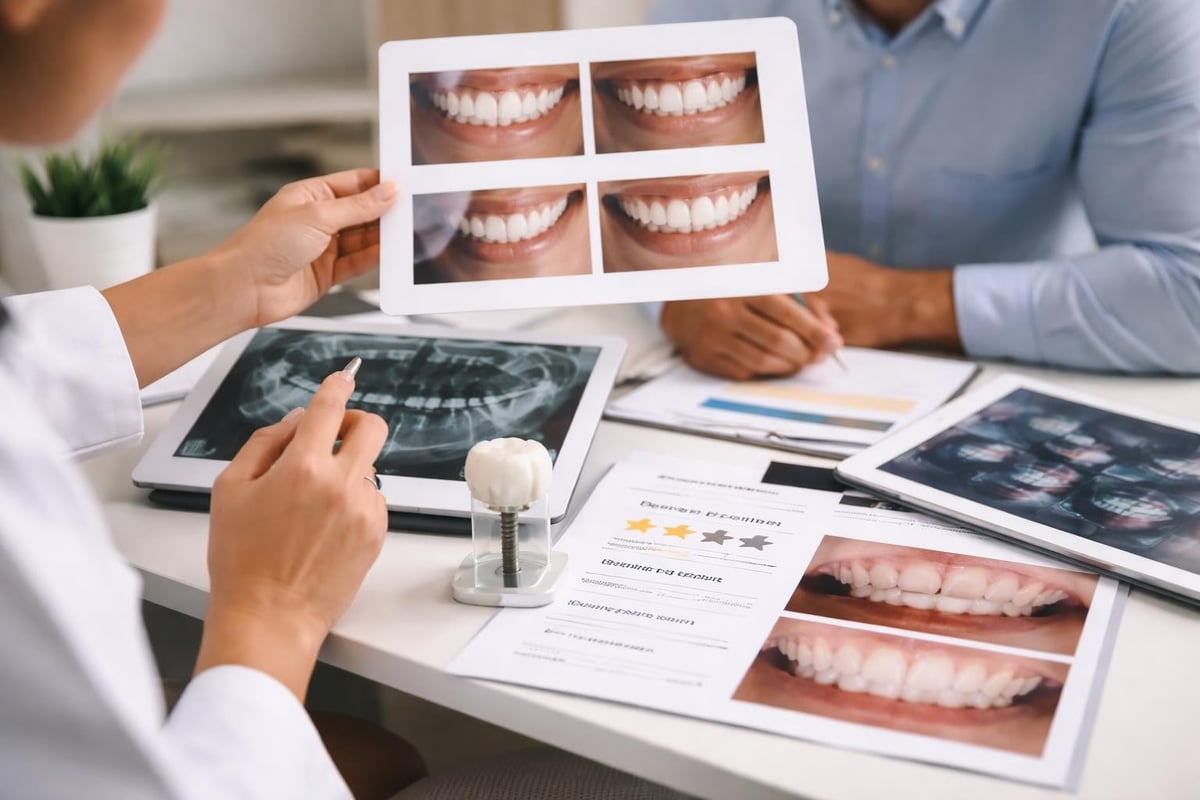
Request to see before-and-after photographs of actual patients treated at the practice. Quality implant dentists maintain extensive portfolios showcasing various case types:
- Single tooth replacements
- Multiple missing teeth
- Full arch restorations
- Aesthetic zone implants (front teeth)
- Complex cases involving bone grafting
Pay attention to the aesthetic quality of results. Do the implant crowns look natural? Do they match neighboring teeth in color, shape, and positioning? Exceptional implant dentists understand that function and aesthetics are equally important.
Understanding Cost Transparency and Payment Options
Dental implants represent a significant financial investment, with single implants typically ranging from $3,000 to $6,000 in Texas, depending on complexity and location. Full arch restorations can exceed $25,000 per arch.
Reputable implant dentists provide detailed, written treatment plans outlining all costs before you commit. This breakdown should include:
- Diagnostic imaging and consultation fees
- Surgical implant placement costs
- Abutment and crown fabrication
- Bone grafting or other preparatory procedures
- Follow-up appointments and adjustments
Beware of quotes that seem too good to be true. Extremely low prices often indicate inferior implant components, rushed procedures, or hidden fees discovered later in treatment.
Exploring Financing and Insurance Coverage
While dental insurance rarely covers the full cost of implants, many plans contribute toward certain portions of the treatment. Ask prospective dentists:
- Do you accept my dental insurance?
- Will you file insurance claims on my behalf?
- What financing options do you offer?
- Are payment plans available for the out-of-pocket portion?
Many established practices partner with healthcare financing companies like CareCredit or LendingClub, offering extended payment terms with low or zero interest for qualified patients. Some clinics, like those offering in-house savings plans, provide additional cost-saving opportunities for patients without insurance.
Evaluating the Initial Consultation Experience
The consultation appointment reveals much about how a practice operates and whether they prioritize patient care. This visit should never feel rushed or pressured.
During a quality consultation, expect:
- Comprehensive examination including visual inspection and potentially X-rays or 3D scans
- Thorough health history review to identify potential complications
- Detailed explanation of your specific situation and recommended solutions
- Alternative treatment options with pros and cons of each approach
- Realistic timeline from implant placement through final restoration
- Opportunity to ask questions without feeling hurried
The dentist should explain complex concepts in understandable terms and address your concerns with patience. You should leave the appointment feeling informed and confident, not confused or pressured.
Red Flags to Watch During Consultations
Certain warning signs during consultations suggest you should continue your search:
- Refusing to provide written treatment plans or cost estimates
- Pressure tactics pushing same-day decisions
- Dismissive responses to your questions or concerns
- Inability to explain their approach or technology
- Promises of unrealistically fast treatment timelines
- No discussion of potential risks or complications
Trust your instincts. If something feels wrong during the consultation, explore other options. The right implant dentist will earn your confidence through transparency and professionalism.
Considering Location and Long-Term Accessibility
Dental implant treatment isn’t a single appointment. The process typically spans several months and requires multiple visits for placement, healing assessments, and final restoration. Post-placement, you’ll need regular check-ups to ensure implant health.
When determining how to choose best implant dentist in texas, consider practical factors:
- Travel distance for emergency appointments
- Office hours compatibility with your schedule
- Parking availability and accessibility
- Multiple location options for greater convenience
For Texas residents, practices with multiple locations like Dental Plus Clinic’s offices in Beeville, Converse, Leander, New Braunfels, and Seguin offer flexibility if you relocate or prefer visiting different locations.
Emergency Support and After-Hours Care
Complications after implant placement are rare but can occur. Ask potential dentists about their emergency protocols:
- Is there an after-hours contact number?
- What happens if I experience problems on weekends?
- Do you personally handle emergencies or refer to an on-call service?
Dentists committed to comprehensive care provide clear emergency contact information and remain accessible when patients need urgent assistance.
Examining Warranty and Success Rate Policies
Professional implant dentists stand behind their work. While no dentist can guarantee 100% success (biological factors sometimes prevent proper integration), reputable providers offer clear policies regarding implant failure.
Ask about:
- Implant failure warranty covering replacement if osseointegration doesn’t occur
- Timeline for warranty coverage (typically 5-10 years for quality implants)
- What’s included in the warranty (replacement implant, surgical fees, crown)
- Conditions that void warranty (smoking, poor oral hygiene, missed appointments)
Manufacturers of premium implant systems often provide lifetime warranties on the implant itself, though the dentist sets policies on associated surgical and restorative fees.
Understanding Success Rates and Realistic Expectations
Industry-wide, dental implants have success rates of 95-98% for lower jaw placements and 90-95% for upper jaw procedures (where bone is less dense). Individual dentist success rates should meet or exceed these benchmarks.
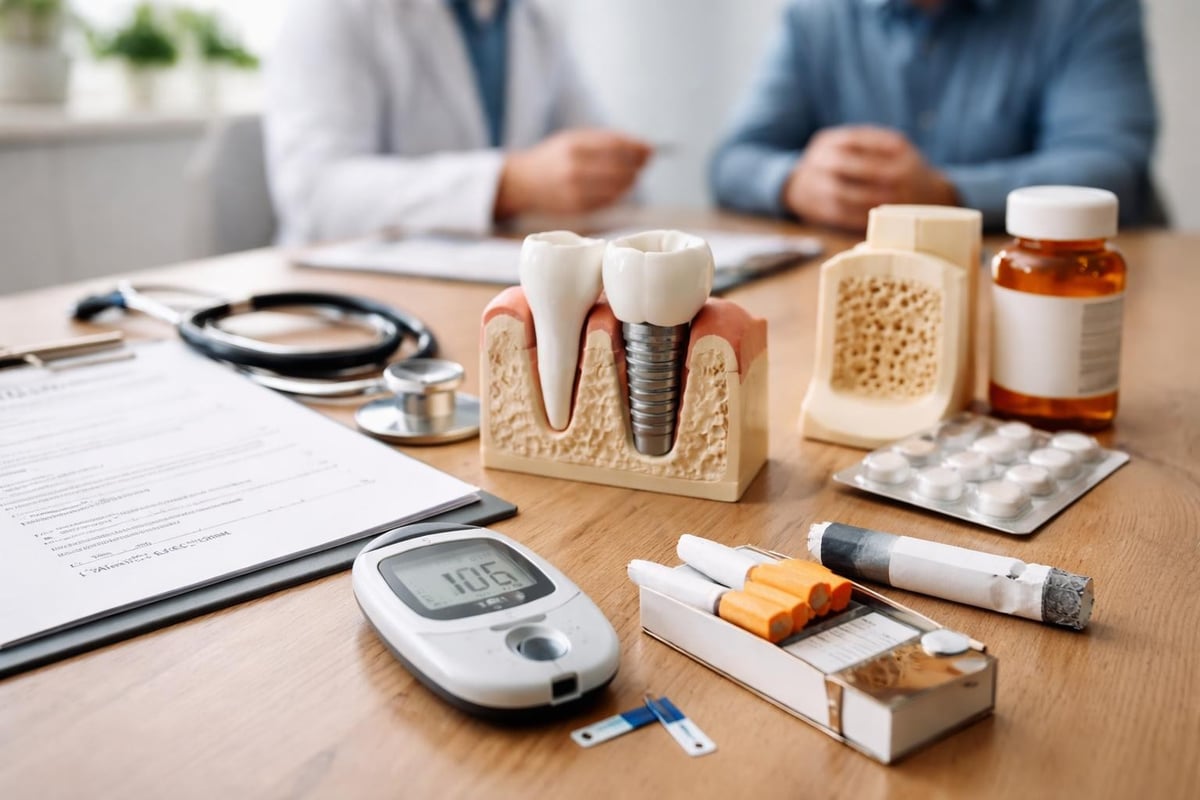
However, certain factors reduce success probability:
- Heavy smoking (doubles failure risk)
- Uncontrolled diabetes
- Radiation therapy to jaw area
- Certain medications affecting bone metabolism
- Insufficient bone quality or quantity
An honest implant dentist discusses your specific risk factors and provides realistic success expectations based on your individual circumstances. They should never promise guaranteed results without acknowledging these variables.
Investigating Continuing Education and Industry Involvement
Dental implant techniques, materials, and technologies evolve rapidly. Dentists committed to excellence participate in ongoing education to stay current with advancements.
During your research, look for dentists who:
- Regularly attend continuing education courses in implantology
- Participate in study clubs with other implant specialists
- Present at dental conferences (indicating recognized expertise)
- Publish in dental journals or contribute to professional literature
- Train other dentists in implant techniques
These activities demonstrate dedication to staying at the forefront of implant dentistry rather than relying on decades-old knowledge.
Specialization in Complex Cases
Some patients require additional procedures before implant placement, such as:
- Bone grafting to build adequate bone volume
- Sinus lifts to create space in the upper jaw
- Ridge augmentation to widen narrow bone ridges
- Immediate placement in extraction sites
If your case involves these complexities, ensure your chosen dentist has specific experience with advanced techniques. Many general dentists refer complex cases to specialists, which may extend your treatment timeline and increase coordination challenges.
Analyzing Practice Culture and Patient Care Philosophy
The overall practice environment significantly impacts your treatment experience. Beyond the dentist’s technical skills, consider how the entire team supports patient comfort and satisfaction.
Indicators of patient-focused culture include:
- Staff who remember your name and preferences
- Minimal wait times and respect for your schedule
- Clean, modern facilities with attention to infection control
- Clear communication about each treatment step
- Follow-up calls after procedures checking on recovery
- Flexibility in scheduling and accommodating concerns
Visit the practice before your consultation if possible. Observe how staff interact with patients. Are they warm and welcoming or rushed and dismissive? The front office experience often reflects the overall practice philosophy.
Comfort Amenities and Anxiety Management
Dental anxiety affects many patients, particularly regarding surgical procedures. Quality implant practices offer various comfort options:
- Sedation dentistry (oral sedation, nitrous oxide, IV sedation)
- Noise-canceling headphones or music
- Comfort items like blankets and pillows
- Modern pain management protocols
- Gentle injection techniques
If dental anxiety concerns you, discuss available options during your consultation. Understanding different approaches to dental procedures can help you feel more prepared and comfortable.
Frequently Asked Questions
What qualifications should I look for in an implant dentist?
Look for dentists with advanced training in implant dentistry beyond dental school, membership in professional organizations like the American Academy of Implant Dentistry, significant case experience (100+ implants placed annually), and use of modern technology like 3D imaging and guided surgery systems. Verify their license through the Texas State Board of Dental Examiners.
How much do dental implants cost in Texas?
Single dental implants in Texas typically range from $3,000 to $6,000, including the implant post, abutment, and crown. Full arch restorations can cost $20,000 to $45,000 per arch. Prices vary based on dentist experience, location, implant system quality, and whether additional procedures like bone grafting are needed.
How long does the dental implant process take?
The complete dental implant process typically takes 3 to 6 months. The implant post requires 3-6 months to integrate with jawbone before the final crown can be placed. Immediate load implants allow same-day temporary teeth in select cases. Complex cases requiring bone grafting may extend the timeline to 9-12 months.
What questions should I ask during my implant consultation?
Ask about the dentist’s training and experience, which implant system they use and why, their success rates, what technology they employ, the complete cost breakdown, warranty policies, sedation options, and emergency procedures. Request to see before-after photos of similar cases and get a detailed, written treatment plan.
Are dental implants better than bridges or dentures?
Dental implants offer several advantages over bridges and dentures: they don’t require altering healthy adjacent teeth, preserve jawbone density, function like natural teeth, and typically last 20+ years with proper care. However, they require surgery and higher upfront costs. The best option depends on your specific situation, which a comparison between implants and dentures can help clarify.
How do I know if a dentist has experience with complex implant cases?
Ask specifically about their experience with bone grafting, sinus lifts, immediate placement, and full arch restorations. Request to see portfolio examples of complex cases similar to yours. Inquire about their annual case volume and percentage of complex procedures. Dentists with advanced training in periodontics or oral surgery typically handle more complex implant cases.
What should I look for in online reviews of implant dentists?
Look for patterns across multiple review platforms rather than focusing on individual reviews. Pay attention to comments about communication quality, pain management, staff professionalism, treatment outcomes, cost transparency, and long-term satisfaction. Reviews mentioning specific procedures and detailed experiences provide more valuable insights than generic praise.
Does insurance cover dental implants in Texas?
Most dental insurance plans classify implants as cosmetic and provide limited or no coverage. However, some plans cover portions of the treatment, such as the crown portion or bone grafting. Medical insurance may cover implants when tooth loss results from accident or disease. Always verify coverage with both your insurance provider and the dental office before proceeding.
How important is the location of my implant dentist?
Location matters significantly because implant treatment requires multiple visits over several months. Choose a “implant dentist near me” within reasonable driving distance for convenience during the treatment phase and for ongoing maintenance appointments. Emergency accessibility is also important if complications arise during healing.
What technology is essential for quality dental implant placement?
Essential technology includes 3D cone beam CT scanners for detailed jaw imaging, digital implant planning software for precise placement planning, and ideally guided surgery systems for minimally invasive procedures. Intraoral scanners improve crown accuracy and comfort. While not every technology is mandatory, these tools significantly improve outcomes and patient experience.
Final Thoughts
Selecting the right implant dentist requires careful research and consideration of credentials, technology, experience, and patient care philosophy. By evaluating these critical factors and asking the right questions, you position yourself for successful treatment and a restored smile that lasts decades. If you’re searching for experienced implant dentistry with advanced technology and patient-focused care across Texas, Dental Plus Clinic provides comprehensive implant solutions at convenient locations in Beeville, Seguin, New Braunfels, Leander, and Converse, with transparent pricing and personalized treatment plans designed for your unique needs.