
Finding quality implant dentistry accepting insurance in Texas can feel overwhelming when you're facing tooth loss and worried about costs. With dental implants representing a significant investment in your oral health, understanding which Texas dental practices accept insurance and how to maximize your benefits becomes crucial for families and individuals across the Lone Star State. Whether you're in Beeville, Seguin, New Braunfels, Leander, or Converse, knowing how to navigate insurance coverage for dental implants can save you thousands of dollars while restoring your confident smile.
Understanding Dental Implant Insurance Coverage in Texas
Dental insurance policies vary significantly in their approach to implant coverage. Most traditional plans categorize dental implants as a major procedure, which typically means coverage ranges from 50% to 80% of the total cost after you meet your annual deductible.
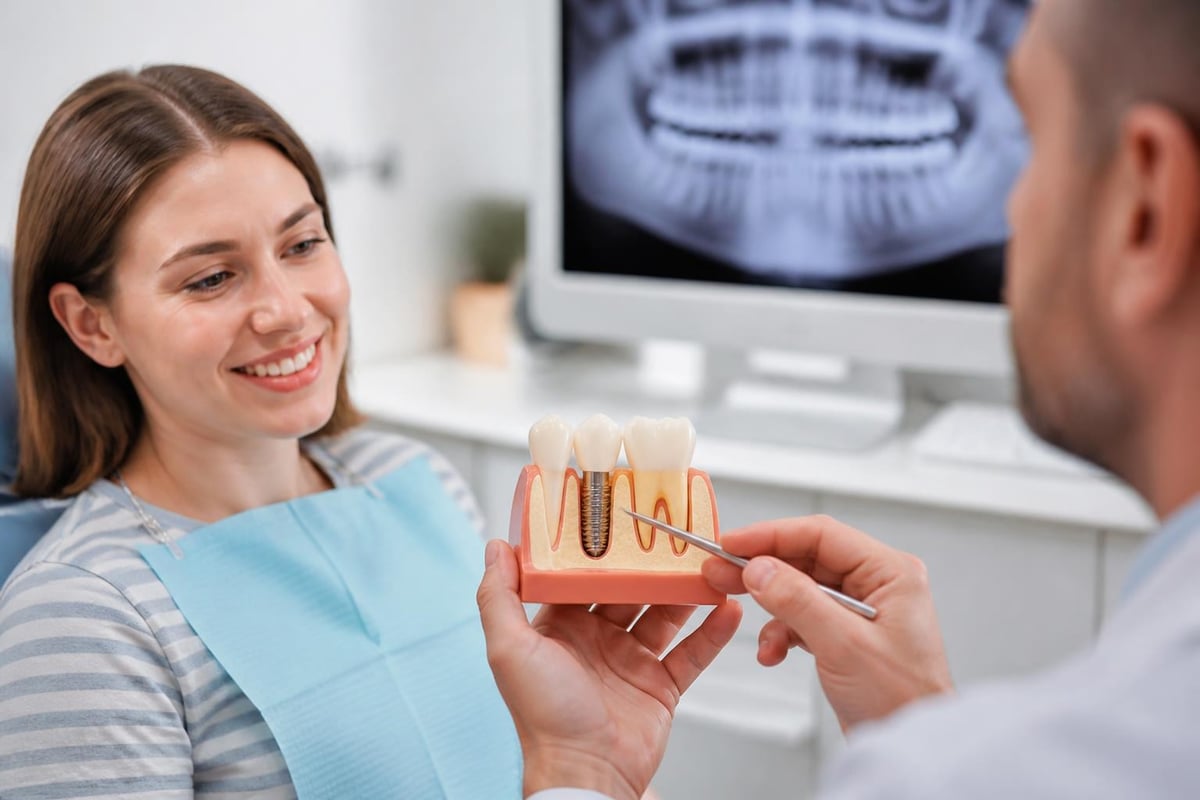
The challenge with implant dentistry accepting insurance in Texas lies in understanding what components of the implant procedure your specific plan will cover. A complete dental implant consists of three parts: the titanium post, the abutment, and the crown. Some insurance plans only cover the crown portion, classifying it as a prosthetic rather than covering the surgical implant placement.
What Texas Insurance Plans Typically Cover
Annual maximum limits present one of the most significant barriers to full implant coverage. Most dental insurance plans in Texas cap annual benefits between $1,000 and $2,000, which rarely covers the complete cost of a single implant. According to dental insurance coverage patterns, patients often need to plan their implant treatment across multiple calendar years to maximize their insurance benefits.
Here's what different types of plans typically offer:
- PPO Plans: Generally provide 50% coverage for major procedures after deductible
- DHMO Plans: May offer lower out-of-pocket costs but limited provider networks
- Indemnity Plans: Allow freedom to choose any dentist but often have higher premiums
- Discount Plans: Not insurance, but provide reduced rates at participating practices
Understanding the differences between PPO and DHMO dental plans helps you select the right coverage for your implant needs.
Common Insurance Limitations for Implants
Texas dental insurance policies frequently include specific restrictions that affect implant coverage. Waiting periods rank among the most common obstacles, with many plans requiring 6 to 12 months of active coverage before major procedures qualify for benefits.
The missing tooth clause excludes coverage for replacing teeth that were missing before your policy's effective date. This means if you lost a tooth in 2024 but didn't purchase insurance until 2025, your insurer might deny coverage for that specific implant.
Pre-authorization requirements add another layer of complexity. Most insurance companies require detailed documentation, including X-rays, treatment plans, and clinical justification before approving coverage for implant procedures.
Finding Implant Dentistry Accepting Insurance in Texas
Locating dental practices that accept your specific insurance plan requires strategic research. Start by contacting your insurance provider's customer service line to request a list of in-network providers who perform dental implant procedures in your area.
In-network vs. out-of-network providers dramatically impact your out-of-pocket costs. In-network dentists have negotiated fee schedules with insurance companies, typically resulting in 20% to 40% lower costs than out-of-network providers. However, choosing the best implant dentist in Texas shouldn't be based solely on insurance acceptance.
Questions to Ask Dental Offices
When contacting dental practices about implant dentistry accepting insurance in Texas, prepare these essential questions:
- Which insurance plans do you currently accept?
- Do you handle insurance pre-authorization submissions?
- Can you provide a detailed cost estimate based on my coverage?
- What payment options exist for amounts insurance doesn't cover?
- Do you offer financing plans for the patient responsibility portion?
Many Texas dental offices employ dedicated insurance coordinators who can verify your benefits, estimate your coverage, and submit pre-authorization requests on your behalf. This service proves invaluable when navigating complex insurance policies.
Geographic Considerations Across Texas
Finding implant dentistry accepting insurance in Texas varies by region. Metropolitan areas like Austin, San Antonio, and Houston typically have more in-network providers, while rural communities may have limited options. Patients in smaller towns sometimes travel to nearby cities to access in-network specialists.
For families seeking convenient locations, practices with multiple offices across Texas-such as those in Beeville, Seguin, New Braunfels, Leander, and Converse-provide flexibility while maintaining consistent quality care. Learn more about specific location services in Seguin to understand regional availability.
Maximizing Your Insurance Benefits for Dental Implants
Strategic planning can significantly increase the insurance contribution toward your implant treatment. Since most plans reset annual maximums on January 1st, coordinating your implant procedure across two calendar years allows you to use benefits from both years.
Treatment phasing represents the most effective approach for maximizing benefits. Your dentist might perform the implant placement in December 2026, utilizing that year's maximum, then complete the crown restoration in January 2027, accessing fresh benefits.
Creating a Comprehensive Treatment Plan
| Treatment Phase | Timeline | Insurance Application | Estimated Coverage |
|---|---|---|---|
| Initial consultation & imaging | Month 1 | Diagnostic coverage (80-100%) | $150-300 |
| Implant post placement surgery | Month 2-3 | Major procedure (50%) | $500-1,000 |
| Healing period | 3-6 months | No coverage needed | $0 |
| Abutment placement | Month 6-7 | Major procedure (50%) | $250-500 |
| Crown fabrication & placement | Month 7-8 | Major procedure (50%) | $400-800 |
This table demonstrates how breaking down the procedure helps you understand when insurance applies to each phase. Your dental office can customize this timeline based on your specific healing needs and insurance renewal dates.
Alternative Coverage Options
When traditional dental insurance provides insufficient coverage, explore these supplemental options:
- Dental discount plans through providers like Spirit Dental offer immediate savings without waiting periods
- Health Savings Accounts (HSAs) allow pre-tax dollars to cover dental procedures
- Flexible Spending Accounts (FSAs) provide tax advantages for planned dental work
- Medical insurance may cover implants when tooth loss results from accident or disease
Some Texas patients qualify for medical insurance coverage when dental implants are deemed medically necessary rather than cosmetic. Conditions like severe bone loss, TMJ disorders, or difficulties eating due to missing teeth sometimes justify medical coverage.

Cost Considerations for Texas Dental Implants
Understanding the complete financial picture helps you make informed decisions about implant dentistry accepting insurance in Texas. The total cost for a single dental implant typically ranges from $3,000 to $6,000 in Texas, depending on location, complexity, and the dentist's experience.
Cost breakdown by component:
- Implant post and surgical placement: $1,500-$3,000
- Abutment: $300-$700
- Crown restoration: $1,200-$2,500
- Bone grafting (if needed): $400-$1,200
- Sinus lift (if needed): $1,500-$3,000
According to dental implant cost analysis, these figures vary based on geographic location within Texas, with urban areas typically commanding higher fees than rural regions.
Insurance Reimbursement Scenarios
Real-world examples help illustrate how insurance coverage affects your final costs. Consider Sarah, a 45-year-old teacher from New Braunfels with a PPO plan featuring a $1,500 annual maximum and 50% coverage for major procedures.
Sarah's implant cost breakdown:
- Total procedure cost: $4,200
- Insurance annual maximum: $1,500
- Sarah's out-of-pocket: $2,700
If Sarah strategically schedules her treatment across two years, she could access $3,000 in insurance benefits (two annual maximums), reducing her out-of-pocket expense to approximately $1,200.
Hidden Costs to Consider
Beyond the implant procedure itself, budget for these potential additional expenses:
- Diagnostic imaging (CT scans): $200-$400
- Tooth extraction (if needed): $150-$400
- Temporary prosthetics: $300-$800
- Follow-up appointments: $50-$150 per visit
- Potential complications or additional treatments
Many insurance plans cover diagnostic imaging and extractions under different benefit categories than implants, sometimes providing better coverage for these preliminary procedures. Resources like Texas dental insurance overview explain how different procedure categories affect coverage.
Texas Insurance Providers and Implant Coverage
Different insurance carriers operating in Texas have varying approaches to dental implant coverage. Understanding these differences helps you select the most advantageous plan during open enrollment periods.
Major Insurance Carriers in Texas
Delta Dental of Texas maintains the largest provider network in the state and typically covers implants at 50% after deductible, subject to annual maximums. Their PPO plans offer flexibility in choosing specialists while maintaining reasonable out-of-pocket costs.
Humana Dental provides various plan options in Texas with different coverage levels. Their Texas dental plans include options specifically designed for patients anticipating major dental work, though premiums increase accordingly.
United Healthcare Dental offers comprehensive coverage in Texas metropolitan areas, with some plans providing enhanced major services benefits that increase coverage percentages for procedures like implants after members maintain coverage for several years.
Cigna Dental features wellness incentives that can increase coverage for preventive and major procedures when patients maintain regular dental visits, potentially benefiting long-term implant planning.
| Insurance Provider | Typical Implant Coverage | Annual Maximum | Waiting Period | Network Size in Texas |
|---|---|---|---|---|
| Delta Dental | 50% | $1,500-$2,000 | 6-12 months | Largest |
| Humana | 50% | $1,000-$1,500 | 6 months | Large |
| United Healthcare | 50-60% | $1,500-$2,500 | 12 months | Large |
| Cigna | 50% | $1,500 | 6-12 months | Medium |
| Guardian | 50-80% | $2,000-$3,000 | 12 months | Medium |
These figures represent typical plan offerings as of 2026, though specific coverage varies by individual policy. Always verify your exact benefits before proceeding with treatment.
Evaluating Plan Options During Enrollment
When selecting dental insurance with implant coverage in mind, prioritize these factors:
- Annual maximum limits: Higher maximums provide greater total benefit
- Waiting period length: Shorter waiting periods mean faster access to benefits
- Missing tooth exclusions: Some plans waive these clauses
- Coverage percentages: Look for plans offering 60-80% for major procedures
- In-network provider availability: Ensure quality implant dentists participate
The Dentaly.org insurance comparison guide offers detailed analysis of various plan features specifically for patients considering implants.
Alternative Financing Options Beyond Insurance
When insurance coverage falls short, Texas patients have multiple financing alternatives for implant dentistry. Many dental practices understand that insurance limitations shouldn't prevent patients from receiving necessary treatment.
In-house financing programs offered by dental offices allow patients to pay in installments directly to the practice, often with 0% interest for 12 to 24 months. These arrangements eliminate third-party financing fees and provide flexible payment schedules.
Third-Party Financing Companies
Several specialized healthcare financing companies serve Texas dental patients:
- CareCredit: Offers promotional periods with deferred interest, widely accepted across Texas dental practices
- LendingClub: Provides personal loans specifically for medical and dental procedures
- Alphaeon Credit: Focuses on healthcare financing with flexible terms
- Prosper Healthcare Lending: Specializes in larger dental procedures like implants
Before accepting financing, carefully review interest rates, payment terms, and penalties for late payments. Understanding strategies to reduce dental care costs helps you make financially sound decisions.
Medical Tourism Considerations
Some Texas residents consider traveling to Mexico for more affordable dental implants. While costs can be 50-70% lower, consider these factors:
- Follow-up care challenges if complications arise
- Different quality standards and material sourcing
- Warranty and guarantee limitations across international borders
- Travel expenses offsetting some savings
Most dental professionals recommend finding affordable implant dentistry accepting insurance in Texas rather than seeking treatment abroad, as domestic care ensures continuity and legal recourse if problems occur.

The Implant Procedure and Insurance Timeline
Understanding how the implant procedure progresses helps you coordinate insurance benefits effectively. The dental implant procedure typically unfolds across multiple appointments spanning several months.
Phase-by-Phase Insurance Application
Initial Consultation (Week 1): Most insurance plans cover diagnostic examinations at 80-100% under preventive or diagnostic benefits. This appointment includes comprehensive examination, X-rays, and treatment planning. Your dentist will submit a pre-authorization request detailing the proposed treatment and estimated costs.
Pre-authorization Response (Weeks 2-4): Insurance companies typically respond within 2-4 weeks, providing a breakdown of covered procedures and estimated benefits. This document becomes crucial for financial planning and doesn't guarantee payment but offers guidance on expected coverage.
Surgical Phase (Month 2-3): The implant post placement falls under major services, typically covered at 50% up to your annual maximum. If extraction or bone grafting is necessary, these procedures might be billed separately, potentially accessing different benefit categories.
Healing Period (Months 3-6): Osseointegration requires no dental appointments, giving you time to plan for the next phase. This period provides an opportunity to maximize next year's insurance benefits if your annual maximum is exhausted.
Restoration Phase (Months 6-8): Crown fabrication and placement complete the process. If you've strategically timed treatment, this phase might occur in a new calendar year, accessing fresh insurance benefits.
Documentation Requirements for Insurance
Insurance companies require extensive documentation for implant pre-authorization:
- Clinical notes explaining why the implant is necessary
- Radiographic evidence showing bone structure and tooth loss
- Treatment narrative describing the planned procedure
- Itemized cost estimate breaking down each component
- Medical history justifying medical necessity when applicable
Your dental office should handle this paperwork, but understanding requirements helps you provide necessary information promptly. The article on whether dental implants are better than bridges explains clinical justifications that strengthen insurance claims.
Special Considerations for Texas Families
Families seeking implant dentistry accepting insurance in Texas face unique planning challenges, especially when multiple family members need treatment. Group family plans often provide the best value, offering higher combined annual maximums.
Coordinating Family Benefits
When both spouses have employer-sponsored dental insurance, coordination of benefits allows you to maximize coverage by submitting claims to both insurers. The primary insurance pays first according to its benefits, then the secondary insurance covers a portion of the remaining balance, up to 100% of the total cost.
Example scenario: John needs a dental implant costing $4,500. His primary insurance covers 50% ($2,250) up to his annual maximum. His wife's secondary insurance might cover an additional 30% ($1,350), reducing his out-of-pocket expense to $900 instead of $2,250.
Pediatric Implant Considerations
While less common, teenagers and young adults sometimes require dental implants following trauma or congenital missing teeth. According to information on dental implant candidates, patients must have completed jaw growth before receiving implants.
Insurance coverage for pediatric implants often receives closer scrutiny, requiring extensive documentation proving medical necessity. Accidents resulting in tooth loss typically receive more favorable coverage determinations than developmental issues.
Comparing Alternative Tooth Replacement Options
Before committing to dental implants, understanding how insurance covers alternative treatments helps you make informed decisions. Bridges and dentures traditionally receive better insurance coverage because they're established treatments with longer histories.
Insurance Coverage Comparison
| Treatment Option | Typical Coverage | Longevity | Maintenance Required | Protects Jawbone |
|---|---|---|---|---|
| Dental Implant | 50% (limited) | 25+ years | Minimal | Yes |
| Fixed Bridge | 50-80% | 10-15 years | Moderate | No |
| Removable Partial | 50-80% | 5-8 years | Significant | No |
| Complete Denture | 50-80% | 5-10 years | Significant | No |
The comparison between dental implants and dentures reveals that while dentures cost less initially and receive better insurance coverage, implants provide superior long-term value through durability and bone preservation.
Long-Term Cost Analysis
Despite better insurance coverage for bridges and dentures, dental implants often prove more economical over 20-30 years. A bridge requiring replacement every 10-15 years incurs multiple deductibles and co-pays, while a single implant potentially lasts a lifetime with proper care.
20-year cost comparison:
- Single implant (one-time): $4,500 with 25+ year lifespan
- Fixed bridge (replaced twice): $3,500 × 3 = $10,500
- Removable partial (replaced four times): $2,000 × 5 = $10,000
Insurance annual maximums reset yearly but don't increase, meaning you'll pay similar percentages for each bridge or denture replacement. Understanding these long-term economics helps justify the initial implant investment.
Common Insurance Claim Denials and Appeals
Even with careful planning, insurance companies sometimes deny implant claims. Understanding common denial reasons and appeal processes protects your financial interests when seeking implant dentistry accepting insurance in Texas.
Typical Denial Reasons
"Not medically necessary" represents the most frequent denial. Insurance companies argue that bridges or dentures adequately replace missing teeth, making implants elective. Successful appeals require documentation showing why alternative treatments are unsuitable for your specific situation.
"Cosmetic procedure" denials occur when insurers claim implants serve aesthetic rather than functional purposes. Countering this requires clinical evidence demonstrating chewing difficulties, bone loss progression, or other functional impairments.
Missing tooth clause violations happen when patients lose teeth before obtaining coverage. Some states regulate these exclusions, but Texas allows insurance companies broad discretion in applying missing tooth clauses.
Building a Strong Appeal
When challenging a denial, strengthen your case with:
- Detailed clinical documentation from your dentist explaining functional impairment
- Second opinions from other dental professionals supporting treatment necessity
- Photographic evidence showing bone loss or other complications
- Personal statements describing difficulties eating, speaking, or maintaining oral health
- Research citations demonstrating long-term benefits of implants over alternatives
According to dental implant insurance coverage mechanics, successful appeals often require persistence through multiple review levels, potentially taking 60-90 days for final resolution.
Frequently Asked Questions
Does Texas require dental insurance to cover implants?
Texas doesn't mandate dental insurance coverage for implants. Insurance companies voluntarily offer implant coverage as part of major services benefits, but policies vary significantly. State law doesn't classify dental implants as essential benefits requiring coverage.
How much do dental implants cost with insurance in Texas?
With insurance, Texas patients typically pay $1,500 to $4,000 out-of-pocket per implant after insurance contributions. The exact amount depends on your specific plan's coverage percentage, annual maximum, and deductible. Strategic planning across multiple benefit years can reduce costs substantially.
Can I get dental implants the same year I purchase insurance?
Most dental insurance plans impose waiting periods of 6 to 12 months for major procedures like implants. However, some carriers offer immediate coverage with higher premiums. Plans without waiting periods exist but require careful cost-benefit analysis.
What documentation does insurance need for dental implant approval?
Insurance companies require comprehensive clinical documentation including X-rays, treatment plans, clinical examination notes, and a detailed explanation of why implants are necessary. Your dentist should provide a narrative explaining why alternative treatments are insufficient for your specific case.
Are full mouth dental implants covered by insurance?
Full mouth dental implants face more coverage challenges than single implants. Insurance annual maximums rarely cover complete arch restoration costs, and some insurers classify full mouth reconstruction as cosmetic. Patients typically need multiple years of benefits plus supplemental financing.
How do I find implant dentistry accepting insurance in Texas near me?
Start by contacting your insurance provider for an in-network dentist directory. Verify that listed dentists actually perform implant procedures, as not all general dentists offer this service. For comprehensive implant services, explore resources about finding dental implants near you in Texas.
Does medical insurance ever cover dental implants in Texas?
Medical insurance may cover dental implants when tooth loss results from accident, injury, cancer treatment, or congenital conditions. Coverage requires extensive medical documentation proving the procedure addresses a medical rather than dental condition. Most routine tooth loss remains dental insurance territory.
What's the difference between PPO and HMO coverage for implants?
PPO plans typically offer broader dentist selection and often provide better coverage for specialized procedures like implants. HMO plans require staying within network and choosing a primary dentist but may offer lower premiums. Review the comparison of PPO vs DHMO dental plans for detailed differences.
Can I use my HSA or FSA for dental implants?
Yes, Health Savings Accounts and Flexible Spending Accounts can cover dental implants and related procedures. These accounts use pre-tax dollars, effectively reducing your implant costs by your marginal tax rate (typically 22-32% for most families). Plan your contributions strategically to maximize tax advantages.
How do All-on-4 dental implants affect insurance coverage?
All-on-4 dental implants that replace an entire arch of teeth face similar coverage limitations as individual implants. Some insurers provide better coverage by classifying the procedure as a denture alternative, while others deny coverage entirely, viewing it as cosmetic reconstruction.
Advanced Strategies for Maximum Coverage
Sophisticated approaches to implant dentistry accepting insurance in Texas can dramatically reduce your final costs. These strategies require planning and coordination with your dental office but deliver substantial savings.
The Two-Year Approach
By strategically scheduling treatment components across two calendar years, you effectively double your insurance benefits. This requires close coordination between your dentist and insurance coordinator to ensure proper timing and billing.
Optimal timeline:
- December 2026: Extraction, bone grafting (if needed), and implant post placement
- January 2027: Abutment and crown placement after adequate healing
This approach works best when your annual maximum resets January 1st, as most plans do. Verify your specific renewal date to maximize this strategy.
Combining Multiple Benefit Categories
Savvy patients and dental offices code procedures to access different benefit categories when appropriate. For example:
- Extraction: Often covered under basic services at 70-80%
- Bone grafting: Sometimes covered under periodontal services at 50-70%
- Surgical placement: Covered under major services at 50%
- Crown: May qualify under prosthodontic services at 50%
This isn't insurance fraud but rather legitimate optimization of how procedures are documented and billed. Understanding the latest dental implant technology helps you and your dentist communicate effectively about treatment components.
Employer Benefit Optimization
If your employer offers multiple dental plan options during open enrollment, calculate which provides the best value for planned implant work:
- High-premium plans with better coverage might save money if you need implants
- Low-premium plans with minimal coverage work better for routine care only
- Supplemental coverage additions during enrollment can enhance implant benefits
Create a spreadsheet comparing annual premiums plus estimated out-of-pocket costs under each plan option. The plan with the lowest total cost wins, even if premiums are higher.
Regional Availability Across Texas
Access to implant dentistry accepting insurance in Texas varies significantly by region. Understanding geographic differences helps you find quality care within reasonable travel distances.
Metropolitan vs. Rural Access
Major metropolitan areas including Austin, San Antonio, Houston, and Dallas offer extensive choices for implant dentistry with robust insurance acceptance. These cities feature multiple specialists, competitive pricing, and comprehensive insurance networks.
Rural communities face challenges including fewer implant providers, limited insurance network participation, and sometimes higher costs due to reduced competition. Patients in towns like Beeville might need to travel to nearby cities for specialized implant services, though local practices increasingly offer these procedures.
Suburban regions like New Braunfels, Leander, and Converse balance accessibility with community-focused care. These areas often provide the ideal combination of advanced dental services, personal attention, and insurance acceptance.
Multi-Location Practice Advantages
Dental practices with multiple Texas locations offer several benefits for patients seeking implant dentistry accepting insurance in Texas:
- Consistent insurance policies across all locations simplify benefit verification
- Flexible appointment scheduling at whichever location is most convenient
- Coordinated care with shared patient records and treatment plans
- Broader insurance acceptance due to larger practice size and negotiating power
For patients traveling between Texas cities for work or family, multi-location practices eliminate the need to establish new patient relationships when seeking follow-up care.
The Future of Dental Implant Insurance Coverage
The landscape of implant dentistry accepting insurance in Texas continues evolving. Industry trends suggest improving coverage over the coming years as implants become the standard of care for tooth replacement.
Emerging Coverage Trends
Evidence-based policy changes: As research demonstrates the superior long-term outcomes and cost-effectiveness of implants versus bridges and dentures, insurance companies gradually expand coverage. A 2025 industry analysis showed 23% of dental plans increased implant coverage limits compared to 2024.
Alternative benefit structures: Some innovative insurance products now offer implant-specific riders or enhanced major services tiers that provide 70-80% coverage for implants with higher annual maximums ($3,000-$5,000) in exchange for modestly increased premiums.
Medical-dental integration: Growing recognition of oral health's impact on overall health drives some medical insurance carriers to cover dental implants when connected to systemic health conditions like diabetes management or cardiovascular disease prevention.
Technology Impact on Costs and Coverage
Advancements in implant technology may influence future insurance coverage patterns:
- Same-day implants reduce procedure complexity and appointment frequency
- Digital planning software improves success rates and reduces complications
- 3D-printed components could lower costs, making coverage more economical for insurers
- Improved materials extending longevity strengthen the cost-effectiveness argument
Resources discussing how to choose the best implant dentist increasingly emphasize technology adoption as a selection criterion, reflecting the changing landscape of implant dentistry.
Taking Action: Your Next Steps
Armed with comprehensive knowledge about implant dentistry accepting insurance in Texas, you're prepared to move forward with confidence. Success requires methodical planning and partnership with the right dental team.
Immediate action items:
- Review your current insurance policy thoroughly, identifying coverage percentages, annual maximums, and waiting periods
- Schedule consultations with multiple implant dentists to compare treatment approaches and insurance coordination services
- Request pre-authorization from your insurance company to understand exact coverage before committing
- Develop a financial plan incorporating insurance benefits, savings, and financing options as needed
- Create a treatment timeline that optimizes insurance benefits across calendar years if beneficial
Success in navigating implant dentistry accepting insurance in Texas requires patience and persistence. Don't let initial coverage limitations discourage you from pursuing this life-changing treatment. According to information about dental implant procedures, patients who thoroughly research their options and work closely with knowledgeable dental teams achieve significantly better financial outcomes.
Choosing the Right Dental Partner
Your dental practice should serve as your advocate throughout the insurance process. Look for offices that:
- Employ dedicated insurance coordinators who handle pre-authorization and claims
- Offer multiple payment options including in-house financing and third-party plans
- Provide detailed cost estimates breaking down insurance coverage and patient responsibility
- Communicate proactively about treatment timing to optimize benefits
- Maintain transparency regarding all costs and insurance limitations
A practice committed to making implant dentistry accessible demonstrates this commitment through comprehensive insurance support and flexible financial arrangements.
Understanding implant dentistry accepting insurance in Texas empowers you to make informed decisions about restoring your smile while managing costs effectively. With strategic planning, the right insurance knowledge, and partnership with an experienced dental team, dental implants become an achievable investment in your long-term oral health and quality of life. Dental Plus Clinic provides comprehensive implant dentistry services at five convenient Texas locations, with dedicated insurance coordinators who maximize your benefits and create customized financial solutions. Schedule a consultation today to discover how we can help you achieve the confident, healthy smile you deserve.