The dental implant industry has experienced remarkable transformation over the past few years, with 2026 marking a pivotal moment in technological advancement. From artificial intelligence-guided procedures to biocompatible materials that integrate seamlessly with human bone, the latest dental implant technology is revolutionizing how patients experience tooth replacement. These innovations are not only improving dental implant success rate but also reducing treatment times, minimizing discomfort, and delivering aesthetic results that were previously unattainable. For patients considering dental implants, understanding these advancements can help make informed decisions about their oral health journey.
Digital Planning and 3D Imaging Revolution
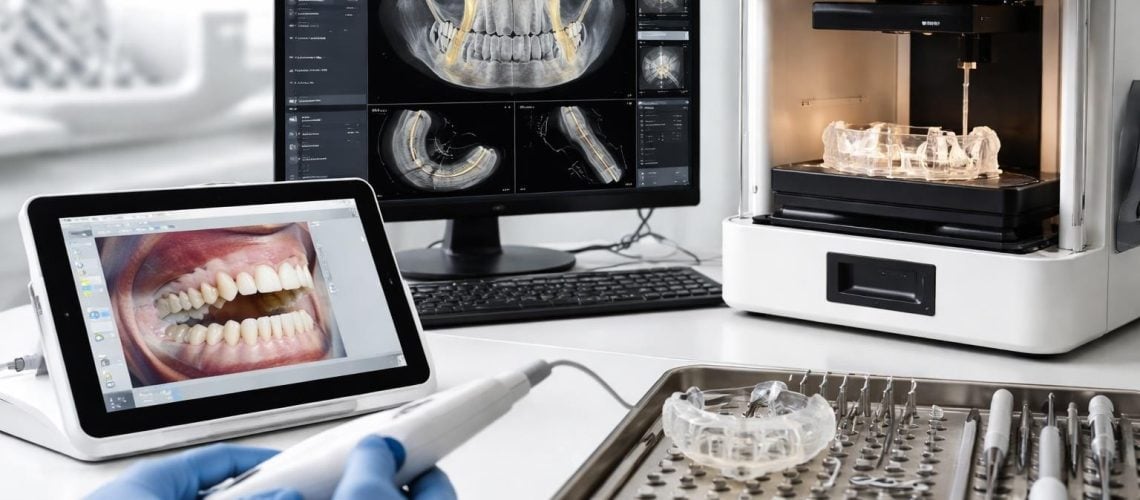
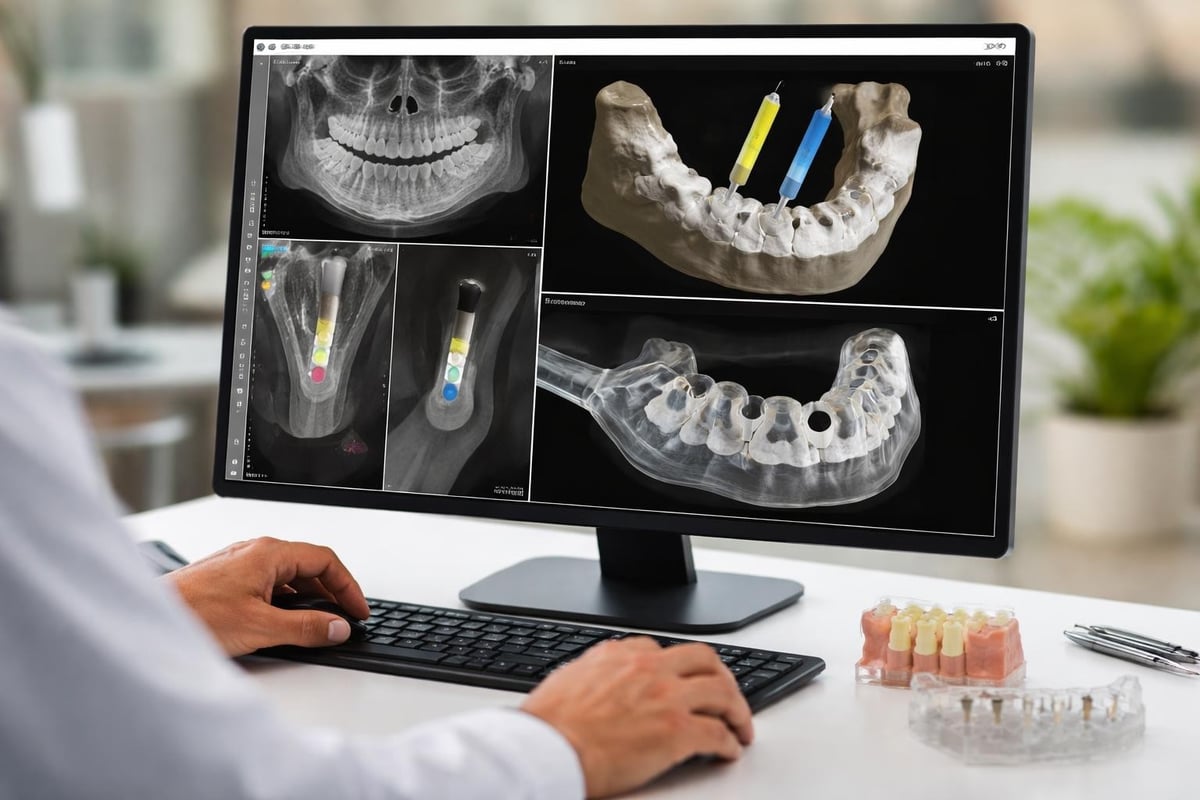
The foundation of modern implant dentistry rests on precise digital planning. The latest dental implant technology leverages cone beam computed tomography (CBCT) scans that create three-dimensional maps of a patient’s jaw structure, nerve pathways, and bone density. This level of detail allows dental professionals to plan implant placement with millimeter-level accuracy before the procedure even begins.
Digital workflow integration has transformed the traditional implant process. Intraoral scanners now capture detailed impressions without the need for uncomfortable putty molds, creating digital models that feed directly into treatment planning software. This technology enables practitioners to simulate the entire procedure virtually, identifying potential complications and optimizing implant positioning for both functional and aesthetic outcomes.
Key benefits of digital planning include:
- Precise measurement of available bone volume
- Virtual visualization of final restoration outcomes
- Reduced chair time for patients
- Enhanced communication between dental specialists
- Minimized risk of surgical complications
The integration of photogrammetry and digital scanning technology has further refined the planning process. These systems capture thousands of data points in seconds, creating highly accurate digital twins of a patient’s oral anatomy. When combined with advanced software, dentists can design custom surgical guides that direct implant placement with unprecedented precision.
Computer-Guided Implant Surgery
Computer-guided surgery represents one of the most significant advances in the latest dental implant technology. Custom-fabricated surgical guides, designed from digital scans and 3D-printed to exact specifications, fit over existing teeth or the gum tissue to direct drill placement during surgery. This technology essentially creates a roadmap that surgeons follow with exceptional accuracy.
The precision offered by guided surgery reduces trauma to surrounding tissues, which translates to faster healing times and less post-operative discomfort. Studies have shown that computer-guided procedures can reduce surgical time by up to 40% compared to traditional freehand techniques. For patients, this means fewer complications and a more predictable recovery period.
| Traditional Implant Surgery | Computer-Guided Surgery |
|---|---|
| Relies on visual estimation | Millimeter-level precision |
| Variable positioning accuracy | Consistent, repeatable results |
| Longer surgical time | Reduced procedure duration |
| Higher risk of complications | Minimized surgical errors |
| Standard recovery period | Accelerated healing timeline |
Artificial Intelligence and Machine Learning Integration
Artificial intelligence has emerged as a transformative force in dental implant planning and execution. AI and machine learning algorithms now analyze vast datasets of successful implant cases to recommend optimal placement strategies for individual patients. These systems consider factors such as bone quality, anatomical variations, and loading patterns to predict long-term success rates with remarkable accuracy.
Machine learning platforms can identify subtle patterns in diagnostic images that human practitioners might overlook. By analyzing thousands of CBCT scans, these systems learn to recognize optimal implant sites, predict potential complications, and suggest alternative treatment approaches when standard protocols may not be suitable.
Predictive Analytics for Treatment Outcomes
The latest dental implant technology incorporates predictive analytics that forecast treatment outcomes based on patient-specific factors. These sophisticated algorithms evaluate:
- Bone density measurements across multiple sites
- Historical success rates for similar anatomical configurations
- Patient health factors including diabetes, smoking history, and medication use
- Biomechanical stress distribution patterns
- Long-term maintenance requirements
AI-powered treatment planning software can generate multiple treatment scenarios, allowing patients and dentists to compare different approaches side by side. This transparency empowers patients to make informed decisions about their care while giving clinicians confidence in their treatment recommendations.
Advanced Implant Materials and Surface Technologies
Material science has driven substantial improvements in implant performance and longevity. While titanium remains the gold standard for dental implants due to its exceptional biocompatibility and osseointegration properties, recent developments have expanded the options available to patients.
Zirconia Ceramic Implants
Zirconia implants represent a metal-free alternative that appeals to patients with metal sensitivities or those seeking tooth-colored solutions for aesthetic zones. These ceramic implants have evolved significantly, with manufacturers developing advanced surface treatments that promote bone integration comparable to titanium. The white color of zirconia eliminates the gray shadowing that can sometimes occur with titanium implants in thin gum tissue.
Modern zirconia implants feature enhanced strength characteristics that address earlier concerns about fracture resistance. The latest dental implant technology has produced zirconia formulations with flexural strength exceeding 1000 MPa, making them suitable for both anterior and posterior applications.
Advantages of modern zirconia implants:
- Superior aesthetics in the smile zone
- Hypoallergenic properties
- Reduced plaque accumulation
- Excellent soft tissue response
- No metallic taste or galvanic reactions
Nanotechnology and Surface Modifications
Nanotechnology has enabled the development of implant surfaces with microscopic and nanoscopic features that accelerate bone integration. These textured surfaces, created through advanced etching and coating processes, increase the available surface area for bone cells to attach and proliferate.
The latest surface treatments incorporate bioactive molecules and growth factors that actively stimulate bone formation. Calcium phosphate coatings at the nanoscale level mimic the mineral component of natural bone, essentially tricking the body into treating the implant as native tissue. This biomimetic approach has reduced healing times from months to weeks in many cases.
| Surface Technology | Integration Time | Clinical Benefits |
|---|---|---|
| Traditional machined | 3-6 months | Baseline standard |
| Acid-etched surfaces | 2-4 months | Enhanced bone contact |
| Nanostructured surfaces | 6-12 weeks | Accelerated healing |
| Bioactive coatings | 4-8 weeks | Superior osseointegration |
3D Printing and Custom Implant Fabrication
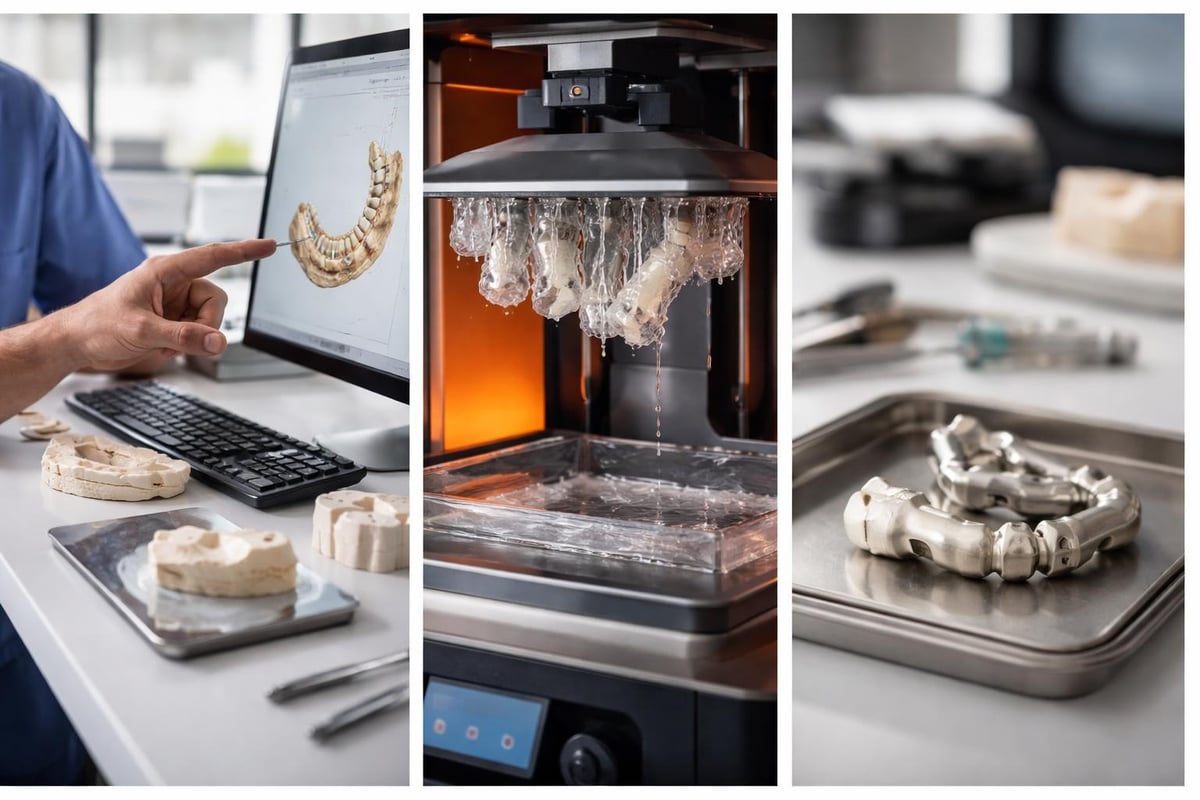
Additive manufacturing has revolutionized the production of dental implants and related components. 3D printing technology now enables the creation of patient-specific implants, abutments, and surgical guides with geometries that would be impossible to achieve through traditional manufacturing methods.
Custom implants manufactured through 3D printing can be designed to match the exact anatomical requirements of challenging cases. For patients with significant bone loss or unusual jaw anatomy, this technology allows for implants that conform to available bone structure rather than requiring extensive grafting to accommodate standard implant sizes.
Immediate Load Protocols and Same-Day Teeth
The latest dental implant technology has made same-day tooth replacement a reality for many patients. Immediate load protocols allow provisional restorations to be attached to newly placed implants within hours of surgery. This approach, supported by advanced implant designs with high initial stability, means patients can leave the office with functional teeth on the same day as their implant procedure.
Computer-aided design and manufacturing (CAD/CAM) systems work in concert with digital planning to fabricate temporary crowns or bridges while the patient is still in the chair. These provisional restorations are designed to avoid excessive force on the healing implants while providing aesthetic and functional benefits during the integration period.
The success of immediate load protocols depends on several factors:
- Adequate bone density and volume
- Primary stability exceeding 35 Newtons
- Precise surgical technique
- Patient compliance with dietary restrictions
- Proper provisional restoration design
For patients exploring options like All-on-4 versus All-on-6 dental implants, these immediate load techniques have transformed full-arch restoration from a lengthy, multi-stage process into a streamlined treatment that can be completed in a single day.
Smart Implants and Sensor Technology
Perhaps the most futuristic aspect of the latest dental implant technology involves smart implants equipped with integrated sensors. These next-generation devices can monitor various parameters during the healing process and throughout the implant’s lifespan, providing valuable data to both patients and clinicians.
Real-Time Monitoring Capabilities
Smart dental implants incorporate miniaturized sensors that track:
- Temperature fluctuations indicating inflammation
- Pressure distribution during chewing
- Bone density changes around the implant
- pH levels suggesting infection risk
- Mechanical stress on the implant-bone interface
This continuous monitoring allows for early detection of potential complications such as peri-implantitis or mechanical overload. When concerning changes are detected, the system can alert the dental provider, enabling intervention before serious problems develop. Some advanced systems can communicate wirelessly with smartphone applications, giving patients real-time feedback about their implant health.
The data collected by smart implants also contributes to broader research efforts, helping manufacturers and clinicians understand long-term performance patterns and refine treatment protocols. As these technologies mature, they promise to extend implant longevity and reduce failure rates across patient populations.
Minimally Invasive Surgical Techniques
The latest dental implant technology has enabled surgical approaches that preserve more natural tissue and accelerate recovery. Flapless surgery, performed through small tissue punches rather than traditional flap elevation, reduces surgical trauma and often eliminates the need for sutures.
Piezoelectric Surgery
Piezoelectric devices use ultrasonic vibrations to cut bone with exceptional precision while leaving soft tissues unharmed. This technology allows surgeons to prepare implant sites with minimal bleeding and reduced post-operative swelling. The selective cutting action of piezoelectric instruments makes them particularly valuable in anatomically complex areas where nerves and blood vessels must be carefully avoided.
Patients undergoing piezoelectric implant surgery typically experience:
- Less post-operative pain and swelling
- Reduced need for pain medication
- Faster return to normal activities
- Lower risk of nerve damage
- Improved bone healing response
The precision of these instruments also facilitates bone grafting procedures, allowing bone grafting for dental implants to be performed with greater accuracy and predictability.
Enhanced Imaging and Diagnostic Tools
Diagnostic capabilities have expanded dramatically with the introduction of advanced imaging modalities. Beyond standard CBCT scans, the latest dental implant technology incorporates optical coherence tomography and spectral imaging that reveal tissue health at cellular levels.
These enhanced diagnostic tools can identify early signs of implant complications before they become clinically apparent. Spectral imaging analyzes the optical properties of tissues surrounding implants, detecting subtle changes in blood flow, inflammation markers, and tissue oxygen levels that indicate developing problems.
Modern diagnostic imaging provides:
- Assessment of soft tissue quality and thickness
- Evaluation of bone metabolism around implants
- Detection of micro-fractures or mechanical complications
- Monitoring of osseointegration progress
- Early identification of peri-implant disease
The integration of these imaging technologies with AI analysis platforms creates a comprehensive diagnostic system that supports proactive implant maintenance and intervention strategies.
Biomimetic and Bioactive Materials
Research into biomimetic materials has yielded implant coatings and structures that more closely replicate natural tooth anatomy. These materials don’t simply integrate with bone-they actively participate in biological processes, releasing growth factors and signaling molecules that enhance healing.
Growth Factor Integration
The latest dental implant technology incorporates controlled-release systems that deliver bone morphogenetic proteins (BMPs) and other growth factors directly to the implant site. These bioactive coatings stimulate osteoblast activity and accelerate the bone formation process, potentially reducing integration times by 30-50%.
Platelet-derived growth factor (PDGF) coatings have shown particular promise in patients with compromised healing capacity, such as diabetics or smokers. By providing concentrated growth signals at the implant surface, these coatings can overcome some of the healing challenges that previously resulted in higher failure rates in these populations.
| Traditional Implants | Bioactive Implants |
|---|---|
| Passive integration | Active bone stimulation |
| Standard healing timeline | Accelerated osseointegration |
| Limited in compromised bone | Enhanced success in challenging cases |
| Static material properties | Dynamic biological interaction |
Innovations in Full-Arch Restoration
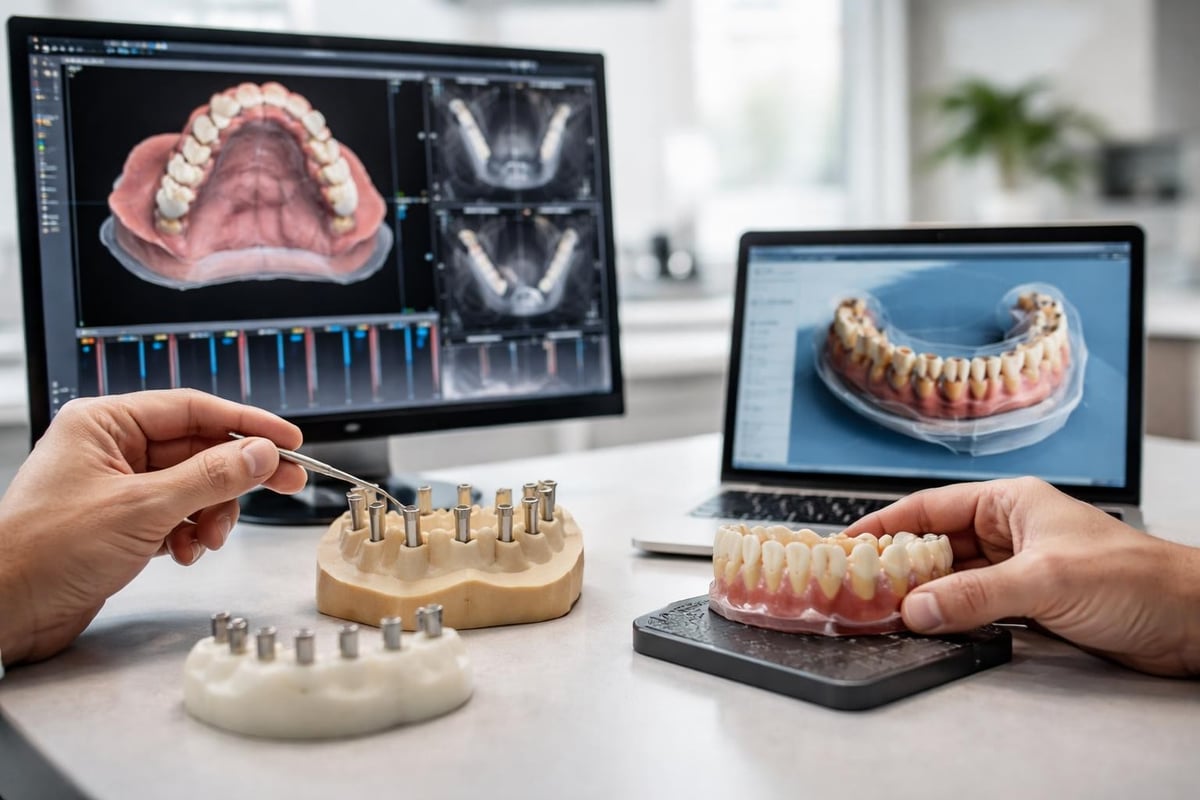
Full-arch implant rehabilitation has benefited enormously from technological advances. Digital planning allows precise virtual positioning of multiple implants to optimize distribution of occlusal forces and maximize available bone. The latest approaches incorporate biomechanical analysis that predicts stress patterns and adjusts implant placement accordingly.
Hybrid prosthesis designs manufactured through advanced CAD/CAM systems offer superior strength-to-weight ratios compared to traditional acrylic restorations. These modern prosthetics incorporate high-performance polymers and ceramic materials that resist wear, maintain aesthetics, and provide natural phonetics.
For patients comparing dental implants versus dentures, the technological improvements in full-arch solutions have made implant-supported restorations more accessible and predictable than ever before. The ability to complete treatment in fewer visits with more comfortable procedures has expanded the patient population seeking implant therapy.
Patient-Specific Treatment Planning
Personalized medicine principles now extend to implant dentistry through comprehensive patient profiling. The latest dental implant technology incorporates genetic testing, salivary diagnostics, and metabolic profiling to customize treatment approaches for individual patients.
Genetic Markers and Success Prediction
Research has identified genetic variations that influence bone healing, collagen formation, and immune response to implant materials. By analyzing these markers, clinicians can identify patients who may require modified protocols or extended healing periods. This proactive approach improves outcomes by adjusting treatment plans before complications arise.
Salivary diagnostics measure inflammatory markers, bacterial populations, and bone metabolism indicators that provide insight into a patient’s healing capacity. These non-invasive tests help clinicians optimize timing for implant placement and identify patients who would benefit from adjunctive therapies such as antimicrobial treatments or bone-building supplements.
Personalized planning considers:
- Individual bone metabolism rates
- Genetic predisposition to inflammation
- Specific bacterial profile and infection risk
- Medication interactions affecting healing
- Lifestyle factors impacting long-term success
Advanced Surgical Navigation Systems
Real-time surgical navigation represents the cutting edge of the latest dental implant technology. These systems, similar to GPS navigation in vehicles, provide live feedback during surgery, showing the surgeon’s exact position relative to the planned implant location.
Dynamic navigation systems track surgical instruments in three dimensions, overlaying their position on the patient’s CBCT scan. This technology allows mid-procedure adjustments while maintaining the precision of the pre-surgical plan. Haptic feedback systems can even provide tactile resistance when instruments deviate from the planned trajectory, creating an additional safety layer.
These navigation platforms integrate with other digital tools to create a seamless workflow from diagnosis through final restoration. The data captured during surgery feeds back into AI learning systems, continuously improving treatment algorithms and surgical protocols.
Regenerative Technologies and Tissue Engineering
Tissue engineering approaches are expanding treatment possibilities for patients with significant bone loss. The latest dental implant technology incorporates scaffold materials seeded with stem cells that regenerate bone in areas previously considered untreatable without extensive grafting.
Stem Cell Applications
Mesenchymal stem cells harvested from adipose tissue, bone marrow, or even extracted teeth can be concentrated and applied to implant sites to enhance bone formation. These cells differentiate into osteoblasts under the appropriate biochemical signals, creating new bone tissue that integrates with both the existing anatomy and the implant surface.
Platelet-rich fibrin (PRF) protocols have evolved to include leucocyte and platelet-rich fibrin (L-PRF) preparations that provide both growth factors and immune cells to support healing. These autologous preparations are created chairside from the patient’s own blood, eliminating concerns about disease transmission or immune rejection.
The combination of regenerative biologics with advanced dental implant procedures has made successful outcomes possible in cases that would have required extensive pre-treatment grafting or been deemed unfeasible just a few years ago.
Integration with Overall Health Monitoring
Modern dental implants are increasingly viewed as part of a patient’s overall health profile rather than isolated oral health interventions. The latest dental implant technology includes considerations for systemic health conditions and their impact on implant success.
Digital health platforms now integrate dental implant data with medical records, medications, and chronic disease management protocols. This holistic approach identifies potential complications before they occur. For instance, patients taking bisphosphonate medications for osteoporosis require modified surgical protocols, and integrated health records ensure these accommodations are made automatically.
Systemic health integration monitors:
- Diabetes management and blood glucose stability
- Cardiovascular health affecting surgical risk
- Autoimmune conditions impacting healing
- Medication regimens requiring protocol adjustments
- Nutritional status supporting bone metabolism
Research has demonstrated clear connections between oral health and systemic conditions including cardiovascular disease, diabetes, and cognitive function. By monitoring implant health and surrounding tissues, clinicians can sometimes detect early signs of systemic health changes, making dental visits an important component of preventive medicine.
Future Directions and Emerging Technologies
While the latest dental implant technology already offers remarkable capabilities, ongoing research promises even more dramatic advances. Researchers are developing self-healing materials that can repair micro-damage, extending implant lifespan indefinitely. Smart materials that change properties in response to mechanical loading could optimize stress distribution and prevent bone loss.
Bioprinting technology may soon enable the creation of complete tooth structures, including both crown and root, from a patient’s own cells. These bioengineered teeth would integrate seamlessly with natural tissues and provide sensation through regenerated nerve connections.
The convergence of robotics, AI, and advanced materials science suggests that dental implant therapy will continue evolving rapidly. Automated surgical systems may eventually perform routine implant placements with minimal human intervention, while AI platforms design optimal treatment plans in seconds rather than hours.
For practices committed to staying at the forefront of dental implants in Texas, continuous investment in technology and training ensures patients benefit from these innovations as they become clinically validated and available.
Economic Accessibility and Technology Democratization
Technological advancement has historically been associated with increased costs, but the latest dental implant technology is actually improving accessibility in several ways. Digital workflows reduce the need for multiple appointments and laboratory fees, lowering overall treatment costs. 3D printing enables in-house fabrication of surgical guides and provisional restorations, eliminating external laboratory expenses.
As advanced technologies become standardized, economies of scale reduce per-unit costs for implants and related components. The improved predictability and reduced complication rates associated with modern techniques also decrease the lifetime cost of implant ownership by minimizing revision surgeries and maintenance procedures.
Cost-reduction factors include:
- Reduced chair time through streamlined workflows
- Fewer complications requiring intervention
- In-house fabrication of components
- Shortened treatment timelines
- Enhanced longevity reducing replacement needs
Practices across multiple Texas locations can leverage these technologies to provide advanced implant care at competitive prices, making tooth replacement accessible to broader patient populations.
Clinical Validation and Evidence-Based Practice
The rapid pace of technological innovation requires careful clinical validation before widespread adoption. The latest dental implant technology undergoes rigorous testing through multi-center clinical trials and long-term outcome studies. Professional organizations establish evidence-based guidelines that help practitioners distinguish between proven innovations and unsubstantiated claims.
Meta-analyses of implant survival rates show that modern techniques achieve success rates exceeding 95% over 10-year periods, with technological innovations contributing to improvements in both survival and complication rates. Digital planning and guided surgery, in particular, have demonstrated measurable benefits in reducing surgical complications and improving aesthetic outcomes.
Continuing education requirements ensure that clinicians remain current with technological advances while maintaining critical evaluation skills. The integration of research evidence with clinical expertise and patient preferences defines the modern standard of care in implant dentistry.
Final Thoughts
The remarkable evolution of dental implant technology has transformed tooth replacement from a purely functional restoration into a sophisticated, highly personalized treatment that integrates seamlessly with patients’ lives and overall health. Understanding these advancements empowers patients to make informed decisions about their oral health care options. At Dental Plus Clinic, our commitment to incorporating the latest dental implant technology ensures that patients across our Texas locations receive world-class care with predictable, long-lasting results. Whether you’re considering a single tooth replacement or full-arch restoration, our experienced team leverages advanced digital planning, precision-guided surgery, and premium materials to deliver the healthy, confident smile you deserve.