
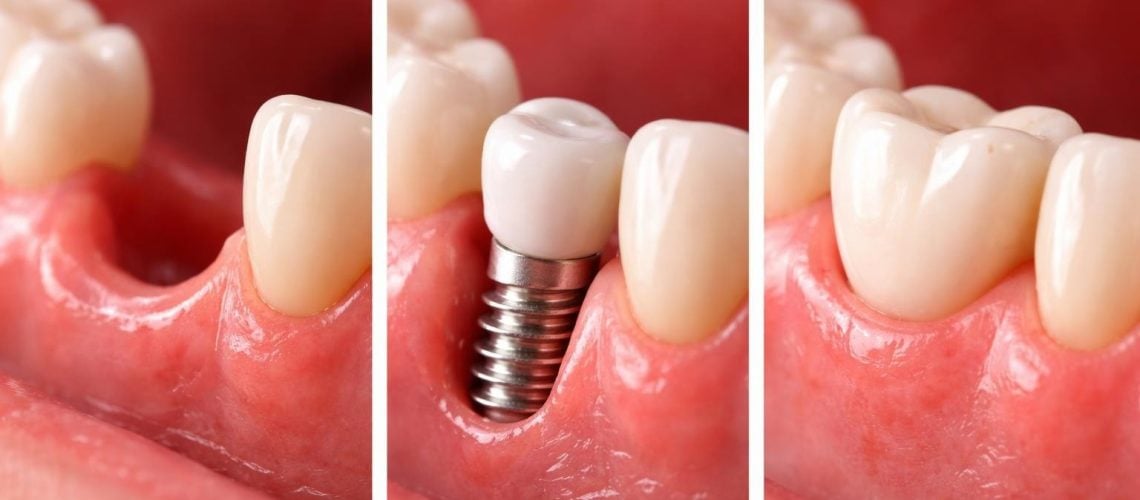
Modern dental technology continues to evolve, offering patients more choices when restoring missing teeth. While titanium implants have dominated the field for decades, zirconia dental implants have emerged as a compelling alternative that addresses specific patient concerns about metal sensitivities, aesthetics, and biocompatibility. This comprehensive guide explores everything Texas families need to know about zirconia dental implants, from their unique properties and success rates to costs and candidacy considerations. Whether you’re exploring options at Dental Plus Clinic or researching replacement solutions for yourself or a family member, understanding this metal-free alternative can help you make an informed decision about your oral health.
Understanding Zirconia Dental Implants and Their Composition
Zirconia dental implants represent a significant advancement in restorative dentistry, utilizing zirconium dioxide ceramic rather than traditional titanium materials. This white, biocompatible material offers a metal-free solution for patients seeking tooth replacement options that align with their health preferences and aesthetic goals.
What Makes Zirconia Different From Traditional Implants
The fundamental distinction lies in material composition. Zirconia implants are crafted from yttria-stabilized tetragonal zirconia polycrystal (Y-TZP), a high-performance ceramic with exceptional strength and durability. This material has been used successfully in orthopedic hip replacements since the 1960s, demonstrating long-term biocompatibility within the human body.
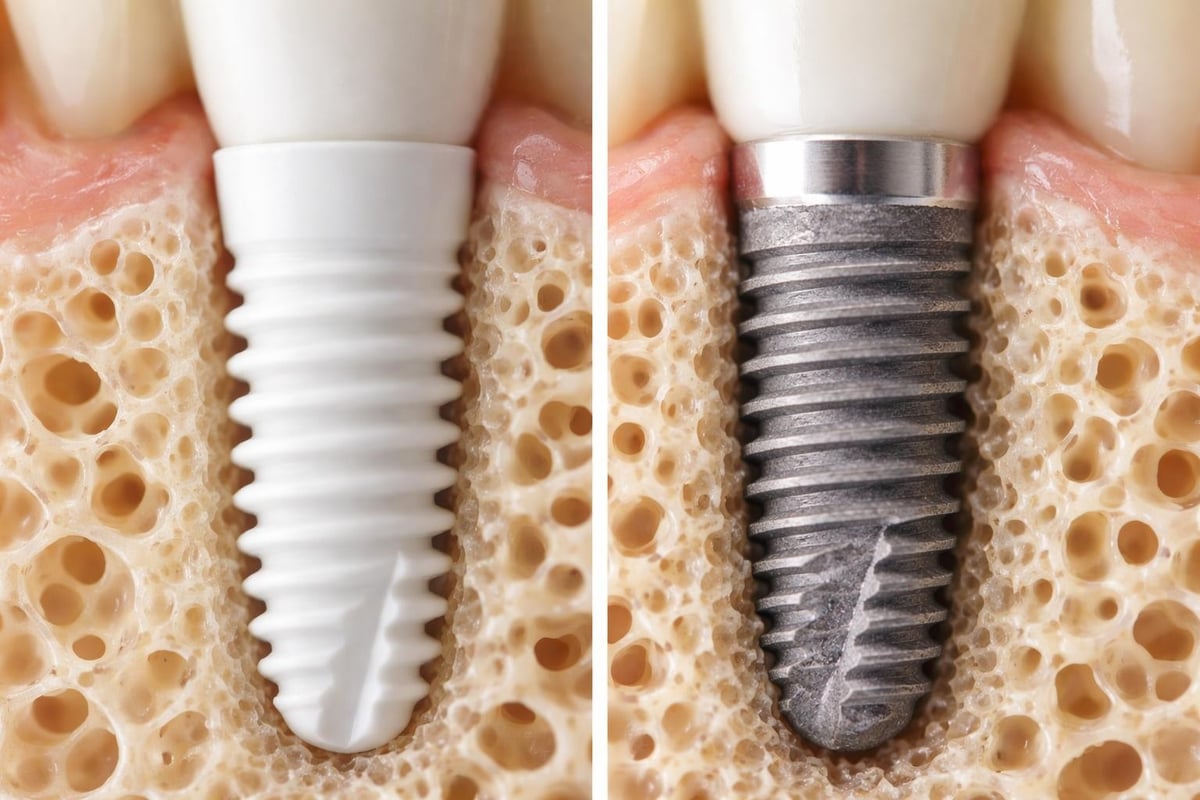
Unlike titanium implants that feature a gray metallic color, zirconia implants maintain a natural white appearance that closely resembles natural tooth structure. This characteristic becomes particularly important in the anterior region where thin gum tissue might reveal dark shadows from metal implants.
Key advantages of zirconia composition include:
- Excellent resistance to corrosion and degradation
- High fracture strength exceeding 900 MPa
- Thermal properties similar to natural tooth enamel
- Lower thermal conductivity compared to metal alternatives
- Reduced plaque accumulation on smooth ceramic surfaces
The Science Behind Osseointegration
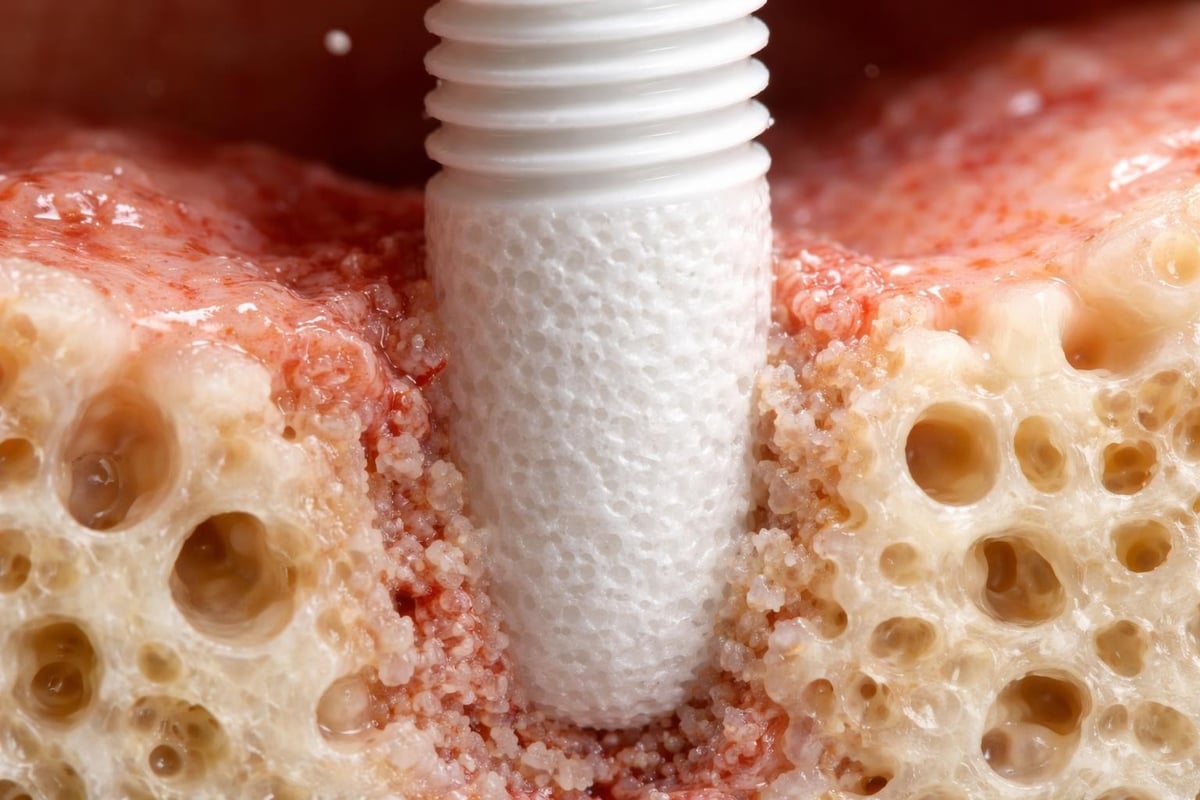
According to research on zirconia as a biomaterial, these ceramic implants achieve successful integration with jawbone through direct bone-to-implant contact. The osseointegration process occurs as osteoblasts (bone-forming cells) attach to the zirconia surface, gradually creating a stable foundation for the prosthetic tooth.
Studies indicate that zirconia surfaces demonstrate favorable cellular responses. The material’s biocompatibility encourages bone growth while minimizing inflammatory reactions that can compromise implant success. The hydrophilic nature of modern zirconia surfaces further enhances protein adhesion and cellular attachment during the critical healing phase.
Benefits of Choosing Zirconia Dental Implants
Texas families considering tooth replacement options often want to understand the specific advantages that zirconia dental implants offer compared to conventional alternatives. These benefits extend beyond aesthetics to encompass health, functionality, and long-term performance.
Superior Aesthetic Outcomes
One of the most compelling reasons patients choose zirconia dental implants involves the exceptional cosmetic results they deliver. The white ceramic color eliminates the risk of gray shadows showing through gum tissue, particularly important for individuals with thin or receding gums.
When restoring front teeth, this aesthetic advantage becomes crucial. Traditional titanium implants can create visible dark lines at the gum margin, especially as gum tissue naturally recedes over time. Zirconia implants maintain their natural appearance regardless of soft tissue changes.
Metal-Free Solution for Sensitive Patients
Approximately 10-15% of the population experiences some degree of metal sensitivity or allergy. For these individuals, zirconia dental implants provide a hypoallergenic alternative that eliminates concerns about adverse reactions to titanium or other metals.
Patient populations who particularly benefit from metal-free implants:
- Individuals with documented titanium sensitivities
- Patients seeking biocompatible restoration options
- Those following holistic or integrative health approaches
- People with multiple metal allergies
- Patients concerned about long-term metal exposure
The International Team for Implantology consensus statement acknowledges these advantages while providing evidence-based recommendations for clinical application.
Reduced Plaque Accumulation and Improved Oral Hygiene
The smooth, non-porous surface of zirconia creates an environment less conducive to bacterial colonization. Research demonstrates that plaque adheres less readily to ceramic surfaces compared to titanium, potentially reducing the risk of peri-implantitis (inflammation around the implant).
This characteristic offers particular value for patients who struggle with optimal oral hygiene maintenance or have a history of periodontal disease. The reduced bacterial affinity helps maintain healthier soft tissue around the implant site.
| Benefit Category | Zirconia Advantage | Clinical Significance |
|---|---|---|
| Aesthetics | Natural white color | No gum line shadows |
| Biocompatibility | Hypoallergenic ceramic | Suitable for sensitive patients |
| Tissue Response | Lower plaque affinity | Reduced inflammation risk |
| Corrosion | Zero metal corrosion | Stable long-term performance |
| Temperature | Low thermal conductivity | Increased comfort with hot/cold |
Single-Piece Design Benefits
Many zirconia dental implants feature a one-piece construction where the implant body and abutment form a single unit. This monolithic design eliminates the micro-gap present in two-piece titanium systems, where bacteria can accumulate at the implant-abutment junction.
The seamless structure provides additional benefits including reduced mechanical complications, simplified surgical protocols, and potentially faster healing times. However, this design also limits flexibility in angling the final restoration, making case selection important.
Comparing Success Rates and Clinical Performance
When investing in tooth replacement, understanding long-term success rates helps families make informed decisions. The clinical performance of zirconia dental implants continues to improve as manufacturing processes advance and surgical protocols become refined.
Current Survival Rate Data
A systematic review and meta-analysis examining five-year outcomes of zirconia dental implants reported survival rates ranging from 92% to 98%, depending on implant design and surface treatment. While these figures show promising results, they remain slightly below the 97-99% success rates typically reported for titanium implants with decades of clinical data.
The relatively shorter track record of zirconia technology means fewer long-term studies exist beyond the ten-year mark. However, ongoing research continues to demonstrate improving outcomes as second and third-generation zirconia implants address earlier design limitations.
Factors Influencing Implant Success
Several variables affect whether a zirconia dental implant achieves successful osseointegration and long-term stability:
- Implant surface treatment – Modern surface modifications enhance bone integration
- Surgical technique – Proper drilling protocols prevent material fracture
- Bone quality and quantity – Adequate bone density supports ceramic implants
- Patient health factors – Systemic conditions affect healing capacity
- Loading protocols – Immediate versus delayed loading affects outcomes
- Implant design – One-piece versus two-piece configurations show different results
The clinical and radiographic outcomes research from the International Team for Implantology provides comprehensive analysis of these contributing factors.
Comparing Zirconia to Titanium Performance
When families evaluate dental implant options in Texas, they often want direct comparisons between materials. Both zirconia and titanium demonstrate excellent biocompatibility and integration with bone tissue, though some performance differences exist.
Comparative Performance Metrics:
| Performance Factor | Zirconia Implants | Titanium Implants |
|---|---|---|
| 5-Year Survival Rate | 92-98% | 97-99% |
| Fracture Resistance | High (with proper design) | Excellent |
| Osseointegration Time | 3-6 months | 3-6 months |
| Aesthetic Outcome | Superior (white) | Good (with modifications) |
| Clinical Track Record | 15-20 years | 50+ years |
| Research Volume | Moderate | Extensive |
Titanium benefits from five decades of clinical documentation and refinement, while zirconia represents emerging technology with rapidly expanding evidence base. Both materials successfully restore function when appropriately selected and placed.
The Zirconia Dental Implant Procedure Process
Understanding what to expect during the implant journey helps Texas families prepare mentally and practically for treatment. The procedure for placing zirconia dental implants follows similar protocols to titanium placement with some material-specific modifications.
Initial Consultation and Treatment Planning
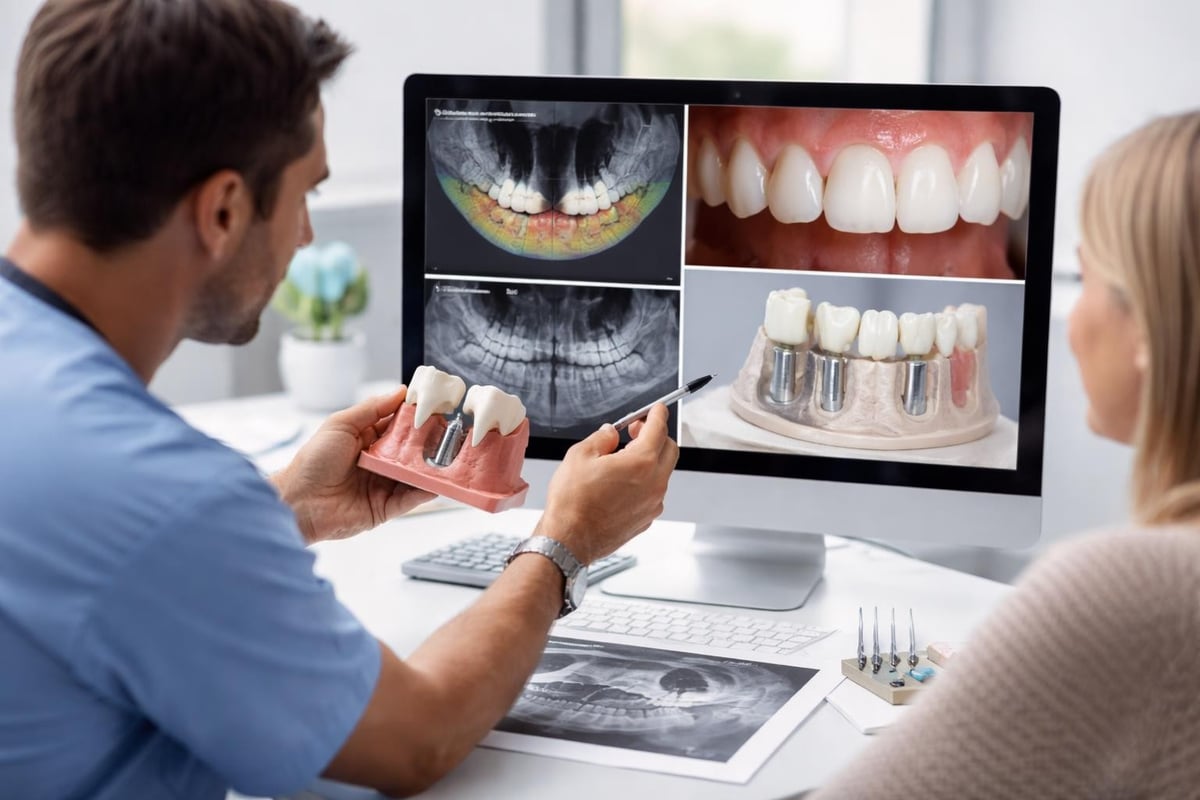
Your journey begins with a comprehensive evaluation at locations such as Dental Plus Clinic in New Braunfels where dental professionals assess your candidacy through clinical examination and diagnostic imaging. Advanced 3D cone beam CT scans provide detailed information about bone quality, quantity, and anatomical structures.
During this consultation phase, your dental team will:
- Evaluate your medical and dental history
- Assess bone density and gum tissue health
- Discuss aesthetic expectations and functional goals
- Review material options and their specific benefits
- Create a customized treatment timeline
- Provide detailed cost estimates and financing options
Surgical Placement Stage
The actual implant placement typically occurs under local anesthesia, though sedation options are available for anxious patients. For zirconia implants, surgical precision becomes particularly important as the ceramic material requires specific drilling protocols to prevent micro-fractures.
Step-by-step placement process:
- Site preparation – The surgical area is thoroughly cleaned and anesthetized
- Precise osteotomy – Bone is carefully prepared using specialized drill sequences
- Implant insertion – The zirconia implant is placed at the predetermined depth and angle
- Primary stability verification – Torque values confirm adequate initial stability
- Soft tissue management – Gums are positioned to optimize healing
- Temporary restoration – Depending on protocol, immediate or delayed loading occurs
Most one-piece zirconia dental implants allow for immediate temporization, meaning patients leave with a functional tooth the same day. This approach reduces treatment time and provides immediate aesthetic benefits.
Healing and Osseointegration Period
Following placement, the critical osseointegration phase begins as bone cells grow onto the implant surface. This process typically requires three to six months for complete integration, though individual healing rates vary based on factors like bone quality, patient age, and overall health status.
During healing, patients should maintain excellent oral hygiene around the implant site while avoiding excessive pressure on the restoration. Regular follow-up appointments allow your dental team to monitor integration progress and address any concerns promptly.
Final Restoration Delivery
Once osseointegration is confirmed through clinical examination and radiographic assessment, the permanent crown is fabricated and attached. For one-piece zirconia systems, this involves cementing the final restoration directly to the implant abutment. Two-piece systems allow for screw-retained or cement-retained options.
The final restoration is custom-designed to match surrounding teeth in color, shape, and translucency, creating seamless aesthetic integration with your natural smile.
Cost Considerations and Investment Value
Financial planning represents an important aspect of dental implant treatment. Understanding the costs associated with zirconia dental implants helps Texas families budget appropriately and explore available payment options.
Price Range for Zirconia Implants
Zirconia dental implants typically cost between $3,000 and $6,000 per tooth, including the implant placement, abutment, and crown restoration. This range reflects several variables including geographic location, practitioner experience, complexity of the case, and whether additional procedures like bone grafting are required.
The price point generally runs 20-40% higher than conventional titanium implants, reflecting the specialized materials, manufacturing processes, and technical expertise required for successful placement. However, many patients consider the aesthetic and biocompatibility benefits worth the additional investment.
Factors affecting total treatment cost:
- Number of implants needed
- Preliminary procedures (extractions, bone grafts, sinus lifts)
- Type of restoration (crown, bridge, denture)
- Sedation preferences
- Geographic location and practice overhead
- Implant manufacturer and system selected
Insurance Coverage and Financing Options
Dental insurance coverage for implants varies significantly between plans. While some policies provide partial coverage treating implants as a major procedure, others exclude them entirely. Many plans cover the crown portion while considering the surgical placement cosmetic.
Dental Plus Clinic offers flexible payment solutions to make advanced implant treatment accessible for Texas families. Many patients utilize:
- In-house payment plans with manageable monthly installments
- Healthcare financing through specialized lenders
- Health savings accounts (HSA) or flexible spending accounts (FSA)
- Discount programs that reduce treatment costs
- Seasonal promotional offers on implant services
The savings plan options at participating locations provide additional affordability for patients without traditional insurance coverage.
Long-Term Value Perspective
When evaluating costs, consider the longevity and functionality that dental implants provide. Unlike bridges that require modification of adjacent healthy teeth or dentures that need regular replacement, properly maintained implants can last 20-30 years or longer.
| Treatment Option | Average Lifespan | Replacement Cycles (30 Years) | Long-Term Cost Factor |
|---|---|---|---|
| Zirconia Implant | 25-30+ years | 0-1 times | Lowest |
| Titanium Implant | 25-30+ years | 0-1 times | Lowest |
| Dental Bridge | 10-15 years | 2-3 times | Moderate |
| Removable Denture | 5-7 years | 4-6 times | Highest |
This perspective demonstrates that while the initial investment may be higher, the per-year cost of dental implants often proves more economical than alternatives requiring frequent replacement.
Candidacy Requirements and Contraindications
Not every patient qualifies as an ideal candidate for zirconia dental implants. Understanding eligibility criteria helps set realistic expectations and guides appropriate treatment planning.
Ideal Candidate Characteristics
The best candidates for zirconia dental implants possess several favorable attributes that support successful outcomes:
- Adequate bone volume – Sufficient height and width to support the implant diameter
- Good bone density – Quality bone tissue promotes strong osseointegration
- Healthy gum tissue – Non-inflamed soft tissue supports healing
- Controlled systemic health – Well-managed chronic conditions
- Non-smoking status – Tobacco use significantly impairs healing
- Realistic expectations – Understanding of process and outcomes
- Commitment to oral hygiene – Willingness to maintain excellent home care
Patients with thin gingival biotypes or high smile lines particularly benefit from the aesthetic advantages of zirconia dental implants. The white ceramic eliminates concerns about visible metal showing through translucent tissue.
Situations Requiring Additional Evaluation
Certain conditions don’t automatically disqualify patients but require careful assessment and possible modification of treatment approach:
Health factors needing consideration:
- Uncontrolled diabetes with poor glucose regulation
- Active periodontal disease requiring pre-treatment
- History of radiation therapy to the jaw area
- Bisphosphonate medications for osteoporosis
- Autoimmune disorders affecting healing
- Heavy bruxism (teeth grinding) patterns
- Insufficient bone requiring grafting procedures
Your dental team evaluates these factors individually, often collaborating with medical providers to optimize conditions before proceeding with implant placement. In some cases, preparatory treatments like periodontal therapy or bone augmentation may be recommended first.
Contraindications for Zirconia Implants
Specific situations may make alternative treatments more appropriate:
- Severe bruxism – Excessive grinding forces may fracture ceramic implants
- Insufficient bone with complex anatomy – May require titanium’s flexibility
- Need for angled abutments – One-piece zirconia limits angulation options
- Pediatric patients – Growing jaws require complete skeletal maturity
- Active oral infections – Must be resolved before implant surgery
The assessment process at Dental Plus Clinic locations includes thorough evaluation of these factors to determine whether zirconia implants represent the optimal solution for your specific situation.
Maintaining Your Zirconia Dental Implants
Long-term success of zirconia dental implants depends significantly on proper maintenance and oral hygiene practices. While the ceramic material resists corrosion and plaque accumulation, the surrounding soft tissue requires diligent care to remain healthy.
Daily Home Care Protocols
Establishing effective daily hygiene routines protects your investment and prevents complications:
Essential home care practices:
- Brush twice daily using a soft-bristled toothbrush
- Use low-abrasive toothpaste to avoid scratching ceramic surfaces
- Floss carefully around implant restorations daily
- Consider interdental brushes for hard-to-reach areas
- Use antimicrobial mouth rinse to reduce bacterial load
- Avoid extremely hard foods that could damage restorations
The smooth surface of zirconia naturally resists bacterial adhesion, but the junction between the implant and gum tissue still requires attention to prevent inflammation. Water flossers can effectively clean around implant restorations without risking damage to soft tissue.
Professional Maintenance Schedule
Regular professional care complements home hygiene efforts. Most patients benefit from professional cleanings every six months, though some situations warrant more frequent visits:
- Patients with history of periodontal disease: Every 3-4 months
- Smokers or former smokers: Every 3-4 months
- Those with multiple implants: Every 4-6 months
- Low-risk patients with excellent hygiene: Every 6 months
During maintenance appointments, dental professionals use specialized instruments designed specifically for implant surfaces. Plastic or carbon fiber scalers prevent scratching the ceramic material while effectively removing deposits.
Monitoring for Potential Complications
While complications remain relatively uncommon, awareness of warning signs enables early intervention:
Symptoms requiring immediate evaluation:
- Persistent pain or discomfort around the implant
- Swelling or redness of surrounding gum tissue
- Bleeding when brushing or flossing the area
- Looseness or movement of the restoration
- Unusual taste or odor from the implant site
- Visible recession of gum tissue
Regular dental examinations, including periodic radiographs, allow early detection of issues like bone loss or restoration problems. The comprehensive care approach at Dental Plus Clinic ensures ongoing monitoring of implant health.
Lifestyle Factors Supporting Longevity
Beyond direct oral care, broader lifestyle choices influence implant success:
- Tobacco cessation – Smoking doubles the risk of implant failure
- Nutritional support – Adequate vitamin D and calcium support bone health
- Stress management – Reduces unconscious clenching and grinding
- Regular exercise – Promotes overall health and healing capacity
- Blood sugar control – Particularly important for diabetic patients
Addressing Common Concerns and Misconceptions
Texas families researching tooth replacement options often encounter conflicting information about zirconia dental implants. Clarifying common questions and concerns helps patients make confident decisions.
“Are Zirconia Implants Strong Enough to Last?”
This represents one of the most frequent concerns patients express. Modern zirconia dental implants demonstrate exceptional strength, with flexural strength exceeding 900 MPa. Research on osseointegration and mechanical strength confirms that properly designed ceramic implants withstand normal masticatory forces effectively.
Early-generation zirconia implants did experience higher fracture rates, but contemporary designs with modified surface treatments and improved manufacturing processes have largely eliminated this concern. The key involves appropriate case selection, avoiding placement in patients with severe bruxism or extreme bite forces.
“Why Don’t All Dentists Offer Zirconia Implants?”
The availability of zirconia options varies between practices for several reasons:
- Specialized training requirements for ceramic implant placement
- Different surgical protocols compared to titanium systems
- Investment in specific instrumentation and inventory
- Practice philosophy regarding emerging technologies
- Manufacturer relationships and product availability
Not all clinical situations benefit equally from zirconia technology. Experienced implant dentists select materials based on individual case requirements rather than universal application of any single option.
“Will My Insurance Cover Zirconia Implants?”
Insurance coverage varies significantly, but most policies that provide implant benefits don’t differentiate between materials. The determining factors typically involve:
- Whether your policy includes implant coverage at all
- Medical necessity versus cosmetic classification
- Annual maximum benefit limits
- Waiting periods for major procedures
- In-network versus out-of-network provider status
Contact your insurance provider directly for specific coverage information, and request a pre-treatment estimate for the proposed treatment plan. The administrative team at locations like Dental Plus Clinic in Leander can assist with insurance verification and claims processing.
“How Do Zirconia Implants Compare to All-on-4?”
Some confusion exists about whether these represent alternative approaches or compatible options. The All-on-4 implant system describes a treatment technique using four strategically placed implants to support a full arch of teeth, while zirconia refers to the implant material itself.
All-on-4 restorations can theoretically utilize either titanium or zirconia implants, though the technique was developed and extensively researched using titanium. The angled placement required for posterior implants in the All-on-4 concept currently works better with two-piece titanium systems offering flexible abutment options.
Frequently Asked Questions About Zirconia Dental Implants
How long do zirconia dental implants last?
With proper care and maintenance, zirconia dental implants can last 20-30 years or longer. Success depends on factors including bone quality, oral hygiene, regular professional care, and avoiding excessive forces. Current research shows five-year survival rates between 92-98%, with ongoing studies tracking longer-term outcomes as the technology matures.
Can zirconia implants be placed immediately after tooth extraction?
Yes, immediate placement of zirconia dental implants following extraction is possible in many cases. Success requires adequate bone support, absence of active infection, and sufficient primary stability at placement. One-piece zirconia designs particularly lend themselves to immediate placement protocols, often allowing same-day temporary restoration.
Do zirconia implants set off metal detectors?
No, zirconia dental implants will not trigger metal detectors at airports or other security checkpoints. The ceramic material contains no metallic components, making it completely undetectable by magnetometers and other metal-sensing equipment.
Are zirconia implants suitable for molars?
Zirconia dental implants can successfully replace molars in many patients, though case selection becomes important. The higher chewing forces in the posterior region require careful evaluation of bone quality and patient bite patterns. Patients with heavy grinding or clenching habits may benefit more from titanium’s slight flexibility in high-stress areas.
How soon can I eat normally after getting zirconia implants?
Most patients can resume normal eating within a few days to one week after placement, though specific timelines depend on the number of implants placed and whether immediate or delayed loading protocols were used. Start with soft foods and gradually reintroduce firmer textures as healing progresses. Your dental team provides personalized dietary guidelines based on your specific treatment.
What happens if a zirconia implant fails?
If a zirconia dental implant fails to integrate or develops complications, it can typically be removed and replaced after an appropriate healing period. The removal process differs slightly from titanium due to the material’s brittleness, sometimes requiring more bone preservation techniques. Once the site heals completely, implant replacement can usually proceed successfully, potentially using alternative materials or modified placement techniques.
Can I get an MRI with zirconia dental implants?
Yes, zirconia dental implants are completely MRI-compatible and cause no interference with magnetic resonance imaging. Unlike titanium, which can create minor artifacts in scans, ceramic materials produce no distortion, making them ideal for patients who may require frequent MRI procedures.
Are there any foods I need to avoid permanently with zirconia implants?
While zirconia dental implants restore full chewing function same as full mouth dental implants, avoiding extremely hard foods helps protect both the implant and the restoration. Ice chewing, hard candy, popcorn kernels, and similar items can potentially damage the crown or, in rare cases, fracture the ceramic implant body. Most normal dietary choices pose no risk when eaten with reasonable care.
How much pain should I expect after zirconia implant surgery?
Most patients report minimal to moderate discomfort following implant placement, typically manageable with over-the-counter pain medication. The surgical trauma for a single implant placement is often less than that of a tooth extraction. Swelling and minor bruising may occur but generally resolve within 3-7 days. Your dental team provides pain management protocols tailored to your procedure’s extent.
Can zirconia implants support bridges or dentures?
Yes, multiple zirconia dental implants can successfully support fixed bridges or implant-retained dentures. The number of implants required depends on the span being restored and the expected functional demands. However, the one-piece design of many zirconia systems may limit flexibility in complex prosthetic scenarios compared to two-piece titanium alternatives.
Making Your Decision: Is Zirconia Right for You?
Choosing between dental implant materials represents an important decision that affects both immediate results and long-term outcomes. Several considerations can guide your choice toward the most affordable option for your unique situation.
When Zirconia Offers Clear Advantages
Certain patient profiles benefit particularly from zirconia dental implants:
Optimal scenarios for choosing zirconia:
- Front teeth replacement where aesthetics are paramount
- Documented metal sensitivities or allergies
- Thin gum tissue that might reveal metal shadows
- Personal preference for biocompatible, metal-free materials
- High smile line exposing implant margins
- Holistic health philosophy prioritizing natural materials
For these patients, the benefits of zirconia dental implants often outweigh any theoretical advantages of titanium’s longer track record. The aesthetic and biocompatibility features deliver tangible value that enhances treatment satisfaction.
When Traditional Titanium Might Be Preferable
Conversely, some situations favor conventional titanium implants:
- Complex cases requiring angled abutments for proper prosthetic positioning
- Posterior teeth in patients with heavy bite forces or bruxism
- Situations where maximum flexibility in restoration options is needed
- Patients prioritizing the longest available research track record
- Cases where budget considerations significantly influence material selection
- Multiple implant cases where titanium’s cost advantage becomes substantial
The decision doesn’t necessarily involve choosing the “best” material universally, but rather identifying the most appropriate option for your specific clinical situation, aesthetic goals, and value priorities.
Consulting With Experienced Implant Specialists
The expertise of your dental team significantly influences treatment outcomes. When exploring dental implant options versus dentures, working with professionals experienced in both materials ensures you receive objective guidance based on clinical evidence rather than inventory preferences.
Questions to ask during your consultation include:
- How many zirconia implants have you personally placed?
- What success rates do you achieve with ceramic versus titanium?
- Which specific zirconia system do you use and why?
- How do you determine material selection for individual cases?
- What happens if complications occur during or after treatment?
Comprehensive evaluation at facilities like Dental Plus Clinic in Seguin includes discussing all viable options, explaining the rationale behind recommendations, and ensuring you feel confident in your treatment choice.
Taking the Next Step Toward Restoration
Once you understand the benefits, limitations, and investment required for zirconia dental implants, scheduling a personalized consultation represents the logical next step. During this appointment, your dental team will:
- Perform comprehensive examination and diagnostic imaging
- Assess your specific candidacy for zirconia implants
- Discuss timeline expectations and treatment phases
- Provide detailed cost breakdown and payment options
- Answer remaining questions about the process
- Create a customized treatment plan addressing your goals
The decision to restore missing teeth with dental implants represents an investment in your health, function, and confidence. Whether zirconia or titanium ultimately proves most appropriate for your situation, the restoration of complete oral function and natural aesthetics transforms quality of life in meaningful ways.
Ready to explore whether zirconia dental implants are right for you? Contact the caring team at Dental Plus Clinic in Converse or any of our convenient Texas locations to schedule your comprehensive implant consultation today.
Final Thoughts
Zirconia dental implants offer a compelling metal-free alternative for tooth replacement, combining excellent aesthetics with proven biocompatibility and functional performance. While the technology continues evolving with expanding clinical evidence, current outcomes demonstrate that properly selected and placed ceramic implants deliver reliable long-term results for appropriate candidates. At Dental Plus Clinic, our experienced dental professionals provide comprehensive implant consultations across all five Texas locations in Beeville, Seguin, New Braunfels, Leander, and Converse, helping families explore all restoration options and select the approach that best meets their individual needs, goals, and preferences for lasting oral health.