
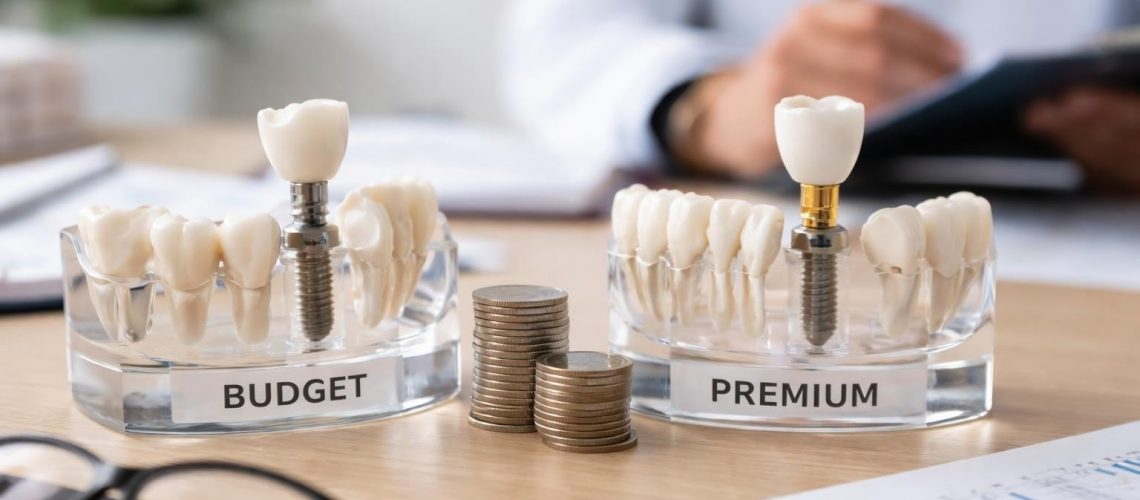
Dental implants have transformed restorative dentistry, offering permanent solutions for missing teeth that look, feel, and function like natural teeth. However, the price range for dental implants varies dramatically, from budget options advertised at $500 per tooth to premium treatments exceeding $4,000 per implant. This significant price disparity leads many patients to question whether premium implants justify their cost or if budget-friendly alternatives deliver comparable results. Understanding the distinctions between cheap vs premium dental implants requires examining material quality, manufacturing standards, clinical protocols, and long-term success rates-factors that ultimately determine both your oral health outcomes and total investment over time.
Material Quality and Manufacturing Standards
The foundation of any dental implant lies in the materials used and how they’re manufactured. Premium dental implants utilize medical-grade titanium or zirconia that meets strict international standards, while budget options may incorporate lower-grade alloys or materials from manufacturers with less rigorous quality control.
Titanium Grade and Purity Levels
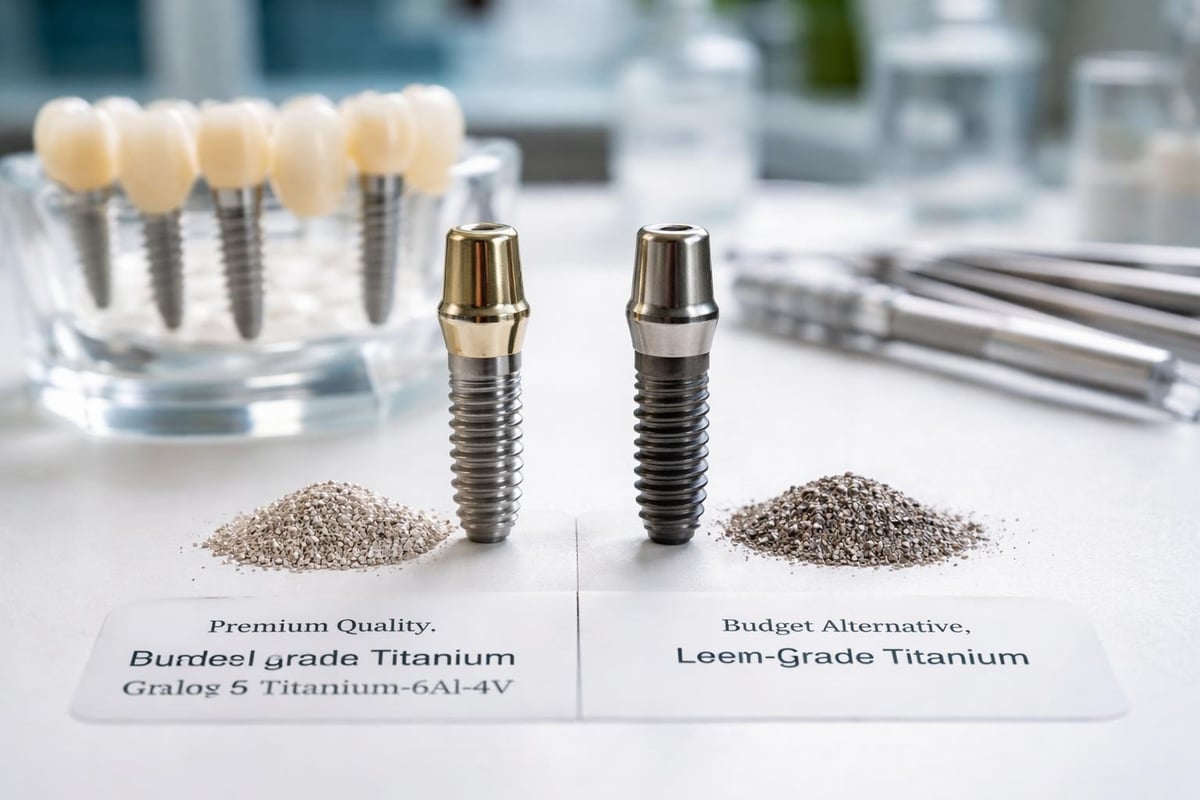
Premium dental implants typically use Grade 4 or Grade 5 titanium, which offers superior biocompatibility and osseointegration properties. These materials undergo extensive testing to ensure purity levels exceed 99%, minimizing the risk of allergic reactions or rejection. The surface treatments applied to premium titanium implants-such as acid-etching or sandblasting-create microscopic textures that encourage bone cells to attach and grow around the implant.
Budget implants often use lower-grade titanium alloys that may contain higher percentages of other metals. While these materials can still integrate with bone tissue, the use of inferior materials and manufacturing processes can compromise long-term stability and increase failure rates.
| Feature | Premium Implants | Budget Implants |
|---|---|---|
| Material Grade | Grade 4-5 Titanium | Grade 2-3 Titanium or Mixed Alloys |
| Purity Level | 99%+ | 95-98% |
| Surface Treatment | Advanced (SLA, Anodized) | Basic or None |
| Biocompatibility Testing | Extensive Clinical Trials | Limited or No Documentation |
Manufacturing Precision and Tolerances
The precision with which dental implants are manufactured directly impacts their clinical performance. Premium manufacturers invest in advanced CNC machining and quality assurance protocols that ensure each implant meets exact specifications. Thread patterns, platform dimensions, and connection geometries must align perfectly with surgical protocols and prosthetic components.
Budget manufacturers may cut costs by accepting wider manufacturing tolerances. Even minor deviations-measured in microns-can affect how the implant integrates with bone, how the crown connects to the implant, and ultimately how long the restoration lasts. Premium dental implants incorporate advanced materials and manufacturing precision that contribute to their higher cost but also their superior long-term performance.
Clinical Research and Evidence-Based Success
The distinction between cheap vs premium dental implants becomes particularly evident when examining clinical research and documented success rates. Established premium manufacturers invest millions in longitudinal studies tracking implant performance over decades.
- Premium brands publish peer-reviewed research demonstrating 95-98% success rates at 10+ years
- Budget implants often lack long-term clinical data or independent verification
- Research-backed protocols guide surgical placement and prosthetic design
- Premium systems offer extensive documentation for troubleshooting complications
FDA Approval and International Certifications
Premium dental implant systems undergo rigorous regulatory approval processes in multiple countries. FDA clearance in the United States requires extensive biocompatibility testing, clinical trials, and manufacturing inspections. Similarly, CE marking in Europe demands compliance with strict medical device regulations.
Budget implants marketed at significantly lower prices may carry FDA approval for the basic implant component while using non-approved or generic abutments and crowns. Some international manufacturers offer implants at reduced costs by avoiding the expense of comprehensive regulatory compliance in developed markets.
Patients considering budget options should verify:
- Complete FDA or equivalent regulatory approval for all components
- Published clinical studies in reputable dental journals
- Manufacturer’s history and reputation within the dental community
- Warranty coverage and documented complaint resolution processes
Comprehensive Treatment Planning and Diagnostics
The price difference between cheap and premium dental implants extends beyond the physical device to encompass the quality of treatment planning and diagnostic technology employed before surgery. Premium treatment protocols incorporate advanced imaging and computer-guided planning that improve surgical precision and long-term outcomes.
3D Imaging and Digital Planning
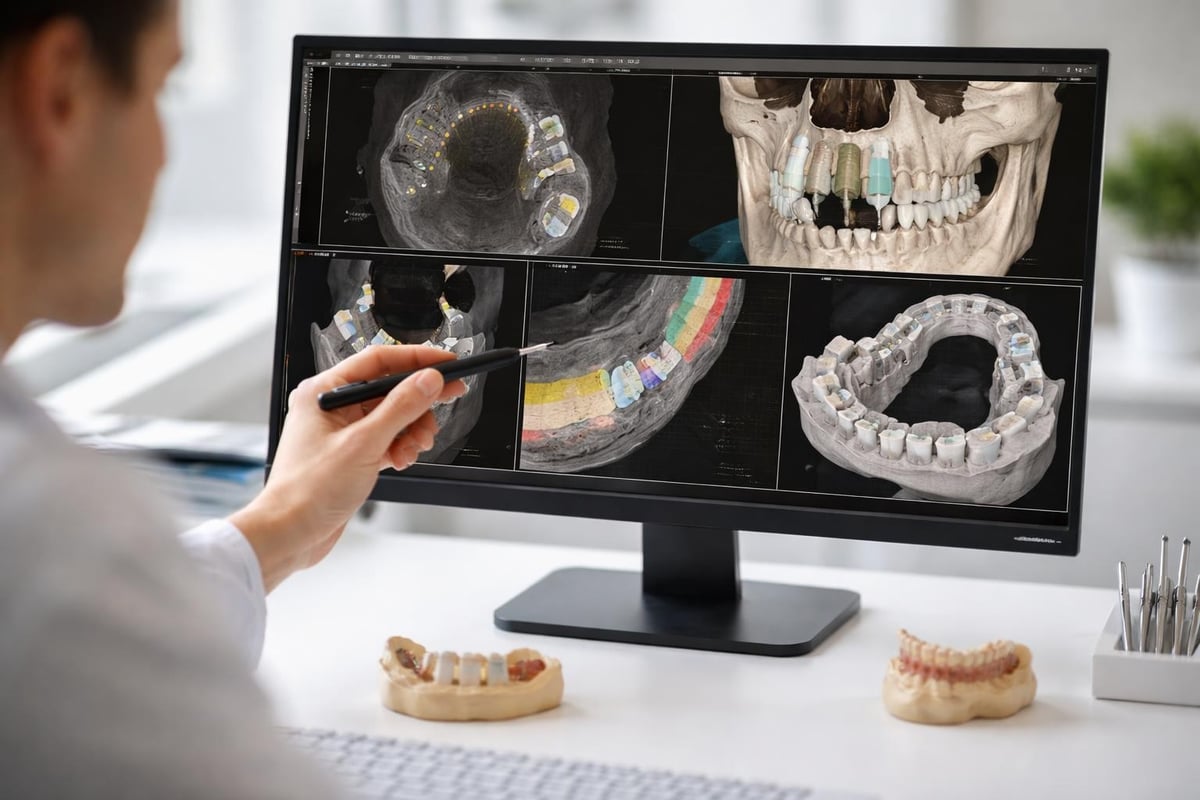
Premium dental implant treatments typically include cone beam computed tomography (CBCT) scans that create three-dimensional images of your jaw structure. This technology allows dental professionals to assess bone density, identify anatomical structures like nerves and sinuses, and plan exact implant positioning before making the first incision.
Hidden costs associated with low-cost dental implants often include the omission of advanced diagnostic imaging. Budget providers may rely on traditional two-dimensional X-rays that provide limited information, increasing the risk of complications during surgery. At Dental Plus Clinic, comprehensive diagnostic imaging forms the foundation of every implant treatment plan, ensuring optimal placement and long-term success.
| Diagnostic Component | Premium Treatment | Budget Treatment |
|---|---|---|
| CBCT 3D Scanning | Standard | Often Extra Cost or Omitted |
| Computer-Guided Surgery | Frequently Included | Rarely Available |
| Bone Density Analysis | Detailed Assessment | Basic Evaluation |
| Virtual Implant Placement | Digital Simulation | Manual Planning Only |
Surgical Expertise and Specialized Training
The surgeon’s expertise represents another critical factor in the cheap vs premium dental implants equation. Premium implant systems require specialized training and certification, ensuring that dental professionals understand the nuances of surgical protocols, bone preparation techniques, and prosthetic workflows specific to each manufacturer’s system.
Budget implant providers may offer lower prices partly because they use less experienced practitioners or dentists who perform implants as an occasional service rather than a specialty focus. The learning curve for dental implant surgery is significant, and complications often arise from inadequate surgical technique rather than implant quality alone.
Experienced implant specialists bring:
- Advanced surgical skills for complex cases requiring bone grafting or sinus lifts
- Knowledge of multiple implant systems and their appropriate applications
- Ability to manage complications should they arise during or after surgery
- Relationships with specialized laboratories for custom prosthetic components
Preparatory Procedures and Bone Quality
Successful dental implant integration depends significantly on the quality and quantity of available bone tissue. Premium treatment approaches address bone deficiencies through grafting procedures before implant placement, while budget options may skip these essential preparatory steps to reduce costs.
Bone Grafting and Site Development
When tooth loss occurs, the surrounding jawbone begins to deteriorate due to lack of stimulation. By the time many patients consider dental implants, significant bone resorption has already occurred. Premium treatment protocols include bone grafting procedures when necessary to ensure adequate bone volume and density for long-term implant stability.
Budget providers may recommend proceeding with implant placement despite marginal bone conditions, increasing the risk of implant failure. Potential risks and hidden costs associated with low-cost dental implants include the omission of necessary grafting procedures that ensure proper osseointegration.
Common preparatory procedures include:
- Socket preservation immediately after tooth extraction
- Ridge augmentation to increase bone width or height
- Sinus lift procedures for posterior maxillary implants
- Block grafts for severely deficient sites
Healing Time and Integration Protocols
Premium dental implant treatments follow evidence-based protocols for healing and osseointegration. Typically, implants require three to six months to fully integrate with bone tissue before permanent crowns can be attached. This waiting period allows the bone to grow around the implant threads, creating a stable foundation.
Some budget implant services advertise immediate loading or same-day teeth to attract price-conscious patients. While immediate loading can be appropriate for certain cases with excellent bone quality, applying this technique universally increases failure risk. Premium providers carefully evaluate each patient’s specific conditions before determining the appropriate loading protocol.
Prosthetic Components and Aesthetic Outcomes
The visible portion of a dental implant-the crown that replaces your missing tooth-significantly impacts both function and appearance. The debate between cheap vs premium dental implants extends to the quality of prosthetic components and the laboratory processes used to create them.
Custom Abutments vs Generic Components
Premium implant treatments utilize custom abutments designed specifically for each patient’s anatomy and aesthetic requirements. These titanium or zirconia connectors bridge the gap between the implant in your bone and the crown visible in your mouth, and their design influences gum tissue contours and long-term esthetics.
Budget implant packages often include generic, stock abutments that come in limited sizes and angles. While these components cost less to manufacture and inventory, they may not properly support gum tissue architecture or create natural-looking emergence profiles. The result can be gray shadows visible through thin gum tissue or unnatural-looking tooth contours.
| Component | Premium Approach | Budget Approach |
|---|---|---|
| Abutment Design | Custom CAD/CAM Fabrication | Stock Generic Components |
| Material Options | Titanium, Zirconia, Gold-Hued | Basic Titanium Only |
| Gingival Support | Anatomically Contoured | Standard Shapes |
| Crown Fabrication | High-Quality Ceramics | Economy Materials |
Laboratory Quality and Technician Expertise
Premium dental implant crowns are fabricated by master ceramists in laboratories that specialize in implant prosthetics. These facilities use advanced materials like layered porcelain or monolithic zirconia that mimic the translucency and color gradations of natural teeth. The ceramist considers factors like your adjacent teeth, bite relationship, and facial characteristics when designing the crown.
Budget providers typically outsource crown fabrication to economy laboratories-sometimes overseas-where technicians work from photographs or basic specifications without detailed customization. The resulting crowns may function adequately but often lack the aesthetic refinement and precise fit of premium restorations. For patients considering their options, understanding the differences between dental implants and other restorations helps inform treatment decisions.
Warranty Coverage and Long-Term Support
The financial commitment to dental implants extends beyond the initial placement surgery. Premium implant manufacturers and providers offer comprehensive warranty programs that protect your investment, while budget options may include limited or no coverage for complications.
Manufacturer Warranties on Implant Hardware
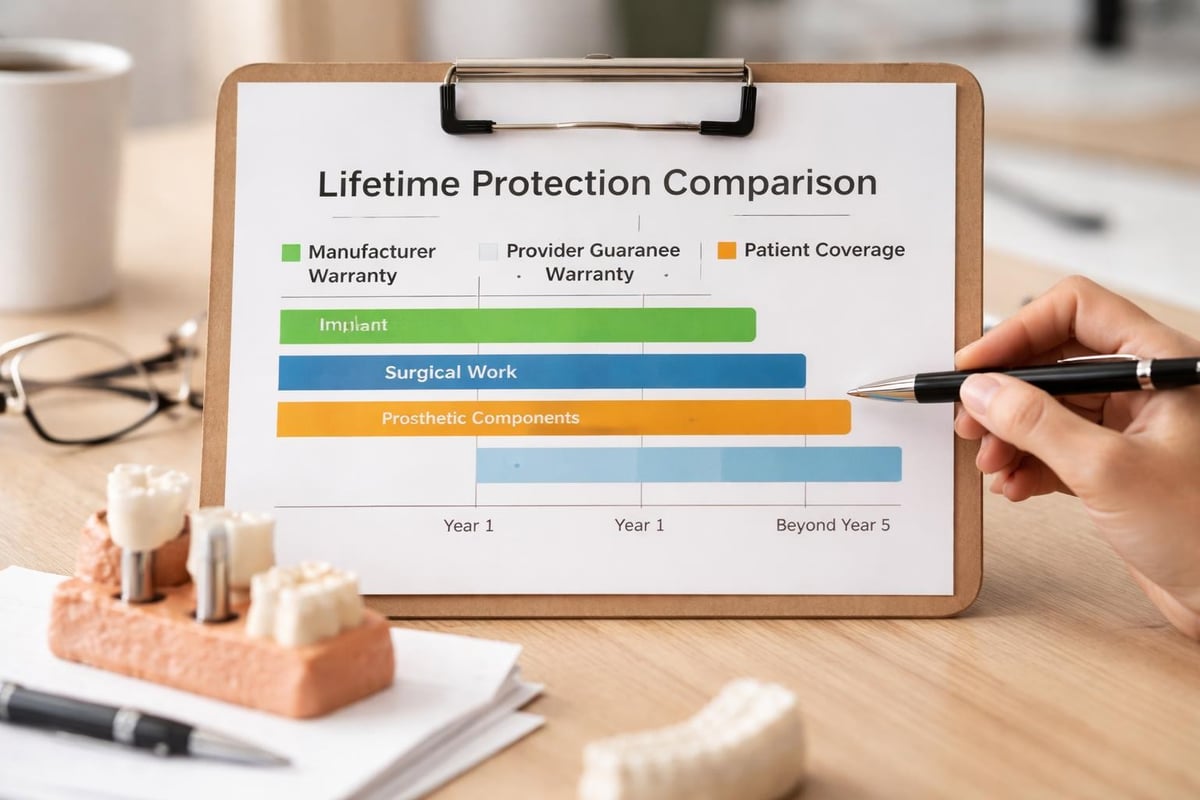
Leading dental implant manufacturers stand behind their products with lifetime warranties covering the implant fixture itself. If the titanium post fails to integrate with bone or fractures under normal use, the manufacturer replaces the implant component at no charge. This warranty transfers if you relocate and need to see a different dentist.
Budget implant systems may offer shorter warranty periods or exclude common complications from coverage. Some manufacturers based outside established regulatory frameworks provide no warranty support, leaving patients responsible for the full cost of replacement if problems occur.
Provider Guarantees on Surgical and Prosthetic Work
Beyond hardware warranties, premium dental practices often guarantee their surgical work and prosthetic restorations for specific periods. These practice-level guarantees cover complications arising from surgical technique or prosthetic design issues, providing peace of mind that problems will be addressed without additional fees.
Budget dental implant clinics may operate on thinner profit margins that make comprehensive guarantees financially impractical. Potential pitfalls of choosing inexpensive dental implants include lack of warranty coverage and limited recourse if complications develop after the initial healing period.
Total Cost Analysis Over Time
Evaluating cheap vs premium dental implants requires considering total costs over the lifespan of the restoration, not just the initial price. While premium implants carry higher upfront costs, their superior success rates and longevity often make them more economical over time.
Initial Investment Breakdown
A typical premium dental implant treatment includes multiple components, each contributing to the total investment:
- Diagnostic imaging and treatment planning: $300-$500
- Surgical implant placement: $1,500-$2,500
- Abutment fabrication: $400-$600
- Custom crown restoration: $1,200-$2,000
- Total per implant: $3,400-$5,600
Budget implant providers may advertise prices as low as $999 per tooth by unbundling services, using economy components, or omitting essential steps. However, the false economy of cheap dental implants becomes apparent when factoring in higher failure rates and replacement costs.
Long-Term Maintenance and Replacement Costs
Premium dental implants demonstrate success rates exceeding 95% at 10 years and remain functional for decades with proper care. The crown component typically requires replacement every 10-15 years due to wear and esthetic changes, but the implant itself remains permanently stable.
Budget implants with documented failure rates of 15-25% may require complete replacement within the first five years. Each failed implant necessitates:
- Removal of the failed implant fixture
- Bone grafting to repair the deficient site
- Healing period of 3-6 months
- New implant placement
- Additional crown fabrication
The cumulative cost of a failed budget implant followed by proper replacement often exceeds double the initial price of choosing a premium option from the start. For practices focused on patient outcomes like Dental Plus Clinic locations throughout Texas, recommending proven systems with documented longevity protects patients from unexpected expenses.
Provider Selection and Red Flags
Choosing where to receive dental implant treatment matters as much as the implant system selected. Distinguishing between legitimate value providers and those cutting corners requires understanding common marketing tactics and quality indicators.
Advertising Claims and Unrealistic Promises
Budget dental implant providers often use aggressive marketing featuring claims like “same-day teeth,” “pain-free guarantee,” or “lowest prices guaranteed.” While these promises attract patients, they may indicate corners being cut in diagnostics, materials, or surgical protocols.
Warning signs to consider:
- Prices significantly below market averages without clear explanation
- Pressure tactics emphasizing limited-time offers or artificial scarcity
- Inability to specify implant manufacturer or provide detailed written treatment plans
- Lack of transparency about surgeon credentials or experience levels
- No clear warranty or guarantee documentation
Credentials and Continuing Education
Premium dental implant providers invest continuously in education, maintaining certifications with major implant manufacturers and attending advanced training courses. Board certification in periodontics or oral surgery provides additional assurance of surgical expertise.
When evaluating providers, patients should verify:
- Specific training and certification in dental implant surgery
- Years of experience and number of implants placed annually
- Membership in professional organizations like the American Academy of Implant Dentistry
- Access to advanced diagnostic technology and surgical facilities
- Clear communication about treatment alternatives and realistic expectations
Advanced Treatment Options and Complex Cases
The distinction between cheap vs premium dental implants becomes particularly significant for patients requiring complex treatments beyond single-tooth replacement. Advanced procedures demand specialized expertise and premium implant systems designed for specific applications.
Full-Arch Restoration Techniques
Patients missing all teeth in an arch can choose between traditional implant-supported dentures and advanced protocols like All-on-4 or All-on-6 treatments. These techniques use strategically placed implants to support a full arch of teeth, providing stability and function superior to removable dentures.
Premium full-arch treatments incorporate:
- Computer-guided implant placement for optimal angulation and position
- High-strength titanium frameworks milled from solid blocks
- Multi-layered prosthetic teeth designed for long-term durability
- Immediate temporary teeth while permanent restorations are fabricated
Budget full-arch solutions may use fewer implants, acrylic denture bases instead of titanium frameworks, and economy teeth that wear quickly. Understanding the differences between All-on-4 and All-on-6 approaches helps patients make informed decisions about complex reconstructions.
Special Considerations for Challenging Cases
Certain clinical situations require premium implant systems and advanced surgical techniques. Patients with significant bone loss, history of periodontal disease, or systemic health conditions like diabetes benefit from the documented success rates and specialized protocols of established implant manufacturers.
Complex cases requiring premium approaches include:
- Immediate implant placement in fresh extraction sites
- Posterior maxillary implants requiring sinus augmentation
- Zygomatic implants for severely resorbed upper jaws
- Narrow-diameter implants for limited interdental spaces
Budget implant systems typically lack the range of specialized components needed for these applications. Premium and budget dental implants differ significantly in their ability to address complex clinical challenges with predictable outcomes.
Material Innovation and Technology Integration
Premium dental implant manufacturers invest heavily in research and development, introducing innovations that improve osseointegration, reduce healing time, and enhance long-term success rates. Budget manufacturers typically lag several years behind in adopting these advancements.
Surface Technology Developments
The microscopic surface characteristics of dental implants dramatically influence how quickly and completely bone cells attach during healing. Premium manufacturers have developed proprietary surface treatments that accelerate osseointegration:
- Hydrophilic surfaces that attract proteins and cells
- Nanoscale topographies that enhance bone cell differentiation
- Incorporated growth factors that stimulate bone formation
- Antimicrobial coatings that reduce infection risk
Budget implants often feature basic machined or sandblasted surfaces without these advanced modifications. While adequate for straightforward cases, basic surfaces may demonstrate lower success rates in challenging situations like poor bone quality or compromised healing capacity. For patients interested in cutting-edge solutions, exploring the latest dental implant technology reveals ongoing improvements in materials and techniques.
Digital Workflow Integration
Premium implant systems integrate seamlessly with digital dentistry workflows, enabling precise treatment planning and execution. Intraoral scanners capture digital impressions, treatment planning software simulates surgical outcomes, and CAD/CAM manufacturing produces surgical guides and prosthetic components with exceptional accuracy.
Digital advantages include:
- Elimination of uncomfortable impression materials
- Predictable visualization of final aesthetic results before surgery
- Guided surgery for minimally invasive implant placement
- Single-appointment crown delivery for certain cases
Budget providers may lack the technology infrastructure to offer these digital advantages, relying on traditional analog techniques that require more appointments and provide less predictable outcomes. Various factors influence dental implant costs, including the sophistication of technology employed throughout the treatment process.
Patient Experience and Comfort Considerations
The quality of patient care surrounding dental implant treatment extends beyond clinical outcomes to encompass communication, comfort measures, and overall experience. Premium providers typically invest more resources in patient education, anxiety management, and follow-up care.
Comprehensive Consultation and Education
Premium dental practices allocate sufficient time for thorough consultations where patients learn about their specific situation, treatment alternatives, expected timelines, and realistic outcomes. Visual aids, models, and digital simulations help patients understand the process and make informed decisions.
Budget implant clinics operating on high-volume, low-margin business models may rush consultations, leaving patients with unanswered questions and unrealistic expectations. Clear communication about the differences between available options empowers patients to choose treatments aligned with their priorities and budget constraints.
| Aspect | Premium Experience | Budget Experience |
|---|---|---|
| Consultation Time | 45-60 Minutes | 15-20 Minutes |
| Visual Documentation | 3D Scans, Digital Simulations | 2D X-rays, Basic Photos |
| Treatment Options | Multiple Alternatives Discussed | Limited Choices Presented |
| Cost Transparency | Detailed Written Estimates | Verbal Quotes, Hidden Fees |
Pain Management and Sedation Options
Dental implant surgery involves precise techniques that can be completed comfortably with appropriate anesthesia and pain management protocols. Premium providers offer sedation options ranging from nitrous oxide to IV conscious sedation, allowing anxious patients to undergo treatment in a relaxed state.
Budget clinics may limit sedation options to local anesthesia only, potentially compromising comfort for patients with dental anxiety or those requiring extensive surgical procedures. The small additional investment in sedation enhances the overall experience and can actually improve surgical outcomes by enabling patients to remain still and relaxed throughout the procedure.
Geographic Considerations and Practice Infrastructure
The location and operational structure of dental practices influence the cheap vs premium dental implants comparison. Understanding these factors helps patients evaluate whether apparent savings represent genuine value or compromised quality.
Overhead Costs and Practice Investment
Dental practices in premium locations with modern facilities, advanced equipment, and highly trained support staff necessarily charge more to cover operational expenses. These investments benefit patients through:
- State-of-the-art sterilization and infection control protocols
- Advanced diagnostic imaging equipment maintained to manufacturer specifications
- Ongoing staff training ensuring consistent, high-quality care delivery
- Comfortable patient amenities reducing treatment anxiety
Budget providers may operate in lower-cost locations with minimal amenities and older equipment. While this reduces overhead, it may also limit access to technology that improves treatment precision and patient comfort. Patients seeking implant treatment can explore options across multiple Texas locations while maintaining consistent quality standards.
Volume-Based Business Models
Some budget dental implant providers operate high-volume practices where multiple surgeons work simultaneously, moving between operatories to maximize efficiency. This assembly-line approach can reduce per-patient costs but may compromise the personalized attention and meticulous technique essential for optimal outcomes.
Premium providers typically limit daily procedure volumes, ensuring each patient receives undivided attention throughout their appointment. Surgeons personally oversee every aspect of treatment from planning through final restoration, maintaining accountability for outcomes.
Making the Right Decision for Your Situation
Choosing between cheap and premium dental implants requires honest assessment of your priorities, financial situation, and long-term oral health goals. Rather than defaulting to the lowest price, consider these factors when making your decision.
Evaluating Your Specific Needs
Patients who may benefit most from premium implants include:
- Those seeking maximum longevity and documented success rates
- Individuals with complex medical histories requiring specialized protocols
- Patients prioritizing aesthetic outcomes in highly visible smile zones
- People who want comprehensive warranty protection and long-term support
Conversely, healthy patients with straightforward cases and budget constraints might consider mid-range options from reputable manufacturers, provided the treating dentist has appropriate experience and the practice uses transparent pricing without hidden fees.
Questions to Ask Before Committing
Before proceeding with any dental implant treatment, regardless of price point, patients should obtain clear answers to these essential questions:
- What specific implant manufacturer and system will be used?
- What is the documented success rate for this system in peer-reviewed research?
- What diagnostic imaging and planning technology will be employed?
- Does the price include all components from surgery through final crown?
- What warranty coverage applies to the implant hardware and dental work?
- What is the dentist’s specific training and experience with this implant system?
- Can you provide references from patients who received similar treatment?
Transparency in answering these questions indicates a provider focused on patient outcomes rather than merely closing sales. Selecting dental implants based solely on price without considering quality factors often leads to disappointment and additional expenses over time.
Financing Options and Payment Plans
The upfront cost of premium dental implants can challenge many budgets, but several financing options make quality treatment accessible. Most dental practices offer interest-free payment plans for treatments completed within 6-12 months, and third-party healthcare financing companies provide longer-term options with competitive rates.
When considering financing, compare the total cost of financed premium implants against paying cash for budget alternatives that may require replacement within a few years. The monthly payment difference may be minimal while the long-term value differs substantially.
Financing considerations include:
- Interest-free promotional periods from healthcare credit companies
- Practice-direct payment plans with no credit check required
- FSA or HSA accounts for tax-advantaged treatment funding
- Dental insurance coverage for portions of implant treatment
The True Value Proposition
Understanding cheap vs premium dental implants ultimately comes down to recognizing that dental implants represent a long-term investment in your oral health, overall wellbeing, and quality of life. The jaw bone preservation provided by functional implants, the confidence gained from a complete smile, and the ability to eat nutritious foods without restriction provide value that extends far beyond the initial price tag.
Premium dental implants deliver this value through proven materials, documented success rates, comprehensive treatment protocols, and long-term support structures. While budget options may serve adequately in specific situations, the risk-reward calculation favors quality for most patients seeking permanent tooth replacement solutions.
The most valuable implant characteristics include:
- Biocompatible materials with extensive clinical documentation
- Precision manufacturing ensuring consistent component fit
- Comprehensive diagnostic planning using advanced imaging
- Experienced surgeons with specialized implant training
- Quality prosthetic components from skilled dental laboratories
- Transparent warranty coverage and long-term support
These elements combine to create dental implant treatments that function reliably for decades, avoiding the complications, revisions, and replacements that often plague bargain alternatives. For patients seeking trusted care with transparent pricing, researching providers who prioritize these quality markers ensures the best possible outcomes.
Final Thoughts
Choosing between cheap and premium dental implants affects not just your immediate investment but your long-term oral health and quality of life. The differences in materials, precision, expertise, and support systems clearly demonstrate why premium implants consistently deliver superior outcomes and greater value over time. At Dental Plus Clinic, our experienced team uses proven implant systems, advanced diagnostic technology, and evidence-based protocols to ensure your dental implant treatment succeeds for decades. Schedule a comprehensive consultation at Dental Plus Clinic to explore your options and receive a transparent treatment plan tailored to your specific needs and goals.