
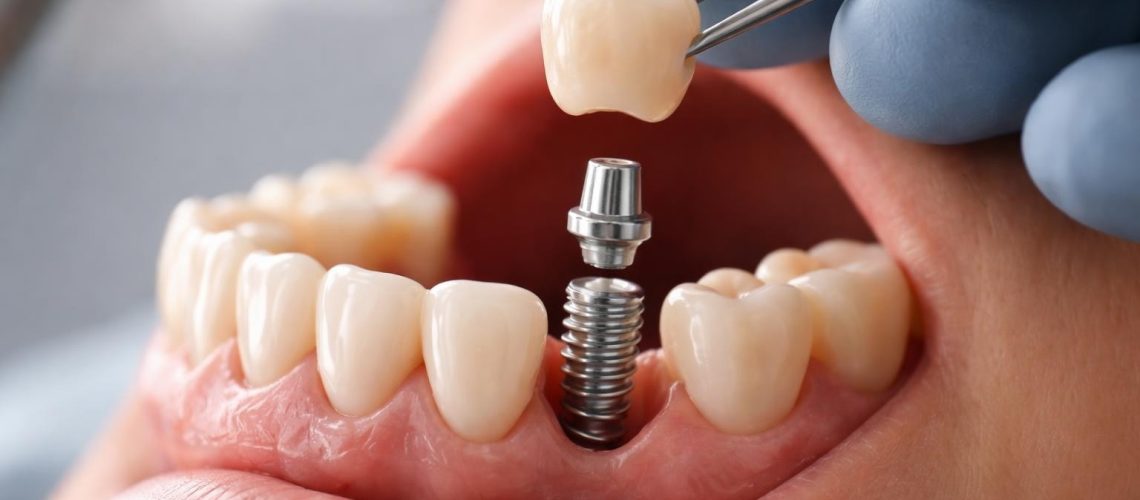
The landscape of dental restoration has transformed dramatically over recent years, with technological innovations enabling procedures that once required months to complete in just a single visit. Same-day dental implants represent one of the most significant advances in modern dentistry, offering patients the possibility of walking out of their dental appointment with a fully functional replacement tooth. For Texas residents seeking quick, effective solutions to missing teeth, understanding the safety and effectiveness of this treatment option has become increasingly important. This comprehensive guide examines the reality behind same-day dental implants, separating marketing promises from clinical facts while providing you with the information needed to make confident decisions about your oral health.
Understanding Same-Day Dental Implants
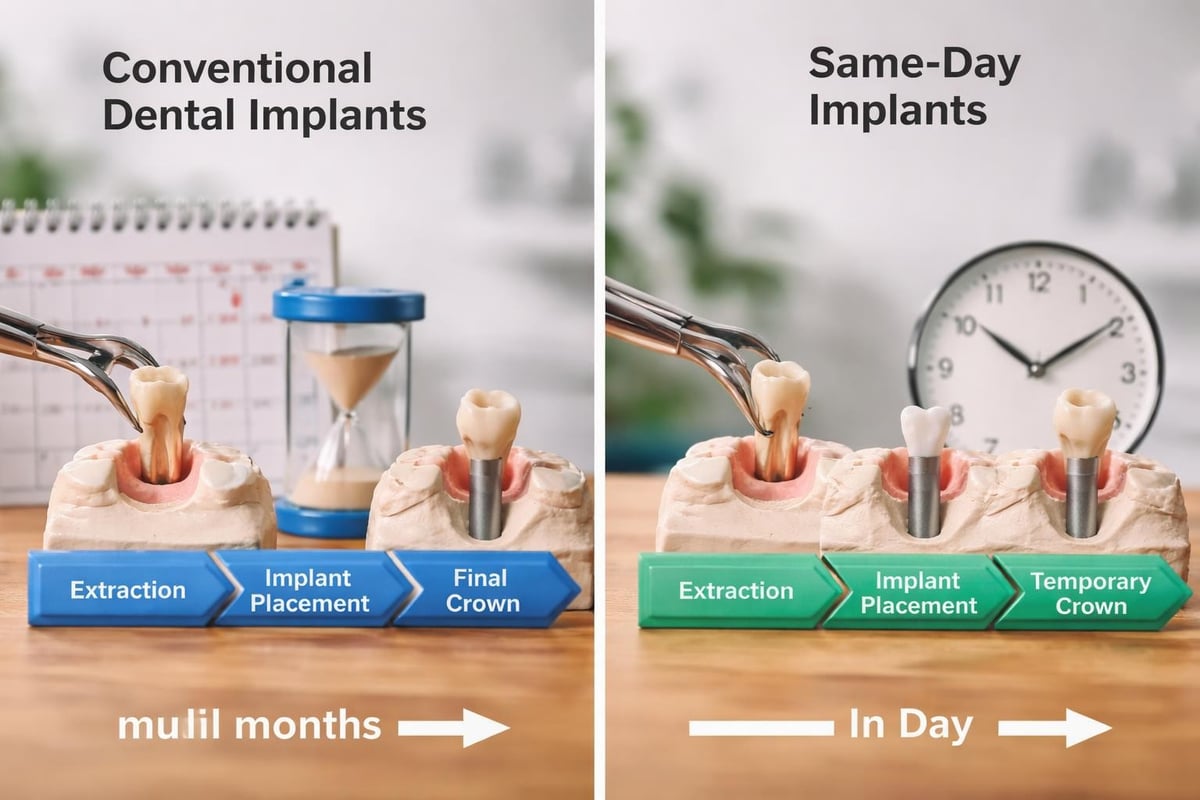
Same-day dental implants, also known as immediate load implants or teeth-in-a-day, represent a streamlined approach to tooth replacement that compresses the traditional implant timeline. Unlike conventional implant procedures that require multiple appointments spread over several months, this approach aims to place the implant post and attach a temporary restoration during a single dental visit.
The technology relies on advanced diagnostic imaging and computer-guided placement techniques. Digital scans create precise 3D models of your jaw structure, allowing dentists to plan exact implant positioning before the procedure begins. This preparation significantly reduces surgical time and improves accuracy.
The Traditional Timeline Versus Immediate Loading
Traditional dental implant procedures typically follow a staged approach. The implant post placement occurs first, followed by a healing period of three to six months called osseointegration, during which the titanium post fuses with the jawbone. Only after complete integration does the dentist attach the permanent crown.
Key differences between conventional and same-day approaches:
- Conventional implants: Multiple appointments over 3-6 months
- Same-day implants: Extraction, placement, and temporary crown in one visit
- Conventional healing: Protected healing period with no load on implant
- Same-day loading: Immediate functional and aesthetic restoration
- Conventional success rates: 95-98% documented long-term success
- Same-day success rates: 94-98% when proper patient selection criteria are met
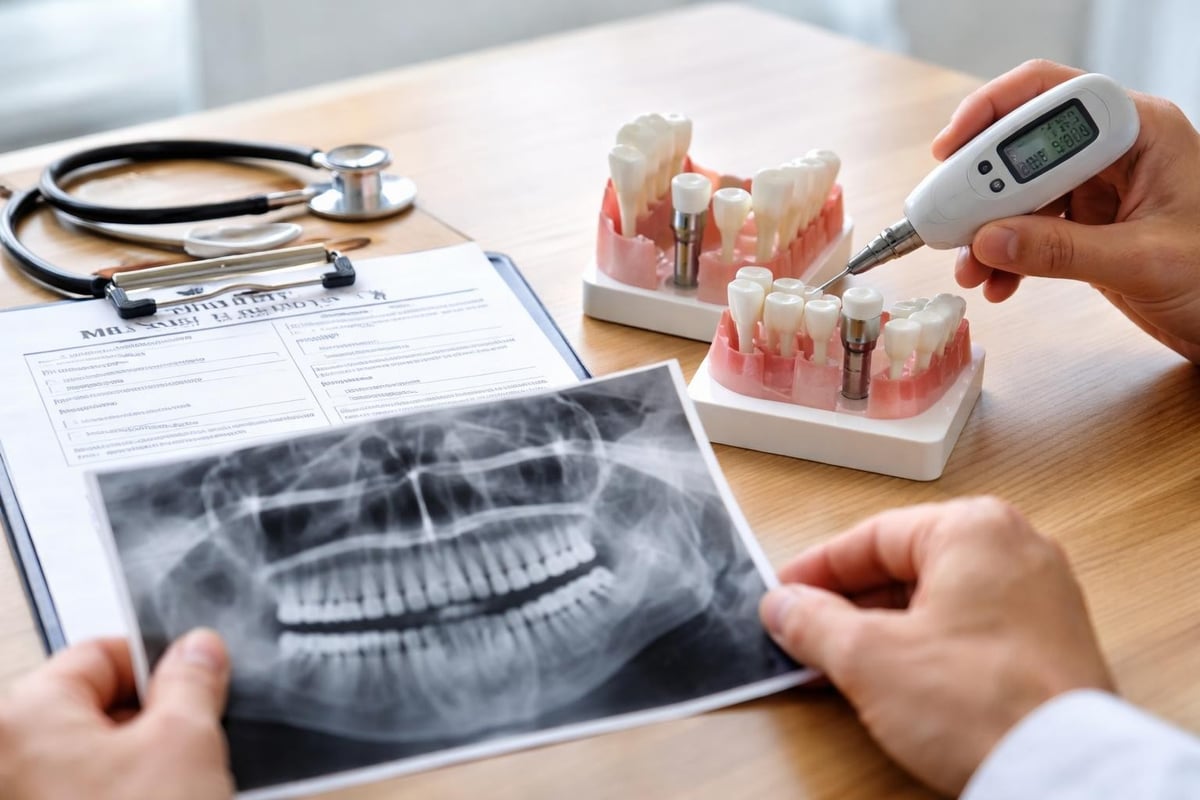
The success of immediate loading depends heavily on achieving primary stability-the mechanical interlocking between the implant and surrounding bone at the time of placement. Dentists measure this stability using torque values, with higher measurements indicating better conditions for immediate loading.
Who Qualifies for Same-Day Dental Implants
Not every patient represents an ideal candidate for same-day dental implants. The procedure requires specific anatomical and health conditions to ensure successful outcomes. Understanding these criteria helps set realistic expectations about whether this treatment option suits your particular situation.
Essential qualifying factors include:
- Adequate bone density and volume in the implant site
- Absence of active infection or severe periodontal disease
- Good overall health without conditions that impair healing
- Non-smoker status or willingness to quit during treatment
- Realistic expectations about treatment outcomes and care requirements
Bone quality plays the most critical role in determining candidacy. Dentists evaluate bone density using CT scans, measuring it on a scale from D1 (extremely dense) to D4 (very soft). Same-day implants achieve highest success rates in D1 and D2 bone, while D3 and D4 bone may require additional stabilization techniques or traditional staged approaches.
Medical Conditions That May Affect Eligibility
Certain health conditions influence healing capacity and implant integration. Your dental team at Dental Plus Clinic will conduct thorough health screenings to identify potential complications.
| Condition | Impact on Same-Day Implants | Management Options |
|---|---|---|
| Uncontrolled diabetes | Impaired healing, infection risk | Stabilize blood sugar first |
| Osteoporosis | Reduced bone density | Medication review, possible staging |
| Autoimmune disorders | Compromised healing response | Case-by-case evaluation |
| Blood clotting disorders | Surgical complications | Medical clearance required |
| Heavy smoking | Reduced success rates | Cessation programs recommended |
Medications also factor into candidacy assessments. Bisphosphonates, commonly prescribed for osteoporosis, can interfere with bone healing and increase the risk of osteonecrosis. Blood thinners may require temporary adjustment under physician guidance before proceeding with implant surgery.
Age and Lifestyle Considerations
While no upper age limit exists for dental implants, candidates must have completed jaw development, typically by age 18-21. Older patients often make excellent candidates when they maintain good general health and adequate bone structure.
Lifestyle factors significantly influence long-term success. Patients who grind their teeth (bruxism) may need protective night guards to prevent excessive force on new implants. Those engaged in contact sports should use appropriate mouth protection to safeguard their investment.
The Same-Day Dental Implant Procedure
The actual same-day implant process involves careful coordination of multiple steps compressed into a single appointment. Understanding what happens during this extended visit helps patients prepare mentally and physically for the experience.
Pre-Procedure Planning and Imaging
Successful same-day implants begin weeks before the actual surgery. Comprehensive diagnostic imaging creates the roadmap for precise implant placement. Cone beam computed tomography (CBCT) scans provide three-dimensional views of bone structure, nerve locations, and sinus cavities.
Digital impressions and photographs capture current dental anatomy. Specialized software then creates a surgical guide-a custom template that directs implant placement to exact predetermined positions. This technology dramatically improves accuracy compared to freehand placement techniques.
The planning phase also includes selecting appropriate implant sizes, angles, and restoration designs. Dental laboratories may fabricate temporary crowns in advance, ensuring they’re ready for immediate attachment after implant placement. Understanding the comprehensive dental implant procedure helps patients appreciate the precision involved.
Step-by-Step Surgical Process
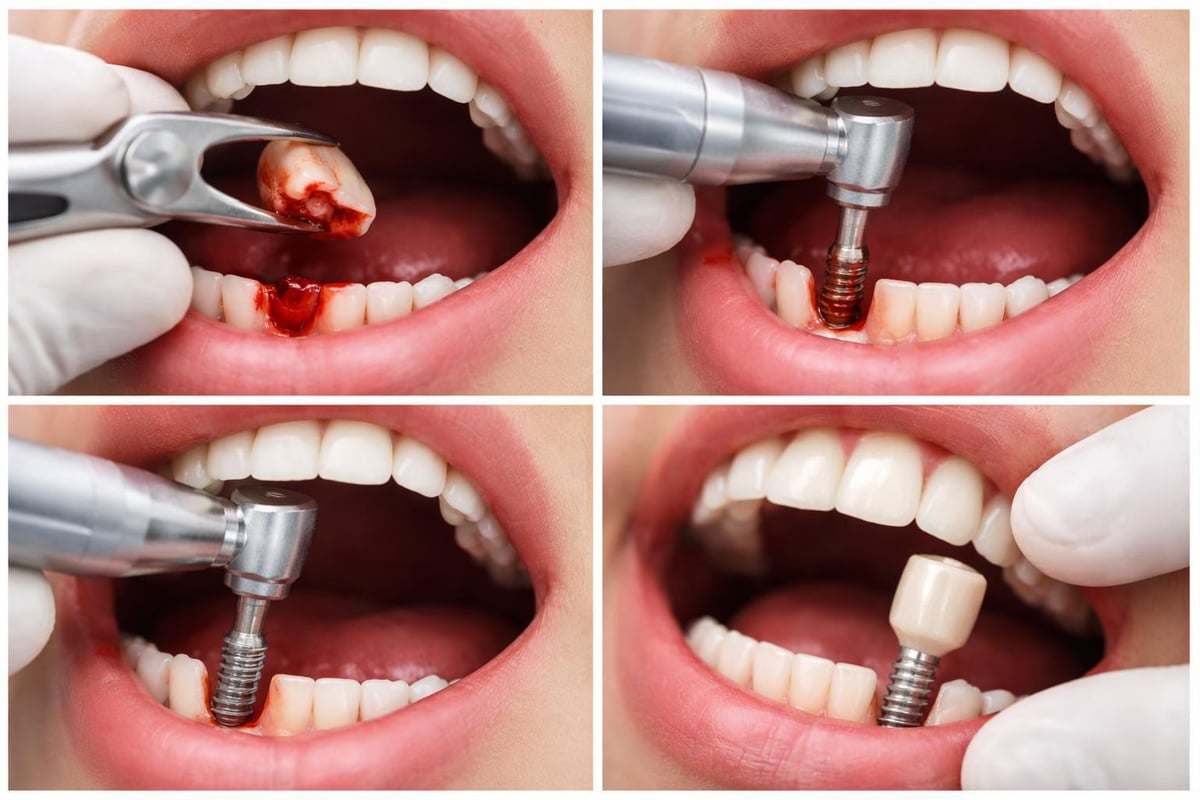
The surgical appointment typically follows this sequence:
- Anesthesia administration: Local anesthesia numbs the surgical area, with sedation options available for anxious patients
- Tooth extraction (if needed): Careful removal of damaged tooth while preserving surrounding bone
- Socket preparation: Cleaning and shaping the bone to receive the implant
- Implant placement: Insertion of titanium post to precise depth and angle
- Stability testing: Measurement of primary stability using torque testing
- Abutment attachment: Connection of the post that will hold the crown
- Temporary crown placement: Securing of provisional restoration slightly out of occlusion
The entire procedure typically requires two to four hours, depending on the number of implants and complexity of individual cases. Patients receive detailed post-operative instructions before leaving the office.
Immediate Aftercare Requirements
The first 24-48 hours following same-day implant placement prove critical for successful healing. Unlike conventional implants that remain undisturbed during osseointegration, immediately loaded implants must balance functionality with healing protection.
Essential aftercare guidelines include:
- Apply ice packs to reduce swelling during first 24 hours
- Take prescribed antibiotics and pain medications as directed
- Eat only soft foods for the first week, avoiding implant-side chewing
- Maintain gentle oral hygiene around the implant site
- Avoid smoking, alcohol, and strenuous exercise for 72 hours
- Sleep with head elevated to minimize swelling
- Attend all follow-up appointments for monitoring
The temporary crown will be designed to stay slightly below your natural bite level. This reduced occlusion protects the healing implant from excessive force while still providing aesthetic benefits. Patients must resist the temptation to chew hard foods or test the implant’s strength during this vulnerable period.
Benefits and Advantages of Same-Day Treatment
The appeal of same-day dental implants extends beyond simple convenience. This approach offers multiple benefits that improve the overall patient experience and can contribute to better outcomes when properly executed.
Time Efficiency and Immediate Results
The most obvious advantage involves significant time savings. Traditional implant procedures require multiple appointments over several months, each necessitating time off work, travel arrangements, and recovery periods. Same-day implants consolidate these visits, reducing overall disruption to your daily life.
Immediate aesthetic restoration eliminates the awkward gap-toothed period that accompanies conventional implants. Patients leave the dental office with visible teeth in place, maintaining confidence in social and professional situations throughout the healing process.
For busy professionals and parents managing complex schedules, this efficiency creates substantial value beyond the clinical outcomes. The reduction from four to six appointments down to just two or three represents significant savings in time and productivity.
Psychological and Social Benefits
Missing teeth create emotional distress that extends far beyond physical discomfort. The ability to smile, laugh, and speak confidently affects mental well-being and social interactions. Same-day dental implants address these psychological impacts immediately rather than requiring months of waiting.
Emotional advantages include:
- Immediate restoration of facial aesthetics and smile appearance
- Elimination of embarrassment about visible gaps
- Maintained professional image during healing period
- Reduced anxiety about extended treatment timelines
- Improved quality of life from day one of treatment
These psychological benefits contribute measurably to patient satisfaction. Studies examining patient-reported outcomes consistently show higher satisfaction scores for same-day procedures compared to traditional staged approaches, particularly regarding aesthetic concerns during the healing phase.
Preservation of Bone and Soft Tissue
When teeth are extracted, the surrounding bone begins resorbing almost immediately. Traditional implant protocols that delay placement by several months allow significant bone loss to occur, sometimes necessitating bone grafting procedures to restore adequate volume.
Same-day implants placed immediately after extraction help preserve natural bone architecture. The implant post provides mechanical stimulation that signals the body to maintain bone density around the site. This preservation can reduce or eliminate the need for supplemental bone grafting for dental implants.
Soft tissue architecture also benefits from immediate restoration. The temporary crown supports gum tissue contours, creating more natural-looking aesthetics when the permanent crown is eventually placed. This maintenance of tissue architecture proves particularly important in the visible front teeth area.
Understanding the Risks and Limitations
While same-day dental implants offer compelling advantages, honest discussion of potential complications and limitations remains essential. Not all marketing claims about “teeth in a day” align with clinical realities, and understanding these distinctions helps patients make informed decisions.
The Reality Behind “Teeth in a Day” Marketing
Marketing materials sometimes oversimplify the same-day implant process, creating unrealistic expectations. The phrase “teeth in a day” technically refers to receiving temporary restorations during the initial surgical appointment. However, these temporary crowns differ significantly from the final permanent restorations.
According to research clarifying common misconceptions, the complete implant process still requires several months even with immediate loading. The temporary crown serves as a placeholder while osseointegration occurs beneath the surface. After three to six months of healing, dentists replace the temporary restoration with a permanent crown custom-designed for optimal aesthetics and function.
Understanding this distinction prevents disappointment. You will leave with teeth on the day of surgery, but those teeth represent an intermediate step rather than the final result. The permanent restoration requires the same healing timeline as conventional implants before final placement.
Potential Complications Specific to Immediate Loading
The immediate load approach introduces unique risks not present in traditional staged procedures. Placing functional stress on an implant before complete osseointegration increases the possibility of certain complications.
| Complication | Risk Level | Prevention Strategy |
|---|---|---|
| Implant micromovement | Moderate | Strict soft diet, reduced occlusion |
| Failed osseointegration | Low to Moderate | Proper patient selection, adequate primary stability |
| Temporary crown fracture | Low | Quality materials, patient compliance |
| Infection | Low | Antibiotic protocol, excellent hygiene |
| Nerve damage | Very Low | Precise 3D planning, surgical guides |
Micromovement represents the most significant concern with immediate loading. If the implant shifts even slightly during the critical healing period, the bone cells attempting to integrate with the titanium surface become disrupted. This interference can lead to fibrous tissue formation instead of solid bone integration, ultimately causing implant failure.
Professional monitoring during the first few months helps identify problems early. Regular follow-up appointments allow dentists to verify that healing progresses normally and address any complications before they compromise the final outcome.
When Traditional Staged Implants Remain the Better Choice
Certain clinical situations make conventional staged implants the more appropriate choice despite the appeal of same-day treatment. Recognizing these scenarios demonstrates the importance of individualized treatment planning.
Situations favoring traditional approaches include:
- Insufficient bone density or volume requiring grafting
- Active infection requiring resolution before implant placement
- Multiple adjacent teeth requiring coordinated restoration
- Posterior teeth subjected to heavy chewing forces
- Patients with bruxism or clenching habits
- Medical conditions affecting healing capacity
Some experts emphasize that patient selection criteria must remain strict for same-day protocols. Attempting immediate loading in suboptimal conditions to meet patient preferences increases failure risk and may ultimately extend the treatment timeline beyond what traditional approaches would require.
Cost Considerations and Financial Planning
Financial investment represents a significant consideration when evaluating same-day dental implants. Understanding the cost structure, insurance coverage patterns, and long-term value helps patients make informed financial decisions aligned with their budgets and priorities.
Breaking Down Same-Day Implant Costs
Same-day dental implant costs typically range from $3,000 to $6,000 per tooth, with variations depending on geographic location, provider experience, and case complexity. This price point often appears higher than conventional implant quotes, but direct comparisons can be misleading.
The same-day implant fee typically includes:
- Comprehensive diagnostic imaging and 3D planning
- Surgical guide fabrication
- Tooth extraction if needed
- Implant post and abutment components
- Temporary crown fabrication and placement
- Initial follow-up appointments
- Permanent crown fabrication and placement
Traditional implant procedures itemize these components across multiple appointments, sometimes creating the illusion of lower costs. However, when adding extraction fees, bone grafting charges, temporary partial dentures, and multiple consultation visits, total conventional implant costs often equal or exceed same-day alternatives.
The comprehensive overview from Authority Dental provides detailed cost comparisons showing that immediate load procedures deliver comparable value when evaluating total treatment expenses.
Insurance Coverage and Payment Options
Dental insurance coverage for implants varies significantly between carriers and specific plans. Many policies classify implants as cosmetic procedures, providing limited or no coverage. However, medical necessity arguments sometimes secure partial reimbursement when implants replace teeth lost to trauma or disease.
Insurance and payment considerations:
- Verify coverage: Contact your insurance provider to understand specific implant benefits
- Medical insurance: Some medical policies cover implants when related to accidents or medical conditions
- Flexible spending accounts: Use pre-tax FSA or HSA funds to reduce effective costs
- Payment plans: Many practices offer financing through CareCredit or similar programs
- Tax deductions: Dental expenses exceeding 7.5% of adjusted gross income may be deductible
Dental Plus Clinic works with patients across our Texas locations to maximize insurance benefits and create affordable payment arrangements. The investment in same-day implants delivers decades of function when properly maintained, making the cost-per-year-of-use remarkably economical.
Long-Term Value Assessment
Evaluating dental implant costs requires considering lifespan and maintenance expenses. While initial investment exceeds removable dentures or dental bridges, implants typically last 25+ years with proper care, potentially a lifetime.
Comparing dental implants vs dentures reveals that dentures require replacement every 5-7 years, with annual adjustment and relining costs. Over a 25-year period, multiple denture replacements often exceed the one-time implant investment.
Additionally, implants preserve jawbone and don’t require alteration of adjacent healthy teeth, unlike bridges. These protective benefits prevent future dental problems that would incur their own treatment costs, further improving the long-term value proposition.
Advanced Techniques: All-on-4 and Full-Arch Restoration
Same-day dental implants reach their greatest efficiency advantage when restoring full arches of missing teeth. The All-on-4 technique and similar full-arch protocols have revolutionized treatment for patients missing most or all teeth in one or both jaws.
The All-on-4 Treatment Concept
The All-on-4 protocol utilizes just four strategically placed implants to support a complete arch of replacement teeth. This approach takes maximum advantage of available bone, with posterior implants angled up to 45 degrees to avoid anatomical structures like sinuses and nerve canals.
The All-on-4 treatment concept emerged from research demonstrating that tilted posterior implants could achieve stability comparable to vertical placement while avoiding the need for bone grafting in many cases. This innovation made same-day full-arch restoration possible for patients who previously would have required months of bone augmentation.
Key advantages of All-on-4 same-day restoration:
- Complete arch replacement in single surgical appointment
- Elimination of bone grafting in most cases
- Immediate return to normal appearance and function
- Fixed restoration (not removable like dentures)
- Preserved bone stimulation prevents further resorption
- Simplified maintenance compared to individual implants
Patients leave the surgery with a fully functional set of temporary teeth attached to the newly placed implants. These provisional teeth allow normal eating of soft foods and provide complete aesthetic restoration while osseointegration occurs over the following months.
Comparing All-on-4 Versus All-on-6 Approaches
While All-on-4 represents the most widely marketed full-arch protocol, variations using additional implants offer alternative benefits. The All-on-6 technique adds two extra implants for increased stability and load distribution.
| Feature | All-on-4 | All-on-6 |
|---|---|---|
| Number of implants | 4 per arch | 6 per arch |
| Implant angles | 2 straight, 2 angled | 4 straight, 2 angled |
| Bone requirements | Minimal | Moderate |
| Initial stability | Good | Excellent |
| Long-term success | 95-98% | 96-99% |
| Treatment cost | Lower | Higher |
The choice between protocols depends on individual bone anatomy and biomechanical factors. Patients with excellent bone density throughout the arch may benefit from the added security of six implants. Those with limited bone in posterior regions often find All-on-4 sufficient and appreciate the reduced cost.
Understanding the differences between All-on-4 vs All-on-6 dental implants helps patients and dentists select the optimal approach for each unique situation.
Success Rates for Full-Arch Same-Day Treatment
Full-arch immediate load protocols have demonstrated excellent long-term success when performed according to established protocols. Multiple studies tracking All-on-4 outcomes over 10+ years report implant survival rates between 94-98%, comparable to conventional staged approaches.
The comprehensive nature of full-arch restoration actually provides some advantages over single-tooth replacements. The splinted design connects all implants together through the prosthetic framework, distributing forces evenly and reducing stress on individual implants. This load sharing helps protect implants during the critical early healing period.
Success depends heavily on surgical precision and patient compliance with aftercare instructions. The immediate load places mechanical demands on healing implants, requiring patients to strictly follow dietary restrictions and avoid behaviors that could compromise stability.
Technology and Innovation in Same-Day Implants
Rapid advances in dental technology have transformed same-day implants from experimental procedures to reliable, predictable treatments. Understanding these innovations helps patients appreciate the precision and planning behind modern immediate load protocols.
Digital Planning and Guided Surgery
Computer-guided implant surgery represents the cornerstone technology enabling safe, accurate same-day procedures. The process begins with CBCT scans that create detailed 3D models of jaw anatomy, including bone density measurements, nerve locations, and sinus boundaries.
Specialized software allows dentists to virtually plan ideal implant positions before ever touching a patient. The planning considers multiple factors: bone volume, angulation for optimal load distribution, emergence profile for natural crown aesthetics, and avoidance of critical anatomical structures.
The digital workflow includes:
- CBCT scanning for comprehensive anatomical mapping
- Intraoral scanning to capture precise tooth and tissue positions
- Virtual implant planning with specialized software
- Surgical guide fabrication using 3D printing
- Pre-manufactured temporary crowns ready for immediate placement
- Digital communication with dental laboratories for permanent restorations
This planning precision dramatically improves outcomes compared to traditional freehand placement techniques. Studies show guided surgery reduces placement errors and surgical complications while shortening procedure time.
Material Science Advances
Modern dental implants benefit from decades of materials research. Pure titanium and titanium alloy implants have demonstrated exceptional biocompatibility and osseointegration capacity. Surface treatments at the microscopic level further enhance bone cell attachment and integration speed.
Recent innovations include zirconia dental implants, which offer tooth-colored aesthetics and excellent biocompatibility. These ceramic implants appeal to patients seeking metal-free restorations, though long-term research on zirconia remains less extensive than titanium.
Understanding the latest dental implant technology helps patients make informed choices about materials and techniques. Dental Plus Clinic stays current with proven innovations while maintaining realistic expectations about newer options still establishing long-term track records.
Future Directions in Immediate Load Dentistry
Ongoing research continues refining same-day implant protocols and expanding the range of patients who qualify for immediate loading. Several promising areas show potential for further improving outcomes and accessibility.
Biomaterial development focuses on surface modifications that accelerate osseointegration. Nano-textured surfaces and bioactive coatings may reduce the healing time required before placing permanent restorations, potentially shortening the current three to six month timeline.
Regenerative techniques using growth factors and stem cell therapies might enhance bone formation around implants, improving success rates in patients with compromised bone quality. These biological approaches remain largely experimental but show promise in early research.
Artificial intelligence applications in treatment planning could further optimize implant positioning and predict individual patient outcomes with greater accuracy. Machine learning algorithms analyzing thousands of previous cases might identify subtle factors affecting success that human clinicians might overlook.
Comparing Same-Day Implants to Alternative Treatments
While same-day dental implants offer compelling advantages, they represent just one option among several tooth replacement approaches. Understanding how immediate load implants compare to alternatives helps patients select the treatment best aligned with their priorities, budget, and clinical situation.
Dental Bridges Versus Same-Day Implants
Traditional dental bridges replace missing teeth by crowning adjacent natural teeth and suspending a false tooth between them. This approach has served patients for decades but requires permanently altering healthy teeth to serve as bridge supports.
Key comparison factors:
- Treatment time: Bridges require 2-3 weeks; same-day implants provide immediate temporaries
- Adjacent teeth: Bridges require grinding down healthy teeth; implants are independent
- Bone preservation: Bridges allow continued bone loss; implants stimulate bone maintenance
- Longevity: Bridges last 10-15 years; implants potentially last lifetime
- Hygiene: Bridges require special flossing techniques; implants clean like natural teeth
- Cost: Bridges initially cost less but require eventual replacement
The decision between bridges and implants often hinges on the condition of adjacent teeth. If neighboring teeth already need crowns for structural reasons, a bridge becomes more attractive since those teeth would require restoration anyway. However, when adjacent teeth remain healthy, most dentists recommend preserving their structure through implant placement.
Removable Dentures and Partial Dentures
Removable dentures represent the most economical tooth replacement option but come with significant functional and comfort compromises. Modern dentures have improved considerably, yet they still rest on gums rather than integrating with bone like natural teeth.
Same-day dental implants eliminate the movement, clicking, and dietary restrictions associated with removable prosthetics. Implant-supported teeth function nearly identically to natural teeth, allowing patients to eat, speak, and smile with complete confidence.
The psychological impact of removable versus fixed teeth significantly affects quality of life. Many denture wearers report feeling self-conscious about potential slippage during social situations. Fixed implant restorations eliminate these concerns entirely.
Traditional Staged Implants
As discussed throughout this article, conventional staged dental implants follow a more conservative timeline but achieve similar long-term results. The risks and rewards analysis shows both approaches deliver excellent outcomes when performed according to established protocols.
The choice between immediate and delayed loading often comes down to individual priorities. Patients prioritizing immediate aesthetics and minimal appointments may prefer same-day approaches. Those willing to wait for the most conservative, lowest-risk protocol might choose traditional staging.
Neither approach proves universally superior. Success depends on matching the technique to the patient’s anatomy, health status, and expectations while executing the selected protocol with precision and expertise.
Making the Decision: Is Same-Day Right for You?
Choosing whether to pursue same-day dental implants requires weighing multiple personal factors against clinical realities. This decision impacts both immediate convenience and long-term oral health outcomes, making thorough consideration essential.
Questions to Ask Your Dentist
Before committing to same-day implant treatment, schedule a comprehensive consultation to gather detailed information about your specific situation. Coming prepared with relevant questions helps you make informed decisions.
Essential questions to discuss:
- Am I a good candidate based on my bone density and overall health?
- What alternative treatments might also address my situation effectively?
- What are the specific risks in my case, and how will you minimize them?
- How many same-day implant procedures have you personally performed?
- What happens if the implant fails to integrate after immediate loading?
- What will my temporary and permanent crowns look like and function like?
- What specific aftercare requirements must I follow for optimal success?
- How does the total cost compare to traditional staged implant treatment?
A skilled implant dentist will answer these questions thoroughly and honestly, acknowledging when same-day approaches may not represent the ideal choice for your particular circumstances. Beware of providers who promise perfect outcomes for every patient or dismiss legitimate concerns about risks and limitations.
Evaluating Provider Experience and Technology
The dentist’s experience with same-day protocols significantly influences treatment outcomes. While many general dentists place conventional implants successfully, immediate loading requires additional training and refined surgical skills.
Provider evaluation criteria include:
- Specialized training in implant dentistry beyond general dental education
- Regular continuing education in current immediate load techniques
- Investment in advanced technology (CBCT imaging, surgical guides, digital planning)
- Membership in professional organizations like the American Academy of Implant Dentistry
- Willingness to provide references or testimonials from previous patients
- Transparent discussion of their personal success rates and complication experiences
The comprehensive guide to understanding and choosing same-day dental implants emphasizes that provider selection matters as much as the specific technique chosen.
Setting Realistic Expectations
Managing expectations proves critical for patient satisfaction with same-day dental implants. While marketing materials sometimes create unrealistic impressions, understanding the true process prevents disappointment.
You will receive replacement teeth on the day of surgery, but those teeth represent temporary restorations designed for aesthetics rather than full function. Expect dietary restrictions for several weeks while healing progresses. The temporary crown protects the implant site but won’t match the strength and appearance of your eventual permanent restoration.
Complete treatment still requires three to six months even with immediate loading. The accelerated timeline eliminates the gap-toothed waiting period but doesn’t eliminate the biological healing process necessary for long-term success.
Most patients achieve excellent outcomes and report high satisfaction with same-day implants when they understand these realities from the beginning and commit to following all aftercare instructions carefully.
Geographic Considerations for Texas Residents
Texas residents considering same-day dental implants benefit from access to experienced providers and multiple location options. Understanding regional factors helps patients select convenient, qualified dental professionals for their implant treatment.
Access to Specialized Implant Care Across Texas
The state’s major metropolitan areas offer numerous implant dentistry practices with advanced technology and experienced surgeons. However, residents of smaller communities may face limited local options and should consider traveling to larger cities for specialized procedures.
Dental Plus Clinic addresses this access issue by maintaining five strategically located offices across Texas. Patients in South and Central Texas can receive comprehensive implant services without traveling to distant major metropolitan areas.
Dental Plus Clinic locations include:
- Beeville: Serving patients in Bee County and surrounding rural areas
- Seguin: Convenient access for Guadalupe County residents
- New Braunfels: Centrally located between San Antonio and Austin
- Leander: Serving the rapidly growing northern Austin suburbs
- Converse: Easy access for San Antonio’s east side and surrounding communities
This geographic distribution ensures that same-day dental implant candidates can access experienced providers, advanced diagnostic technology, and comprehensive follow-up care without excessive travel burdens.
Choosing Between Multiple Location Options
When selecting among available locations, consider factors beyond simple driving distance. Appointment availability, specific dentist experience, and post-operative support services all influence the overall treatment experience.
Schedule consultations at nearby locations to evaluate the practice environment, meet the clinical team, and discuss your specific case. The right provider combination of expertise, technology, and personal rapport significantly impacts treatment success and satisfaction.
Some patients prefer establishing care at a single location for all dental needs, including routine maintenance after implant placement. Others prioritize minimizing travel for the surgical appointment even if they continue regular care closer to home.
Dental Plus Clinic’s integrated system allows flexibility in these arrangements. Patients can receive implant surgery at one location while maintaining routine care at another more convenient office, with complete communication and coordination between locations ensuring continuity of care.
Leveraging Regional Expertise and Resources
Texas dental practices benefit from proximity to major dental research institutions and continuing education centers. This access keeps providers current with emerging techniques and evidence-based protocols.
Additionally, the competitive Texas dental market encourages practices to invest in advanced technology and maintain high service standards. Patients benefit from this environment through access to quality care at competitive pricing.
The emphasis on patient education and transparent communication reflects broader Texas healthcare values. Reputable practices provide detailed treatment information, honest assessments of expected outcomes, and straightforward discussion of costs before beginning treatment.
Final Thoughts
Same-day dental implants offer eligible patients a faster path to restored smiles without compromising long-term success when proper protocols are followed and realistic expectations are maintained. The combination of advanced planning technology, refined surgical techniques, and individualized treatment approaches makes immediate loading a viable option for many tooth replacement candidates.
If you’re considering same-day dental implants in Texas, the experienced team at Dental Plus Clinic provides comprehensive evaluations, honest treatment recommendations, and expert surgical care across our five convenient locations. Schedule a consultation today to determine whether same-day implants align with your oral health goals and receive personalized guidance for achieving your healthiest, most confident smile.