
When facing tooth loss, many patients hesitate at the price tag of dental implants. The initial investment can seem substantial, particularly when comparing it to seemingly less expensive alternatives like dentures or bridges. However, determining whether dental implants worth the cost requires examining factors beyond the upfront expense, including longevity, functionality, health benefits, and overall quality of life improvements. This comprehensive analysis breaks down the real return on investment for dental implants, helping you make an informed decision about your oral health.
Understanding the True Cost of Dental Implants
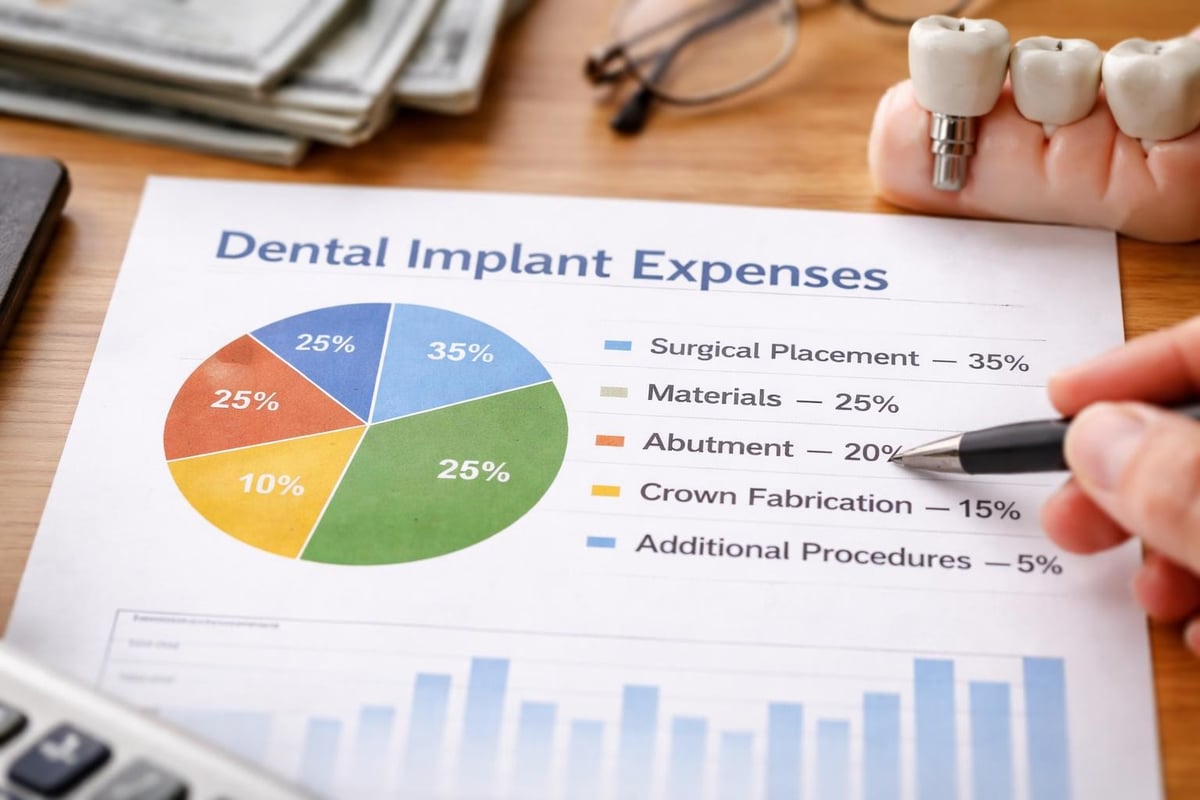
The financial investment in dental implants varies significantly based on several factors. A single implant typically ranges from $3,000 to $6,000, which includes the surgical placement, abutment, and crown. Multiple missing teeth may require several individual implants or full-arch solutions like All-on-4, which can cost between $15,000 and $30,000 per arch.
Breaking Down the Price Components
Understanding what you’re paying for helps contextualize the investment. Each dental implant procedure involves multiple components and professional services:
- Surgical consultation and treatment planning with advanced imaging
- The titanium or zirconia implant post that serves as the artificial root
- Surgical placement performed by an experienced implant specialist
- Healing abutment and final abutment connecting the implant to the crown
- Custom-fabricated crown designed to match your natural teeth
- Follow-up appointments ensuring proper integration and healing
Additional procedures may increase costs. When bone density is insufficient, bone grafting for dental implants may be necessary, adding $300 to $3,000 depending on the extent of grafting needed. Sinus lifts, ridge augmentation, or extraction of damaged teeth represent other potential expenses that impact the total investment.
Insurance Coverage and Financing Options
Dental insurance traditionally classified implants as cosmetic procedures, offering minimal coverage. However, this landscape is changing in 2026. Many insurance plans now recognize dental implants as medically necessary, particularly when tooth loss affects chewing function or overall health. Coverage typically ranges from 25% to 50% of the procedure cost.
Financing strategies to manage implant costs:
- Dental savings plans offering 10-60% discounts on procedures
- Health savings accounts (HSAs) allowing pre-tax payment
- Flexible spending accounts (FSAs) for tax-advantaged savings
- Third-party financing through companies like CareCredit
- In-house payment plans offered by many dental practices
At Dental Plus Clinic locations across Texas, including facilities in Beeville and Seguin, patients can explore various payment arrangements to make implants more accessible.
Comparing Dental Implants to Alternative Solutions
To determine if dental implants worth the cost, you must evaluate them against other tooth replacement options. Each alternative presents different advantages, limitations, and long-term financial implications.
| Treatment Option | Initial Cost | Average Lifespan | Maintenance Requirements | Bone Preservation |
|---|---|---|---|---|
| Dental Implants | $3,000-$6,000 per tooth | 25+ years | Minimal (regular hygiene) | Yes |
| Fixed Bridge | $2,000-$5,000 | 10-15 years | Moderate (special cleaning) | No |
| Removable Partial Denture | $700-$2,500 | 5-8 years | High (daily removal, adhesives) | No |
| Complete Dentures | $1,000-$3,000 per arch | 5-10 years | High (relining, replacement) | No |
The Hidden Costs of Traditional Alternatives
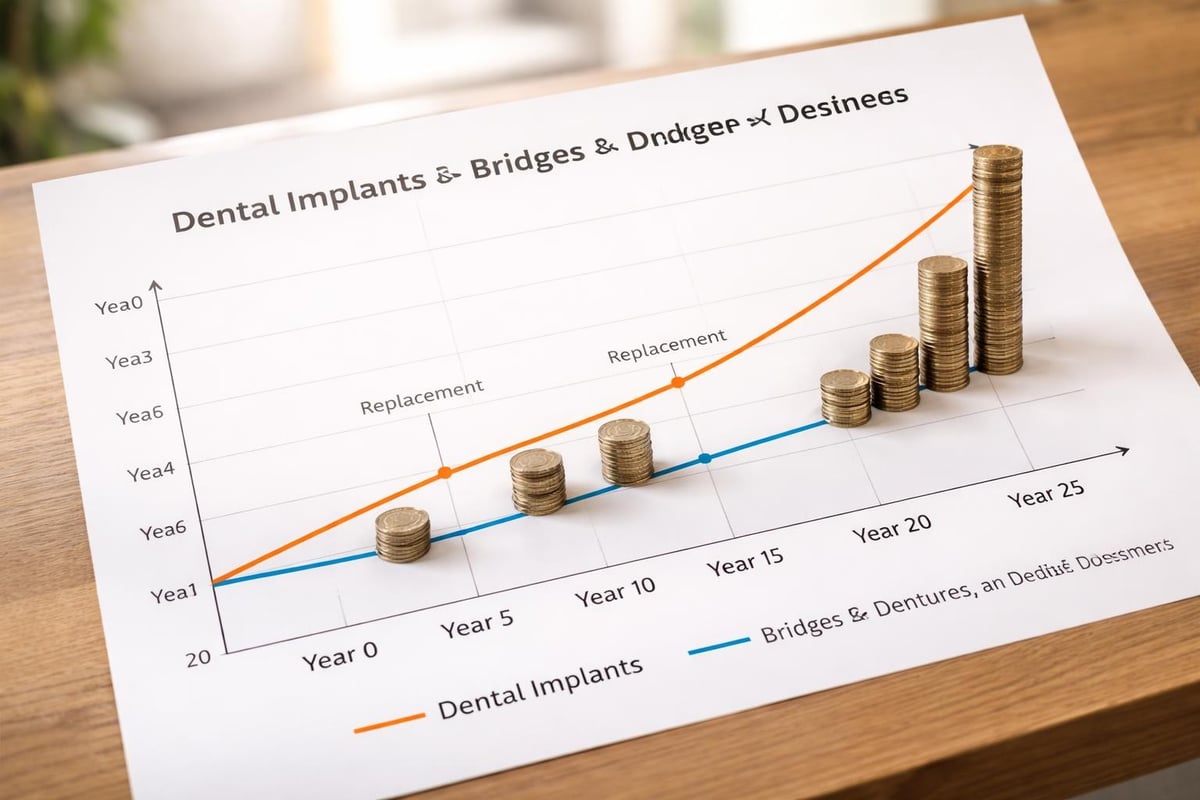
While dentures and bridges appear more affordable initially, their lifetime costs often exceed dental implants. Traditional dentures require replacement every five to ten years, with multiple adjustments and relines throughout their lifespan. Each replacement cycle costs between $1,000 and $3,000, and ongoing adhesive expenses add $200 to $400 annually.
Fixed bridges demand filing down adjacent healthy teeth, compromising their structural integrity. These supporting teeth face increased risk of decay and eventual failure, potentially requiring additional crowns or implants. The American Society of Implant and Reconstructive Dentistry emphasizes how dental implants preserve surrounding teeth and facial structure, unlike bridges that may accelerate bone loss.
Research published in scientific literature evaluates the cost-effectiveness of dental implants compared to conventional prosthetics, demonstrating favorable long-term economic outcomes when factoring in replacement frequency and maintenance needs.
The Longevity Factor in ROI Calculations
Dental implants represent the most durable tooth replacement solution available. With proper care, they can last 25 years or longer, with many patients enjoying their implants for life. This exceptional longevity fundamentally changes the cost-benefit equation.
Calculating Cost Per Year of Service
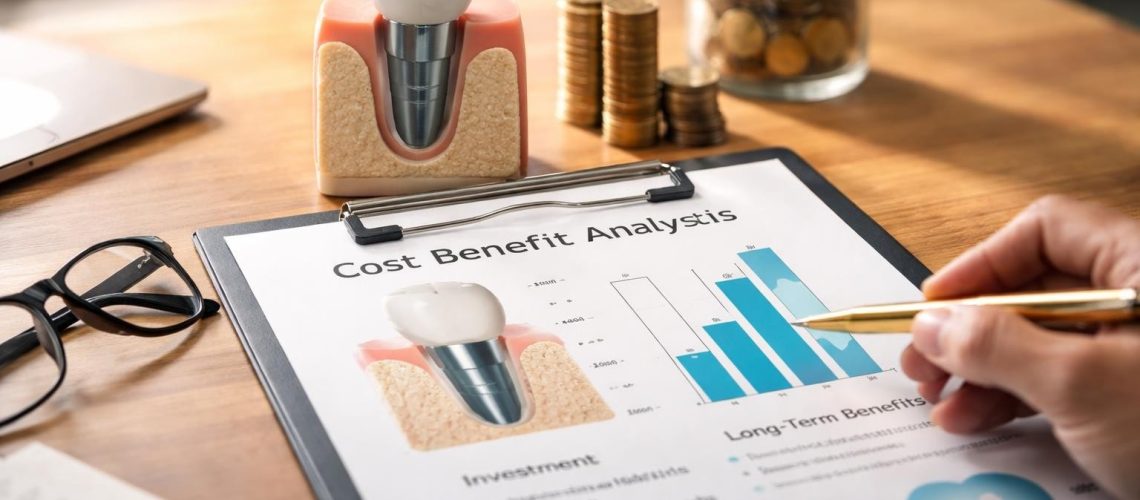
When evaluating dental implants worth the cost, consider the annual expense over the restoration’s lifespan:
Dental implant: $4,500 initial cost ÷ 25 years = $180 per year
Fixed bridge: $3,500 initial cost ÷ 12 years = $292 per year (plus additional costs for replacement and potential complications)
Denture: $2,000 initial cost ÷ 7 years = $286 per year (plus adhesives, relines, adjustments, and replacements)
This calculation doesn’t account for the inconvenience, repeated procedures, and adjustment periods required with traditional options. Each denture replacement involves new impressions, fittings, and an adaptation period that affects eating and speaking.
Success Rates and Predictability
Modern dental implants boast success rates exceeding 95% for the lower jaw and 90% for the upper jaw. When placed by experienced professionals and maintained properly, complications remain rare. Understanding zirconia versus titanium implants helps patients select materials with proven longevity records.
Factors influencing implant success include:
- Patient health status and absence of uncontrolled systemic diseases
- Bone quality and quantity at the implant site
- Surgical technique and experience of the provider
- Implant design and material quality
- Post-operative care and oral hygiene maintenance
- Smoking cessation for improved healing outcomes
Functional Benefits That Translate to Value
Beyond monetary considerations, dental implants provide functional advantages that significantly impact daily life. These practical benefits contribute substantially to the overall value proposition.
Eating and Nutritional Impact
Dental implants restore approximately 80% to 90% of natural chewing force, compared to dentures that provide only 20% to 25%. This difference profoundly affects dietary choices and nutritional intake. Implant patients can comfortably eat tough, crunchy, or chewy foods without fear of dislodgment or discomfort.
Denture wearers often modify their diets, avoiding nutritious foods like raw vegetables, whole fruits, nuts, and lean meats that require significant chewing. This dietary restriction can lead to nutritional deficiencies, particularly in older adults who already face increased nutritional challenges. The ability to maintain a varied, nutrient-rich diet represents a health benefit with measurable long-term value.
Speech Clarity and Confidence
Missing teeth or ill-fitting dentures create speech difficulties, affecting pronunciation of certain sounds. Dental implants function like natural teeth, allowing normal tongue placement and airflow during speech. Patients report improved confidence in professional and social situations when they can speak clearly without worrying about denture slippage or clicking sounds.
Professional and social advantages include:
- Enhanced performance in client-facing roles
- Increased confidence during presentations and public speaking
- Natural conversation without self-consciousness
- Elimination of embarrassing denture movement during important moments
Health Benefits Beyond Tooth Replacement
Determining whether dental implants worth the cost requires acknowledging their broader health implications. Unlike conventional prosthetics, implants provide therapeutic benefits extending beyond simple tooth replacement.
Bone Preservation and Facial Structure
Tooth loss triggers a process called resorption, where jawbone gradually deteriorates without stimulation from tooth roots. This bone loss accelerates with dentures, which place pressure on the ridge surface rather than stimulating bone from within. Over time, significant bone loss creates a collapsed, aged facial appearance.
Dental implants integrate with jawbone through osseointegration, providing the mechanical stimulation needed to maintain bone density. Research on dental implant benefits highlights this crucial advantage, noting how implants prevent the sunken facial appearance associated with extensive tooth loss.
| Health Impact | With Dental Implants | Without Dental Implants |
|---|---|---|
| Jawbone Density | Preserved through osseointegration | Progressive deterioration |
| Facial Appearance | Maintains natural contours | Sunken, aged appearance |
| Adjacent Teeth | Remain healthy and intact | Potential shifting and misalignment |
| Bite Force | Near-normal strength | Significantly reduced |
| Oral Health Risk | Minimal additional risk | Increased decay under bridges |
Oral Health Protection
Traditional bridges require grinding down healthy adjacent teeth to serve as anchors. This irreversible modification removes protective enamel, increasing vulnerability to decay and sensitivity. Additionally, the space beneath bridges can trap food particles and bacteria, creating hygiene challenges despite careful cleaning.
Dental implants stand independently, preserving neighboring teeth in their natural, healthy state. This conservation approach aligns with modern dentistry’s minimally invasive philosophy. Patients maintaining good oral hygiene can brush and floss around implants using normal techniques, without special threaders or irrigation devices required for bridges.
Quality of Life Improvements
Quantifying quality of life enhancements proves challenging, yet these improvements represent significant value when evaluating if dental implants worth the cost. Patient satisfaction surveys consistently show higher ratings for implants compared to removable prosthetics.
Psychological and Emotional Benefits
Tooth loss affects self-esteem and social behavior. Many patients with missing teeth report avoiding social situations, covering their mouths when smiling, or choosing not to smile in photographs. The psychological impact of tooth loss extends beyond aesthetics, affecting mental health and social engagement.
Dental implants restore natural appearance and function, eliminating these self-conscious behaviors. Patients report:
- Increased willingness to smile freely in personal and professional settings
- Improved self-confidence during job interviews and career advancement
- Enhanced romantic relationships without embarrassment about dental appearance
- Greater participation in social activities and dining experiences
- Reduced anxiety about dental emergencies or prosthetic failures
Convenience and Daily Lifestyle
Unlike dentures requiring daily removal, cleaning, soaking, and application of adhesives, dental implants become permanent parts of your mouth. This convenience eliminates the morning and evening rituals denture wearers endure, saving time and reducing the psychological burden of managing removable prosthetics.
Implant patients travel without packing denture supplies, sleep without worry about unconscious removal, and eat spontaneously without planning around prosthetic limitations. These lifestyle advantages accumulate daily, representing substantial quality-of-life value over decades.

Investment Considerations for Different Patient Scenarios
The value proposition varies based on individual circumstances. Age, overall health, lifestyle, and specific dental needs all influence whether dental implants worth the cost for particular situations.
Young to Middle-Aged Adults
For patients aged 30 to 60, dental implants offer exceptional long-term value. The extended timeframe for enjoying the benefits maximizes return on investment. A 40-year-old receiving an implant may use it for 40 or more years, bringing the annual cost well below $100.
Younger patients also benefit more from bone preservation. Preventing bone loss during middle age maintains facial structure and reduces future complications. The alternative, allowing bone deterioration for decades, creates complex challenges requiring extensive reconstruction later.
Older Adults and Retirees
Seniors often question whether implants make financial sense given their age. However, with increasing lifespans and active lifestyles extending well into the 80s and 90s, even patients in their 70s can enjoy implants for 15 to 20 years or more.
For retirees on fixed incomes, the higher initial cost might seem prohibitive. Yet the elimination of ongoing denture expenses, including replacements, adjustments, and adhesives, can actually reduce long-term spending. Additionally, improved nutrition and quality of life during retirement years holds tremendous value.
Single Tooth vs. Multiple Teeth Replacement
The cost analysis shifts when addressing multiple missing teeth. While single implants provide clear advantages, full-mouth restoration requires careful financial planning. Modern techniques like All-on-4 versus All-on-6 dental implants offer solutions for complete arch replacement using fewer implants, reducing overall costs while maintaining excellent stability.
Critical Evaluation and Potential Drawbacks
A balanced assessment of whether dental implants worth the cost must acknowledge limitations and situations where alternatives might be preferable.
When Implants May Not Be the Best Choice
Recent research published in scientific journals presents alternative perspectives on implant cost-effectiveness, suggesting that in certain scenarios, preserving compromised natural teeth may offer better value than extraction and implant placement. These findings emphasize the importance of individualized treatment planning.
Situations potentially favoring alternatives:
- Severe uncontrolled diabetes or autoimmune conditions affecting healing
- Active periodontal disease requiring resolution before implant consideration
- Heavy tobacco use without commitment to cessation
- Insufficient bone with unwillingness to undergo grafting procedures
- Significant financial constraints without financing options
- Very short-term tooth replacement needs
Realistic Expectations About Complications
While success rates are high, complications can occur. Peri-implantitis, an inflammatory condition affecting tissues around implants, develops in approximately 10% to 20% of patients. This condition requires professional intervention and, in severe cases, may lead to implant failure.
Other potential complications include:
- Nerve damage causing temporary or permanent numbness (rare, less than 1%)
- Sinus perforation during upper jaw placement requiring additional procedures
- Failed osseointegration necessitating implant removal and possible replacement
- Prosthetic complications such as loose crowns or abutment fractures
- Infection at the surgical site during initial healing
Understanding these risks and maintaining realistic expectations ensures patients make informed decisions. Selecting experienced providers significantly reduces complication rates.
Making the Investment Decision
After examining costs, benefits, alternatives, and potential drawbacks, the question remains: are dental implants worth the cost for your specific situation?
Personal Factors to Consider
Create a comprehensive evaluation based on your unique circumstances:
| Factor | Questions to Ask | Impact on Value |
|---|---|---|
| Age and Health | How many years will you benefit? Are you healthy enough for surgery? | Longer lifespan increases ROI |
| Financial Situation | Can you afford upfront costs? Are financing options available? | Payment flexibility improves accessibility |
| Lifestyle Needs | How important are diet variety and social confidence? | Higher lifestyle demands favor implants |
| Oral Health Status | Do you have adequate bone? Is your gum health good? | Better oral health improves success rates |
| Professional Requirements | Does your career depend on appearance or speech? | Professional benefits add intangible value |
Questions to Ask Your Dental Provider
Schedule a comprehensive consultation to discuss your specific situation. Understanding the dental implant procedure helps clarify expectations and requirements. Essential questions include:
- Am I a good candidate based on my bone density, health status, and oral hygiene?
- What is the total estimated cost including all procedures, materials, and follow-up?
- What financing options do you offer to make treatment more accessible?
- What is your success rate with implant placement and long-term outcomes?
- What type of warranty or guarantee do you provide on implants and restorations?
- How long is the complete treatment timeline from initial consultation to final restoration?
Technology Advances Improving Value Proposition
Recent innovations in dental implantology enhance outcomes while potentially reducing costs. Understanding the latest dental implant technology reveals how modern techniques improve value.
Computer-Guided Implant Placement
Digital planning software and surgical guides created from CT scans allow precise implant positioning. This accuracy reduces surgical time, minimizes complications, and improves long-term success rates. While adding modest upfront costs, guided surgery often eliminates expensive corrective procedures.
Immediate Load Implants
Traditional protocols required three to six months of healing before attaching permanent crowns. Modern immediate load techniques allow provisional teeth attachment during the same appointment as implant placement. This advancement reduces the number of visits and eliminates the embarrassment of temporary gaps.
Benefits of immediate loading include:
- Reduced total treatment time from months to weeks
- Fewer dental appointments and less time away from work
- Immediate restoration of appearance and basic function
- Stimulation of bone healing through controlled loading
- Enhanced patient satisfaction and quality of life during treatment
Material Innovations
Advancements in implant materials and surface treatments accelerate osseointegration and improve long-term stability. Zirconia dental implants offer metal-free alternatives for patients with sensitivities or aesthetic concerns, though at varied price points. Understanding cheap versus premium dental implants helps patients make informed choices balancing cost and quality.
Real Patient Perspectives and Outcomes
Patient testimonials and outcome studies provide valuable insights into the practical value of dental implants. While individual experiences vary, consistent patterns emerge regarding satisfaction and perceived worth.
Long-Term Satisfaction Studies
Research tracking implant patients over decades shows satisfaction rates exceeding 90%. Patients report that even years after treatment, they would make the same investment decision. Common themes in patient feedback include:
- Worth every penny despite initial cost concerns
- Life-changing impact on confidence and daily activities
- Forget they’re not natural teeth after adaptation period
- Would recommend to others facing similar decisions
- Regret not getting them sooner when delayed by cost worries
Return on Investment in Human Terms
While financial analysis provides objective metrics, the true ROI manifests in daily experiences. A professional regaining confidence for client presentations, a retiree enjoying corn on the cob at family gatherings, or a young parent smiling freely in photos with children represents value that transcends spreadsheets.
Strategic Timing for Maximum Value
When you choose to invest in dental implants affects both clinical outcomes and financial considerations. Strategic timing can optimize both aspects.
Addressing Tooth Loss Promptly
Delaying implant placement after tooth loss allows progressive bone deterioration. Waiting several years may necessitate extensive bone grafting that could have been avoided with prompt treatment. Early intervention often reduces overall treatment complexity and cost.
However, rushed decisions without proper evaluation can lead to poor outcomes. Balance prompt action with thorough consultation and treatment planning.
Taking Advantage of Financial Opportunities
Strategic timing around tax years, insurance benefit periods, or personal financial situations can make treatment more manageable. Consider:
- End-of-year HSA/FSA balances that might otherwise expire
- Insurance benefit refreshes at calendar or policy year start
- Tax deduction opportunities for medical expenses exceeding thresholds
- Promotional financing periods offering interest-free payment plans
- Planned career transitions allowing recovery time during scheduled breaks
Final Thoughts
Dental implants represent a significant investment that delivers substantial returns through longevity, functionality, health benefits, and quality of life improvements. While the upfront costs exceed traditional alternatives, the long-term value proposition often proves superior when considering replacement cycles, maintenance requirements, and overall outcomes. At Dental Plus Clinic, our experienced team provides comprehensive implant consultations, personalized treatment planning, and flexible financing options across our five Texas locations, helping patients achieve lasting oral health solutions that align with their clinical needs and financial circumstances.