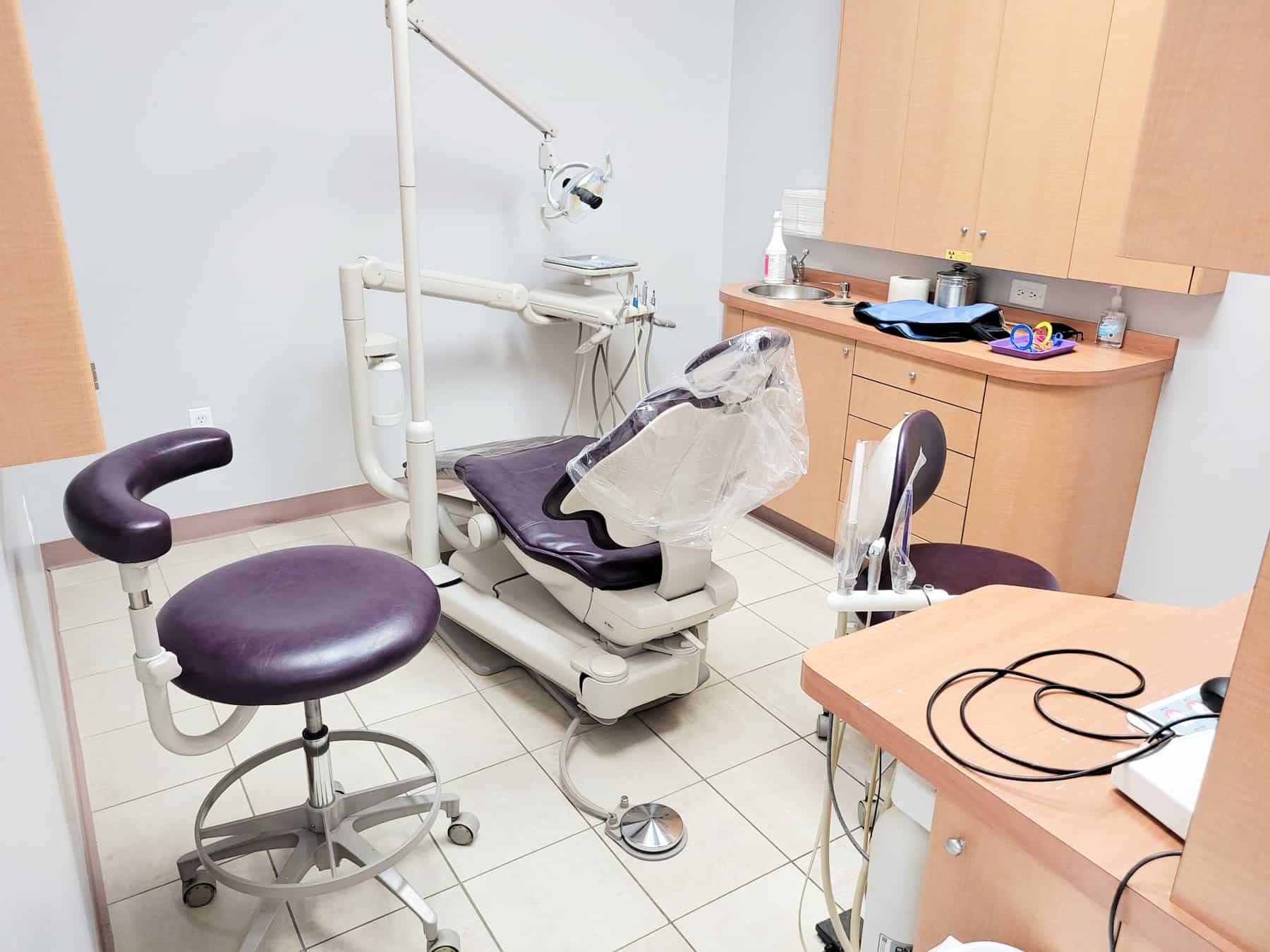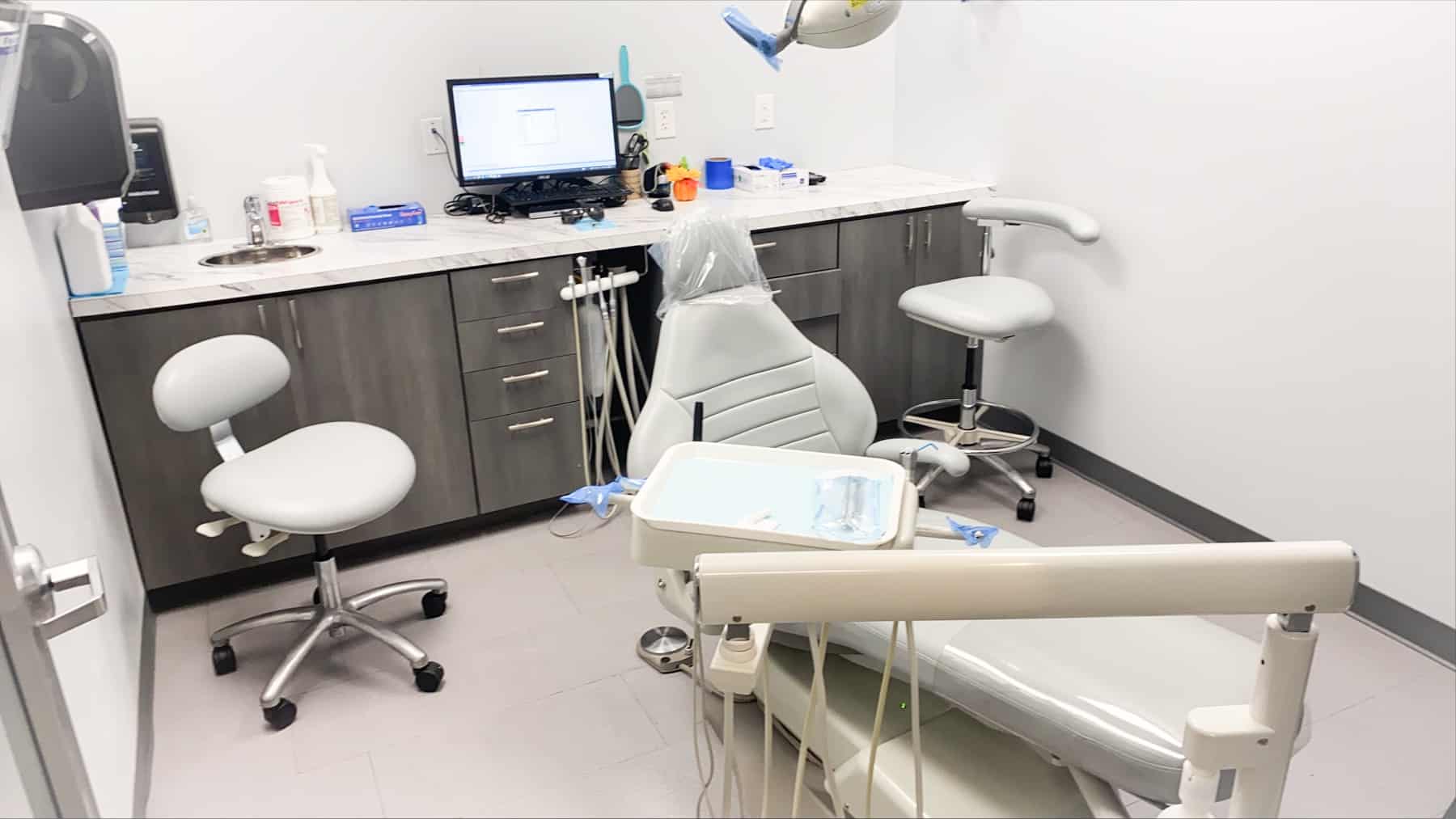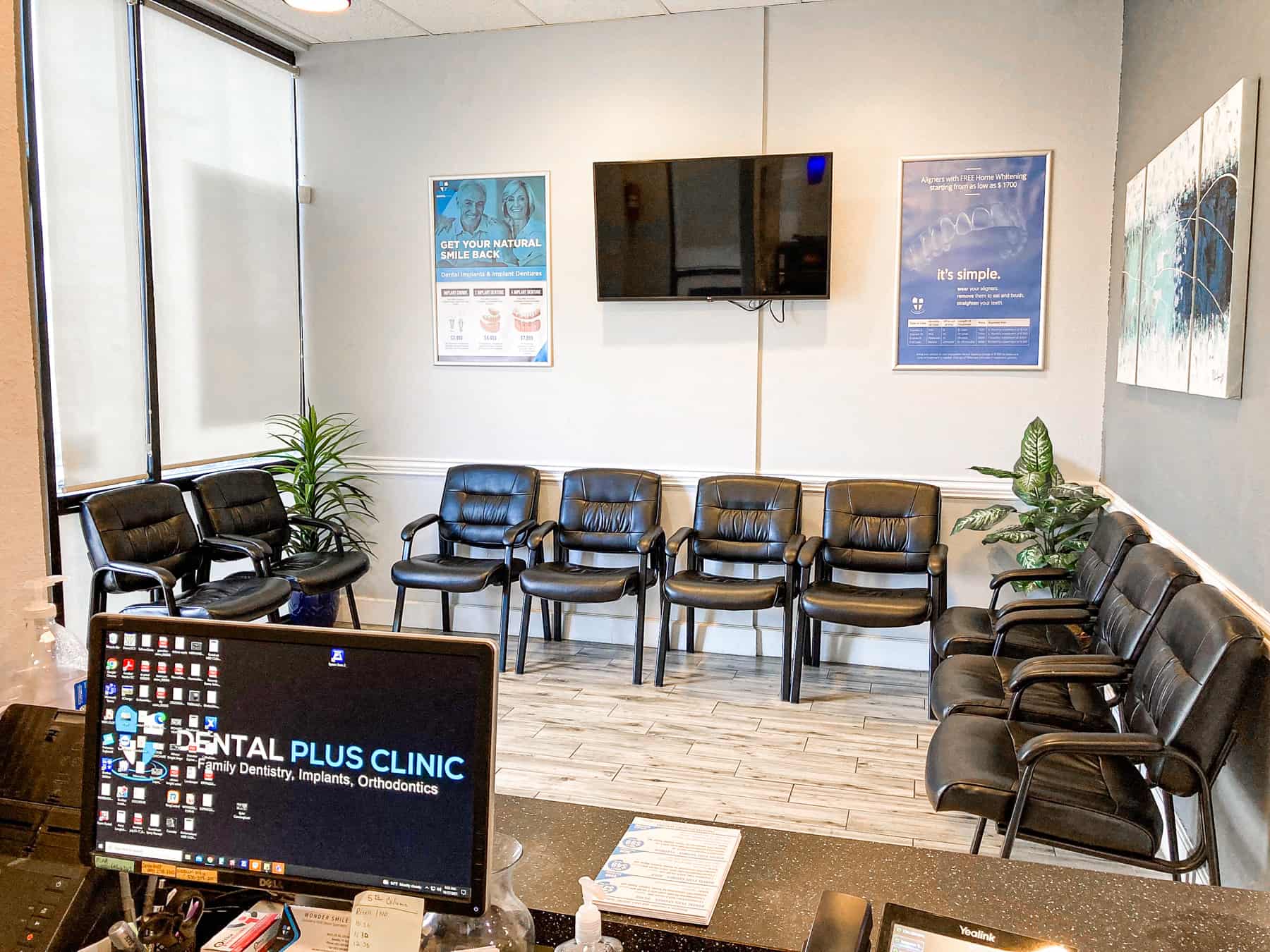


Finding quality dental care that fits your budget can feel overwhelming, especially when navigating insurance networks, coverage limitations, and out-of-pocket costs. For residents of New Braunfels, Texas, locating a dentist that accepts insurance in new braunfels is essential for maintaining oral health without financial stress. Understanding how dental insurance works, which providers participate in your network, and what services are covered empowers you to make informed decisions about your family's dental wellness. This comprehensive guide explores everything you need to know about accessing affordable dental care in New Braunfels while maximizing your insurance benefits.
Understanding Dental Insurance Networks in New Braunfels
Dental insurance operates differently than traditional medical insurance, with distinct networks, coverage tiers, and benefit structures. Most dental plans fall into three categories: PPO (Preferred Provider Organization), HMO (Health Maintenance Organization), and indemnity plans. Each type affects how you access care and what you'll pay out of pocket.
PPO plans offer the most flexibility, allowing you to visit any dentist while providing higher benefits when you choose in-network providers. HMO plans require you to select a primary dentist from a specific network and typically have lower premiums but less flexibility. Indemnity plans give complete freedom in choosing providers but often involve higher upfront costs with reimbursement after treatment.

When searching for a dentist that accepts insurance in new braunfels, confirming network participation is crucial. Providers within your insurance network have negotiated fees with your carrier, resulting in lower costs for covered services. Out-of-network providers may still accept your insurance, but you'll typically pay significantly more.
Major Insurance Carriers Accepted in New Braunfels
Most dental practices in New Braunfels work with multiple insurance carriers to serve diverse patient populations. Common accepted plans include:
- Delta Dental PPO and Premier networks
- United Healthcare Dental
- Cigna Dental
- Aetna Dental
- MetLife Dental
- Guardian Dental
- Humana Dental
- BlueCross BlueShield dental plans
Before scheduling an appointment, contact the dental office directly to verify they participate in your specific plan. Insurance networks change periodically, and confirmation ensures you receive maximum benefits. The Delta Dental insurance education resources provide helpful information about understanding your coverage.
Coverage Levels for Common Dental Procedures
Dental insurance typically categorizes services into three tiers, each with different coverage percentages. Understanding these categories helps you anticipate costs and plan treatments strategically.
| Service Category | Examples | Typical Coverage | Annual Limit Impact |
|---|---|---|---|
| Preventive | Cleanings, exams, X-rays | 80-100% | Low |
| Basic | Fillings, extractions, root canals | 60-80% | Moderate |
| Major | Crowns, bridges, implants | 40-60% | High |
Preventive services form the foundation of dental insurance benefits. Most plans cover two cleanings, comprehensive exams, and necessary X-rays annually at 100% with no deductible. Taking advantage of these benefits helps detect problems early, potentially avoiding costly major procedures later.
Basic restorative procedures address common dental issues like cavities and infections. Coverage typically ranges from 60-80% after meeting your deductible. These services are essential for maintaining oral health but contribute to your annual maximum benefit.
Major procedures include crowns, bridges, dentures, and dental implants. Insurance coverage usually falls between 40-60%, and these treatments quickly consume your annual maximum. Planning major work strategically across benefit years can maximize coverage.
Annual Maximums and Deductibles
Most dental insurance plans impose an annual maximum benefit, typically ranging from $1,000 to $2,000 per person. Once you've received this amount in benefits within a calendar year, you're responsible for 100% of additional costs until the next benefit period begins.
Deductibles vary by plan but commonly range from $25 to $100 per person annually. Preventive services usually bypass the deductible, while basic and major procedures require you to meet it first. Understanding dental insurance basics helps you navigate these financial aspects effectively.
Verifying Insurance Before Your Appointment
Finding a dentist that accepts insurance in new braunfels requires more than confirming network participation. Thorough verification prevents surprise bills and ensures smooth treatment experiences.
Start by reviewing your insurance card and policy documents. Note your group number, subscriber ID, and the customer service phone number. This information is essential for verification calls.
Steps for Insurance Verification
- Contact your insurance carrier to confirm the dental office participates in your specific plan
- Ask about coverage percentages for anticipated services (cleaning, fillings, etc.)
- Verify your deductible status and remaining annual maximum
- Inquire about pre-authorization requirements for major procedures
- Confirm any waiting periods for specific services if you're newly enrolled
Many modern dental practices offer digital insurance verification services that streamline this process. Advanced systems instantly check coverage, reducing administrative delays and providing accurate cost estimates before treatment.

Additionally, ask the dental office about their billing practices. Some offices file insurance claims on your behalf, while others require you to submit claims independently. Understanding this process upfront prevents confusion after treatment.
Maximizing Your Dental Insurance Benefits
Strategic planning helps you extract maximum value from your dental insurance. Since benefits reset annually, timing treatments appropriately can significantly reduce out-of-pocket expenses.
Schedule preventive visits early in the year. Completing your biannual cleanings and exams ensures you capture these fully covered benefits. Early detection of issues allows time to address them before year-end.
Plan major procedures across benefit years. If you need extensive work exceeding your annual maximum, discuss splitting treatment across two calendar years. For example, completing preparatory work in December and final restorations in January maximizes coverage across two benefit periods.
Understand waiting periods. Many plans impose waiting periods for major services, typically ranging from six months to one year after enrollment. Planning treatments after these periods expire ensures coverage applies.
Family Coverage Optimization
Families with multiple members should coordinate dental visits strategically. Most family plans include individual deductibles and annual maximums for each covered person, plus a family maximum.
- Track each family member's benefit usage separately
- Prioritize essential treatments for members approaching their annual maximum
- Consider spreading routine care throughout the year rather than clustering appointments
- Utilize remaining benefits before year-end if anyone has unused coverage
Understanding the differences between PPO and DHMO dental plans helps families select coverage that best matches their dental needs and budget constraints.
What to Do When Insurance Denies Coverage
Even with insurance, you may encounter claim denials or reduced coverage. Understanding your rights and options helps you navigate these situations effectively.
Common reasons for denial include:
- Services deemed not medically necessary
- Procedures performed too frequently based on plan limitations
- Treatment not covered under your specific policy
- Missing or incomplete claim documentation
- Out-of-network provider penalties
When facing a denial, request a detailed explanation of benefits (EOB) from your insurance carrier. This document outlines why coverage was reduced or denied. Review it carefully against your policy's terms.
If you believe the denial is incorrect, file an appeal. Most insurance companies have formal appeal processes with specific timeframes. Include supporting documentation from your dentist, such as X-rays, treatment notes, and clinical justification for the procedure's necessity.
Your dental office can assist with appeals by providing additional clinical documentation. Many practices have experienced billing staff familiar with common denial reasons and successful appeal strategies. For more guidance on handling coverage issues, review resources about what to do when dental insurance is denied.
Alternative Payment Options for Uncovered Services
Even when working with a dentist that accepts insurance in new braunfels, you may need treatments that exceed coverage or aren't included in your plan benefits. Several alternative payment solutions make comprehensive dental care accessible.
Dental Savings Plans
Dental savings plans (not insurance) offer discounted fees for services at participating providers. You pay an annual membership fee and receive predetermined discounts, typically 10-60% off regular fees. These plans work well for individuals without insurance or those needing services not covered by traditional plans.
Healthcare Credit Cards
Specialized healthcare financing options like CareCredit provide credit lines dedicated to medical and dental expenses. Many offer promotional periods with zero interest if balances are paid within specified timeframes, typically 6-24 months.
Payment Plans
Many dental practices offer in-house payment arrangements, allowing you to spread costs over several months. These plans often require no credit check and have no interest if completed within the agreed timeframe. Discussing payment options during treatment planning ensures affordability doesn't compromise your oral health.
| Payment Option | Best For | Typical Terms | Approval Process |
|---|---|---|---|
| Insurance | Routine and basic care | Plan-specific coverage | Pre-verified |
| Dental Savings Plans | Uninsured patients | 10-60% discounts | Immediate |
| Healthcare Credit | Major procedures | 0-26.99% APR | Credit check required |
| In-House Plans | Smaller balances | 3-12 months interest-free | Office discretion |
The New Braunfels location offers multiple payment solutions to ensure financial considerations don't delay necessary dental care.
Emergency Dental Care and Insurance Coverage
Dental emergencies require immediate attention regardless of insurance status. Understanding how your plan covers urgent care helps you make quick decisions during stressful situations.
Most dental insurance plans cover emergency services, but coverage levels vary based on the required treatment. Emergency exams and X-rays typically fall under preventive or diagnostic coverage. However, the subsequent treatment (extraction, root canal, temporary crown) determines final coverage percentage.
Common Dental Emergencies and Coverage
Severe tooth pain often requires emergency examination and potentially root canal therapy. Diagnostic services usually receive full or high-percentage coverage, while root canals fall under basic services with 60-80% coverage.
Knocked-out teeth need immediate attention for potential reimplantation. Emergency visits, X-rays, and stabilization procedures typically combine preventive and basic coverage levels.
Broken or cracked teeth may require emergency bonding, fillings, or crowns depending on severity. Temporary repairs often receive basic coverage, while permanent crowns fall under major services.
When seeking emergency care from a dentist that accepts insurance in new braunfels, call ahead when possible to verify coverage and prepare necessary documentation. Many practices offer same-day emergency appointments and can quickly verify insurance benefits.
Pediatric Dental Insurance Considerations
Children's dental needs differ from adults, and insurance coverage often reflects these distinctions. Understanding pediatric benefits ensures your children receive appropriate preventive and corrective care.
Many dental insurance plans include enhanced pediatric benefits. The Affordable Care Act mandates pediatric dental coverage as an essential health benefit for children under 19 in certain plans. These benefits often include:
- Comprehensive preventive care (cleanings, exams, fluoride treatments)
- Sealants for cavity prevention
- Space maintainers
- Orthodontic coverage (varies significantly by plan)
Fluoride treatments and sealants prevent cavities in developing teeth, and most insurance plans cover these services fully for children. Fluoride treatments strengthen enamel, while sealants protect molars from decay.

Orthodontic Coverage for Children
Orthodontic benefits vary dramatically between plans. Some policies include orthodontic coverage with a lifetime maximum (often $1,000-$2,000), while others exclude it entirely. Coverage typically applies only when orthodontics is deemed medically necessary, not for purely cosmetic concerns.
When considering orthodontic options or clear aligners for your child, verify specific coverage details. Ask about:
- Lifetime orthodontic maximum
- Age restrictions for coverage
- Medical necessity requirements
- Coverage percentage (typically 50%)
- Whether the maximum is separate from or included in annual dental maximums
Specialized pediatric dentistry services ensure children receive age-appropriate care in comfortable, welcoming environments designed for young patients.
Cosmetic Dentistry and Insurance Limitations
Insurance companies distinguish between medically necessary treatments and cosmetic procedures, with coverage typically limited to the former. Understanding this distinction helps set realistic expectations for procedures like teeth whitening, veneers, and smile makeovers.
Medically necessary treatments address functional problems, decay, disease, or damage. Examples include fillings for cavities, crowns for fractured teeth, and extractions for infected teeth. These procedures receive coverage based on your plan's structure.
Cosmetic procedures enhance appearance without addressing underlying health issues. Teeth whitening, porcelain veneers for aesthetic improvements, and gum contouring solely for cosmetic reasons typically receive no insurance coverage.
Some procedures fall into gray areas. Dental crowns might be medically necessary after root canal treatment but chosen in tooth-colored materials for aesthetic reasons. Insurance may cover the crown's functional portion while requiring you to pay the aesthetic upgrade cost.
Popular Cosmetic Services and Coverage
- Teeth whitening: Generally not covered as it's purely cosmetic
- Porcelain veneers: Rarely covered unless addressing damage or severe discoloration from medical conditions
- Dental bonding: May receive partial coverage if repairing damage; purely cosmetic bonding typically isn't covered
- Gum contouring: Sometimes covered if addressing gum disease complications; aesthetic reshaping usually isn't covered
For comprehensive aesthetic transformations, cosmetic dentistry specialists can create customized treatment plans that maximize insurance coverage where applicable while offering payment plans for non-covered services.
Advanced Dental Procedures and Coverage
Complex dental treatments like implants, full mouth reconstructions, and advanced restorative work require careful insurance planning due to high costs and coverage limitations.
Dental Implants and Insurance
Dental implants represent the gold standard for tooth replacement, but insurance coverage remains limited. Many plans classify implants as cosmetic or alternative treatments, preferring less expensive options like bridges or dentures.
Some modern insurance plans now recognize implants' long-term health benefits and provide partial coverage, typically treating them as major procedures with 40-50% coverage. However, annual maximums are quickly exhausted with implant treatment.
When exploring dental implants in Texas, discuss coverage options with both your insurance carrier and dental provider. Understanding the cost of dental implants and the recovery timeline helps you plan financially and schedule treatments appropriately.
Advanced options like All-on-4 hybrid implants provide full-arch restoration efficiently, though coverage varies significantly by plan. Some policies cover a portion under major services, while others exclude implants entirely.
Full Mouth Reconstruction Coverage
Extensive dental rehabilitation involving multiple procedures presents unique insurance challenges. Full mouth reconstructions may include crowns, bridges, implants, and periodontal treatments performed over several months.
Strategic planning maximizes insurance benefits for comprehensive treatments:
- Obtain pre-authorizations for all major procedures before starting treatment
- Sequence treatments to optimize coverage across multiple benefit years
- Prioritize medically necessary procedures that receive higher coverage
- Document medical necessity thoroughly to support insurance claims
- Consider phasing treatment to align with benefit renewal dates
Comprehensive smile makeovers and full mouth reconstructions require collaboration between you, your dental team, and insurance provider to create financially manageable treatment plans.
Choosing the Right Dental Provider in New Braunfels
Beyond insurance acceptance, several factors contribute to selecting a dental provider that meets your family's needs. Quality care, convenient location, comprehensive services, and patient-centered approaches create positive dental experiences.
Essential Factors to Consider
Comprehensive services under one roof save time and simplify care coordination. Practices offering preventive, restorative, cosmetic, and specialized services eliminate the need for multiple provider referrals.
Modern technology improves diagnostic accuracy, treatment precision, and patient comfort. Digital X-rays reduce radiation exposure, while advanced imaging systems enhance treatment planning for complex procedures.
Convenient locations and hours accommodate busy schedules. Practices with extended hours, weekend availability, and multiple locations provide flexibility for families managing work, school, and other commitments.
Patient-centered care prioritizes your comfort, preferences, and concerns. Dentists who thoroughly explain treatment options, answer questions patiently, and involve you in decision-making create collaborative relationships built on trust.
Reading patient testimonials provides insights into others' experiences with specific practices, helping you gauge service quality, staff professionalism, and overall satisfaction.
Preventive Care: Your Best Insurance Investment
While finding a dentist that accepts insurance in new braunfels matters, maximizing your coverage through preventive care delivers the greatest long-term value. Regular maintenance prevents expensive problems and preserves your natural teeth.
Preventive dentistry includes:
- Biannual professional cleanings
- Comprehensive oral examinations
- Digital X-rays for early problem detection
- Oral cancer screenings
- Fluoride treatments for cavity prevention
- Dental sealants for additional protection
These services receive the highest insurance coverage, typically 80-100%, making them financially accessible. Consistent preventive care reduces the likelihood of needing costly restorative or emergency procedures later.
The True Value of Regular Dental Visits
Professional cleanings remove tartar and plaque that brushing and flossing miss, preventing gum disease and cavities. Regular dental exams and cleanings detect problems in early stages when treatment is simpler and less expensive.
Oral cancer screenings identify suspicious tissues early, significantly improving treatment outcomes. Many dental insurance plans cover these screenings as preventive services at no additional cost.
Periodontal exams assess gum health and detect disease before it progresses to advanced stages requiring extensive treatment. Early intervention for gum disease often involves less invasive procedures covered at higher percentages.
Special Considerations for Seniors and Medicare
Medicare beneficiaries face unique dental coverage challenges, as Original Medicare provides very limited dental benefits. Understanding supplemental options helps seniors access necessary dental care.
Original Medicare (Parts A and B) generally doesn't cover routine dental services like cleanings, fillings, or extractions. Coverage is limited to dental services that are integral parts of covered procedures, such as jaw reconstruction following accident-related injuries.
Medicare Advantage Plans (Part C) offered by private insurers may include dental benefits. Coverage varies significantly by plan, from basic preventive services to comprehensive dental care. Reviewing specific plan details is essential when selecting Medicare Advantage coverage.
Stand-alone dental insurance provides an alternative for Medicare beneficiaries seeking comprehensive dental coverage. These plans operate independently from Medicare and cover services similar to traditional dental insurance.
Seniors should carefully evaluate their dental needs and explore all available options when searching for a dentist that accepts insurance in new braunfels. Many practices offer senior discounts or special pricing for patients without dental coverage.
Understanding Out-of-Pocket Costs
Even with insurance, understanding potential out-of-pocket expenses helps you budget for dental care. Several factors influence what you'll pay beyond premium costs.
Deductibles represent the amount you pay before insurance coverage begins. Once met annually, your insurance starts covering services at plan-specified percentages. Some plans waive deductibles for preventive services.
Copayments are fixed amounts you pay per visit or service, common in HMO-style plans. For example, you might pay $10 per preventive visit regardless of services performed.
Coinsurance represents your percentage of costs after meeting your deductible. If your plan covers fillings at 80%, you pay the remaining 20%.
Annual maximums cap insurance payments per year. After reaching this limit, you're responsible for 100% of additional costs. Understanding your remaining annual maximum helps prioritize treatments.
| Cost Component | How It Works | Typical Amount | Applies To |
|---|---|---|---|
| Premium | Monthly insurance cost | $20-50 individual | All plans |
| Deductible | Annual out-of-pocket before coverage | $25-100 | Basic and major services |
| Coinsurance | Your percentage after deductible | 20-60% | Varies by service type |
| Annual Maximum | Insurance payment limit per year | $1,000-2,000 | All covered services |
Reviewing your explanation of benefits (EOB) after each visit tracks benefit usage and helps forecast remaining coverage. The DentalPlans guide to dental insurance offers additional insights into managing costs effectively.
Accessing Multiple Locations for Convenience
Dental practices with multiple locations provide flexibility for patients living or working in different areas. This convenience proves especially valuable for families with members traveling between cities or those who relocate within a region.
Having access to dental care in multiple communities ensures continuity when your circumstances change. Whether you're near Seguin, Converse, or other Texas cities, coordinated multi-location practices maintain your treatment records centrally, allowing any office to access your complete dental history.
This integration streamlines care coordination, eliminates redundant procedures, and ensures consistent treatment approaches regardless of which location you visit. Insurance verification and billing also remain simplified when all locations participate in the same insurance networks.
Building a Long-Term Relationship With Your Dental Team
Finding a dentist that accepts insurance in new braunfels represents more than a single transaction. Establishing a long-term relationship with your dental provider creates continuity of care, builds trust, and improves health outcomes.
Consistent provider relationships enable your dentist to:
- Track changes in your oral health over time
- Recognize patterns that might indicate developing problems
- Understand your preferences, concerns, and dental history
- Provide personalized recommendations based on your specific needs
- Coordinate comprehensive treatment plans efficiently
Regular visits to the same practice also familiarize you with staff, procedures, and office systems, reducing anxiety and creating comfortable experiences. Children especially benefit from consistent provider relationships, developing positive associations with dental care that last into adulthood.
Effective communication forms the foundation of these relationships. Don't hesitate to ask questions about treatments, costs, insurance coverage, or anything affecting your dental care decisions. Professional dental teams welcome questions and prioritize patient education.
Navigating dental insurance while finding quality, affordable care in New Braunfels requires understanding coverage structures, verifying provider networks, and maximizing available benefits. By taking advantage of preventive services, planning major treatments strategically, and maintaining regular dental visits, you protect both your oral health and financial well-being. Dental Plus Clinic serves New Braunfels and surrounding Texas communities with comprehensive dental services, accepting most major insurance plans while offering flexible payment options for all patients. Schedule your appointment today to experience patient-focused care that prioritizes your health, comfort, and budget.