
Dental implants have revolutionized tooth replacement, but not everyone has sufficient jawbone density to support them immediately. This is where bone grafting for dental implants becomes essential. Understanding this procedure helps patients make informed decisions about their oral health journey and prepares them for what to expect. Whether you’ve been told you need a bone graft or you’re researching options for missing teeth, this comprehensive guide will walk you through everything you need to know about this critical preparatory step in successful implant placement.
What Is Bone Grafting for Dental Implants
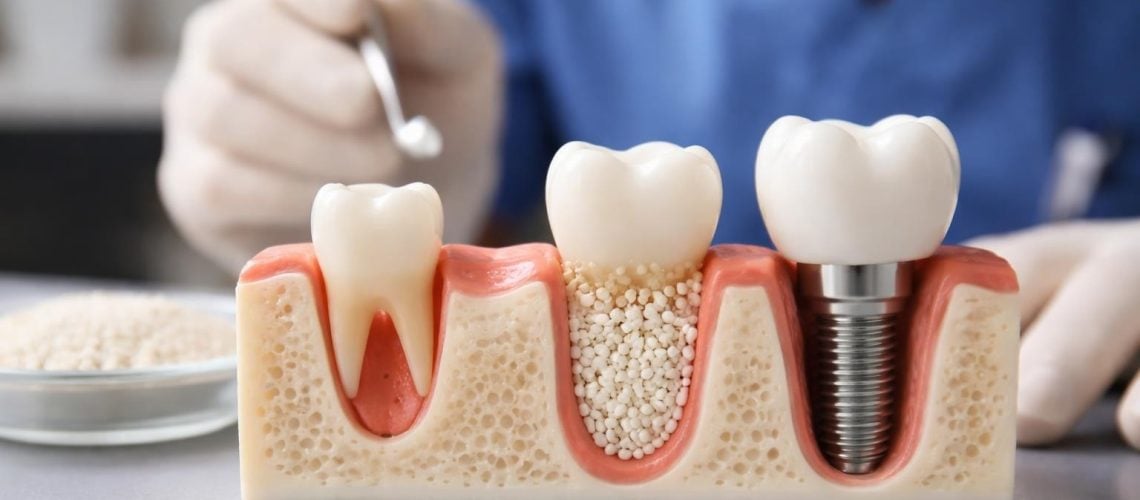
Bone grafting is a surgical procedure that rebuilds or augments the jawbone to create a stable foundation for dental implants. When a tooth is lost, the surrounding bone begins to deteriorate through a process called resorption. Without the stimulation that natural tooth roots provide, the jawbone can lose up to 25% of its width within the first year after tooth loss.
The procedure involves placing bone material into the deficient area of your jaw. This material serves as a scaffold that encourages your body to generate new bone tissue. Over several months, the graft material integrates with your existing bone, creating the density and volume needed to support an implant.
Why Bone Loss Occurs
Several factors contribute to jawbone deterioration:
- Tooth extraction or loss: The most common cause, as bone needs stimulation from tooth roots
- Periodontal disease: Advanced gum disease destroys both soft tissue and underlying bone
- Facial trauma: Accidents can damage or remove portions of the jawbone
- Long-term denture use: Dentures don’t prevent bone loss and may accelerate it
- Congenital conditions: Some patients are born with insufficient bone structure
Research published in the British Dental Journal indicates that proper bone grafting techniques significantly improve implant success rates, particularly in patients with compromised bone volume.
Types of Bone Grafting Materials
Not all bone grafts are created equal. The material used depends on your specific situation, the extent of bone loss, and your overall health profile.
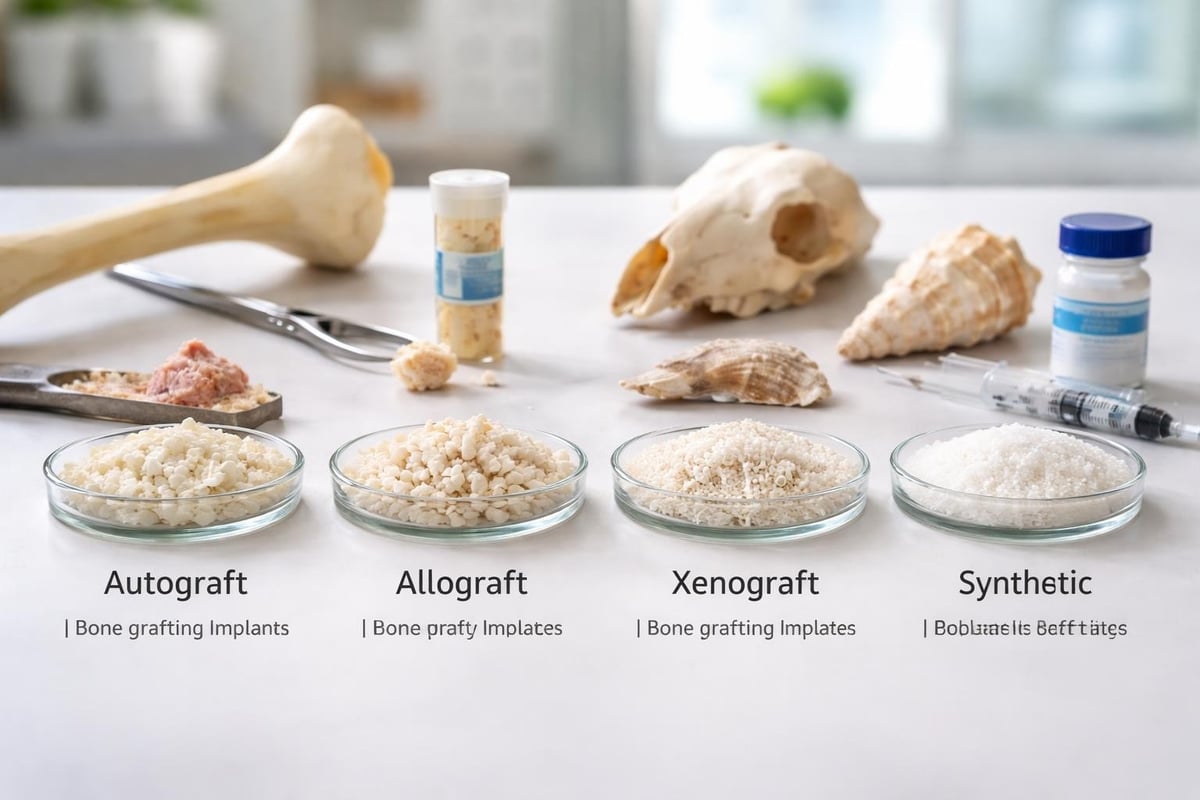
| Graft Type | Source | Advantages | Considerations |
|---|---|---|---|
| Autograft | Patient’s own bone | Highest success rate, no rejection risk | Requires second surgical site |
| Allograft | Donor human bone | No second surgery needed, readily available | Slightly longer integration time |
| Xenograft | Animal bone (typically bovine) | Abundant supply, cost-effective | May take longer to integrate |
| Alloplast | Synthetic materials | No biological concerns, unlimited supply | Variable integration outcomes |
Autografts: The Gold Standard
Autografts involve harvesting bone from another area of your body, commonly the chin, jaw, hip, or tibia. While this requires an additional surgical site, it offers the best integration because your body recognizes its own tissue. Studies show autografts have success rates exceeding 95% in suitable candidates.
Modern Alternatives Gaining Ground
Allografts and xenografts have become increasingly popular due to advances in processing technology. These materials are carefully sterilized and processed to remove all cellular components while maintaining the bone’s natural mineral structure. According to research on bone replacement grafting, these alternatives now approach autograft success rates in many applications.
The Bone Grafting Procedure Step by Step
Understanding what happens during bone grafting for dental implants can reduce anxiety and help you prepare appropriately. The procedure typically follows a standardized protocol, though specifics vary based on individual needs.
Initial Consultation and Planning
Your nearest dentist will conduct a comprehensive evaluation including:
- 3D imaging or CT scans to assess bone volume and quality
- Medical history review to identify any contraindications
- Discussion of material options based on your specific case
- Treatment timeline planning including healing periods
At Dental Plus Clinic’s locations throughout Texas, advanced imaging technology allows precise measurement of bone deficiencies, enabling customized treatment plans.
During the Surgery
The actual grafting procedure generally takes 45 minutes to two hours:
- Local anesthesia or sedation ensures your comfort throughout
- The surgeon makes a small incision in your gum tissue
- The area is carefully cleaned and prepared
- Bone graft material is placed and shaped to the desired contour
- A protective membrane may be placed over the graft
- Sutures close the incision site
Most patients report minimal discomfort during the procedure itself. The surgical precision and technique have improved dramatically in recent years, making this a routine and predictable treatment.
Recovery and Healing Timeline
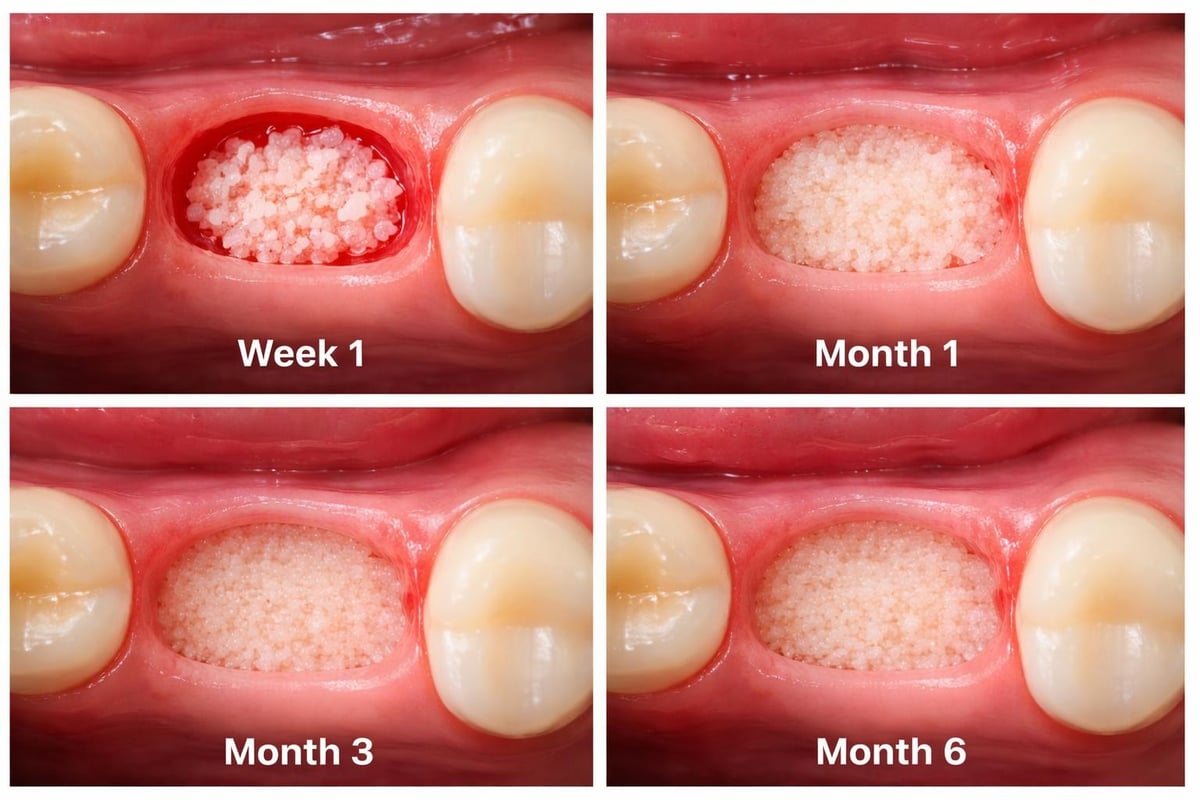
Week 1-2: Initial healing phase with possible swelling and mild discomfort. Soft food diet required.
Month 1-3: Graft material begins integrating with existing bone. Follow-up appointments monitor progress.
Month 3-6: Full integration typically achieved. Implant placement can be scheduled.
The healing period is critical for long-term success. Following post-operative instructions carefully significantly improves outcomes.
Success Rates and Expected Outcomes
Bone grafting for dental implants boasts impressive success rates when performed by experienced professionals. Current literature indicates overall success rates between 90-95%, with variations based on multiple factors.
Factors Influencing Success
Patient-related factors play a significant role:
- Overall health status and immune function
- Smoking habits (smokers have 10-15% lower success rates)
- Oral hygiene practices
- Compliance with post-operative instructions
- Nutritional status and healing capacity
Procedure-related factors include:
- Surgical technique and experience level
- Graft material selection and quality
- Site preparation and infection control
- Use of barrier membranes when appropriate
A comprehensive review of bone grafts in dental implant management demonstrates that proper patient selection and surgical technique are paramount to achieving optimal results.
What Success Looks Like
Successful bone grafting creates a stable, healthy foundation that:
- Integrates completely with existing bone tissue
- Provides adequate volume and density for implant placement
- Maintains stability over time without resorption
- Supports normal chewing forces once the implant is placed
Your dental team will use imaging and clinical examination to confirm the graft has healed sufficiently before proceeding with implant placement.
Cost Considerations and Investment Value
The financial aspect of bone grafting for dental implants concerns many patients. While costs vary significantly based on multiple factors, understanding the investment helps with planning and decision-making.
Cost Breakdown
| Component | Typical Range |
|---|---|
| Simple bone graft (single site) | $300-$800 |
| Major bone graft (extensive area) | $2,000-$3,500 |
| Sinus lift procedure | $1,500-$3,000 |
| Consultation and imaging | $100-$300 |
| Follow-up appointments | Included or minimal |
These figures represent averages across Texas. Specific pricing at facilities like those in Beeville, Seguin, or New Braunfels may vary based on case complexity.
Factors Affecting Cost
Graft material selection significantly impacts price. Autografts may include additional surgical fees, while synthetic materials vary by manufacturer and quality grade.
Procedure complexity matters. A small graft to fill an extraction socket costs less than ridge augmentation requiring extensive bone building.
Geographic location influences pricing. Urban areas typically have higher costs than smaller communities.
Insurance Coverage Reality
Dental insurance coverage for bone grafting varies widely. Some plans consider it medically necessary and cover 50-80% of costs. Others classify it as elective or cosmetic, providing no coverage. Many patients find that:
- Medical insurance sometimes covers grafts related to trauma or disease
- Dental insurance may have annual maximums that affect coverage
- Pre-authorization is often required for any coverage
- Documentation of medical necessity improves approval chances
When evaluating whether dental implants or dentures make more financial sense, remember that implants with bone grafting represent a long-term investment that can last decades with proper care.
Recovery Tips and Post-Operative Care
Proper aftercare dramatically improves healing outcomes and reduces complications. Your commitment to following post-operative instructions directly correlates with your bone grafting success.
Immediate Post-Surgery (First 48 Hours)
Manage swelling effectively:
- Apply ice packs for 20 minutes on, 20 minutes off
- Keep your head elevated, even while sleeping
- Expect peak swelling around day 2-3, then gradual improvement
Control discomfort:
- Take prescribed pain medication as directed
- Over-the-counter options work well for mild discomfort
- Avoid aspirin, which can increase bleeding
Prevent infection:
- Start antibiotics immediately if prescribed
- Rinse gently with saltwater after 24 hours
- Maintain oral hygiene in non-surgical areas
Diet Modifications for Healing
Your nutrition supports bone regeneration. Follow these guidelines:
- Days 1-3: Cold, soft foods like yogurt, smoothies, and ice cream
- Days 4-7: Progress to warm, soft foods such as eggs, mashed potatoes, and soup
- Weeks 2-6: Gradually introduce firmer foods, avoiding the surgical site
- Months 2-6: Return to normal diet while avoiding excessive force on the graft area
Nutritional priorities include adequate protein for tissue repair, calcium and vitamin D for bone formation, and vitamin C for collagen synthesis.
Activities to Avoid
Protect your healing graft by avoiding:
- Strenuous exercise for 7-10 days
- Bending over or heavy lifting
- Smoking and tobacco use (critically important)
- Drinking through straws (creates negative pressure)
- Spitting forcefully
- Touching or probing the surgical area
Common Concerns and Questions Addressed
Patients considering bone grafting for dental implants often share similar concerns. Addressing these directly helps you feel more confident about proceeding.
Pain and Discomfort Reality
“How much will it hurt?” This tops the list of patient concerns. Honestly, most patients report that bone grafting is less painful than they anticipated. During the procedure, anesthesia ensures you feel no pain. Afterward, discomfort is typically manageable with prescribed or over-the-counter pain medication.
Many patients compare the discomfort level to a tooth extraction. You’ll likely experience soreness and swelling for several days, but severe pain is uncommon. If you do experience significant pain, contact your dental team immediately as this may indicate complications.
Time Commitment Concerns
“How long until I get my implant?” The waiting period frustrates many patients eager to restore their smile. However, rushing the process compromises results.
Minor grafts may heal sufficiently in 3-4 months, while major bone augmentation procedures can require 6-9 months before implant placement. This timeline allows complete integration and ensures your investment in both the graft and the implant succeeds long-term.
Risk Assessment
“What could go wrong?” While complications are rare, informed patients should understand potential risks:
- Graft failure (5-10% of cases): The body may not integrate the material
- Infection (2-3% of cases): Proper hygiene and antibiotics minimize this risk
- Nerve damage (very rare): Skilled surgeons avoid nerve structures
- Sinus complications (only in upper jaw grafts): Experienced practitioners manage this effectively
Research on bone grafting terminology and techniques emphasizes that standardized approaches and proper communication between patient and provider significantly reduce complication rates.

Advanced Bone Grafting Techniques
Modern dentistry offers several specialized approaches to bone grafting for dental implants, each designed for specific clinical situations.
Sinus Lift Procedures
When replacing upper back teeth, insufficient bone height between the jaw and maxillary sinus creates challenges. A sinus lift procedure solves this by:
- Accessing the sinus membrane through the jaw
- Gently elevating the membrane
- Placing bone graft material in the created space
- Allowing healing before implant placement
This technique has become routine, with success rates matching traditional grafting approaches. Some patients can have implants placed simultaneously with the sinus lift, while others require staged procedures.
Ridge Augmentation
After tooth loss, the ridge that once held the tooth often becomes too narrow or short for implant placement. Ridge augmentation rebuilds this critical structure:
Horizontal augmentation widens a narrow ridge using block grafts or particulate material with barrier membranes.
Vertical augmentation increases ridge height, though this represents the most challenging grafting procedure with slightly lower success rates.
Socket Preservation Grafting
When extracting a tooth, immediate socket grafting prevents bone loss before it begins. This proactive approach:
- Places graft material immediately after extraction
- Maintains bone volume and ridge contours
- Simplifies future implant placement
- May allow shorter overall treatment time
Many dentists now recommend socket preservation as standard care when planning future implants, as documented in studies on bone regeneration following extraction.
Choosing the Right Provider
Selecting an experienced dental professional significantly impacts your bone grafting outcome. Not all practitioners have equal training or expertise in this specialized area.
Credentials and Experience Matter
Look for providers who:
- Have completed advanced training in implant dentistry and bone grafting
- Perform these procedures regularly (ask about annual case volume)
- Invest in modern imaging and surgical technology
- Can show before-and-after documentation of similar cases
- Maintain continuing education in current techniques
Questions to Ask During Consultation
Their experience:
- How many bone grafting procedures do you perform annually?
- What is your success rate with cases similar to mine?
- Which grafting materials do you prefer and why?
Your specific case:
- What type of graft do you recommend for my situation?
- How long will healing take before implant placement?
- What are realistic expectations for my outcome?
The facility:
- Is the procedure performed in-office or at a surgical center?
- What technology do you use for planning and execution?
- How do you handle emergencies or complications?
Red Flags to Watch For
Be cautious if a provider:
- Guarantees 100% success (no medical procedure has this certainty)
- Pressures you to proceed without adequate explanation
- Offers prices significantly below market rates
- Cannot clearly explain the procedure or answer questions
- Lacks proper imaging or diagnostic capabilities
Facilities like those at Dental Plus Clinic prioritize patient education and informed decision-making, ensuring you understand every aspect of your treatment plan.
Alternative Options and When They Apply
While bone grafting for dental implants solves many cases of insufficient bone, alternatives exist for specific situations.
Short or Mini Implants
These smaller-diameter implants require less bone volume and may eliminate grafting needs in some cases. However, they:
- Support less chewing force than standard implants
- Work best for smaller teeth or denture stabilization
- May not be suitable for all locations in the mouth
Zygomatic Implants
For severe upper jaw bone loss, zygomatic implants anchor in the cheekbone rather than the jawbone. This advanced technique:
- Bypasses the need for extensive grafting
- Requires specialized surgical expertise
- Typically costs more than conventional implants with grafting
- Works well for patients who have already experienced graft failure
All-on-4 or All-on-6 Techniques
These approaches strategically place implants in available bone, sometimes avoiding areas requiring grafts. Angled implants maximize existing bone use.
When to Consider Alternatives
Discuss alternatives with your dentist if:
- You have medical conditions that impair healing
- Multiple grafting attempts have failed
- Cost or time constraints make grafting impractical
- You strongly prefer to avoid additional surgery
The general information on bone grafting provides context for how this procedure applies across medical disciplines, though dental applications have unique considerations.
Frequently Asked Questions
How long does bone grafting for dental implants take to heal?
Healing time varies based on graft size and type. Minor grafts may heal in 3-4 months, while major augmentation procedures typically require 4-6 months before implant placement. Complete bone maturation can take up to 9-12 months, though implant placement usually occurs before full maturation is complete.
Can I get dental implants without bone grafting?
Some patients have sufficient natural bone for immediate implant placement. Factors include how long ago you lost the tooth, your overall bone density, and the specific implant location. Comprehensive imaging determines whether you’re a candidate for grafting-free implant placement.
Does bone grafting hurt more than tooth extraction?
Most patients report similar or slightly less discomfort compared to tooth extraction. Modern anesthesia ensures the procedure itself is painless. Post-operative discomfort is typically manageable with over-the-counter or prescribed pain medication. Swelling is common but usually resolves within 3-5 days.
What is the success rate of bone grafting for dental implants?
Success rates range from 90-95% when performed by experienced practitioners on appropriate candidates. Factors affecting success include your overall health, smoking status, oral hygiene, graft material selection, and adherence to post-operative instructions. Non-smokers with good health typically experience success rates at the higher end of this range.
How much does bone grafting for dental implants cost?
Costs vary significantly based on graft type and extent. Simple socket preservation grafts may cost $300-$800, while major ridge augmentation can range from $2,000-$3,500. Sinus lift procedures typically cost $1,500-$3,000. Insurance coverage varies, with some plans covering medically necessary grafts while others provide no coverage.
Can bone grafts fail, and what happens if they do?
Graft failure occurs in approximately 5-10% of cases. Signs include persistent pain, infection, or lack of bone formation on follow-up imaging. If a graft fails, options include repeating the procedure with different materials or techniques, considering alternative implant approaches, or exploring non-implant tooth replacement options.
Is bone grafting necessary for all dental implants?
No. Many patients have adequate natural bone for immediate implant placement. Grafting becomes necessary when bone loss has occurred due to tooth extraction, periodontal disease, trauma, or long-term tooth absence. Your dentist determines necessity through clinical examination and 3D imaging.
Can I smoke after bone grafting?
Smoking significantly impairs healing and reduces graft success rates by 10-15%. Dentists strongly recommend avoiding all tobacco products for at least two weeks before and six weeks after surgery. Ideally, bone grafting provides motivation to quit permanently, improving both oral and overall health.
What foods can I eat after bone grafting?
Week 1: Cold, soft foods like yogurt, smoothies, pudding, and ice cream
Weeks 2-3: Warm, soft foods including eggs, mashed potatoes, pasta, and soft-cooked vegetables
Month 1-2: Gradually introduce firmer foods while avoiding the surgical site
Months 2-6: Resume normal diet while being mindful of the healing area
How do I know if my bone graft is healing properly?
Normal healing includes gradual reduction in swelling and discomfort over 7-10 days. The surgical site should close properly without persistent bleeding or discharge. Your dentist will schedule follow-up appointments to monitor progress clinically and radiographically. Contact your provider immediately if you experience severe pain, fever, significant swelling after day 3, or foul taste/odor from the surgical site.
Making Your Decision: Key Takeaways
Choosing to proceed with bone grafting for dental implants represents an important decision that requires careful consideration of multiple factors.
Weighing the Benefits
Successful bone grafting enables:
- Permanent tooth replacement through dental implants
- Preservation of facial structure and prevention of further bone loss
- Restored chewing function approaching natural teeth
- Improved confidence and quality of life
- Long-term oral health benefits extending decades
Understanding the Commitment
Be realistic about requirements:
- Time investment: Several months of healing plus multiple appointments
- Financial commitment: Significant upfront costs with potential long-term savings
- Lifestyle adjustments: Temporary diet modifications and activity restrictions
- Healing dedication: Following post-operative instructions precisely
When to Proceed Confidently
You’re likely a good candidate if:
- Have realistic expectations about timeline and outcomes
- Committed to excellent oral hygiene
- A non-smoker or willing to quit
- Have adequate general health for surgery and healing
- Value the long-term benefits of dental implants
Understanding practical bone grafting materials and their applications helps you have informed discussions with your dental team about the best approach for your specific situation.
Real Patient Experiences from Texas
Hearing from others who’ve undergone bone grafting for dental implants provides valuable perspective and realistic expectations.
Sarah’s Story: From Accident to Full Smile
After a cycling accident in New Braunfels damaged her upper front teeth, Sarah, 34, faced extraction and bone loss. “I was devastated,” she recalls. “But my dentist explained that bone grafting would give me the foundation for permanent implants that would look and feel natural.”
Sarah underwent socket preservation grafting immediately after extraction, then waited four months before implant placement. “The waiting was hard, but seeing the final result made it worthwhile. My implants are indistinguishable from my natural teeth.”
Robert’s Journey: Overcoming Years of Tooth Loss
Robert, a 58-year-old from Leander, lost several back teeth over the years and developed significant bone loss. “I’d been wearing a partial denture for 12 years and hated it,” he shares. “When I learned that bone grafting could restore enough bone for implants, I jumped at the chance.”
His case required major ridge augmentation, a six-month healing period, and staged implant placement. “It took almost a year from start to finish, but I can eat anything now without worry. I wish I’d done it sooner.”
Maria’s Experience: Managing Expectations
Maria, 45, from Converse had periodontal disease that destroyed bone around her molars. “I thought I’d need dentures eventually,” she explains. “Learning that bone grafting could save my ability to get implants was hopeful, but I also needed to understand the process wasn’t quick or simple.”
She appreciated her dentist’s honesty about the 20% chance her graft might not take due to her diabetes. “We managed my blood sugar carefully, and everything healed perfectly. Having a realistic understanding from the beginning helped me stay positive through the process.”
The Science Behind Bone Regeneration
Understanding the biological process of bone grafting for dental implants helps appreciate why proper healing time is essential.
How Bone Integration Works
When bone graft material is placed, your body initiates a complex healing cascade:
Week 1-2: Blood vessels grow into the graft material (angiogenesis), bringing nutrients and healing cells.
Weeks 3-8: Osteoblasts (bone-building cells) begin depositing new bone matrix around and through the graft material.
Months 3-4: New bone continues forming while the graft material is gradually resorbed or incorporated.
Months 5-6: Bone remodeling occurs, strengthening the newly formed bone to handle functional demands.
Factors That Enhance Integration
Adequate blood supply is critical. The graft site must have good vascularization for healing cells to reach the area. This is why smoking so dramatically impairs success-nicotine constricts blood vessels.
Proper immobilization allows undisturbed healing. This is why protecting the surgical site from pressure and trauma is emphasized during recovery.
Optimal protein synthesis requires adequate nutrition. Your body needs building blocks to create new bone tissue.
Why Rushing Doesn’t Work
Some patients ask if healing can be accelerated. While research into growth factors and platelet-rich plasma shows promise, the fundamental biological process of bone formation has inherent time requirements. According to studies on bone grafting procedures, attempting to place implants before adequate graft maturation significantly increases failure risk.
Long-Term Maintenance and Care
Once your bone graft heals and your implant is placed, long-term care ensures your investment lasts decades.
Protecting Your Investment
Maintain excellent oral hygiene:
- Brush twice daily with a soft-bristled toothbrush
- Floss daily, using techniques that don’t traumatize implant sites
- Consider a water flosser for hard-to-reach areas
- Use antimicrobial mouthwash as recommended
Attend regular dental appointments:
- Professional cleanings every 3-6 months
- Periodic X-rays to monitor bone levels
- Early intervention if issues develop
Avoid harmful habits:
- Don’t smoke (the single most important factor)
- Avoid chewing ice or hard objects
- Wear a nightguard if you grind your teeth
- Maintain overall health, especially diabetes control
Warning Signs to Watch
Contact your dentist if you notice:
- Looseness or movement of your implant
- Pain or discomfort around the implant site
- Swelling or redness of surrounding gums
- Bleeding when brushing the implant area
- Changes in how your bite feels
Early detection and intervention prevent minor issues from becoming major problems.
Expected Lifespan
With proper care, dental implants supported by successful bone grafts can last 25 years or longer. Many patients enjoy their implants for life. The grafted bone, once fully integrated, becomes indistinguishable from your natural bone and maintains stability indefinitely when healthy oral conditions are maintained.
Studies show that proper maintenance protocols result in 10-year implant survival rates exceeding 95%, with the grafted bone remaining stable throughout this period and beyond.
Final Thoughts
Bone grafting for dental implants opens the door to permanent tooth replacement for countless patients who would otherwise lack the necessary foundation. While the process requires time, financial investment, and commitment to healing protocols, the long-term benefits of restored function, aesthetics, and oral health make it a worthwhile journey for most candidates. Whether you’re dealing with recent tooth loss or have been missing teeth for years, understanding your options empowers better decision-making. At Dental Plus Clinic, our experienced team across Texas provides comprehensive evaluations, advanced bone grafting techniques, and personalized implant solutions tailored to your unique needs. Schedule a consultation at one of our convenient locations to discover how we can help you achieve the confident, healthy smile you deserve.