

Dental implants represent one of the most significant investments you’ll make in your oral health. Unlike temporary solutions, implants provide a permanent foundation for replacement teeth that can last decades with proper care. Finding the right professional to perform this complex procedure requires careful research and consideration of multiple factors. The success of your dental implant treatment depends heavily on the expertise, training, and experience of your chosen provider. Understanding how to find the best implant dentist ensures you receive quality care that delivers both functional and aesthetic results for years to come.
Understanding Implant Dentistry Specialization
Dental implantology is a specialized field that goes beyond general dentistry training. While all dentists learn basic oral surgery principles during dental school, placing dental implants requires advanced education and hands-on clinical experience. The distinction between a general dentist who occasionally places implants and a specialist who focuses primarily on implant procedures can significantly impact your treatment outcome.
Educational Requirements and Training Paths
The pathway to becoming a qualified implant dentist involves extensive post-graduate education. According to the American Academy of Implant Dentistry’s training guidelines, dentists must complete specialized programs that include both didactic coursework and supervised clinical practice. These programs typically span 300 to 400 hours of continuing education focused exclusively on implant placement and restoration.
Many implant dentists pursue formal residency programs or certificate courses from accredited universities. Comprehensive implant dentistry programs cover surgical techniques, prosthetic design, bone grafting procedures, and management of complex cases. This advanced training prepares dentists to handle routine cases as well as challenging situations involving bone loss or anatomical complications.
Key training components include:
- Surgical implant placement techniques
- Prosthetic restoration methods
- Bone grafting and ridge augmentation
- Sinus lift procedures
- Treatment planning with 3D imaging
- Management of complications
Certification and Credentialing Standards
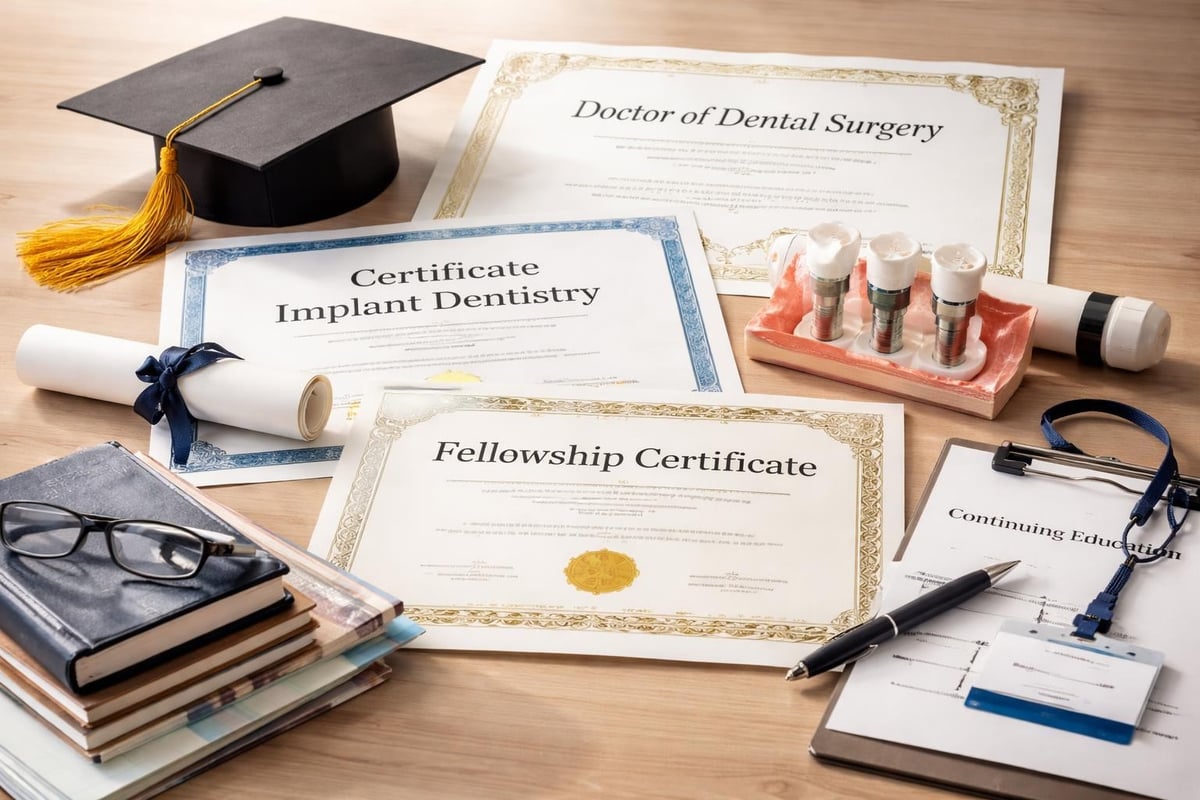
Professional certification demonstrates a dentist’s commitment to maintaining expertise in implant dentistry. The American Board of Oral Implantology/Implant Dentistry offers board certification to dentists who meet rigorous standards. This certification process includes written and oral examinations, case presentations, and ongoing continuing education requirements.
When learning how to find the best implant dentist, look for practitioners who maintain active memberships in professional organizations. The American Academy of Implant Dentistry, International Congress of Oral Implantologists, and similar organizations require members to pursue ongoing education and stay current with evolving techniques and technologies.
| Credential Type | Significance | Verification Method |
|---|---|---|
| Board Certification | Highest level of recognized expertise | Check ABOI/ID registry |
| Fellowship Status | Advanced training completion | Verify with issuing academy |
| University Certificate | Formal post-graduate education | Request documentation |
| Professional Memberships | Ongoing education commitment | Confirm active status |
Evaluating Experience and Clinical Expertise
Experience matters tremendously in implant dentistry. A dentist who places hundreds of implants annually develops refined surgical skills, better judgment in case selection, and greater efficiency in managing potential complications. The learning curve for implant placement is steep, and proficiency improves significantly with volume and variety of cases.
Case Volume and Complexity
Ask prospective implant dentists about their annual case volume. While no magic number guarantees expertise, dentists who regularly perform implant procedures typically achieve more consistent results. Equally important is the range of case complexity they handle. A practitioner experienced with bone grafting procedures and complex full-arch restorations demonstrates broader capabilities than someone who only handles straightforward single-tooth replacements.
Questions to ask about experience:
- How many dental implants do you place annually?
- What percentage of your practice focuses on implant dentistry?
- Do you handle complex cases requiring bone grafting?
- What types of implant systems are you trained to use?
- How do you manage complications when they arise?
Understanding a dentist’s experience with different implant systems also matters. Familiarity with multiple manufacturers indicates adaptability and broader technical knowledge. Some practitioners specialize in specific approaches like All-on-4 versus All-on-6 configurations, which require distinct planning and surgical protocols.
Track Record and Success Rates
Reputable implant dentists track their success rates and willingly discuss outcomes with prospective patients. Industry-wide, dental implants have a success rate exceeding 95 percent when placed by experienced practitioners. However, success rates can vary based on location in the mouth, bone quality, patient health factors, and surgical technique.
Request information about long-term outcomes, not just initial placement success. Implants that integrate successfully but fail within the first few years indicate potential issues with treatment planning, surgical technique, or prosthetic design. The importance of choosing a qualified implant dentist cannot be overstated, as proper training directly correlates with superior long-term results.
Technology and Treatment Planning Capabilities
Modern implant dentistry relies heavily on advanced diagnostic and surgical technologies. The equipment and software a practice utilizes reveals much about their commitment to precision and patient outcomes. When considering how to find the best implant dentist, evaluate the technology they employ throughout the treatment process.
3D Imaging and Digital Planning
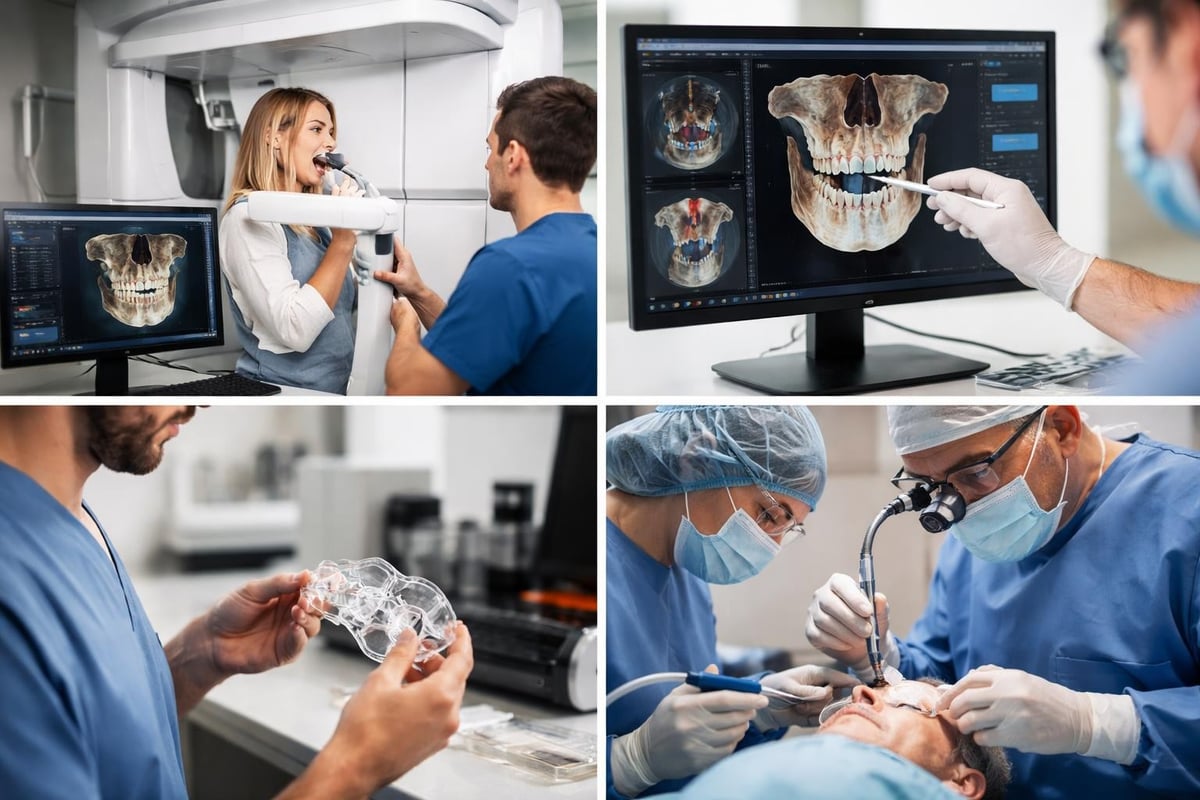
Cone Beam Computed Tomography (CBCT) scanning has become the standard of care for implant planning. This three-dimensional imaging technology allows dentists to visualize bone structure, nerve locations, sinus anatomy, and other critical structures with unprecedented clarity. Practices that invest in CBCT equipment demonstrate dedication to thorough treatment planning.
Digital treatment planning software enables dentists to virtually place implants before surgery begins. This computer-guided approach improves accuracy, reduces surgical time, and helps identify potential complications before they occur. Many advanced practices use this technology to create surgical guides that direct implant placement with millimeter-level precision.
Essential technology for modern implant dentistry:
- CBCT scanners for 3D imaging
- Digital treatment planning software
- Computer-guided surgery systems
- Intraoral scanners for digital impressions
- CAD/CAM technology for same-day restorations
Material Options and Innovation
Progressive implant dentists stay informed about evolving materials and techniques. The choice between titanium and zirconia implants requires understanding the advantages and limitations of each material. Dentists who offer multiple options and explain the rationale behind their recommendations demonstrate comprehensive knowledge.
Familiarity with the latest dental implant technology indicates a commitment to continuing education and practice advancement. Innovations in surface treatments, implant designs, and healing protocols can improve integration rates and reduce healing times. Dentists who actively incorporate evidence-based innovations typically deliver superior patient experiences.
Facility Standards and Infection Control
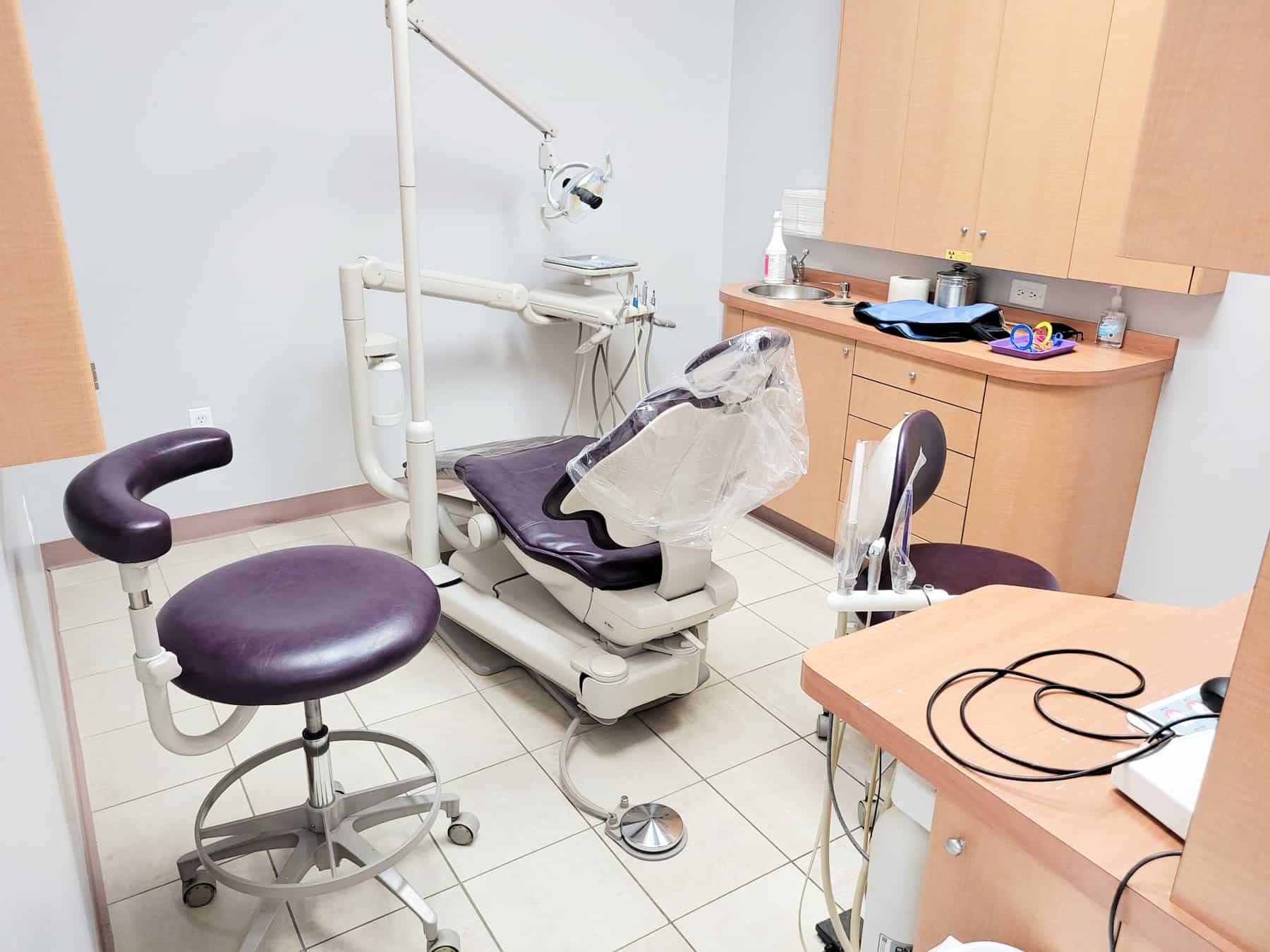
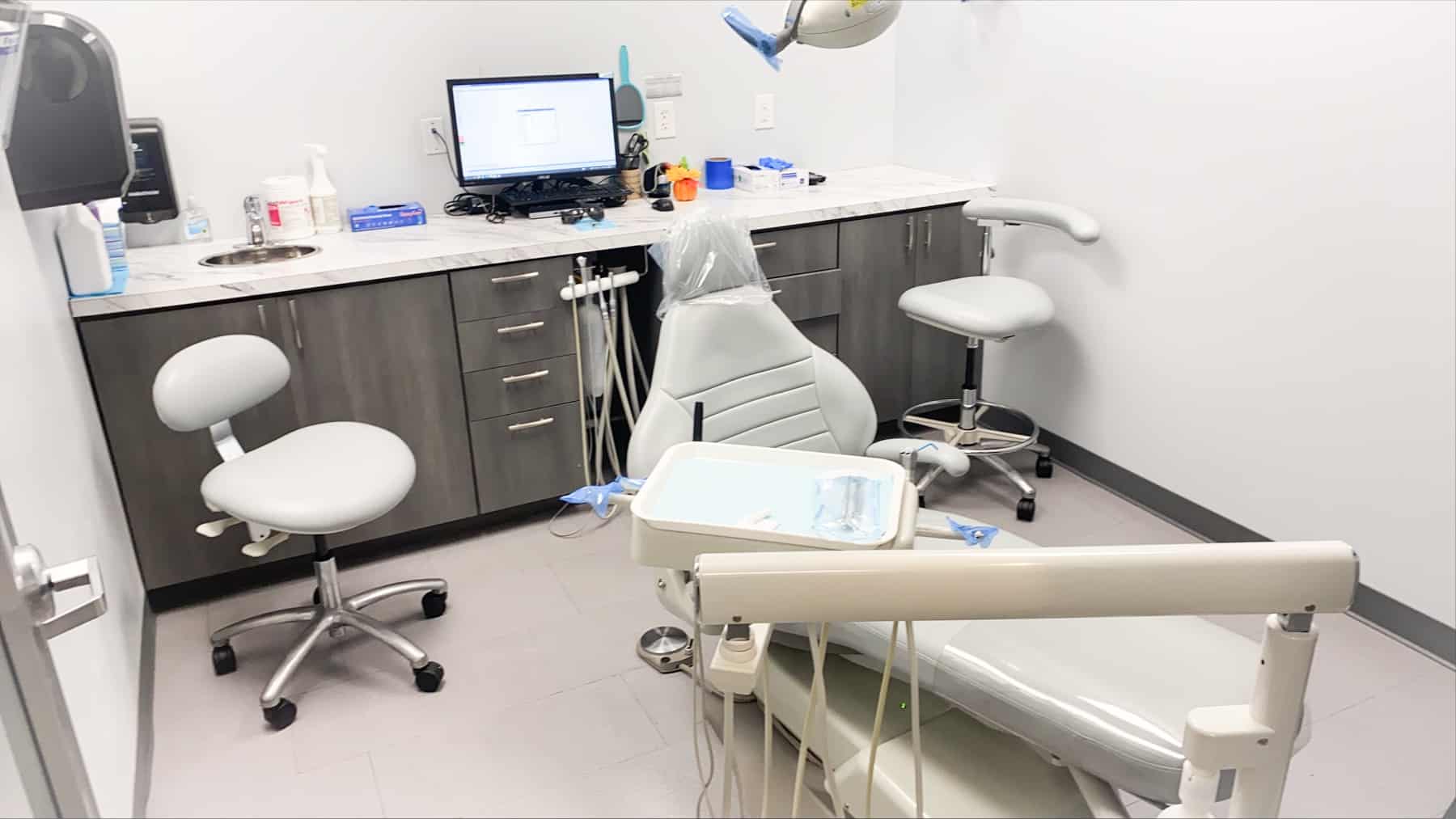
The clinical environment where your implant surgery occurs significantly impacts safety and outcomes. Professional practices maintain rigorous sterilization protocols, invest in proper surgical facilities, and adhere to strict infection control guidelines. These standards protect patient health and minimize risks of complications.
Sterilization and Safety Protocols
Dental implant surgery requires a sterile surgical environment. Look for practices that maintain dedicated surgical suites or operatories designed specifically for implant procedures. These spaces should include specialized air filtration, surgical-grade lighting, and equipment designed for sterile technique.
Ask about sterilization processes for surgical instruments. Autoclaves, ultrasonic cleaners, and proper instrument tracking systems are essential components of infection control. Practices should use single-use items whenever possible and have documented protocols for sterilizing reusable instruments between patients.
| Safety Standard | What to Look For | Why It Matters |
|---|---|---|
| Instrument Sterilization | Autoclave systems with biological monitoring | Prevents cross-contamination |
| Surgical Suite Design | Dedicated space with appropriate air exchange | Reduces infection risk |
| Single-Use Items | Disposable surgical drapes and barriers | Eliminates reuse concerns |
| Staff Training | Regular infection control education | Ensures protocol compliance |
| Emergency Preparedness | Oxygen, emergency medications, AED | Manages medical emergencies |
Sedation Options and Patient Comfort
Implant dentists should offer sedation options appropriate for the complexity of your procedure. Simple single-implant cases may only require local anesthesia, while full-arch reconstructions often benefit from IV sedation or general anesthesia. The availability of sedation indicates a practice equipped to handle various patient comfort needs.
Verify that sedation providers maintain proper credentials and that facilities meet state requirements for sedation dentistry. Practices offering deeper sedation levels should have appropriate monitoring equipment, emergency protocols, and trained staff to ensure patient safety throughout the procedure.
Communication Style and Patient Education
The best implant dentists excel at explaining complex procedures in understandable terms. They invest time in thorough consultations, answer questions patiently, and ensure you understand all aspects of your treatment plan before proceeding. Effective communication builds trust and helps patients make informed decisions about their oral health.
Initial Consultation Quality
The consultation appointment reveals much about a dentist’s approach to patient care. During this visit, the dentist should perform a comprehensive oral examination, review your medical history, discuss your goals and concerns, and explain treatment options in detail. They should present alternatives, discuss pros and cons of different approaches, and provide realistic expectations about outcomes and timelines.
Red flags during consultations include:
- Rushing through explanations
- Pressure to commit immediately
- Dismissing questions or concerns
- Offering only one treatment option
- Providing vague cost estimates
- Lacking visual aids or models
Quality implant dentists use visual tools like models, diagrams, and before-and-after photos to illustrate treatment concepts. They should explain the complete dental implant procedure from start to finish, including healing periods, temporary restorations, and final prosthetic placement.
Treatment Planning Transparency
Comprehensive treatment plans include detailed breakdowns of procedures, materials, timelines, and costs. The best implant dentists provide written treatment plans that outline each phase of treatment, anticipated healing periods, and specific components being used. This transparency helps you understand exactly what you’re receiving and prevents unexpected costs.
Understanding how to find the best implant dentist includes evaluating their willingness to discuss alternatives. For instance, if bone grafting is recommended, they should explain why it’s necessary, what the procedure involves, and how it affects the overall timeline and cost. Similarly, when comparing options like cheap versus premium dental implants, they should discuss quality differences rather than simply recommending the most expensive option.
Financial Considerations and Payment Options
Dental implants represent a significant financial investment. Understanding costs, payment options, and value propositions helps you make informed decisions without compromising quality. The most expensive option isn’t always the best, but extremely low prices often indicate shortcuts in materials, training, or protocols.
Cost Transparency and Value Assessment
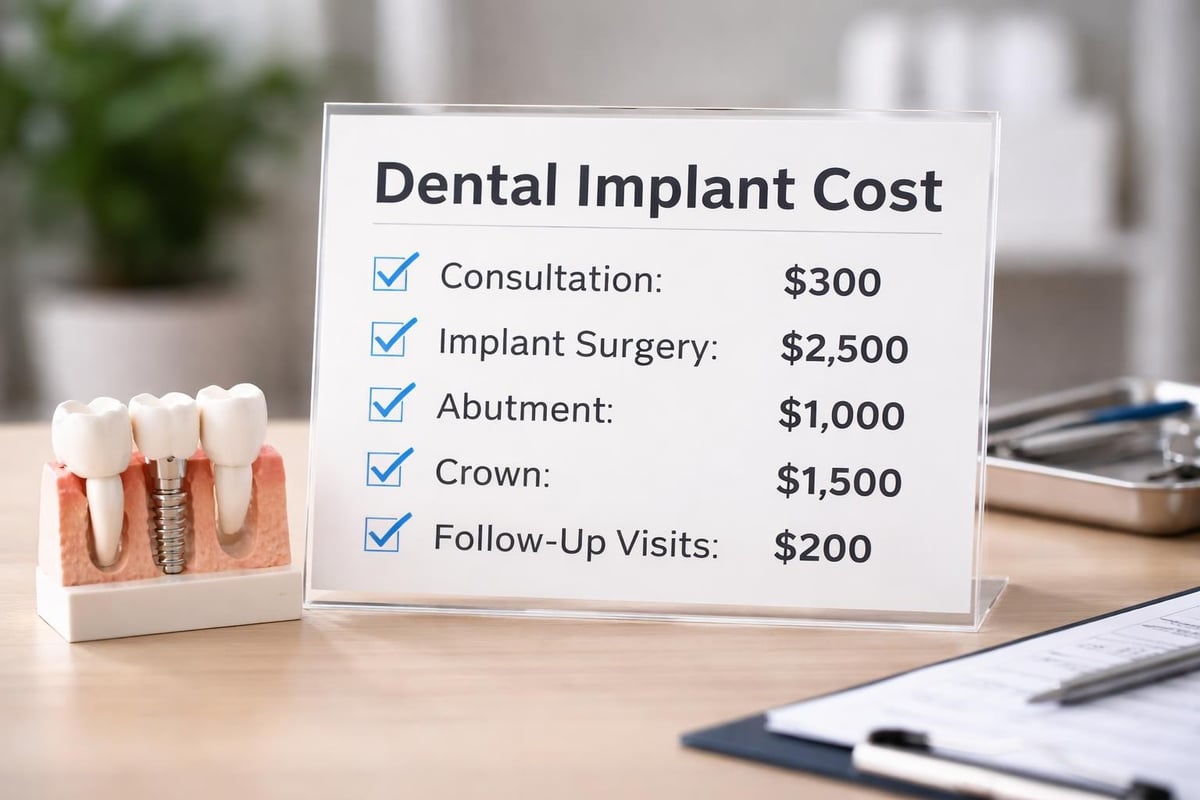
Request itemized estimates that separate surgical fees, implant components, abutments, crowns, and any necessary preparatory procedures. This breakdown allows you to compare costs accurately between providers and understand where your investment goes. Some practices bundle services while others charge separately for each component.
Typical cost components include:
- Initial consultation and diagnostic imaging
- Surgical implant placement fee
- Implant fixture and components
- Bone grafting (if needed)
- Abutment fabrication
- Crown or prosthetic fabrication
- Follow-up appointments and adjustments
Be cautious of practices advertising dramatically lower prices than competitors. While affordability matters, implant dentistry requires quality materials, proper training, and appropriate time allocation. Practices that cut corners on these essentials may deliver inferior results requiring costly corrections later.
Insurance Coverage and Financing
Many dental insurance plans now provide partial coverage for dental implants, particularly when replacing missing teeth affects function. Experienced implant practices employ knowledgeable staff who can review your insurance benefits, submit pre-authorizations, and maximize your coverage. They should provide detailed documentation to support medical necessity when applicable.
For out-of-pocket expenses, flexible financing options make treatment more accessible. Many practices partner with healthcare financing companies offering extended payment plans with competitive interest rates. Some also offer in-house payment plans or accept health savings account and flexible spending account funds.
Reviews, Testimonials, and Reputation Research
Patient feedback provides valuable insights into the actual experience of working with an implant dentist. While individual reviews should be considered within context, patterns across multiple sources reveal consistent strengths or weaknesses. Learning how to find the best implant dentist includes thorough reputation research across various platforms.
Online Review Analysis
Examine reviews on multiple platforms including Google, Yelp, Healthgrades, and Facebook. Look for consistent themes rather than focusing on individual extreme reviews. Pay attention to comments about communication, pain management, results quality, staff professionalism, and how the practice handles complications or concerns.
Recent reviews matter more than those from several years ago, as practice quality and personnel change over time. However, a long history of positive feedback demonstrates sustained excellence. Be wary of practices with only five-star reviews, as this pattern sometimes indicates filtered or manufactured feedback.
Key aspects to evaluate in reviews:
- Treatment outcome satisfaction
- Pain and comfort during procedures
- Staff professionalism and courtesy
- Wait times and scheduling flexibility
- How complications were handled
- Value relative to cost
- Post-treatment support quality
Professional Reputation and Referral Sources
Ask your general dentist for recommendations. Many general dentists refer complex cases to implant specialists they trust based on consistent positive outcomes for their patients. Prosthodontists, periodontists, and oral surgeons also collaborate with skilled implant dentists and can provide informed referrals.
Check if the dentist serves as a referral resource for other dental professionals. Dentists who receive complex cases from colleagues typically maintain higher standards, as their reputation within the professional community depends on consistent quality results. This peer recognition often indicates superior expertise.
Geographic Accessibility and Ongoing Care
Dental implant treatment spans several months and requires multiple appointments. Selecting a conveniently located practice improves compliance with follow-up visits and makes emergency care more accessible if complications arise. The proximity of your implant dentist affects your overall treatment experience significantly.
Location Convenience and Multi-Site Practices
For patients in Texas, accessibility matters when choosing an implant provider. Practices with multiple locations offer flexibility for scheduling and ongoing maintenance. Dental Plus Clinic locations across Texas, including facilities in Beeville, Seguin, New Braunfels, Leander, and Converse, provide options for patients seeking quality implant care closer to home.
Consider travel time for both routine appointments and potential emergencies. While you might tolerate a longer drive for the initial surgery, frequent follow-up visits become burdensome if the practice is far from your home or workplace. Practices offering multiple locations allow you to receive consistent care at the most convenient site.
Long-Term Maintenance Support
Dental implants require ongoing professional maintenance to ensure longevity. The best implant dentists provide comprehensive follow-up care including regular examinations, professional cleanings, and prompt attention to any concerns. They should have clear protocols for monitoring implant health and addressing issues before they become serious problems.
Ask about the practice’s approach to long-term implant maintenance. Will they provide ongoing care or transfer you back to your general dentist? If complications arise years after placement, will they address issues or refer you elsewhere? Understanding these aspects of continuing care helps ensure your implant investment remains protected throughout its lifespan.
| Long-Term Care Consideration | Questions to Ask | Importance |
|---|---|---|
| Warranty Coverage | What guarantees apply to implants and restorations? | Protects investment |
| Follow-Up Protocol | How often will implants be examined? | Catches problems early |
| Emergency Access | How are after-hours concerns handled? | Provides peace of mind |
| Maintenance Requirements | What home care is necessary? | Ensures longevity |
| Continuing Relationship | Will you provide ongoing care? | Continuity of care |
Team Approach and Collaborative Care
Complex implant cases often benefit from collaboration between multiple specialists. The best implant dentists recognize when cases require input from prosthodontists, periodontists, oral surgeons, or other specialists. This team-based approach ensures you receive optimal care tailored to your specific needs.
Multidisciplinary Coordination
Some dental practices maintain in-house specialists or established referral relationships with complementary providers. This coordination streamlines treatment planning, improves communication between providers, and often reduces overall treatment time. For complex full-mouth reconstructions, having a coordinated team proves invaluable.
According to expert guidance on evaluating dental implant teams, collaborative care models typically deliver superior outcomes for complex cases. When surgical expertise, prosthetic design skills, and restorative artistry combine seamlessly, patients experience better functional and aesthetic results.
Comprehensive Treatment Philosophy
Progressive implant practices view dental implants within the context of overall oral health. They consider how implant placement affects existing teeth, bite alignment, jaw joint function, and facial aesthetics. This comprehensive perspective prevents tunnel vision focused solely on replacing missing teeth without addressing underlying issues.
Look for dentists who discuss factors like bone preservation, gum tissue management, and long-term stability. The approach to zirconia dental implants exemplifies how material selection impacts not just the implant itself but surrounding soft tissue health and aesthetic outcomes. Dentists who think holistically deliver more sustainable results.
Making Your Final Decision
After gathering information about credentials, experience, technology, facility standards, communication style, costs, and reputation, synthesize these factors to make an informed choice. Trust your instincts about the practice environment and whether the dentist’s approach aligns with your values and preferences.
Comparing Multiple Providers
Consult with at least two or three implant dentists before making your decision. This comparative process helps you recognize differences in approach, communication style, and value proposition. What one dentist considers essential, another might view as optional. These consultations educate you about the range of treatment philosophies within implant dentistry.
Create a simple comparison matrix documenting each practice’s strengths across the categories discussed in this guide. Include factors most important to your specific situation, whether that’s proximity to home, sedation options, specific technical expertise, or payment flexibility. This structured evaluation prevents choosing based solely on a single factor like cost or convenience.
Decision-making framework:
- List your top five priorities for an implant dentist
- Rate each candidate on these priorities
- Consider overall comfort level with each provider
- Evaluate total value, not just lowest price
- Trust your instincts about communication and care quality
Understanding Different Treatment Philosophies
Recognize that legitimate differences exist in treatment approaches among qualified implant dentists. Some favor immediate placement and loading protocols, while others prefer staged approaches with longer healing periods. Neither approach is inherently superior; appropriateness depends on individual patient factors. Understanding practical advice for finding the best dental implant dentist helps you evaluate these philosophical differences intelligently.
Similarly, material preferences vary among practitioners. Some exclusively use titanium implants based on decades of research supporting their reliability. Others incorporate zirconia implants for specific aesthetic situations. The key is that your chosen dentist can clearly explain their rationale and how it applies to your particular case.
Asking the Right Questions During Consultations
Preparing thoughtful questions for consultation appointments maximizes the value of these meetings. Beyond basic credentials and costs, deeper questions reveal a dentist’s expertise, philosophy, and suitability for your needs. How they answer matters as much as what they answer.
Technical Expertise Questions
Probe beyond surface-level qualifications to understand genuine expertise. Ask about their training background, including where they completed implant education and how they stay current with evolving techniques. Inquire about their experience with cases similar to yours, particularly if you have complicating factors like bone loss, medical conditions, or prior failed implants.
Request to see before-and-after photos of actual patients they’ve treated. These images should show cases similar to yours in complexity and tooth position. Dentists confident in their work maintain comprehensive photo documentation and willingly share representative results. Be skeptical of practices showing only stock photos or refusing to provide visual examples.
Advanced questions to assess expertise:
- What percentage of dental implant cases in your practice involve bone grafting?
- How do you determine implant size, position, and angulation?
- What protocols do you follow for managing peri-implantitis?
- How has your approach to implant dentistry evolved over your career?
- What are the most common complications you encounter and how do you address them?
Treatment Planning and Expectations
Ask specifically how your treatment plan was developed. Request to see the diagnostic imaging and have the dentist walk you through their planning rationale. They should explain implant positions, sizes, and how these choices support both function and aesthetics. Understanding this planning process helps you evaluate the thoroughness of their approach.
Discuss realistic timelines and expectations. How long will the complete process take from initial surgery to final restoration? What limitations might you experience during healing periods? What does success look like in your specific case, and how will it be measured? Dentists who set realistic expectations and discuss potential challenges demonstrate honesty and expertise.
Red Flags and Warning Signs to Avoid
Certain warning signs should prompt you to continue your search for an implant dentist elsewhere. Recognizing these red flags protects you from substandard care, unnecessary procedures, or unrealistic promises that lead to disappointment and financial loss.
Pressure Tactics and Unrealistic Promises
Beware of practices that pressure immediate decisions or offer limited-time pricing that expires if you don’t commit during the consultation. Quality implant dentistry requires careful planning, and reputable dentists understand that patients need time to consider their options. High-pressure sales tactics indicate a business focused more on revenue than patient welfare.
Similarly, promises of painless procedures, guaranteed outcomes, or implants that last forever should raise concerns. While modern techniques minimize discomfort and implants have excellent success rates, honest dentists acknowledge that individual results vary and complications occasionally occur. Choosing a qualified implant dentist involves finding someone who balances optimism about outcomes with realistic discussion of potential challenges.
Incomplete Consultations and Planning
Consultations that skip comprehensive examinations or fail to obtain proper diagnostic imaging suggest inadequate treatment planning. Placing dental implants without CBCT scans or detailed bone assessment increases complication risks significantly. Dentists who recommend immediate treatment without thorough evaluation prioritize convenience over safety.
Watch for vague or evasive answers to direct questions about credentials, experience, or treatment specifics. Qualified implant dentists answer questions confidently and provide detailed explanations. If you leave a consultation feeling confused or uncertain about the proposed treatment, that uncertainty likely reflects inadequate communication rather than your lack of understanding.
Warning signs to watch for:
- Refusing to provide credentials or case volume information
- No diagnostic imaging or cursory examinations
- Treatment plans that seem rushed or inadequately explained
- Dismissive responses to questions or concerns
- Significantly lower prices than all competitors
- Claims that their approach is the only correct method
- Unwillingness to discuss alternatives or risks
Understanding how to find the best implant dentist involves recognizing both positive indicators of quality and warning signs of practices to avoid. This balanced evaluation protects your health and investment while helping you identify practitioners who will deliver the expertise and care you deserve.
Successful dental implant treatment begins long before the first incision, starting with selecting the right professional partner for your oral health journey. The time invested in thorough research, multiple consultations, and careful evaluation pays dividends through superior outcomes, reduced complications, and greater satisfaction with your restored smile. By applying these principles and asking the right questions, you position yourself to make an informed decision that supports both immediate results and long-term oral health.
Final Thoughts
Finding the right implant dentist requires evaluating credentials, experience, technology, communication quality, and patient feedback to ensure you receive expert care that delivers lasting results. Dental Plus Clinic combines advanced training, state-of-the-art technology, and a patient-focused approach across five convenient Texas locations. Our experienced team specializes in comprehensive implant solutions from single-tooth replacements to full-arch reconstructions, supporting you through every phase of treatment with transparent communication and personalized care. Schedule a consultation today to discover how we can restore your smile with precision, comfort, and lasting quality.